
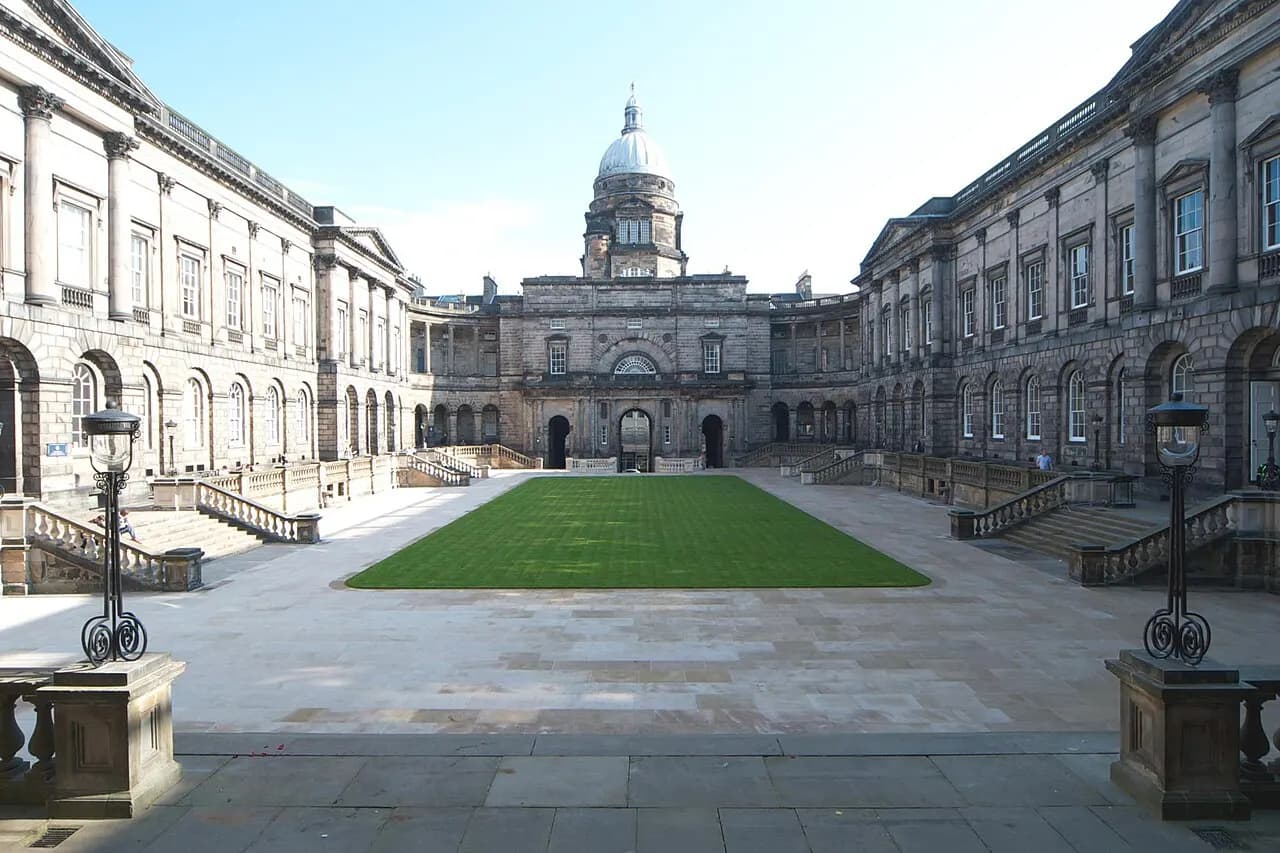
Photo: Theoden sA · CC BY-SA 3.0
United Kingdom · Edinburgh, Scotland
University of Edinburgh
Dolly the sheep, the Higgs boson and Britain's largest school of informatics
- QS World Ranking 2026
- #34
- Founded
- 1583
- Students
- 39,000
- Bachelor's degree
- 4 years
- Acceptance rate
- 47–53% offer rate
- Typical IB offer
- 34–38
- Language of instruction
- English
Worth knowing
Dolly the sheep, the first mammal cloned from an adult cell, was created in 1996 at the Roslin Institute, part of the University; she now stands in the National Museum of Scotland. Arthur Conan Doyle studied medicine here from 1876 to 1881 and modelled Sherlock Holmes on his lecturer Joseph Bell, who could deduce a patient's trade and travels before they had said a word.
How hard is it to get in, and why
Roughly half of all applications receive an offer (47% in 2024, 53% in 2025), but Edinburgh makes offers to the best-qualified candidates first, so meeting the published range does not guarantee one. In Informatics, Law, Economics and Medicine offers routinely sit above the upper end of the range: Law offers reach 42 IB points, Computer Science 43. There are no interviews outside Medicine and Veterinary Medicine, so predicted grades, subject choices and the personal statement decide everything. Medicine adds a UCAT threshold and an interview.
What it costs
Tuition
$40k–74k per year
2026 entry: £29,600 (classroom-based: arts, law, business), £37,500–38,900 (laboratory, studio and informatics), £54,650 Medicine. The fee is fixed at the entry-year rate for the whole degree.
Living costs
$19k–25k per year
Scholarships and financial aid
Support for international undergraduates is thin. The School of Mathematics offers Global Undergraduate Mathematics Scholarships of £5,000 a year for its own students, the Robertson scholarships give five awards of £1,000 in History, Classics and Archaeology, and the Global Talent Fund BIG programme funds international Olympiad medallists in mathematics. There is no university-wide need-based aid for overseas students; the main financial concession is that the tuition fee is frozen at the entry-year rate for the whole degree.
How to apply
Apply through UCAS with up to five choices; for 2027 entry the deadline is 13 January 2027 for most programmes and 15 October 2026 for Medicine and Veterinary Medicine. The application carries predicted IB grades, a school reference and the personal statement, which since 2026 entry is three structured questions within 4,000 characters. Edinburgh does not interview except for Medicine, Veterinary Medicine and some art programmes; Medicine requires the UCAT taken in the year of application, with a minimum score and no Band 4 in Situational Judgement. Apply to only one Computer Science degree, as the University considers a single application in that area. Offers are conditional on final IB results published in early July.
Official websiteWhat makes it special
- Founded in 1583, the sixth-oldest university in the English-speaking world. Old College and George Square sit in the medieval Old Town, the science campus at King's Buildings is a short bus ride away, and Easter Bush hosts the vet school and the Roslin Institute.
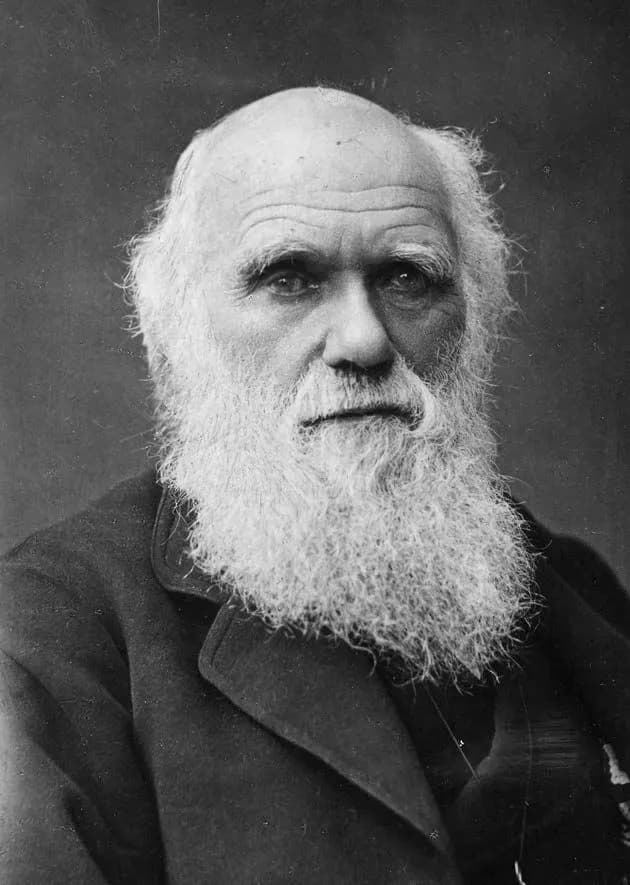
- The School of Informatics is the largest in the UK and a leading centre for artificial intelligence. The Medical School dates from 1726; Charles Darwin studied here (and left), Peter Higgs proposed the Higgs boson here in 1964 and received the Nobel Prize in 2013.
- A Scottish four-year degree: the first two years are broad, with courses outside your main subject, and honours specialisation comes in years three and four. Strong IB results can earn direct entry to Year 2 on some programmes, cutting the degree to three years.
- Edinburgh is a capital city of half a million people: the Old and New Towns are a UNESCO World Heritage site, the extinct volcano Arthur's Seat rises next to the halls of residence, and every August the Fringe turns the city into the world's largest arts festival, with students staffing and performing in its venues.
- Teviot Row House, opened in 1889, is the oldest purpose-built student union building in the world. The students' association runs about 300 societies, and around 40% of students come from outside the UK.
About studying in United Kingdom
Three-year degrees in England (four in Scotland), and you apply for one subject rather than for a university in general. UCAS allows five choices, only one of which can be Oxford or Cambridge, with a 15 October deadline for those two and for medicine. Oxbridge adds admissions tests and interviews; IB offers at the top range from 38 to 42. International fees run from about £25,000 to £45,000 a year, need-based aid is scarce, and graduates can stay on to work for a limited period under the Graduate visa.
Teaching staff
Who runs the university, who teaches, and how lessons actually work.
- Student–staff ratio
- 12:1
- Schools
- 21
- Nobel laureates affiliated
- 20+
Edinburgh employs around 5,000 academic and research staff for some 40,000 students, close to twelve students per member of academic staff. More than twenty Nobel laureates have studied or taught here, including Peter Higgs, who predicted the particle that bears his name while a lecturer at the Tait Institute in the 1960s and stayed at Edinburgh until his retirement. Professor Sir Peter Mathieson, the 34th Principal and a kidney specialist, heads three colleges rather than faculties: Arts, Humanities and Social Sciences; Science and Engineering; and Medicine and Veterinary Medicine, each led by a Vice-Principal and Head of College, and subdivided into twenty-one schools.
Scottish degrees run four years rather than three, and the first two are deliberately broad: a student admitted to study history will also take two other subjects in first year, and can change direction before the honours years begin. Teaching pairs lectures with tutorials of eight to twelve students, and laboratory work, studio classes or clinical placements depending on the subject. The final two honours years narrow sharply to the chosen discipline and end in written examinations plus a dissertation. Medicine and veterinary medicine run separately, with the Royal (Dick) School of Veterinary Studies and the Roslin Institute on the Easter Bush campus outside the city.
Edinburgh's medical school, founded in 1726, is the oldest in the English-speaking world, and its anatomy teaching shaped nineteenth-century medicine across Europe and America. The School of Informatics is the largest computer science department in Britain and was ranked first in the country for research power in the 2021 assessment; Dolly the sheep was cloned at the university's Roslin Institute in 1996. The university also runs one of the world's great collections of historical musical instruments and a library holding the papers of Charles Darwin's Edinburgh student years.
Teachers worth knowing
 2014–now
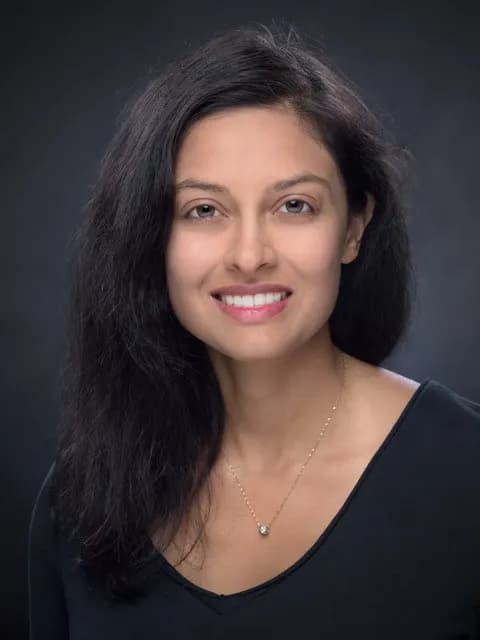
Devi Sridhar
Professor and Chair of Global Public Health
- Teaches
- Global public health · Global health governance
- Experience
- At Edinburgh since 2014, where she founded the Global Health Governance Programme; full professor from 2015.
- M1998–now
Mark Steedman
Professor of Cognitive Science, School of Informatics
- Teaches
- Computational linguistics · Combinatory categorial grammar
- Experience
- Holds the Chair of Cognitive Science since 1998; taught at Edinburgh in 1983–1988 before a decade at the University of Pennsylvania.
 1990–now
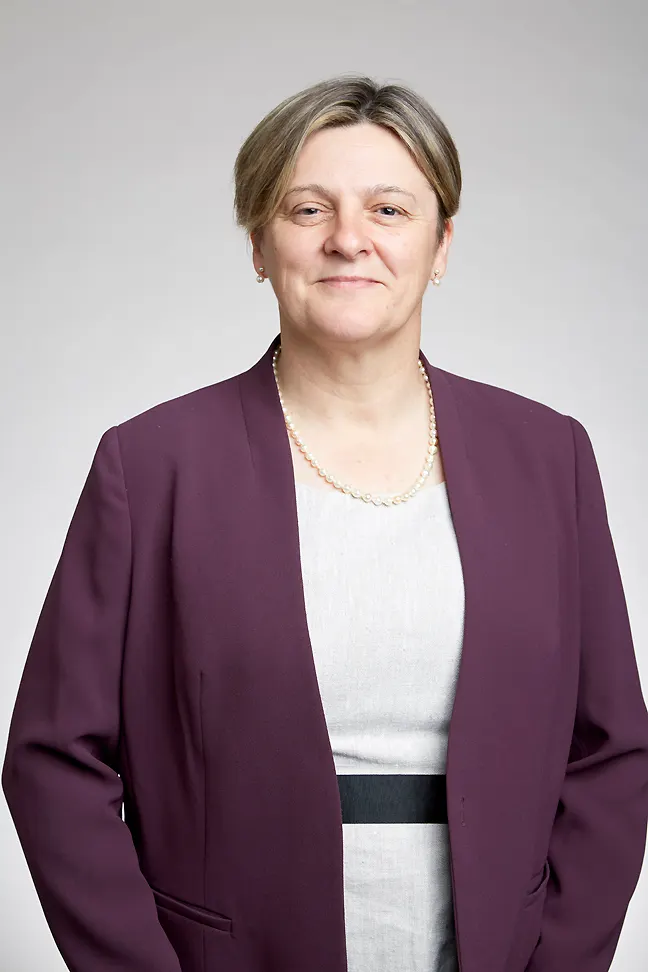
Wendy Bickmore
Director of the MRC Human Genetics Unit, Professor of Genome Biology
- Teaches
- Genome organisation in the cell nucleus · Gene regulation
- Experience
- At Edinburgh since her doctorate; Director of the MRC Human Genetics Unit and president of The Genetics Society in 2015–2018.
The campus in photographs
Photographs come from Wikimedia Commons under free licences; the author and licence are shown on each image.
People who studied or taught here
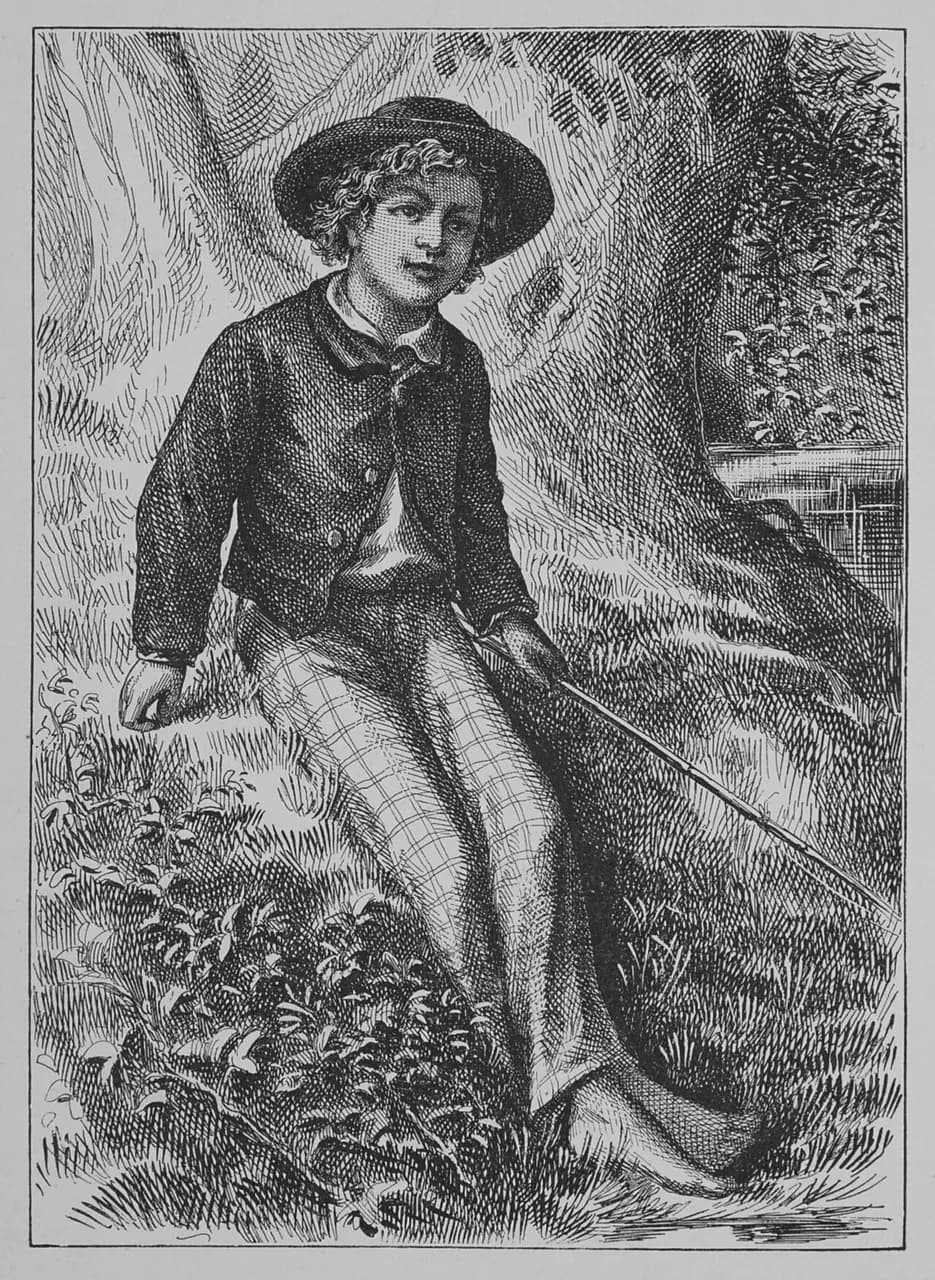
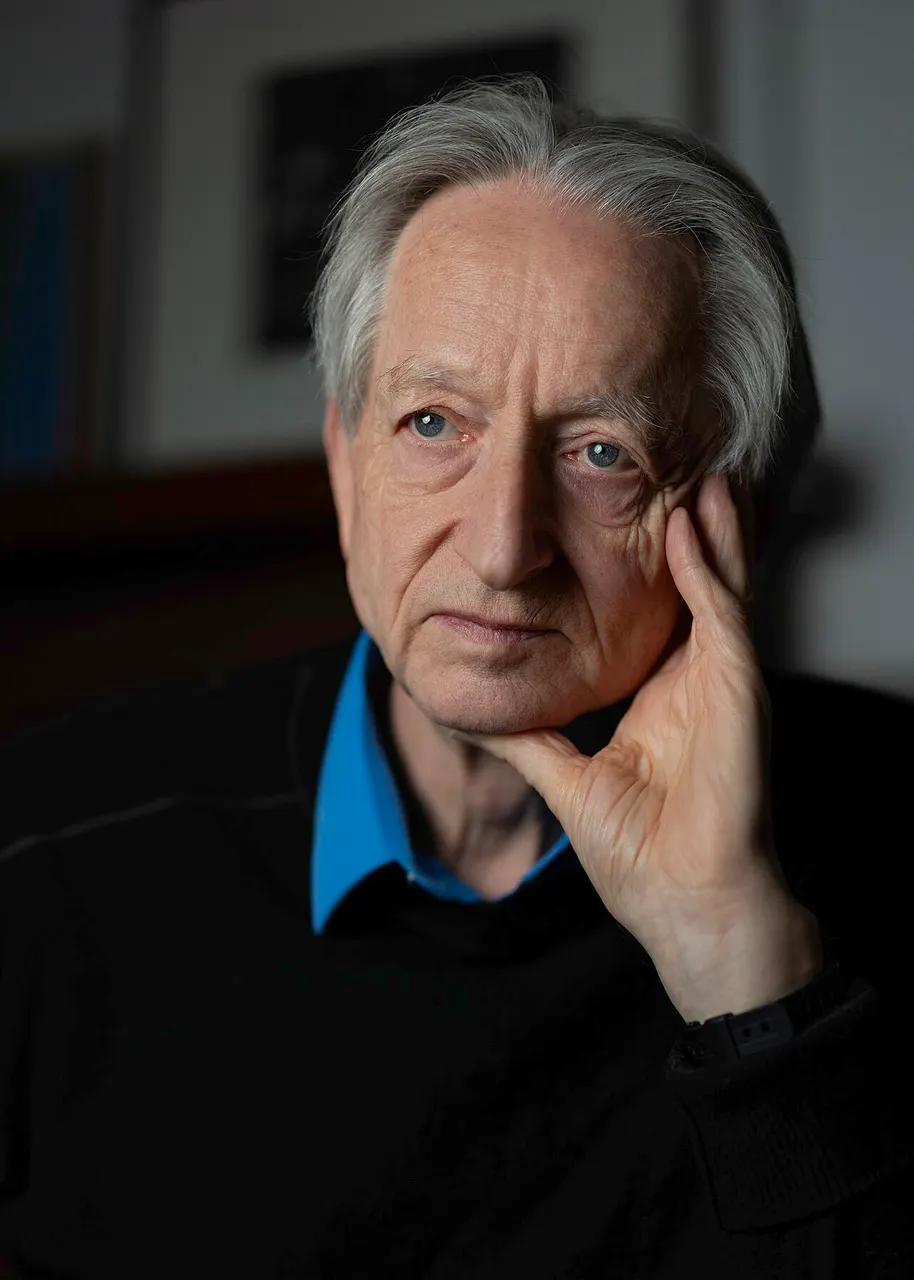 Geoffrey Hinton
Computer scientist, Turing Award 2018 and Nobel Prize in Physics 2024
Doctorate · 1972–1978
- I
Reviews
No reviews yet. Visited, applied, or studied here? Be the first.