
Photo: Unknown authorUnknown author · CC BY-SA 2.5
Switzerland · Lausanne, on Lake Geneva
EPFL (École polytechnique fédérale de Lausanne)
Engineering by Lake Geneva: world-class labs, lectures in French, a brutal first year
- QS World Ranking 2026
- #22
- Founded
- 1853
- Students
- 14,000
- Bachelor's degree
- 3 years
- Acceptance rate
- First-year intake capped at 3 000 since 2025; foreign-diploma applicants ranked by grades; about half pass the first year
- Typical IB offer
- 38/42 without bonus; HL Maths and HL Physics at 6+, plus HL Chemistry/Biology/CS; 32–37 points go to the CMS preparatory year
- Language of instruction
- French. All bachelor's programmes are taught in French; B2 is required and C1 recommended, proven by DELF, DALF or TCF. Most master's programmes are in English.
Worth knowing
The Rolex Learning Center, the campus library designed by the Japanese studio SANAA, has no staircases inside: the concrete floor rises and falls like a landscape, and you simply walk up and down the slopes. EPFL was also the official scientific adviser to Solar Impulse, the aircraft that flew around the world in 2015–2016 on solar power alone.
How hard is it to get in, and why
An IB Diploma at 38 points or more with the right HL subjects has traditionally meant automatic admission, and there are still no interviews or essays. Since 2025, however, EPFL caps its first-year intake at 3 000: Swiss certificate holders enter freely, and applicants with foreign diplomas compete for the remaining places on their overall grades. The filter that really matters comes at the end of year one, when a single block exam across all subjects passes only about half of the cohort; in mathematics and physics it is closer to a third.
What it costs
Tuition
$5k–6k per year
Since autumn 2025 non-resident international students pay CHF 2 190 tuition plus CHF 50 in fees per semester, CHF 4 480 a year. Swiss residents and students who finished school in Switzerland pay CHF 780 per semester.
Living costs
$24k–33k per year
Scholarships and financial aid
EPFL offers no scholarships to incoming international bachelor's students. Need-based support grants exist for enrolled students in genuine difficulty and are subsidiary to family and home-country funding. The Excellence Fellowships are for master's students only, and the transitional allowance that offsets the tripled fee applies solely to EPFL bachelor's graduates moving on to an EPFL master's.
How to apply
Apply online directly to EPFL between mid-November and 30 April for a September start; the form must be validated and the fee paid by the deadline. You upload school reports, the IB certificate or predicted grades and proof of French at B2. There are no interviews or essays: applicants with foreign diplomas are ranked by their overall score for the places left within the 3 000 cap. The first year is a propaedeutic cycle ending in one block exam; if the weighted average falls short you repeat the whole year once or leave.
Official websiteWhat makes it special
- A single modern campus at Ecublens on the shore of Lake Geneva, with the Alps across the water and Geneva 40 minutes away by train.
- Founded in 1853 as a private school with eleven students; a federal institute since 1969, now around 14 000 students from more than 125 countries.
- Home to the Swiss Plasma Center for fusion research and, for two decades, to the Blue Brain Project that simulated a mouse brain in software.
- Students who finish the IB with 32–37 points can enter through the CMS, a one-year mathematics preparatory course that leads to any bachelor's programme.
- Lausanne is the Olympic capital: the IOC is based here, the Olympic Museum sits on the lakefront, and the Lavaux vineyard terraces begin just east of the city.
About studying in Switzerland
ETH Zurich and EPFL sit in the world's top twenty and charge a few thousand francs a year, roughly a tenth of a US private university. The bachelor's is taught in German (ETH) or French (EPFL), and holders of an IB Diploma with the right subjects are admitted without competition. The filter comes later: a block of first-year examinations that close to half of the intake fails. Zurich and Lausanne are among the most expensive cities in Europe to live in.
Teaching staff
Who runs the university, who teaches, and how lessons actually work.
- Professors
- 378
- First-year failure rate, all programmes
- ~60%
- Students
- ~14 000
EPFL is deliberately compact: 378 professors and about 3,700 further academic staff for roughly 14,000 students, split almost evenly between undergraduate and postgraduate. The president, a materials physicist who took office in January 2025, leads five schools — Basic Sciences, Engineering, Architecture and Civil and Environmental Engineering, Computer and Communication Sciences, Life Sciences — plus two colleges for management and humanities, each under a dean. Students in the humanities college take a compulsory course each semester outside their engineering subject, which is unusual for a technical school.
The teaching model is the Swiss one: a lecture to the whole cohort followed by exercise sessions with assistants, and heavy laboratory work from the first semester. And, as at ETH, the first year is the entrance examination. Admission for holders of the Swiss maturité is automatic, and the propaedeutic year sorts everyone afterwards: across all programmes roughly 60 per cent of students fail it, and in physics, mathematics, electrical engineering and life sciences engineering only about 30 to 40 per cent pass at the first attempt. Failure means repeating the whole year — the entire block of courses, not the failed ones — and a second failure ends the degree. Survivors get semester projects in laboratories from the second year and a full-semester industrial or research internship built into the master's.
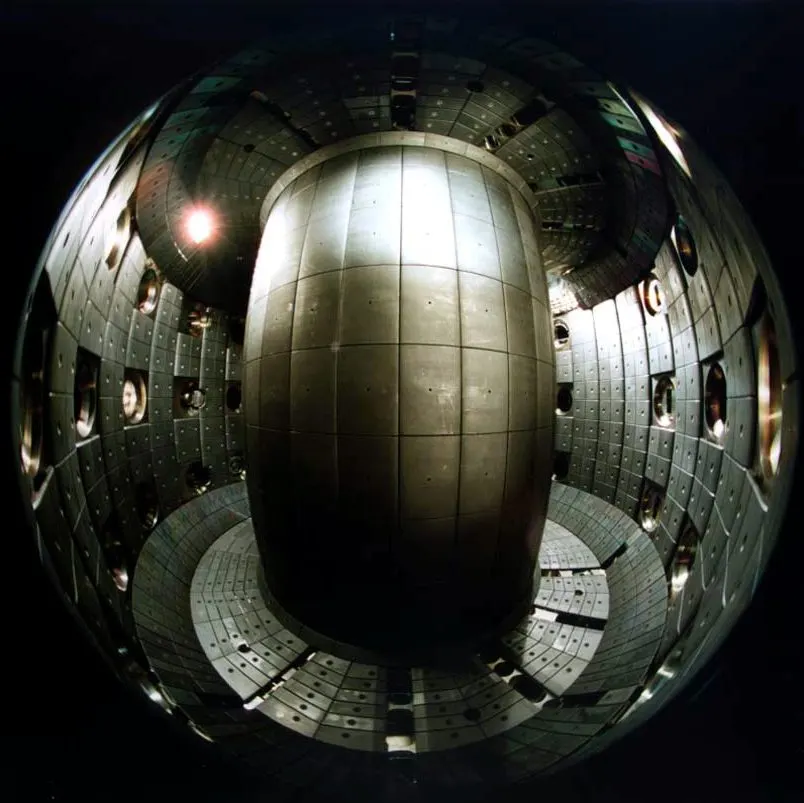
EPFL is built on a single slab of a campus by Lake Geneva, connected under one continuous roof, with the Rolex Learning Centre — a library with no interior walls, rolling across an undulating concrete floor — at its middle. The Blue Brain Project ran here for fifteen years attempting a digital reconstruction of cortical circuitry. Michael Grätzel's laboratory produced the dye-sensitised solar cell that carries his name, and the Swiss Plasma Center operates a working tokamak on campus that undergraduates can see running.
Teachers worth knowing
 1977–now
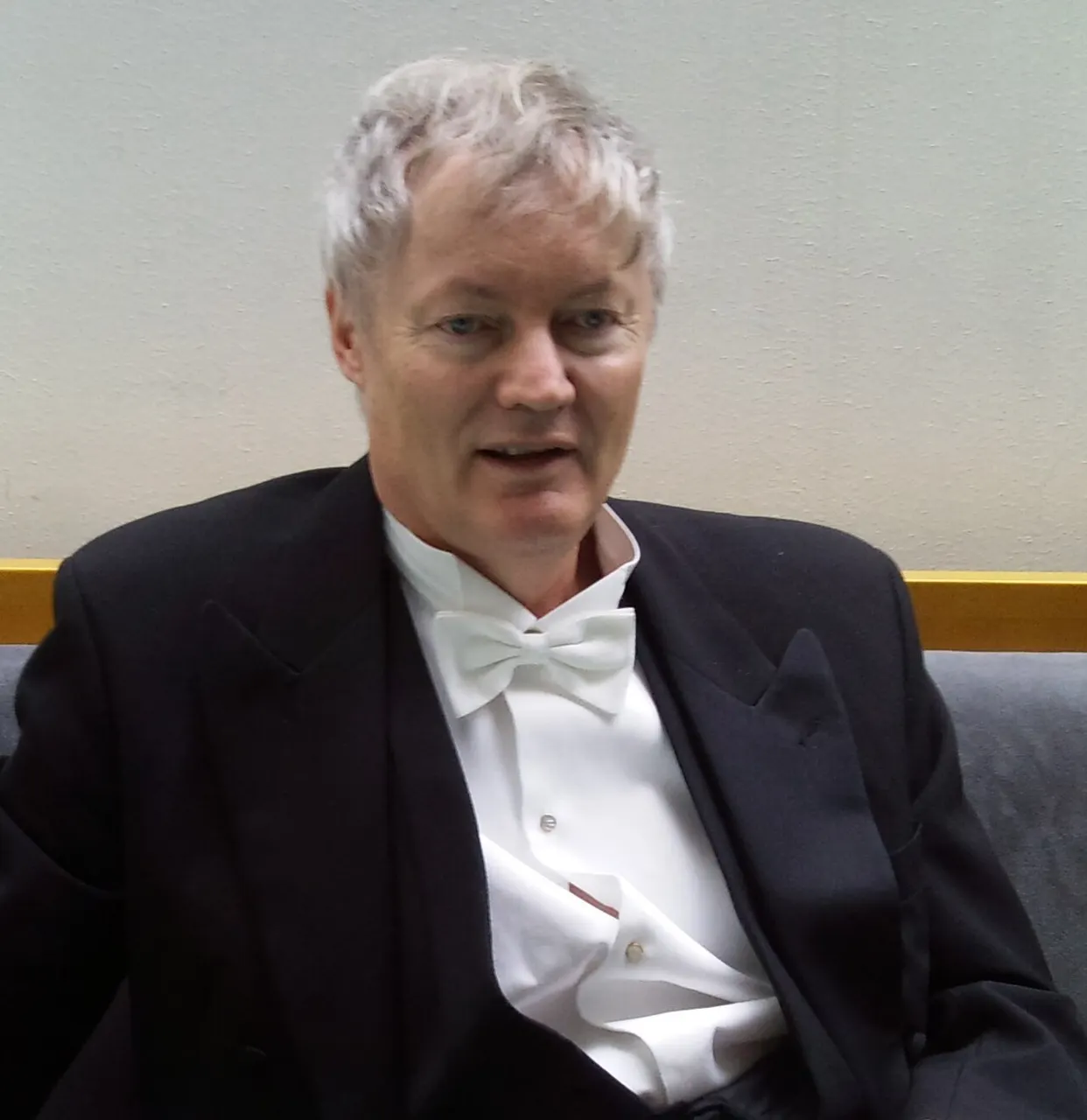
Michael Grätzel
Professor of Chemistry; Director of the Laboratory of Photonics and Interfaces
- Teaches
- Photochemistry and solar energy conversion · Perovskite photovoltaics
- Experience
- At EPFL since 1977; his papers have been cited over half a million times, an h-index above 300.
 2002–now
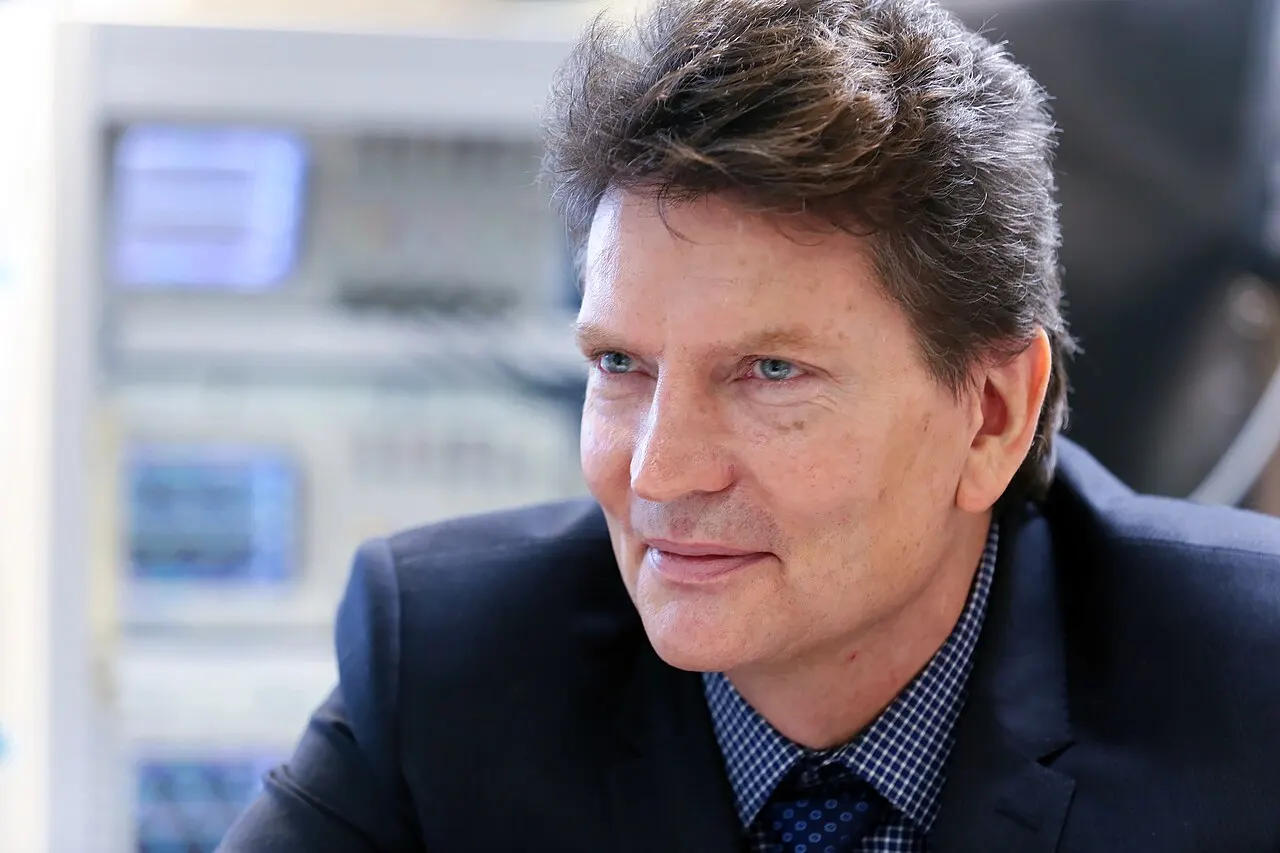
Henry Markram
Professor of Neuroscience; founder of the Blue Brain Project
- Teaches
- Computational neuroscience · Cortical microcircuitry
- Experience
- At EPFL since 2002 as founding director of the Brain Mind Institute; led the Blue Brain Project from 2005.
 2002–now
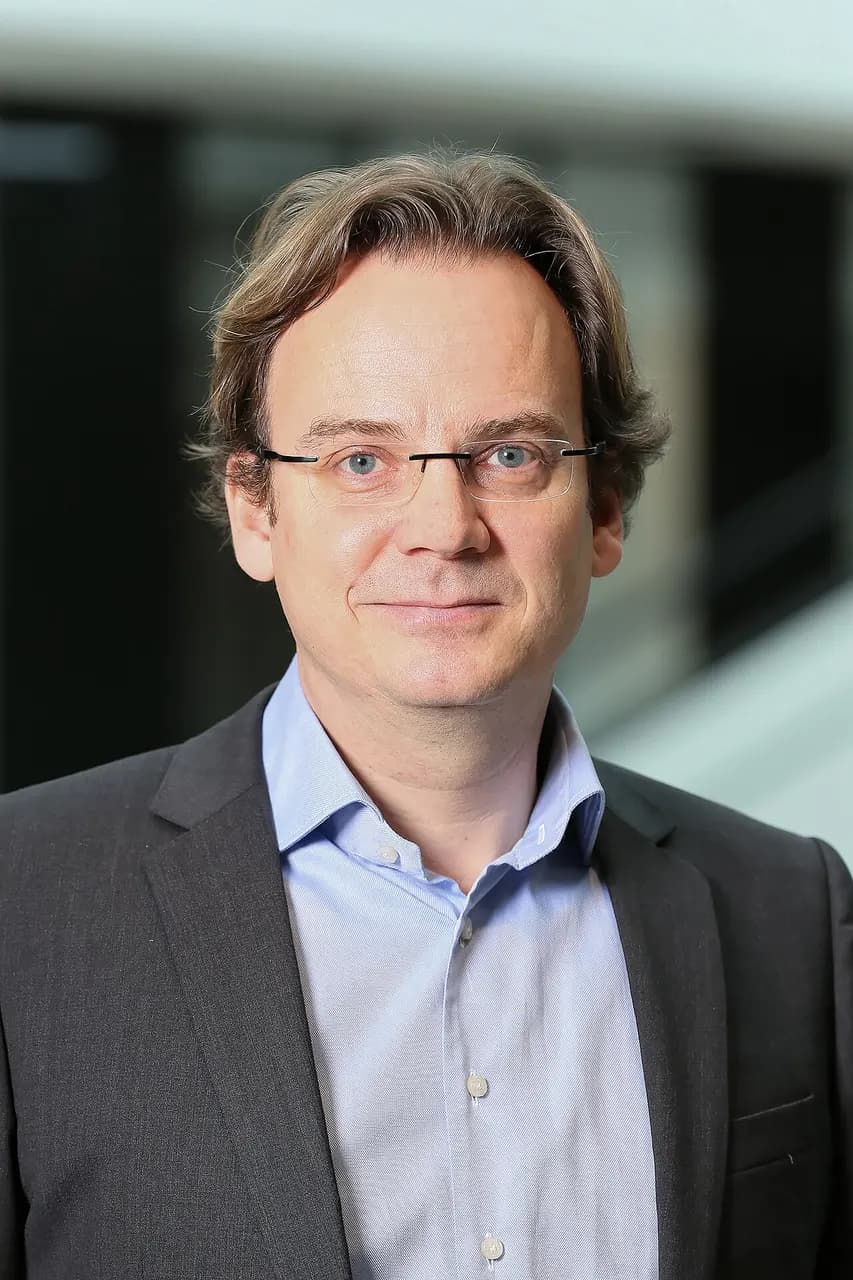
Auke Ijspeert
Professor of Bioengineering; head of the Biorobotics Laboratory
- Teaches
- Biorobotics and locomotion · Computational neuroscience of movement
- Experience
- Swiss National Science Foundation assistant professor from 2002, full professor since 2016.
The campus in photographs
Photographs come from Wikimedia Commons under free licences; the author and licence are shown on each image.
People who studied or taught here
Reviews
No reviews yet. Visited, applied, or studied here? Be the first.