
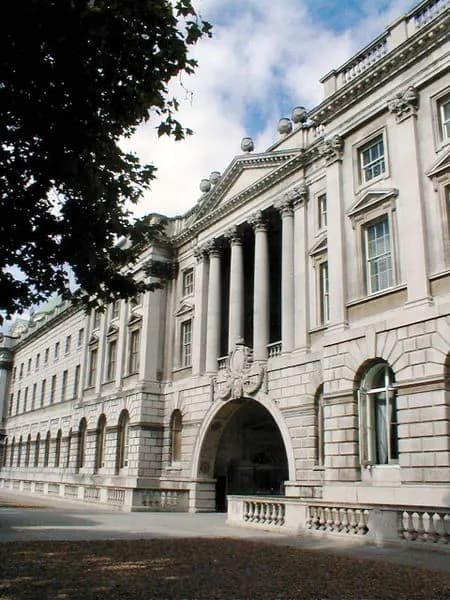
Photo: Flaming Ferrari (talk) · Public domain
United Kingdom · London
King's College London
Photo 51, Florence Nightingale and five campuses along the Thames in central London
- QS World Ranking 2026
- #31
- Founded
- 1829
- Students
- 41,000
- Bachelor's degree
- 3 years
- Acceptance rate
- ~43% offer rate
- Typical IB offer
- 34–38
- Language of instruction
- English
Worth knowing
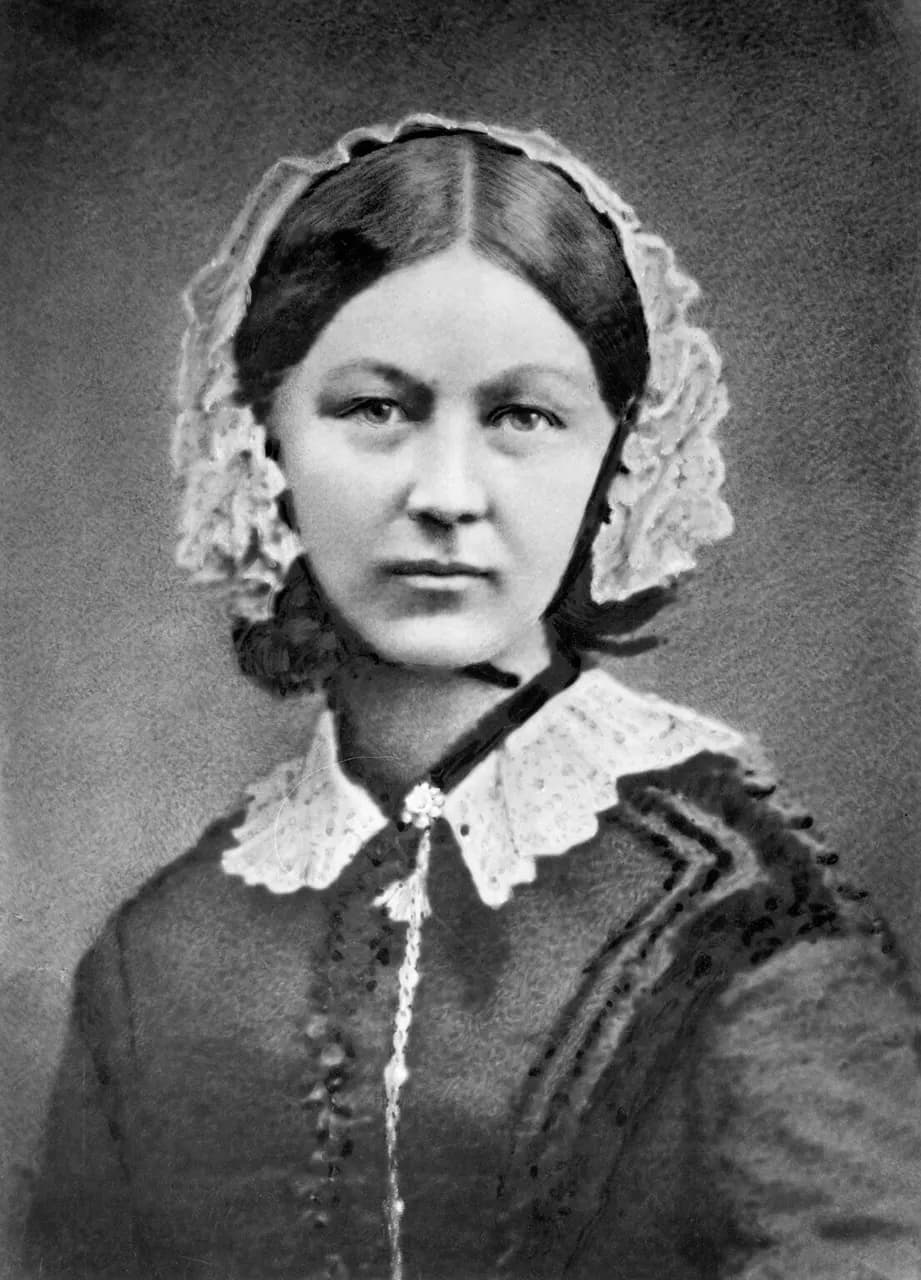
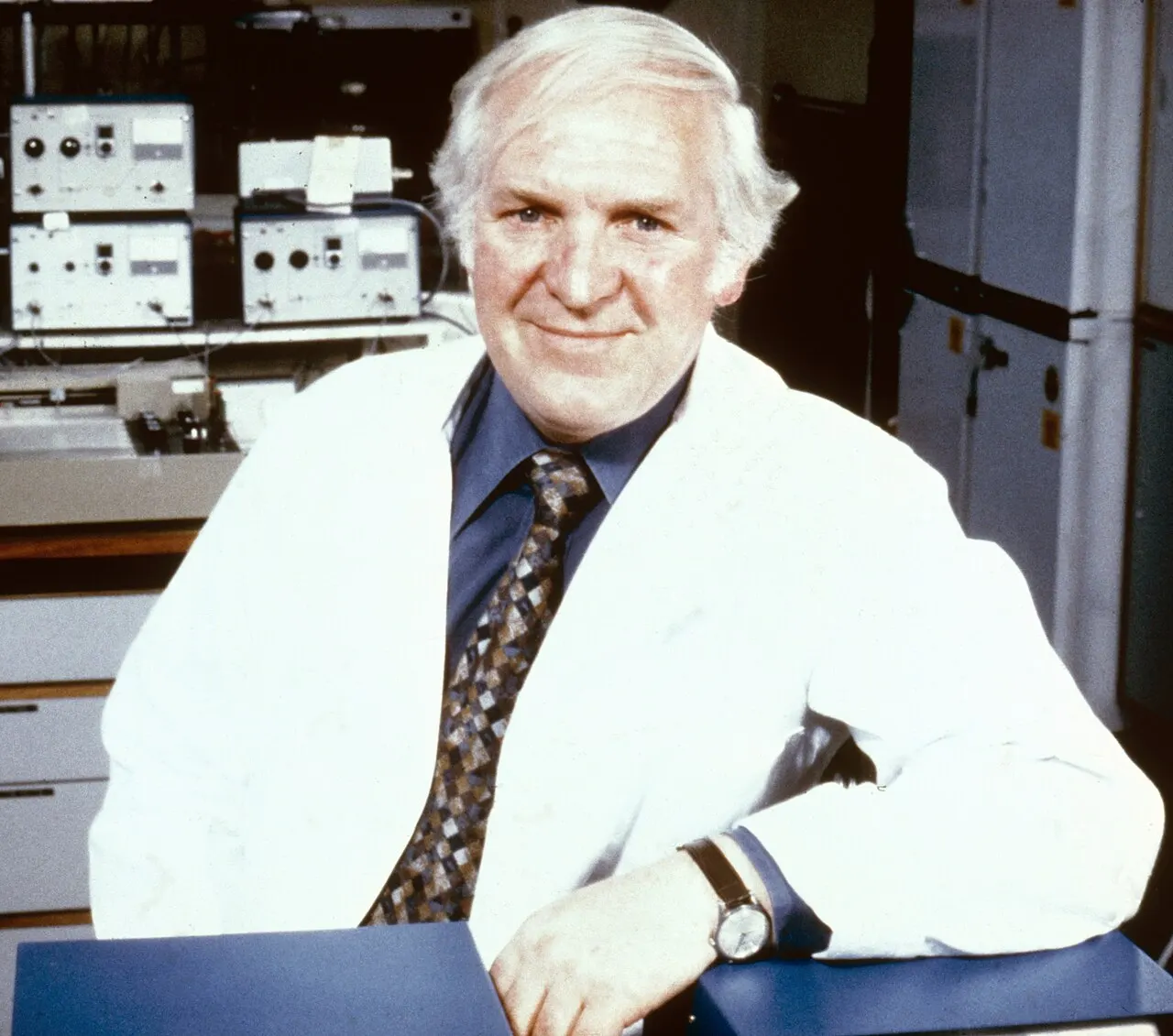
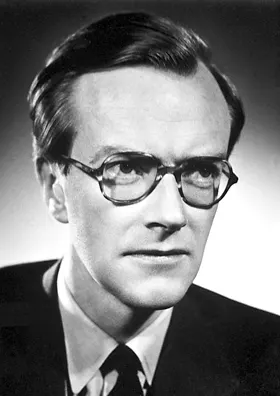
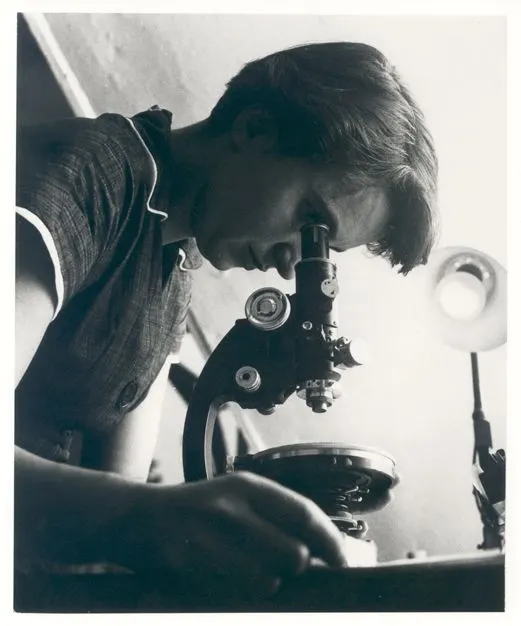
Photo 51, the X-ray diffraction image that revealed the double helix of DNA, was taken at King's in May 1952 by Raymond Gosling under Rosalind Franklin; Maurice Wilkins of King's shared the 1962 Nobel Prize with Watson and Crick. Eight years earlier, in 1860, Florence Nightingale had opened the world's first professional nursing school at St Thomas' Hospital, which today is King's Florence Nightingale Faculty of Nursing.
How hard is it to get in, and why
In 2024 King's made offers to 43% of UK-based applicants, but the average hides extremes. Arts and Humanities made offers to about 75%, while the Dickson Poon School of Law offered 12% (and requires the LNAT), the Business School 19% and Dentistry 9%. Medicine draws around 5,500 applications for roughly 410 places, uses the UCAT for shortlisting and interviews everyone it admits; overseas medical applicants cannot defer. Elsewhere there are no interviews and the typical IB of 34–38 with the right Higher Level subjects is the main hurdle.
What it costs
Tuition
$37k–77k per year
2026 entry: about £27,100 for classroom-based courses (History, Law, Politics), roughly £40,000 for laboratory and computing courses (Computer Science is £42,900 for 2027 entry), £56,800 for Medicine. Fees rise every year of the degree; a £2,000 deposit (£5,000 for Medicine and Dentistry) is due on accepting an offer.
Living costs
$18k–30k per year
Scholarships and financial aid
Be realistic: King's has no large scholarship scheme for international undergraduates, and the overwhelming majority pay the full fee. What exists is a scatter of small departmental awards found through the King's funding database (for example, three £6,000 tuition discounts for overseas applicants to English Language and Linguistics in 2025), Sanctuary scholarships for displaced students, and hardship funds for those already enrolled. Students from the United States can use federal loans.
How to apply
Apply through UCAS: 13 January 2027 for most courses, 15 October 2026 for Medicine and Dentistry (2027 entry). The three-question personal statement, predicted IB grades and a reference go to every course; King's also checks GCSE-level English and Mathematics, which IB Middle Years or Standard Level results cover. Law requires the LNAT, sat between September and January; Medicine requires the UCAT in the year of application, shortlists on the UCAT score and interviews before offering, and does not allow international applicants to defer. Typical IB offers run from 34–35 for many social sciences to 36 for History and 38 with 6 in HL Biology and Chemistry for Medicine. A £2,000 deposit (£5,000 for Medicine and Dentistry) secures the place once you firmly accept.
Official websiteWhat makes it special
- Founded in 1829 by King George IV and the Duke of Wellington, the fourth-oldest university in England. Five campuses: the Strand next to Somerset House and Covent Garden, Waterloo on the South Bank, Guy's beneath the Shard at London Bridge, St Thomas' opposite Parliament, and Denmark Hill in south London.
- Medicine and health are the core: GKT School of Medical Education is one of the largest in Europe and trains in Guy's, St Thomas' and King's College Hospital; Dentistry ranks in the world top five; the Institute of Psychiatry, Psychology and Neuroscience is Europe's largest centre for mental health research.
- The Department of War Studies is unique in the UK and feeds the Foreign Office, think tanks and the press; the Dickson Poon School of Law and King's Business School are among the most competitive in London.
- The Maughan Library on Chancery Lane is a neo-Gothic former Public Record Office with a round reading room; the Strand campus is a ten-minute walk from the West End, the National Gallery and the Royal Courts of Justice.
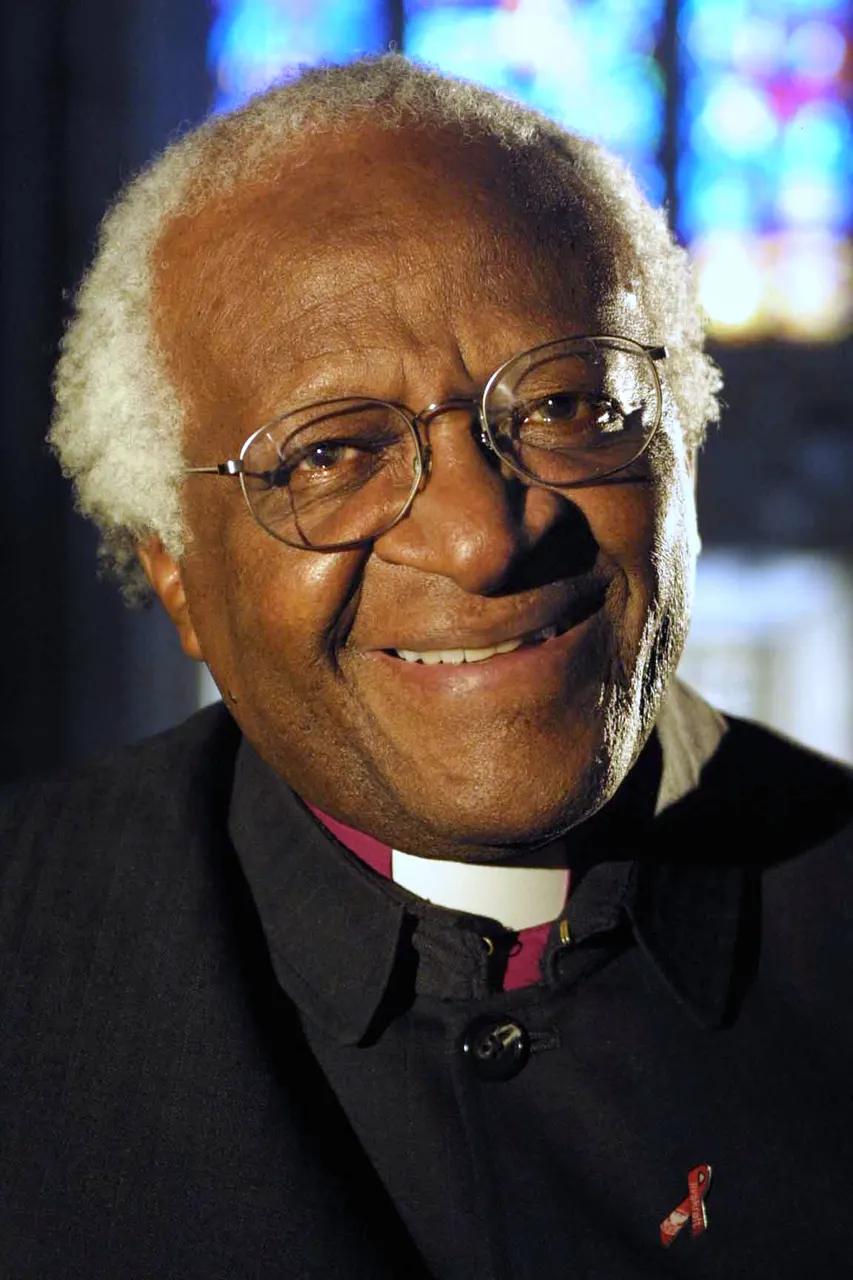
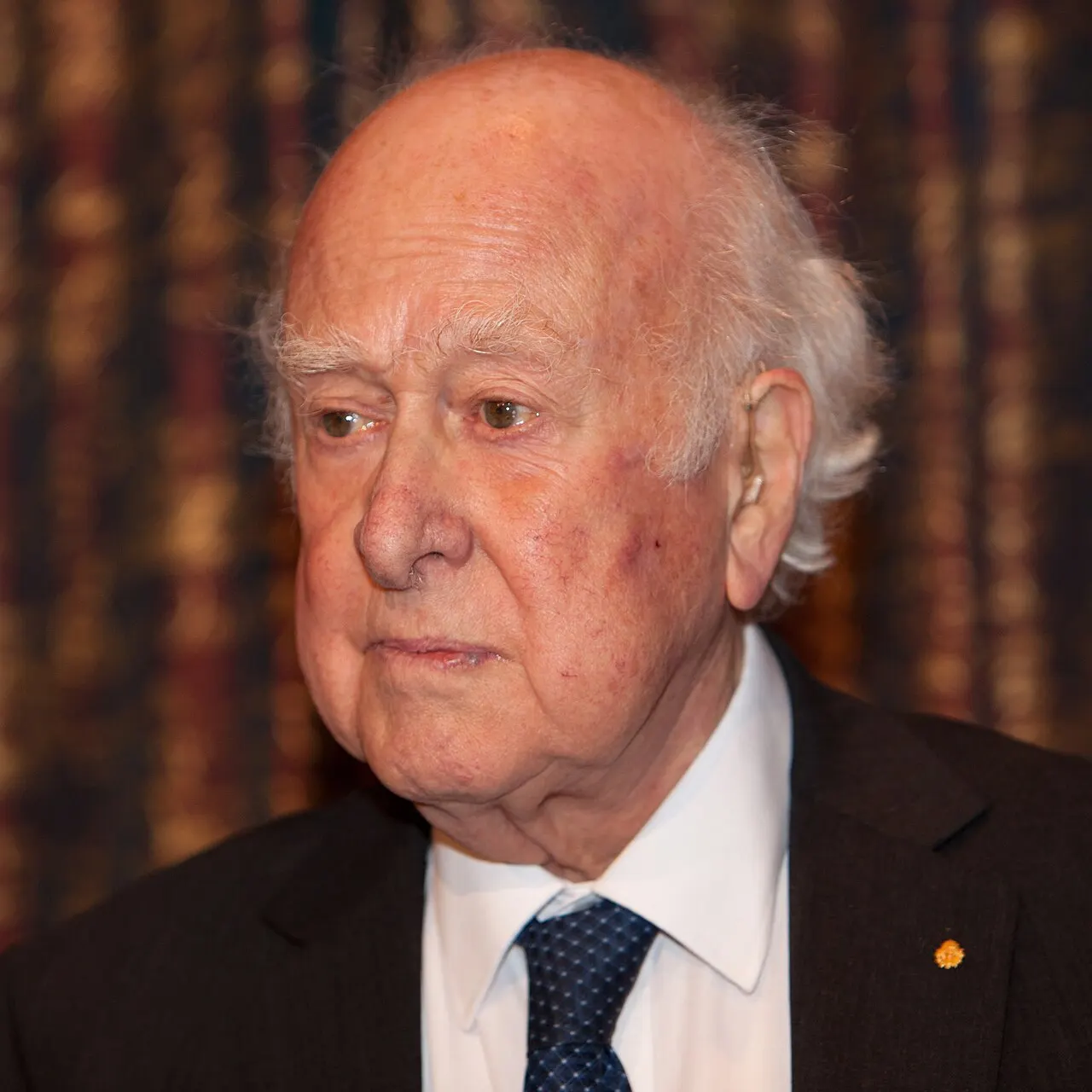
- Fourteen Nobel laureates, among them Peter Higgs (BSc and PhD here before Edinburgh) and Desmond Tutu; John Keats, Thomas Hardy and Virginia Woolf also studied at King's. About 40% of students come from more than 150 countries, and the university estimates London living costs at £1,770 a month.
About studying in United Kingdom
Three-year degrees in England (four in Scotland), and you apply for one subject rather than for a university in general. UCAS allows five choices, only one of which can be Oxford or Cambridge, with a 15 October deadline for those two and for medicine. Oxbridge adds admissions tests and interviews; IB offers at the top range from 38 to 42. International fees run from about £25,000 to £45,000 a year, need-based aid is scarce, and graduates can stay on to work for a limited period under the Graduate visa.
Teaching staff
Who runs the university, who teaches, and how lessons actually work.
- Academic staff
- ~6 350
- Students
- ~40 900
- Faculties
- 9
King's is large and medically weighted: some 6,350 academic staff for about 40,900 students, with roughly a third of the student body in postgraduate study. The president and principal, a psychiatrist by training, leads nine faculties, each with a dean — Arts and Humanities; Business; Dentistry; Law; Life Sciences and Medicine; Natural, Mathematical and Engineering Sciences; Nursing, Midwifery and Palliative Care; Psychiatry, Psychology and Neuroscience; and Social Science and Public Policy. The Institute of Psychiatry, Psychology and Neuroscience is the largest centre of mental health research in Europe.
Lecture courses are paired with seminars and, in the sciences, with laboratory sessions across five London campuses — Strand, Guy's, St Thomas', Waterloo and Denmark Hill. Medical students at the GKT School of Medical Education move onto hospital wards from the first year and by the clinical years spend most of the week in teaching hospitals rather than lecture rooms. Every undergraduate has a personal tutor, and the King's Undergraduate Research Fellowships fund summer placements in research groups. Assessment runs on written examinations plus essays and, in medicine and dentistry, clinical objective structured examinations where students are marked on actual patient encounters.
What is distinctive at King's tends to be tied to its address. The Department of War Studies, founded in 1962 and the only one of its kind in the world, teaches strategy a few hundred metres from Whitehall and supplies commentators to every British conflict debate. Rosalind Franklin's X-ray work on DNA was done in the Strand building, and Photo 51 was taken there. The Florence Nightingale Faculty of Nursing is the oldest professional nursing school anywhere, founded in 1860, and still trains nurses on the site where she established it.
Teachers worth knowing
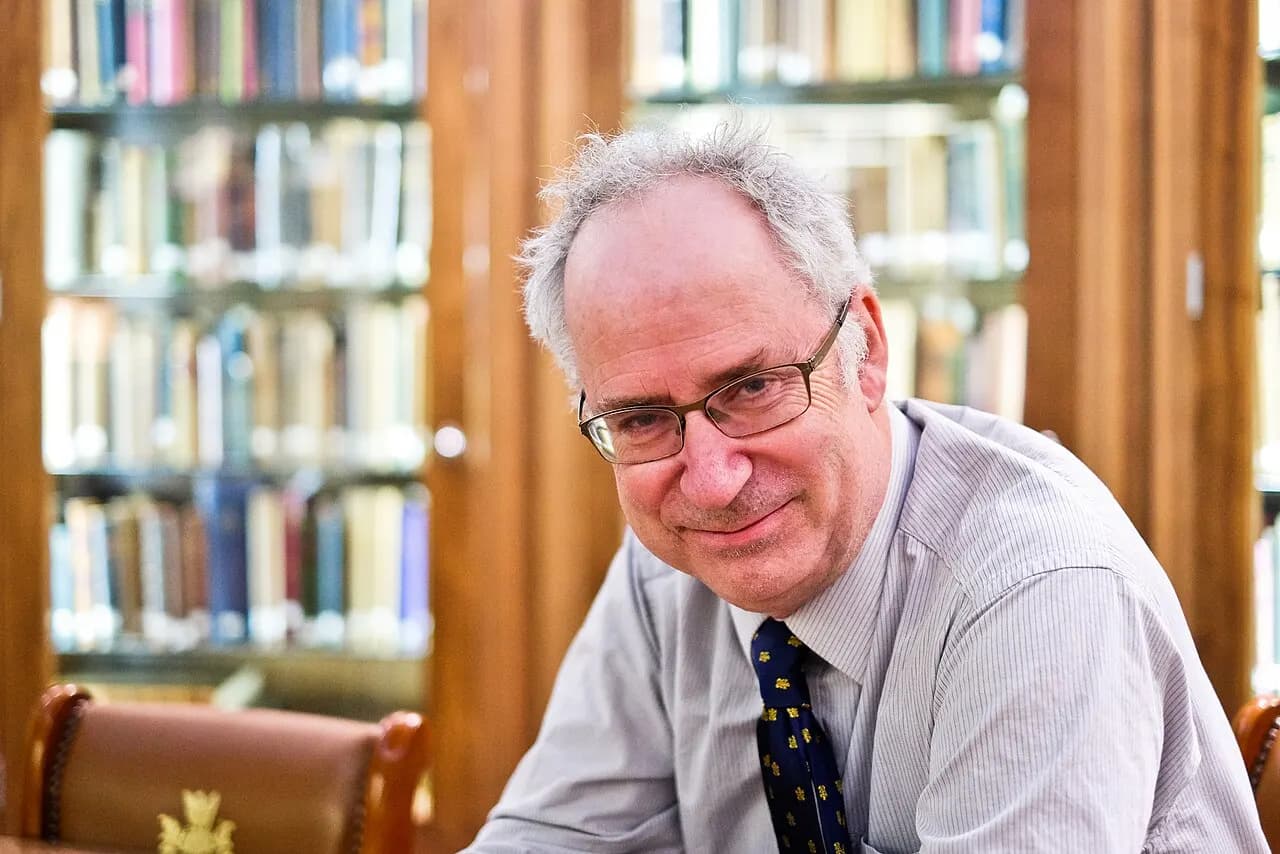 1991–now
Simon Wessely
Regius Professor of Psychiatry, Institute of Psychiatry, Psychology and Neuroscience
- Teaches
- Military health and psychiatry · Medically unexplained syndromes
- Experience
- Britain's first Regius Professor of Psychiatry, appointed in 2018; directs the King's Centre for Military Health Research.
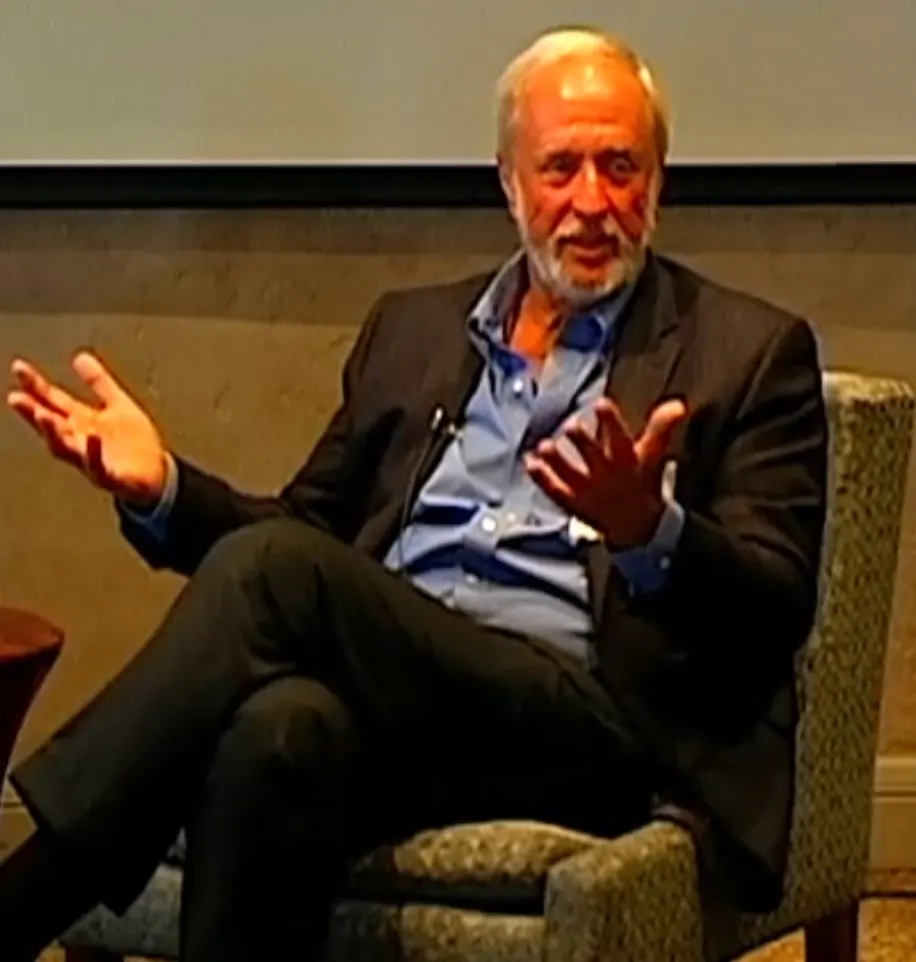 1994–now
Robert Plomin
Research Professor, Social, Genetic and Developmental Psychiatry Centre
- Teaches
- Behavioural genetics · Development of cognitive ability
- Experience
- At King's since 1994; runs the Twins Early Development Study, which has followed more than 15,000 twin pairs for thirty years.
- V2004–now
Vivienne Jabri
Professor of International Politics, Department of War Studies
- Teaches
- International political theory · Postcolonial studies and conflict
- Experience
- Teaches in the world's only dedicated Department of War Studies; former director of its Centre for International Relations.
The campus in photographs
Photographs come from Wikimedia Commons under free licences; the author and licence are shown on each image.
People who studied or taught here
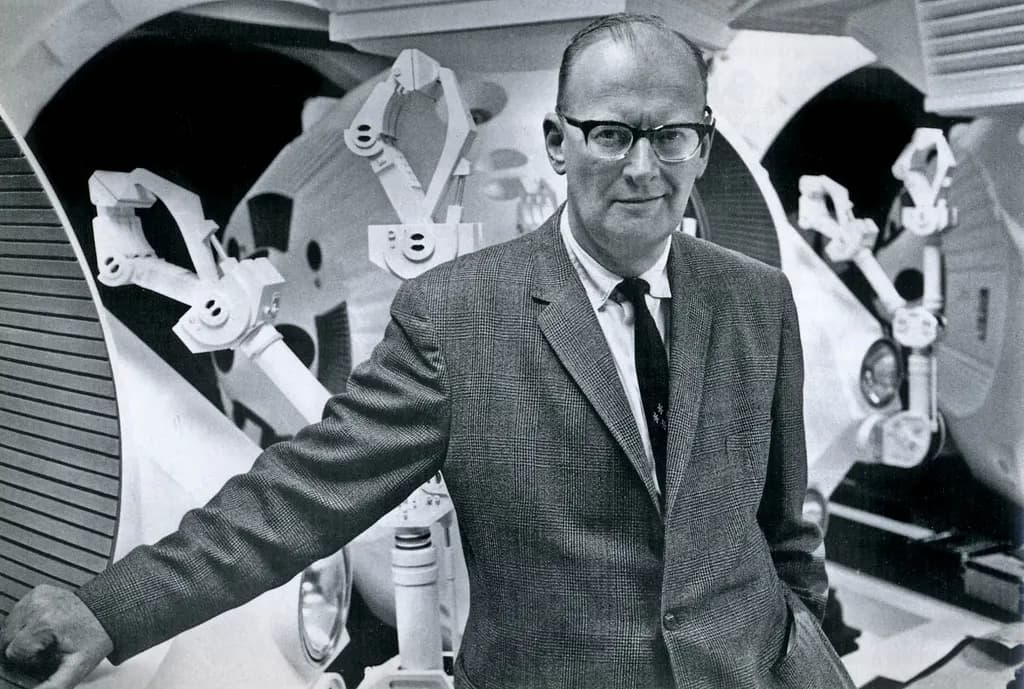
 Florence Nightingale
Founder of modern nursing and pioneer of medical statistics
Professor · 1860–1910
 Maurice Wilkins
Biophysicist, Nobel Prize in Medicine 1962 for the structure of DNA
Professor · 1946–1981
Reviews
No reviews yet. Visited, applied, or studied here? Be the first.