
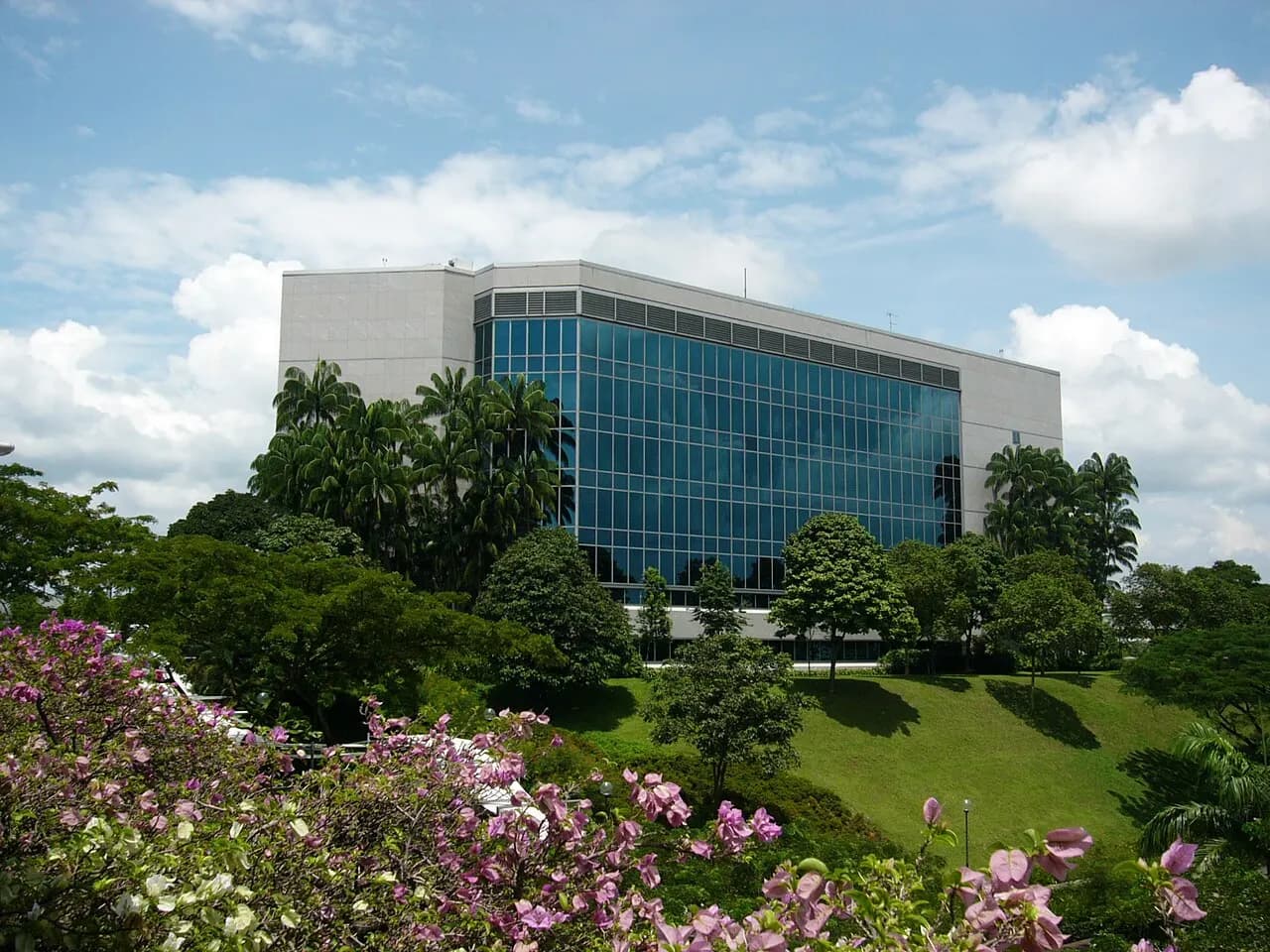
Photo: Singaporean · Copyrighted free use
Singapore · Singapore, Jurong West
Nanyang Technological University
A tropical garden campus built around engineering, computing and design
- QS World Ranking 2026
- #12
- Founded
- 1991
- Students
- 33,000
- Bachelor's degree
- 4 years
- Acceptance rate
- Roughly 5–10% for international applicants
- Typical IB offer
- 36–41 points; computer science and business at the top of that range
- Language of instruction
- English
Worth knowing
The main teaching building is called The Hive, and it looks like a stack of dim sum baskets: twelve towers of tilted, corridor-free classrooms arranged around an open atrium, with no room having a front or a back. The campus is a 200-hectare garden where long-tailed macaques are a normal part of the walk to class.
How hard is it to get in, and why
The same national cap on international places applies as at NUS, and NTU's engineering and computing programmes attract enormous numbers of applications from across the region. Admission is score-driven, with published indicative IB bands per programme, and Higher Level mathematics and physics are effectively mandatory for engineering. Interviews and portfolios appear in medicine, design and the double-degree programmes. Applicants who miss the band by a point or two are rarely rescued by anything else in the file.
What it costs
Tuition
$18k–40k per year
Unsubsidised international fees for AY2025/26 run from about S$38,000 to S$54,000 a year depending on the programme; the MOE Tuition Grant reduces this to roughly S$19,000–25,000 in exchange for a three-year work bond in Singapore. Converted at about 0.74 dollars to the Singapore dollar.
Living costs
$11k–16k per year
Scholarships and financial aid
The Nanyang Scholarship and the ASEAN Undergraduate Scholarship cover tuition and living costs for a small number of exceptional international students. The College Scholarship and various donor-funded awards add partial support. As at NUS, the Tuition Grant does most of the work of making the degree affordable.
How to apply
Apply directly through NTU's admissions portal, which opens for the August intake in the autumn and closes around February or March for international applicants. Predicted IB results are enough to be considered, with final results confirming the offer. Some programmes, including medicine, art and design, and the double degrees, require interviews, portfolios or written tests in the spring. Choose whether to take the Tuition Grant when you accept.
Official websiteWhat makes it special
- Engineering here is one of the largest engineering colleges in the world by enrolment, with strong aerospace, materials and electrical programmes.
- The Lee Kong Chian School of Medicine is run jointly with Imperial College London, so the curriculum and some teaching come from both.
- Nearly all first and second-year students live on campus in halls with their own sports leagues and cultural nights, which makes arriving alone much easier.
- The sustainability agenda is unusually concrete: the campus runs one of Asia's largest clusters of green-certified buildings and its own energy research institute.
- Jurong is at the western edge of the island, about 45 minutes from the centre, so the campus feels like its own town rather than part of the city.
About studying in Singapore
Two hours from Phuket, English-speaking, and home to the two strongest universities in Asia. Degrees take four years. International students who accept the government's Tuition Grant pay roughly half the fee and commit to working in Singapore for three years after graduation. Competition for international places is intense: high IB scores, strong subject choices and, for some courses, interviews.
Teaching staff
Who runs the university, who teaches, and how lessons actually work.
- Faculty members
- ~1 590
- Colleges and schools
- 9
- Campus area
- 200 ha
NTU employs around 1,590 faculty members and teaches some 33,000 students, of whom roughly 25,000 are undergraduates. The faculty is strongly international — the university recruits globally and a large share of its professors hold foreign doctorates — and NTU has spent a decade among the most-cited universities in the world, particularly in materials science and engineering. The president and vice-chancellor since 2023 is Ho Teck Hua, a behavioural economist who was previously provost at NUS and a professor at Berkeley. Under him sit the College of Engineering, Nanyang Business School, the College of Science, the College of Computing and Data Science, the College of Humanities, Arts and Social Sciences, the Lee Kong Chian School of Medicine run jointly with Imperial College London, the National Institute of Education and the S. Rajaratnam School of International Studies.
Most undergraduate courses combine a lecture with tutorials, laboratory sessions and project-based assessment, all in English. NTU pushed the flipped classroom harder than most universities: the lecture is recorded and watched beforehand, and the timetabled hour is used for problem-solving in groups, which is why so many of the teaching rooms have no front wall and no lectern. Grading is moderated on a curve as it is at NUS. Undergraduates reach research early through URECA, the Undergraduate Research Experience on Campus scheme, which pairs a student with a supervisor for a year-long project from the second year, and every engineering degree ends with a capstone of independent design or research.
The teaching building everyone photographs is The Hive: twelve tilted towers of corridor-free tutorial rooms around an open atrium, which looks like a stack of dim sum baskets and has no room with a front or a back. The 200-hectare Yunnan Garden campus is a working piece of tropical landscape where long-tailed macaques are a normal part of the walk to class, and the Renaissance Engineering Programme is NTU's flagship four-and-a-half-year double degree combining engineering with business and a compulsory year overseas. The university also runs the National Institute of Education, which trains every schoolteacher in Singapore, so an NTU campus houses both a robotics laboratory and the country's entire teacher pipeline.
Teachers worth knowing
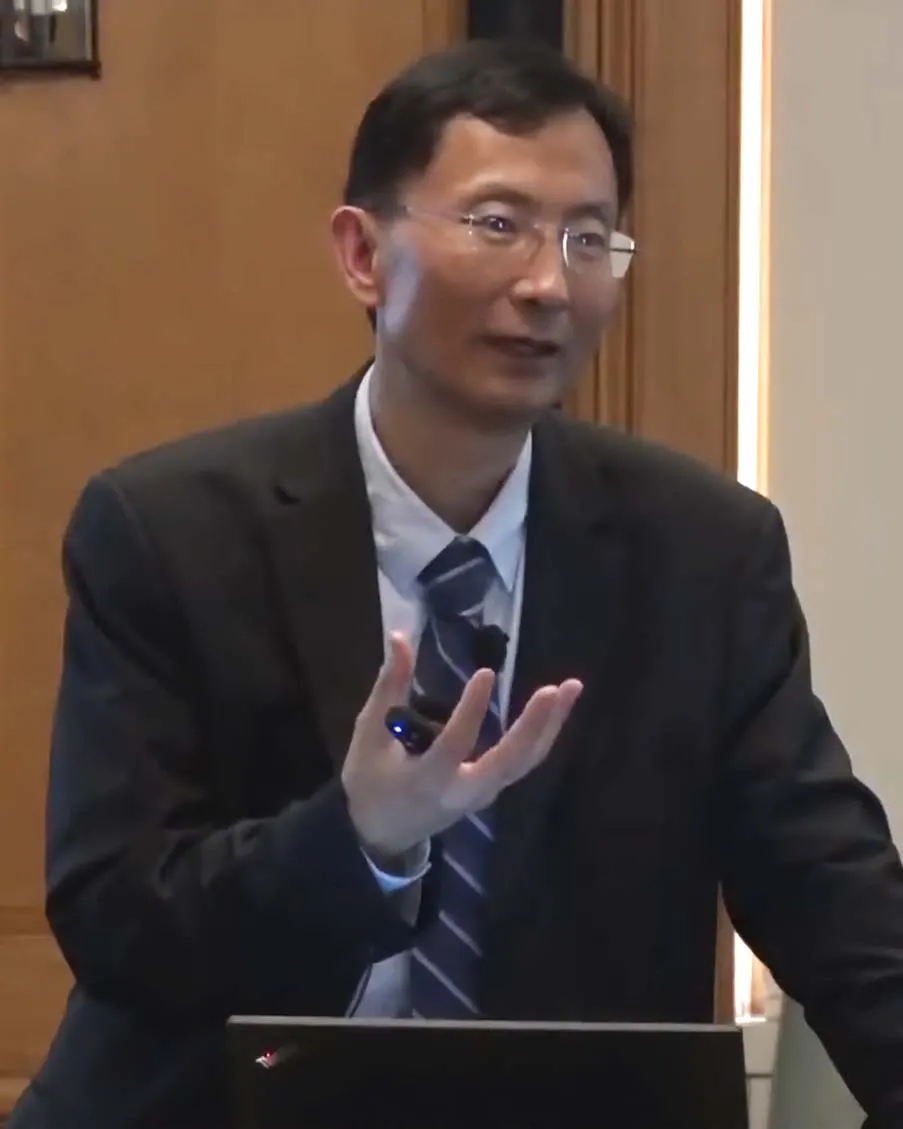 2019–now
Huajian Gao
Distinguished University Professor, School of Mechanical and Aerospace Engineering
- Teaches
- Solid mechanics and nanomechanics · Mechanics of biological materials
- Experience
- Distinguished University Professor at NTU since 2019, after nearly two decades at Brown University and the Max Planck Institute for Metals Research.
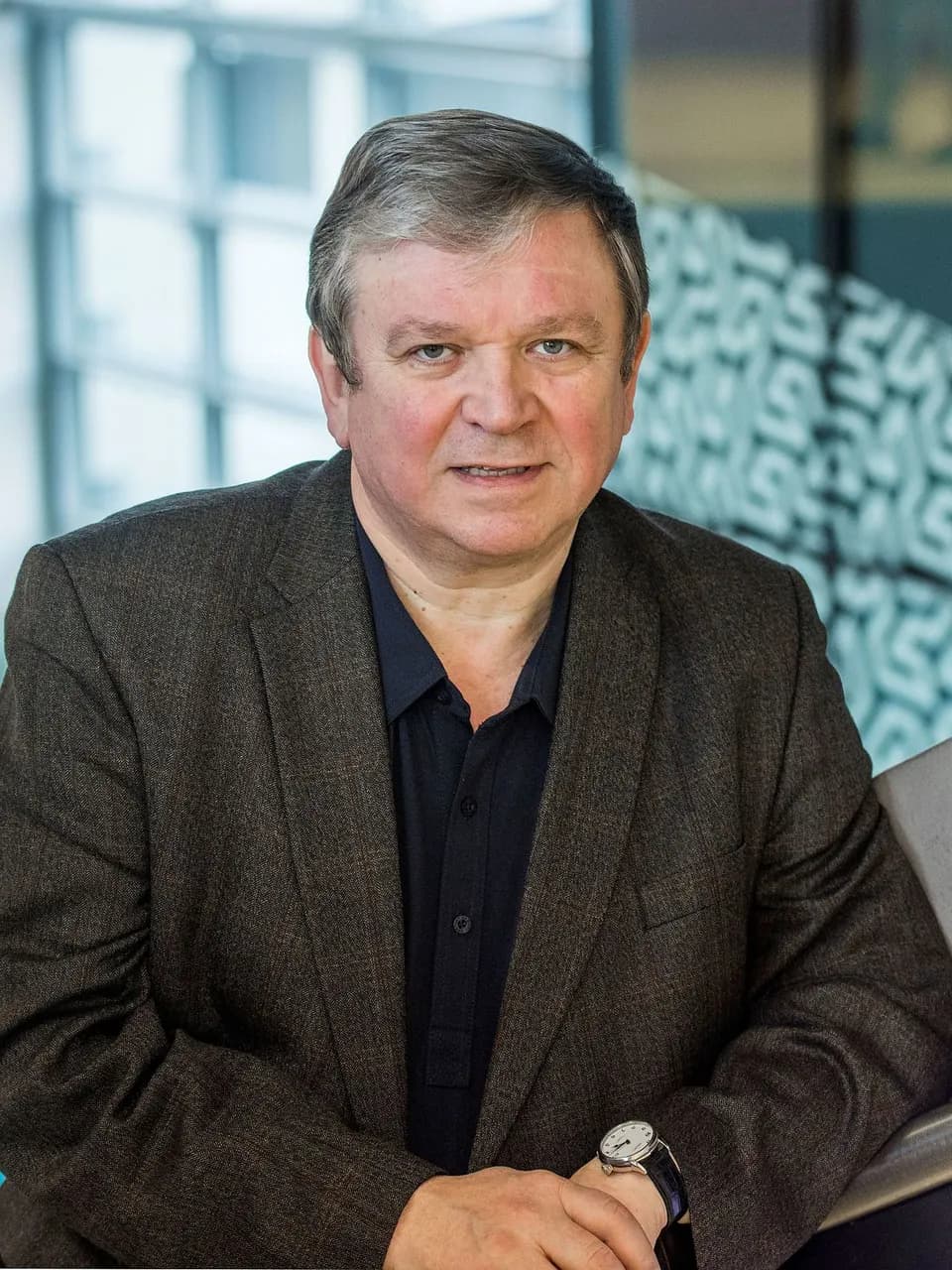 2012–2024
Nikolay Zheludev
President's Professor of Physics; co-director of The Photonics Institute
- Teaches
- Nanophotonics and metamaterials · Nonlinear optics
- Experience
- President's Professor of Physics at NTU from 2012 to 2024 and founding director of the Centre for Disruptive Photonic Technologies; now a Distinguished Fellow of the Institute of Advanced Studies there.
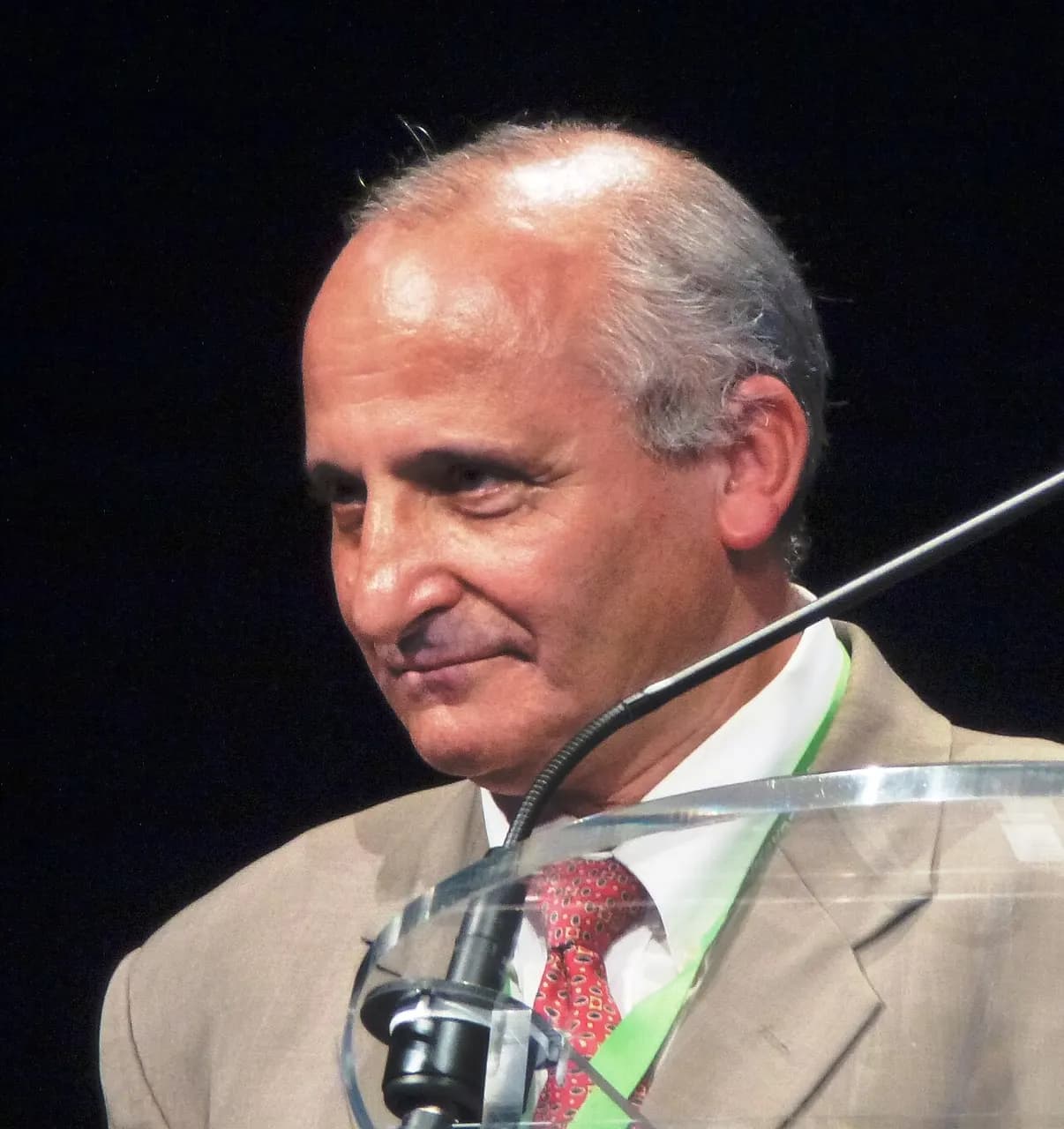 2010–2018
Rachid Yazami
Cheng Tsang Man Chair Professor in Energy, School of Materials Science and Engineering
- Teaches
- Battery materials and electrochemistry · Energy storage
- Experience
- Nanyang Visiting Professor from 2010, then Cheng Tsang Man Chair Professor in Energy until 2017–18; shared the Draper Prize in 2014.
The campus in photographs
Photographs come from Wikimedia Commons under free licences; the author and licence are shown on each image.
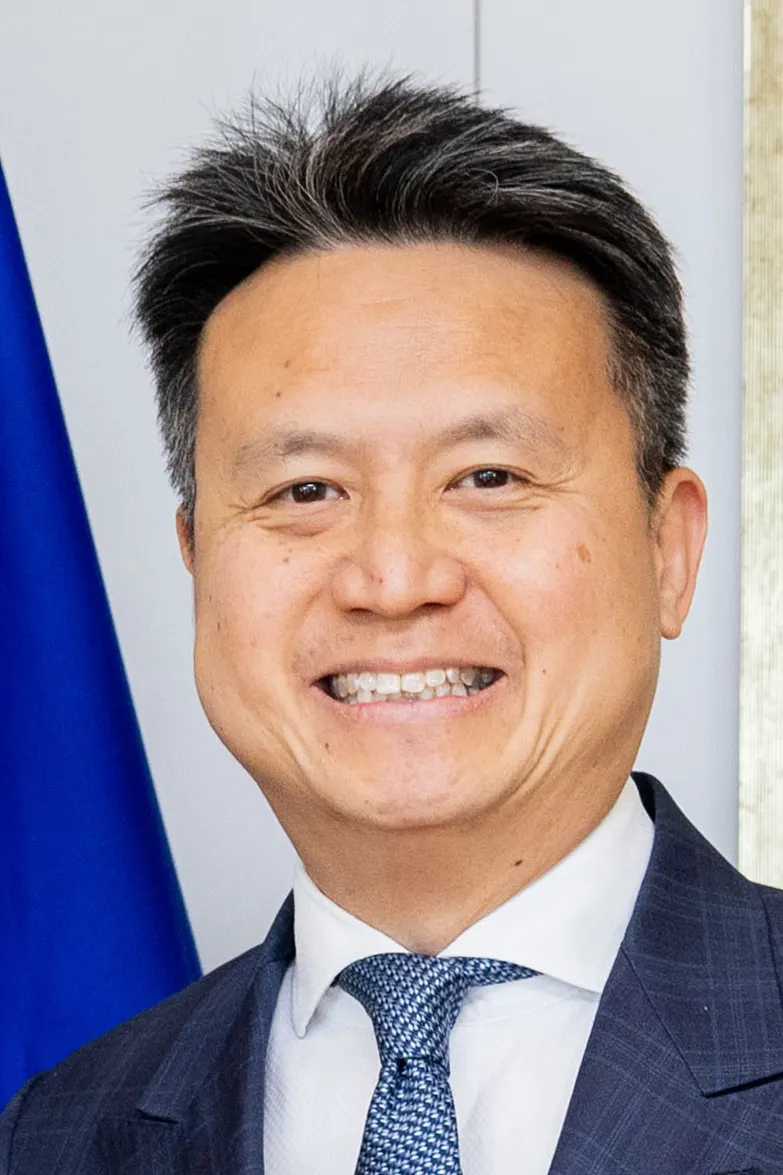
People who studied or taught here

Reviews
No reviews yet. Visited, applied, or studied here? Be the first.