
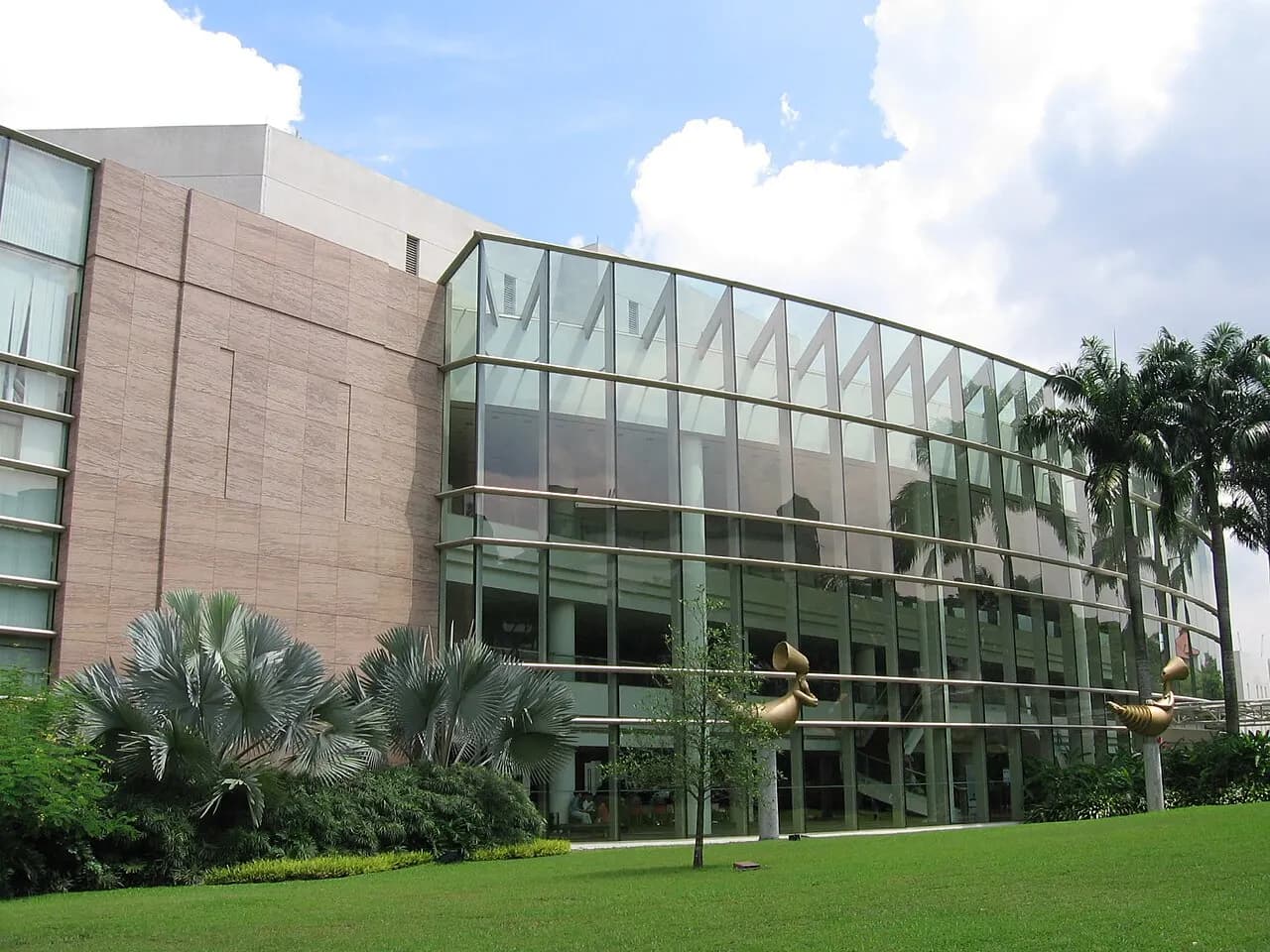
Photo: User:Sengkang · Copyrighted free use
Singapore · Singapore, Kent Ridge
National University of Singapore
Asia's strongest university, taught in English, two hours' flight from Phuket
- QS World Ranking 2026
- #8
- Founded
- 1905
- Students
- 44,000
- Bachelor's degree
- 4 years
- Acceptance rate
- Roughly 5–10% for international applicants; computing and medicine are tighter
- Typical IB offer
- 38–42 points; computing, business and medicine typically 42+
- Language of instruction
- English
Worth knowing
The Kent Ridge campus is so large that it runs its own free internal bus network with several colour-coded routes, and students genuinely plan their day around the timetable. Singapore has banned the sale of chewing gum since 1992, which is part of why the campus and the city are startlingly clean.
How hard is it to get in, and why
Singapore caps the share of places that go to international students, so you are competing for a small slice against strong applicants from across Asia. Selection is almost entirely academic: your IB score, the specific Higher Level subjects and how they match the course. Computing, business and law add written tests or interviews, and medicine and dentistry run a multi-station interview that few international candidates reach. There is no essay-driven route in, so a good story cannot compensate for a score below the band.
What it costs
Tuition
$19k–74k per year
For AY2025/26 international students pay roughly S$40,000–48,000 a year at the unsubsidised rate for most courses. Accepting the MOE Tuition Grant cuts this to about S$20,000–25,000 but commits you to working for a Singapore-registered company for three years after graduation. Medicine and dentistry cost far more. Converted at about 0.74 dollars to the Singapore dollar.
Living costs
$11k–16k per year
Scholarships and financial aid
The ASEAN Undergraduate Scholarship and the Science and Technology Undergraduate Scholarship cover tuition and a living allowance for outstanding international students, and both are highly competitive. The Global Merit Scholarship adds a smaller number of awards. Most international students rely on the Tuition Grant rather than a scholarship.
How to apply
Apply directly through the NUS online portal; international applications for the August intake usually open in October and close in February or March. You submit IB predicted or final results, a short list of course choices in order of preference, and any portfolio or test the course demands. Shortlisted candidates for medicine, dentistry, law, business and some computing tracks are interviewed or sit written tests between January and April. Decide on the Tuition Grant at the offer stage, since it changes both the price and your obligations.
Official websiteWhat makes it special
- Residential colleges such as Tembusu and the College of Alice and Peter Tan combine housing with their own seminar programmes, so you live and study with the same group.
- The NUS Overseas Colleges programme sends students to work in start-ups in Silicon Valley, Shenzhen, Stockholm or Tel Aviv while taking entrepreneurship classes.
- Computer science here is ranked among the world's top ten, and the competitive programming teams regularly reach the ICPC world finals.
- Graduates are among the most employable in the world, and Singapore's post-study work pass keeps most of them in the city if they want to stay.
- The climate and food are familiar to anyone living in Thailand, and flights home take two hours, which matters more than prospectuses admit.
About studying in Singapore
Two hours from Phuket, English-speaking, and home to the two strongest universities in Asia. Degrees take four years. International students who accept the government's Tuition Grant pay roughly half the fee and commit to working in Singapore for three years after graduation. Competition for international places is intense: high IB scores, strong subject choices and, for some courses, interviews.
Teaching staff
Who runs the university, who teaches, and how lessons actually work.
- Academic staff
- ~2 600
- Faculties and schools
- 17
- Language of instruction
- English
NUS has roughly 2,600 academic staff teaching some 44,000 students, and the university keeps the undergraduate ratio near seventeen to one by running most teaching in small tutorial groups rather than lectures alone. More than half of the faculty were recruited from outside Singapore, which is deliberate policy: the university hires on the international market and pays accordingly. The president — the mathematician Tan Eng Chye, who was provost before taking the post in 2018 — presides over seventeen faculties and schools, each under a dean, including Computing, Law, Business, Design and Engineering, Humanities and Sciences, the Yong Loo Lin School of Medicine, the Duke–NUS Medical School and the Lee Kuan Yew School of Public Policy.
The teaching system is a hybrid by design: British-style tutorials of ten to fifteen students paired with an American modular credit system, so a student takes five or six courses a semester and each is graded continuously through assignments, midterms and a final. Everything is taught in English. The bell curve is a real feature of NUS grading — most modules are moderated so that only a fixed share of the class receives an A — which makes the competition visible in a way it is not at many European universities. First-year students may declare up to a certain number of modules as satisfactory/unsatisfactory to soften the transition. Undergraduate research runs through the UROP scheme and the final-year project, and the strongest students take a fourth honours year built around a dissertation.
NUS is built around residential colleges rather than dormitories: Tembusu, Cinnamon, the College of Alice and Peter Tan and others each run their own seminar programmes, so students eat, live and argue with people from other faculties. NUS College, which absorbed the former University Scholars Programme in 2022, is the honours college, admitting a few hundred students a year into an interdisciplinary curriculum with service-learning trips across Southeast Asia. The Kent Ridge campus is large enough to need its own free internal bus network with colour-coded routes, and the NUS Overseas Colleges programme sends undergraduates to work in start-ups in Silicon Valley, Shenzhen, Tel Aviv and elsewhere for up to a year while taking entrepreneurship courses at a local partner university.
Teachers worth knowing
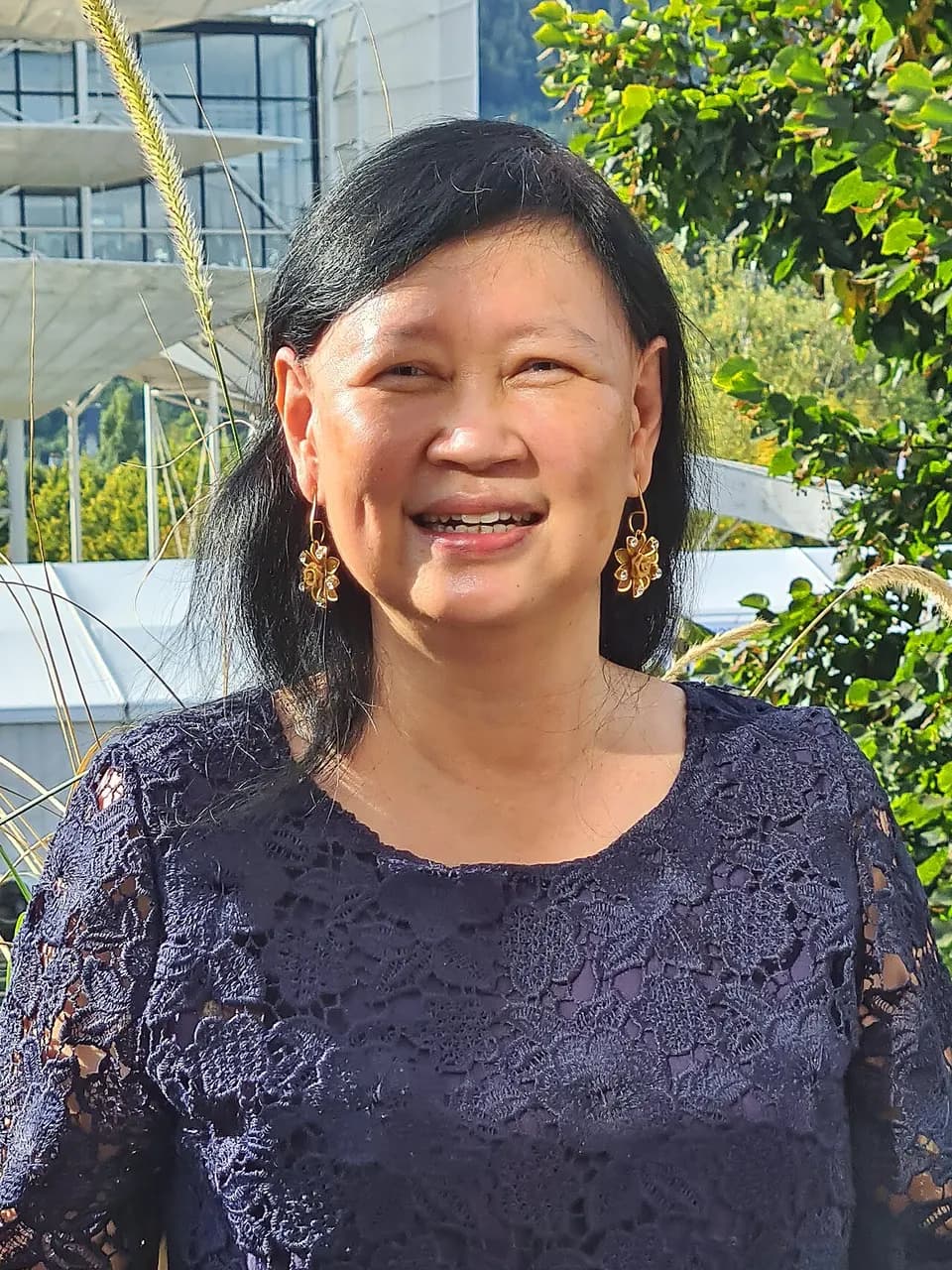 1987–now
Brenda Yeoh
Raffles Professor of Social Sciences, Department of Geography
- Teaches
- Migration and transnationalism · Urban and social geography
- Experience
- At NUS since 1987, full professor from 2005 and dean of the Faculty of Arts and Social Sciences in 2010–2016.
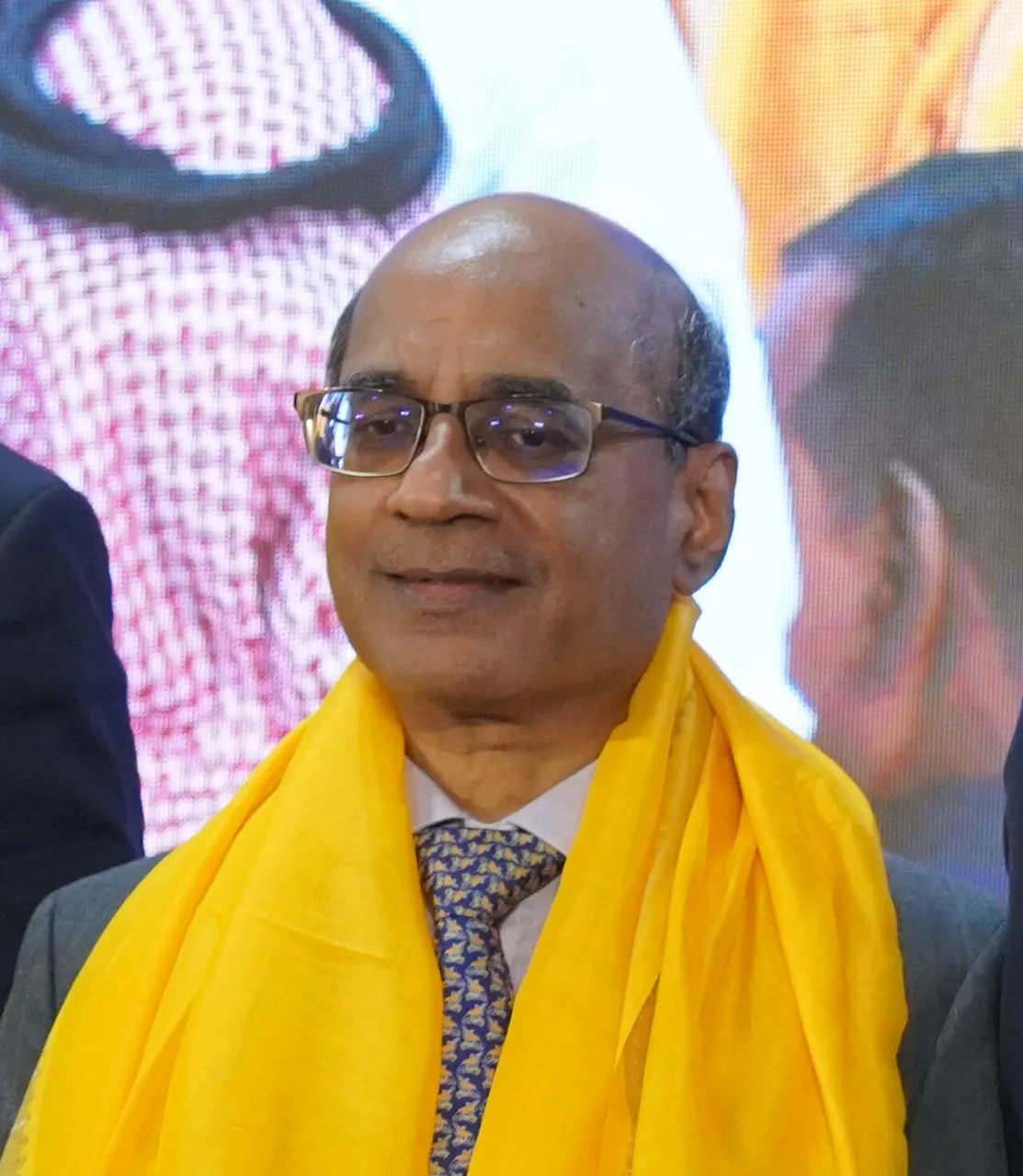 1990–now
Mohan Kankanhalli
Provost's Chair Professor of Computer Science; director of NUS AI Institute
- Teaches
- Multimedia computing · Trusted and privacy-aware AI
- Experience
- At the NUS School of Computing since 1990; dean of the school in 2016–2021 and founding director of the NUS AI Institute.
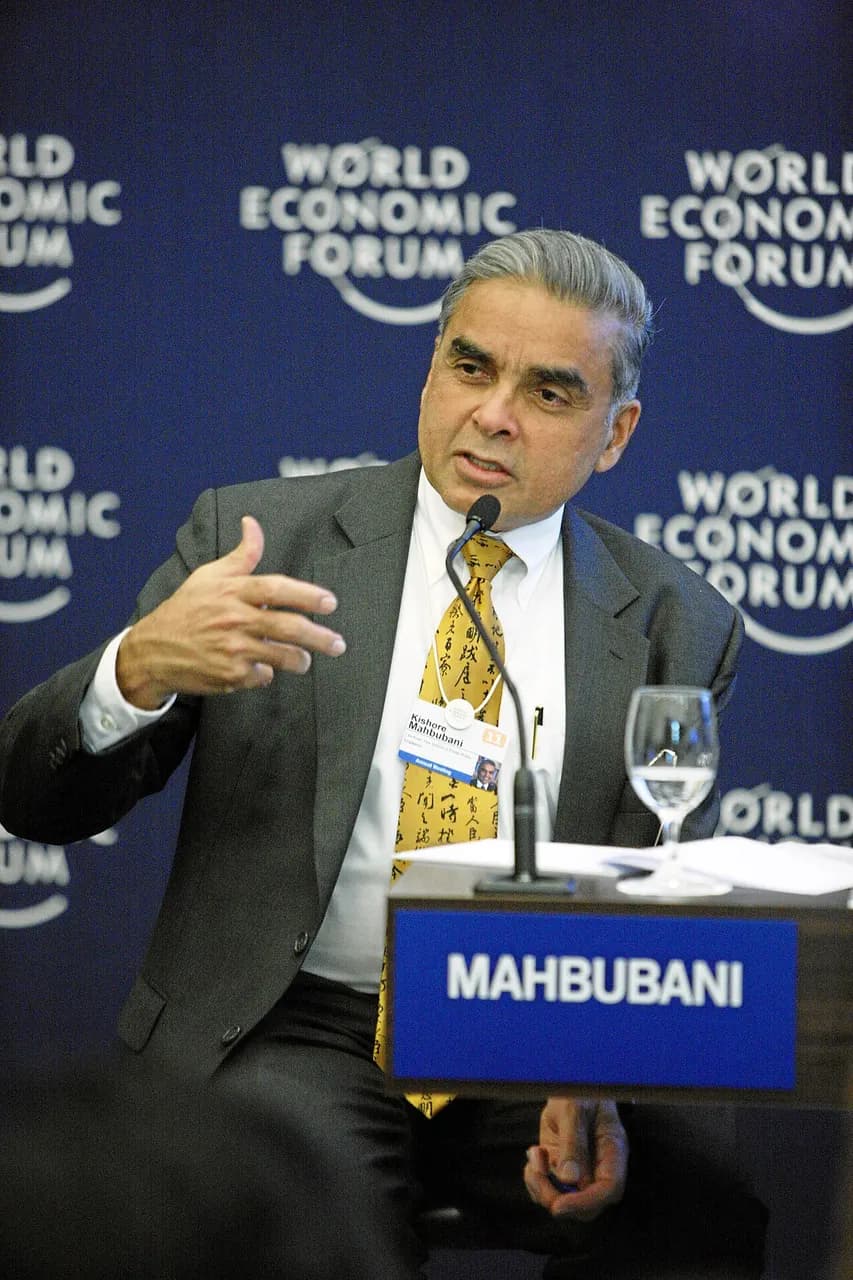 2004–now
Kishore Mahbubani
Distinguished Fellow, Asia Research Institute; founding dean of the Lee Kuan Yew School of Public Policy
- Teaches
- International relations · Public policy
- Experience
- Founding dean of the Lee Kuan Yew School of Public Policy in 2004–2017, after a 33-year diplomatic career including two terms as Singapore's ambassador to the United Nations.
People who studied or taught here

Reviews
No reviews yet. Visited, applied, or studied here? Be the first.