
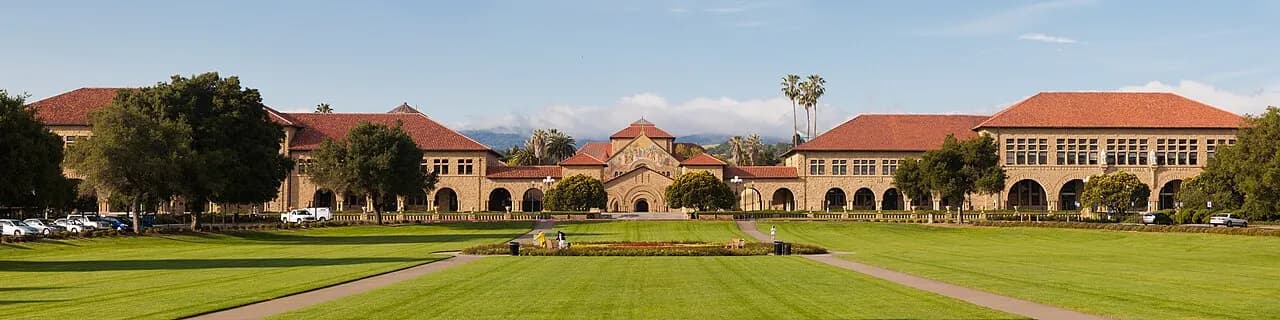
Photo: King of Hearts · CC BY-SA 3.0
United States · Stanford, California (next to Palo Alto)
Stanford University
Computer science, engineering and the start-up culture of Silicon Valley
- QS World Ranking 2026
- #3
- Founded
- 1885
- Students
- 18,600
- Bachelor's degree
- 4 years
- Acceptance rate
- 3.8%
- Typical IB offer
- 42–45 (no formal minimum)
- Language of instruction
- English
Worth knowing
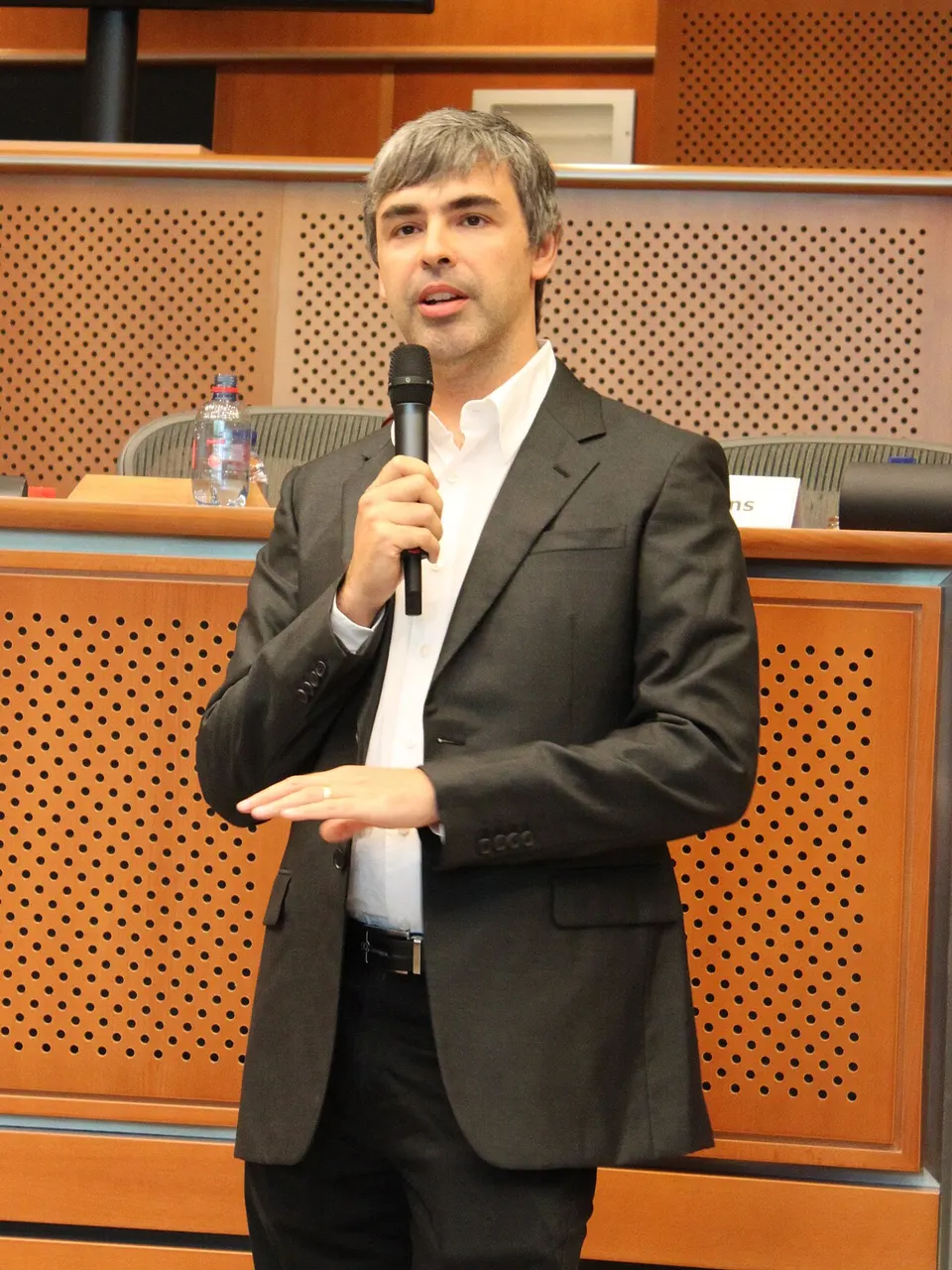
Google began as a Stanford PhD project: Larry Page and Moscow-born Sergey Brin built the first search engine on university servers, and their original storage rack, cased in Lego bricks, is still on display in the engineering building. The campus covers 3,300 hectares — locals call it 'the Farm' — so almost everyone gets to lectures by bicycle.
How hard is it to get in, and why
Stanford has not published figures for the Class of 2030, but the last confirmed rate was 3.8% (2,302 offers from 60,646 applications) and it has been the most selective major university in the US for a decade. The SAT or ACT is compulsory again from this cycle, and the supplement asks for eight short answers and three essays — including the famous letter to your future roommate — so writing carries real weight. Crucially, Stanford is need-aware for international applicants: asking for financial aid lowers your odds, and those who don't ask at the start can never apply later.
What it costs
Tuition
$68k per year
Tuition frozen at $67,731 for 2026–27 — the first year without an increase in a decade; a few hundred dollars of mandatory fees and $22,944 room and board come on top.
Living costs
$28k–36k per year
Scholarships and financial aid
For US students Stanford is need-blind, but for international applicants a request for aid is weighed in the admission decision, because the international aid budget is limited. Those admitted with aid have 100% of need met: families under $100,000 pay no tuition, housing or food, and those under $150,000 pay no tuition. Internationals must apply for aid together with the application — anyone who declines cannot apply for aid in any later year. There are no academic merit scholarships.
How to apply
Stanford takes only the Common App: Restrictive Early Action by 1 November (decision mid-December; you may not apply early to other private universities) or Regular Decision by 5 January (decision by early April). The SAT or ACT is required from the Class of 2030 onwards. The Stanford supplement is heavy — eight short answers of 50 words and three essays of up to 250 words, among them 'write a note to your future roommate' — plus two teacher references and a counsellor report. Optional alumni interviews are offered in designated areas only; applications are complete without one.
Official websiteWhat makes it special
- Silicon Valley grew out of Stanford: Hewlett-Packard, Cisco, Yahoo, Google, Nvidia and Instagram all trace back to its students or professors, and the Stanford Research Park next to campus was the world's first university science park.
- Teaching runs on a quarter system and undergraduates are free to combine, say, computer science with classics; the d.school (Institute of Design) teaches design thinking to anyone on campus.
- SLAC National Accelerator Laboratory, a 3-kilometre linear accelerator run by Stanford for the US Department of Energy, has produced multiple Nobel Prizes and now houses the world's most powerful X-ray laser.
- Stanford has won more NCAA team championships than any other university — over 130 — and its athletes brought home dozens of medals from the Paris Olympics; the 'Big Game' against Berkeley is a campus ritual.
- Sandstone arcades, red-tile roofs and palm-lined Palm Drive under a Mediterranean sky: the campus sits 55 km south of San Francisco and an hour from the Pacific surf at Santa Cruz.
- Traditions include 'fountain hopping' through the campus fountains, the Stanford Band's chaotic half-time shows and, at graduation, the 'Wacky Walk' into the stadium in costume.
About studying in United States
Four-year degrees and holistic admissions: universities read essays, recommendations and a record of what you have built or led, not only grades. Applications go through the Common App by early November (early rounds) or early January; most top universities have brought back SAT or ACT scores. Sticker prices are the highest in the world, but Harvard, MIT, Yale, Princeton and a few others admit international students without looking at family income and then cover the full demonstrated need.
Teaching staff
Who runs the university, who teaches, and how lessons actually work.
- Student–faculty ratio
- 7:1
- Faculty members
- ~2 300
- Nobel laureates on faculty
- ~30
Stanford has roughly 2,300 faculty members and about seven undergraduates per member of teaching staff. Some thirty Nobel laureates are currently on the faculty or emeritus, along with holders of the Turing Award and the Fields Medal, and a large share of them teach undergraduates directly. The president leads seven schools, each with a dean: Humanities and Sciences, Engineering, Medicine, Law, Business, Education, and the Doerr School of Sustainability, opened in 2022 as the university's first new school in seventy-five years.
The teaching pattern is a lecture plus a discussion section of fifteen or so students, but the more distinctive part is the proximity of laboratories and start-ups. Undergraduates apply for research grants through programmes such as the Vice Provost for Undergraduate Education small grants, and many end up in a laboratory or a design studio in their first two years. The d.school teaches design thinking by making teams build and test physical prototypes in a week. Most humanities and social science courses can be taken on a credit/no credit basis, which encourages students to try subjects far outside their major.
Stanford's own courses have shaped the culture around it. CS229, the graduate machine learning course taught for years by Andrew Ng, became the seed of the modern online course industry when it was put on the web in 2008. CS106A, the introduction to programming, is the largest class on campus and is taken by future doctors and historians as readily as by engineers. Robert Sapolsky's Human Behavioral Biology lectures, recorded in a Stanford hall, have several million views on YouTube. And the first-year requirement COLLEGE asks every new undergraduate to spend a year on questions of citizenship, ethics and what a life is for.
Teachers worth knowing
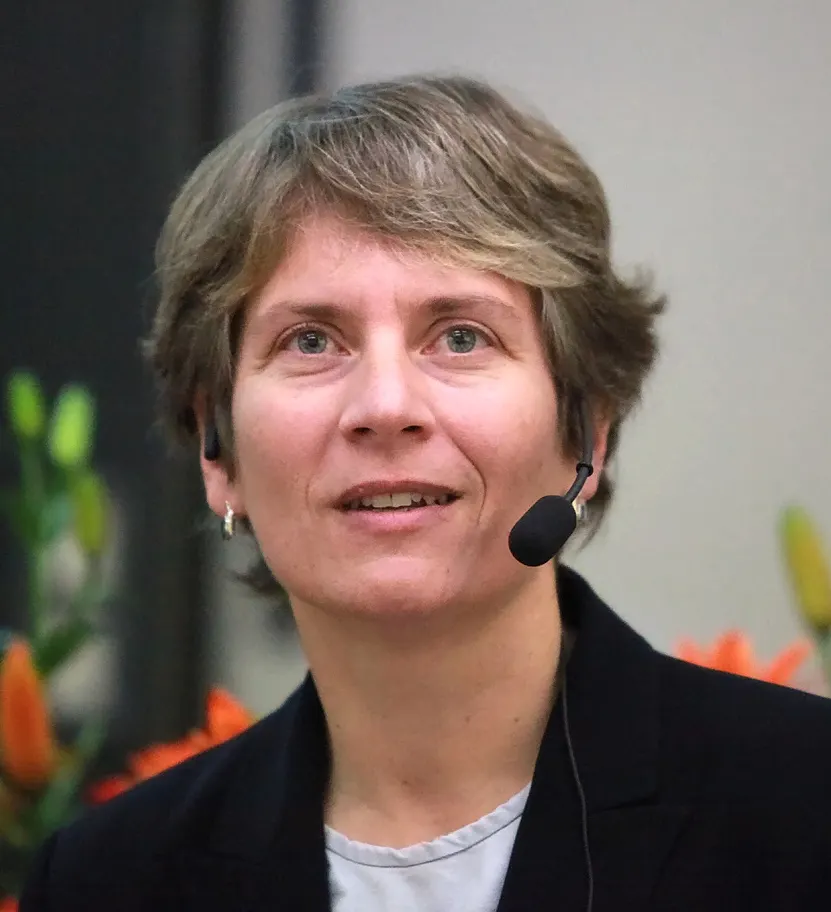 2015–now
Carolyn Bertozzi
Anne T. and Robert M. Bass Professor of Chemistry
- Teaches
- Chemical biology · Bioorthogonal chemistry
- Experience
- At Stanford since 2015; previously nineteen years on the faculty at UC Berkeley.
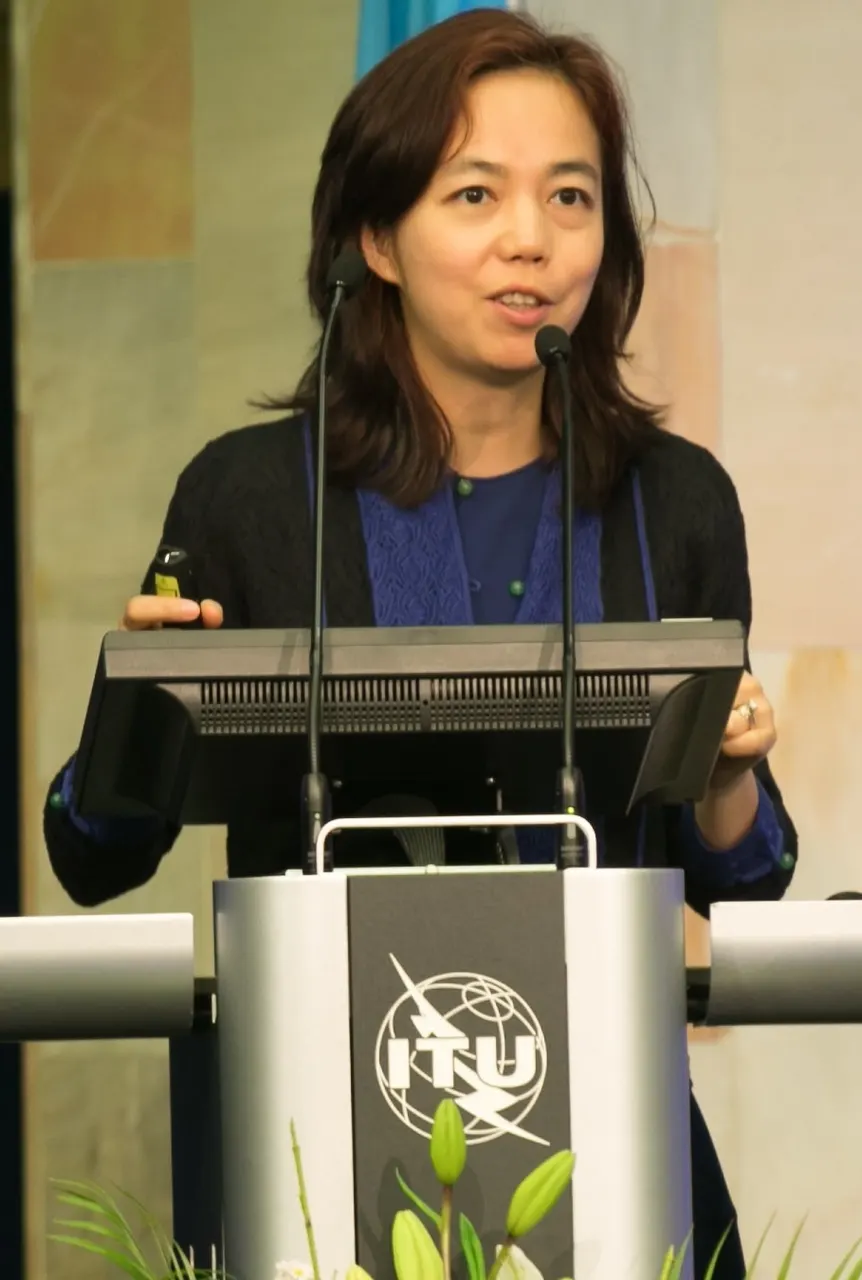 2009–now
Fei-Fei Li
Sequoia Professor of Computer Science; Co-Director, Stanford Institute for Human-Centered AI
- Teaches
- Computer vision · Artificial intelligence
- Experience
- At Stanford since 2009; directed the Stanford AI Laboratory from 2013 to 2018.
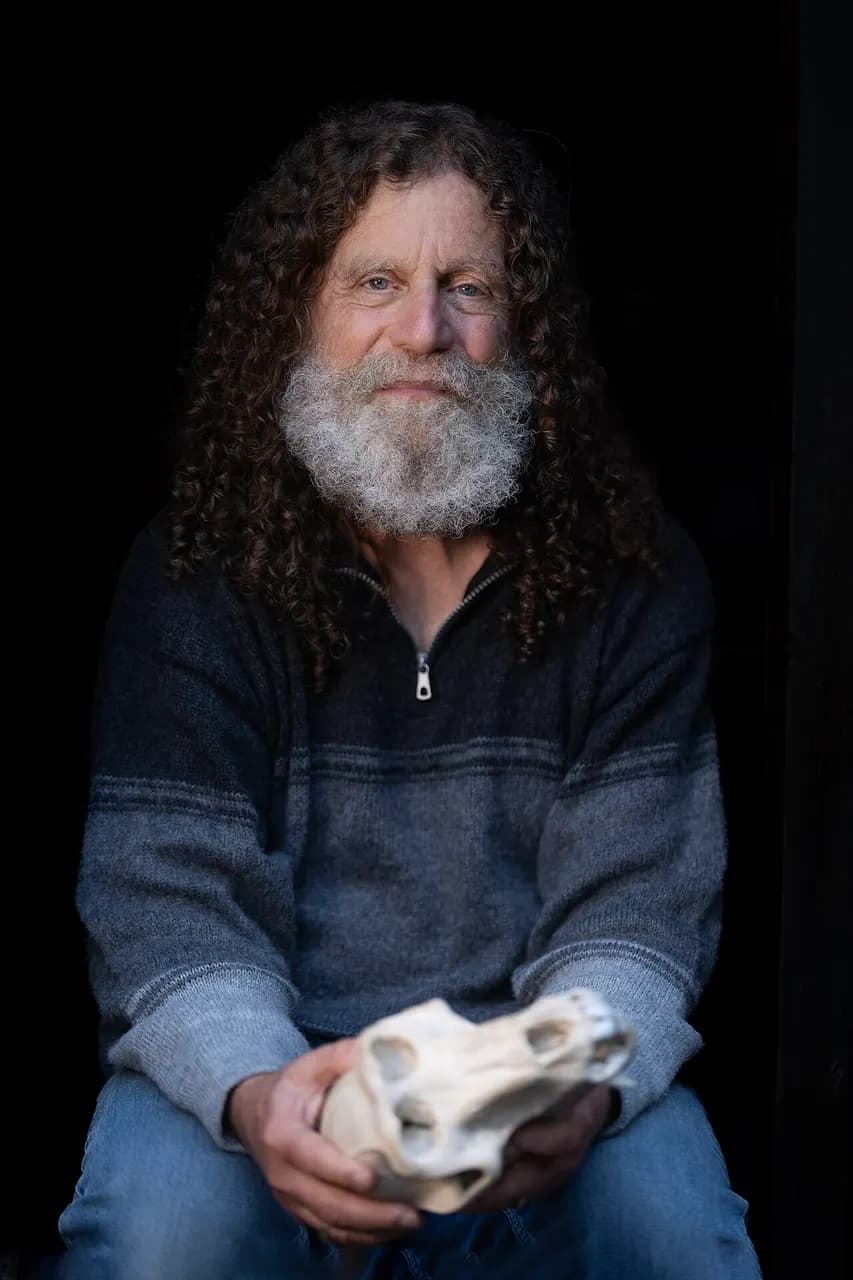 1987–now
Robert Sapolsky
Professor of Biology, Neurology and Neurosurgery
- Teaches
- Human Behavioral Biology · Neuroendocrinology of stress
- Experience
- Teaching at Stanford since 1987; spent more than twenty summers studying wild baboons in Kenya.
The campus in photographs
Photographs come from Wikimedia Commons under free licences; the author and licence are shown on each image.
People who studied or taught here
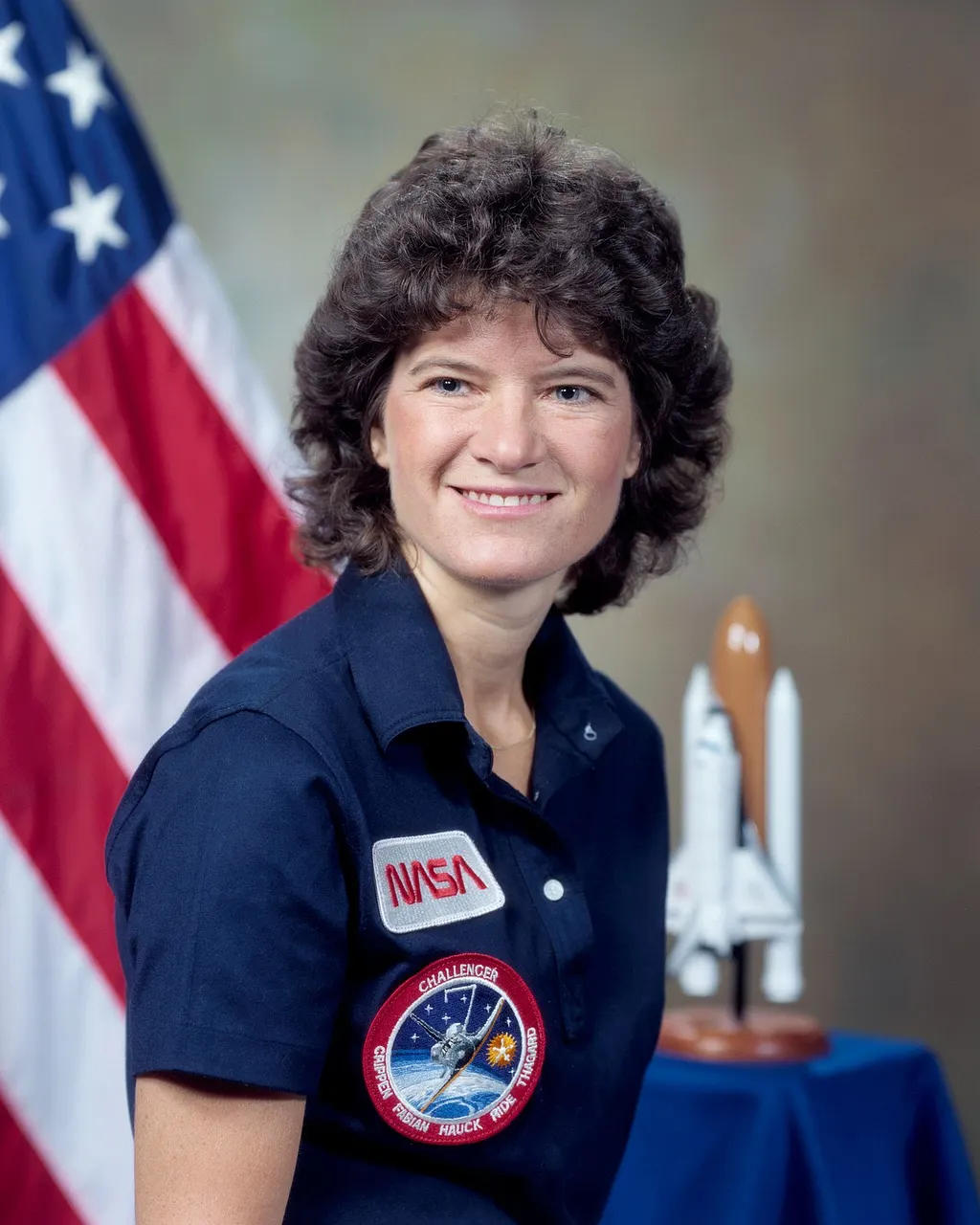
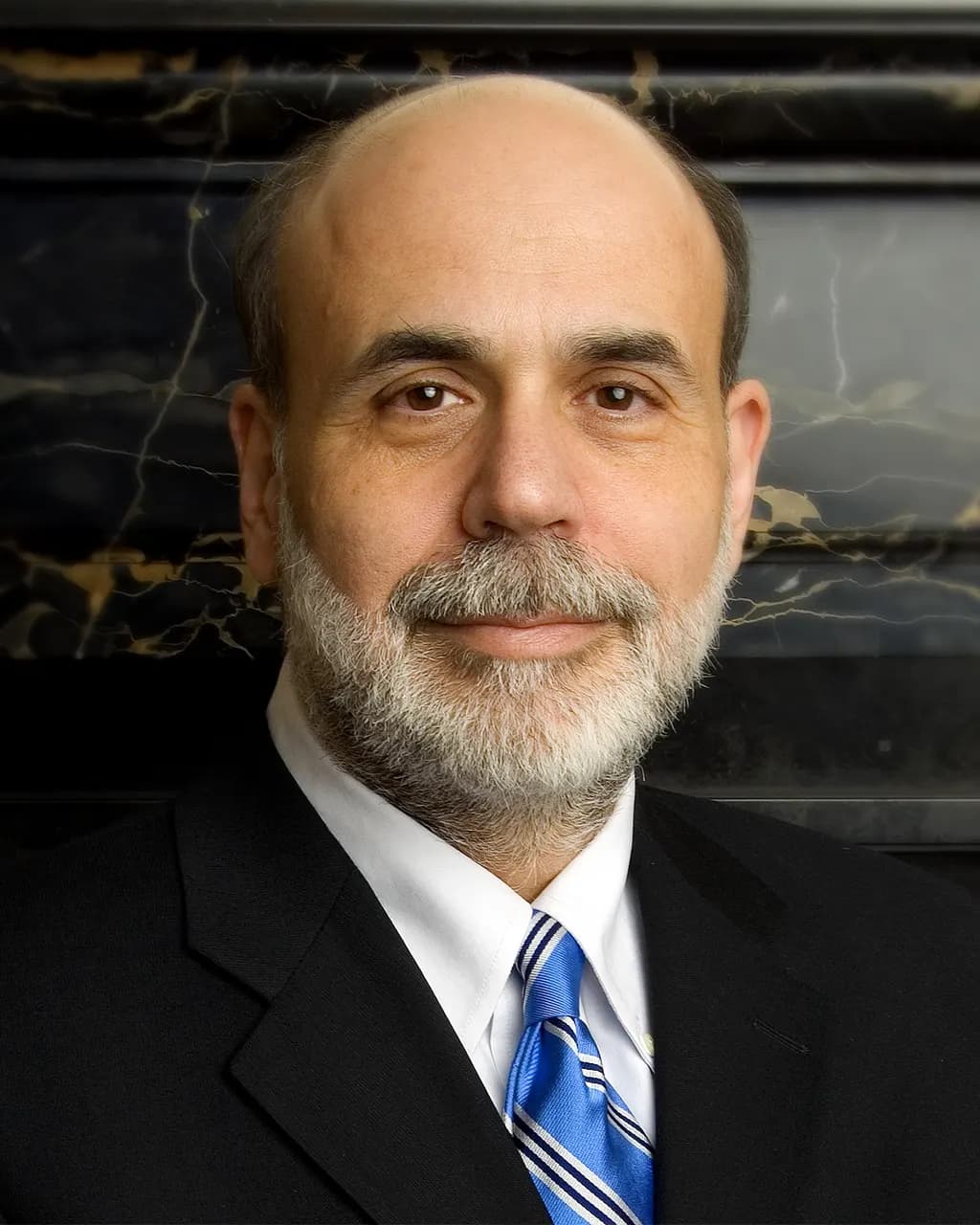 Ben Bernanke
Chair of the US Federal Reserve 2006–14, Nobel Prize in Economics 2022
Professor · 1979–1985
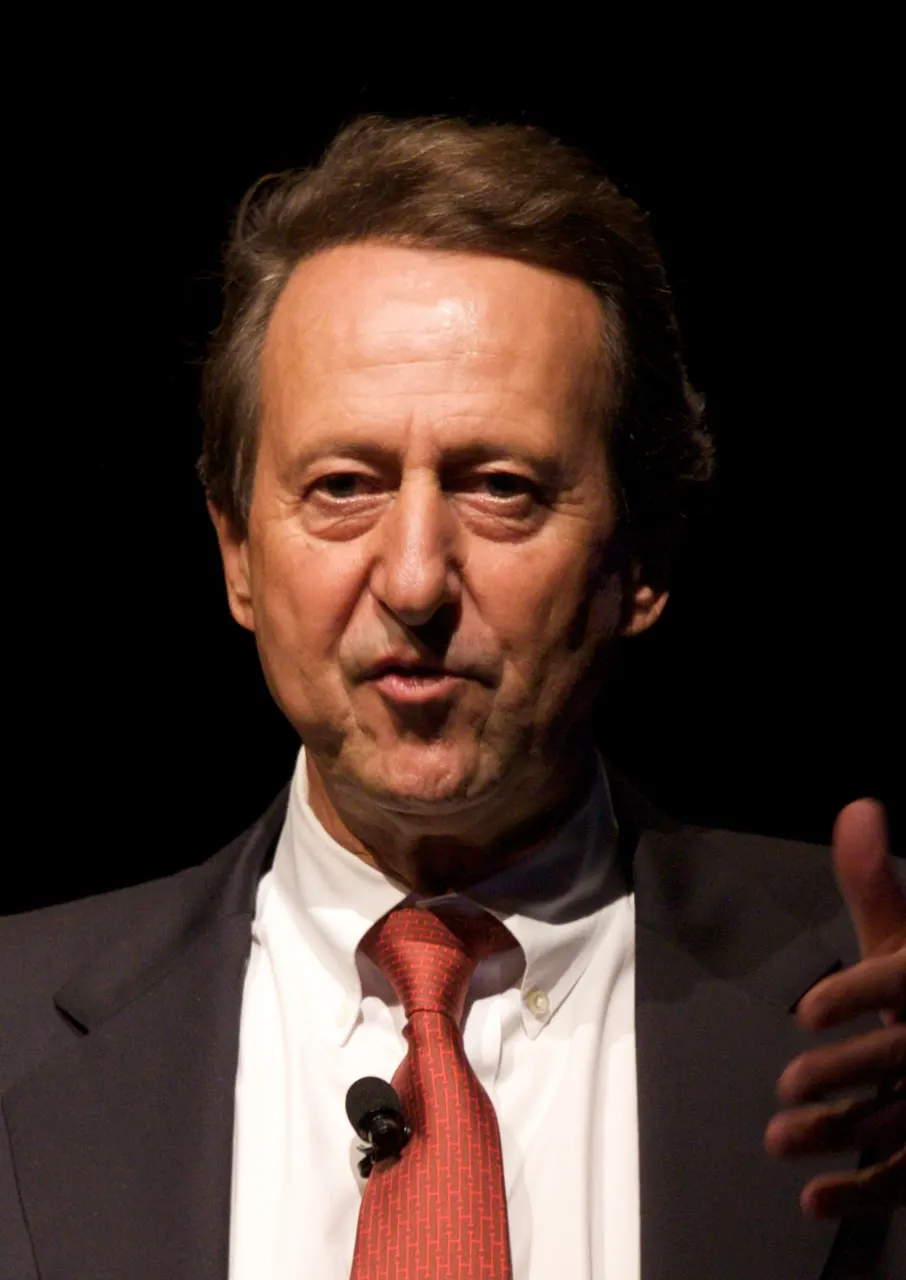

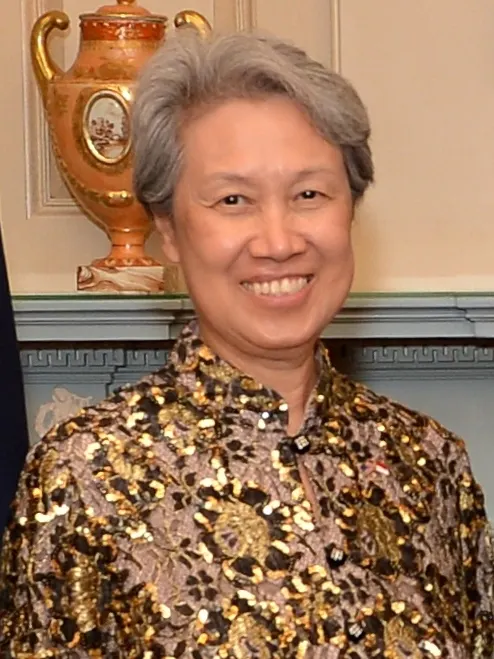
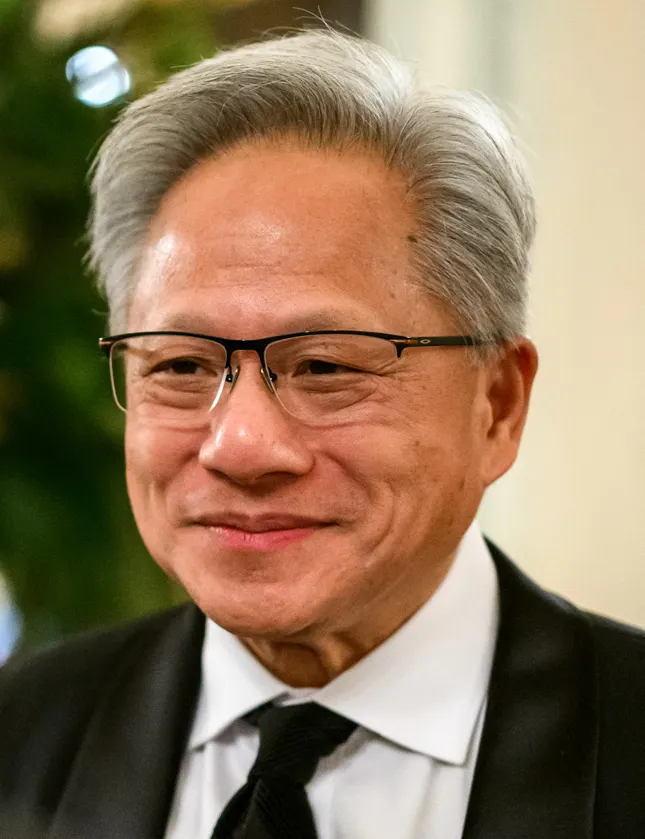
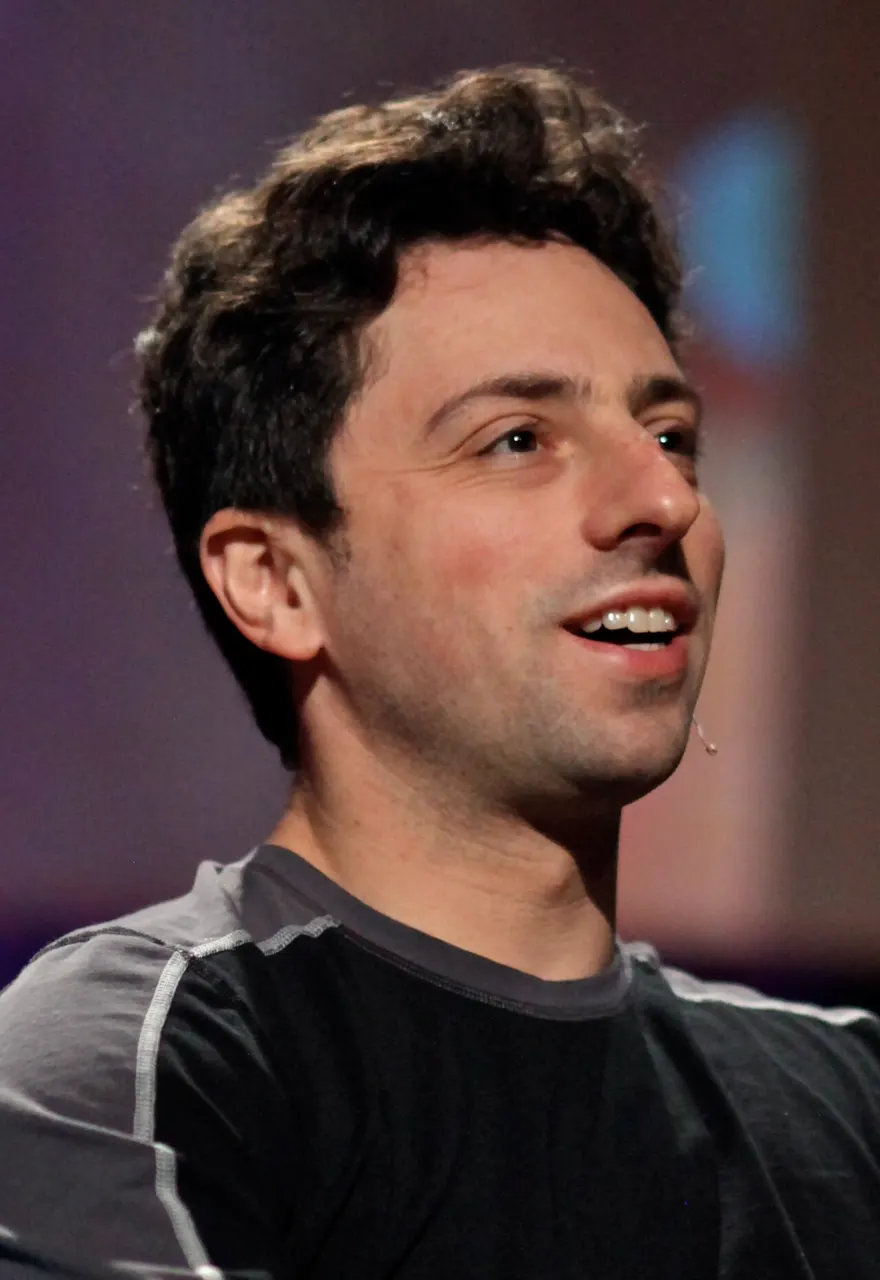
 Raj Reddy
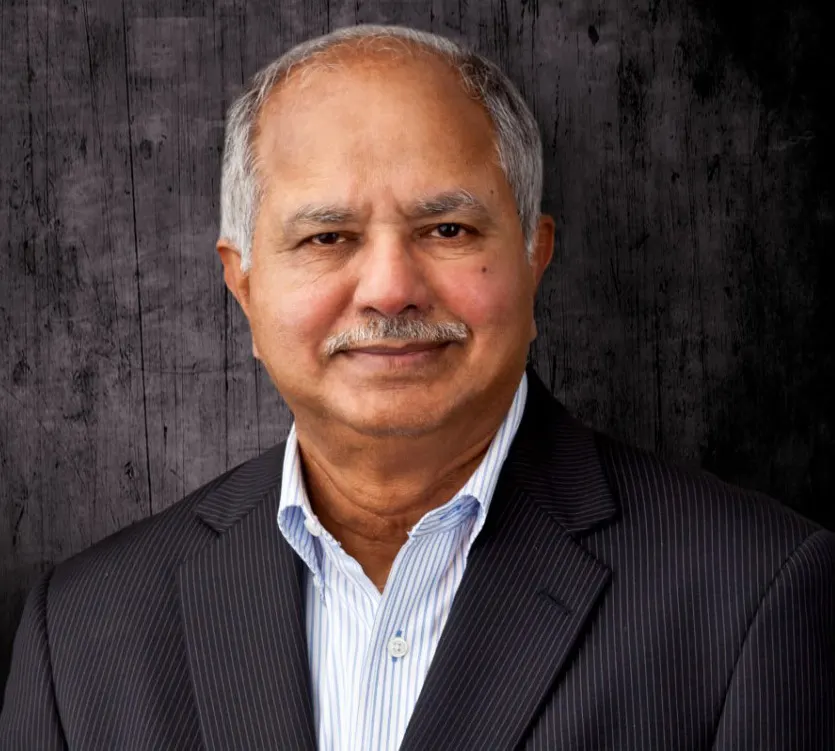
Computer scientist, Turing Award 1994 for work on artificial intelligence
Doctorate · 1963–1969
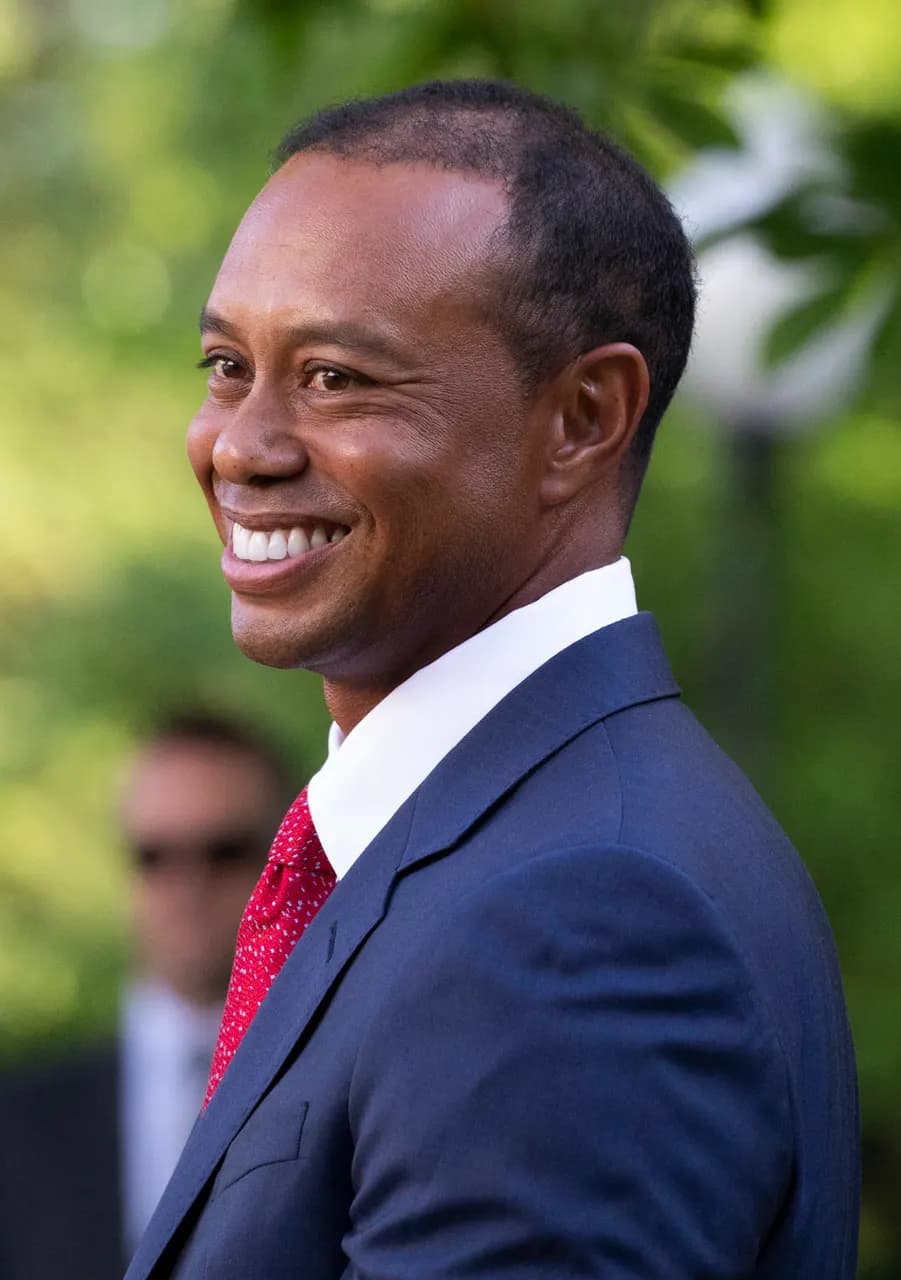
 Reese Witherspoon
Actress and producer, Academy Award for Best Actress 2006
Left without a degree · 1994–1995
Reviews
No reviews yet. Visited, applied, or studied here? Be the first.