
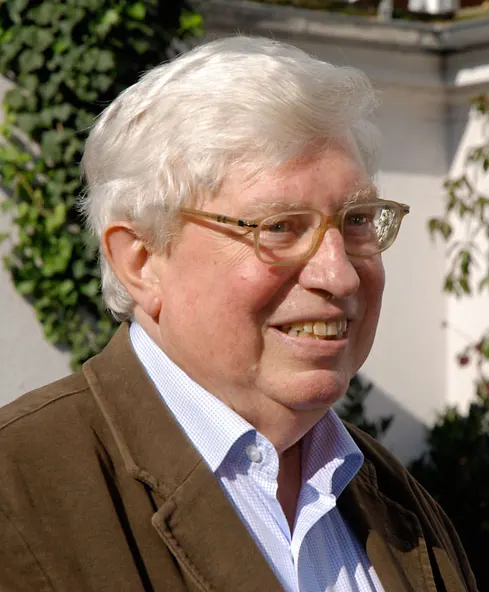
Chemistry
Gerhard Ertl
Chemist, Nobel Prize in Chemistry 2007 for surface chemistry
Born 1936
Photo: Wolfram Däumel · CC BY-SA 2.0 de
Gerhard Ertl worked out step by step what happens on a solid surface during a chemical reaction, including how ammonia is made in fertiliser production. That reaction feeds a large share of the world's population.
Key achievements
- Nobel Prize in Chemistry, 2007, for surface chemistry
- Explained how ammonia is made on an iron catalyst
- Directed the Fritz Haber Institute in Berlin, 1986–2004
Universities
Munich
Took his doctorate in 1965 and later held a professorship here before moving to the Fritz Haber Institute in Berlin.
Facts
- He received the news of his Nobel Prize on his seventy-first birthday.
- His methods also explain how catalytic converters clean exhaust gases and how the ozone layer is destroyed on ice crystals.
- He had to build much of his own ultra-high vacuum equipment because nothing commercially available was clean enough.