
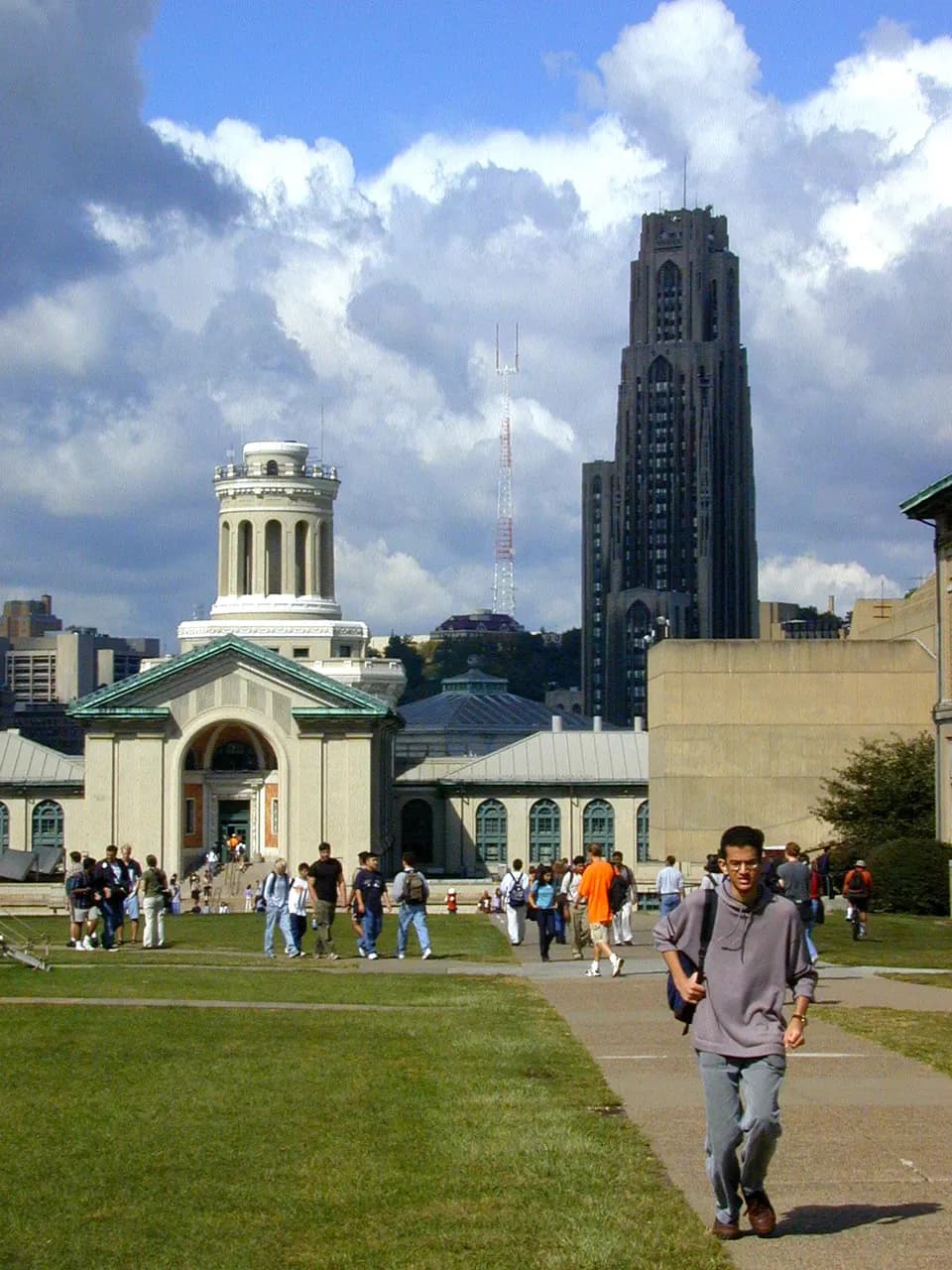
Photo: Wikimedia Commons · CC BY-SA 2.0
United States · Pittsburgh, Pennsylvania
Carnegie Mellon University
Robots, computer science and a drama school whose graduates win Tonys
- QS World Ranking 2026
- #52
- Founded
- 1900
- Students
- 16,000
- Bachelor's degree
- 4 years
- Acceptance rate
- ~11%
- Typical IB offer
- 39–43
- Language of instruction
- English
Worth knowing
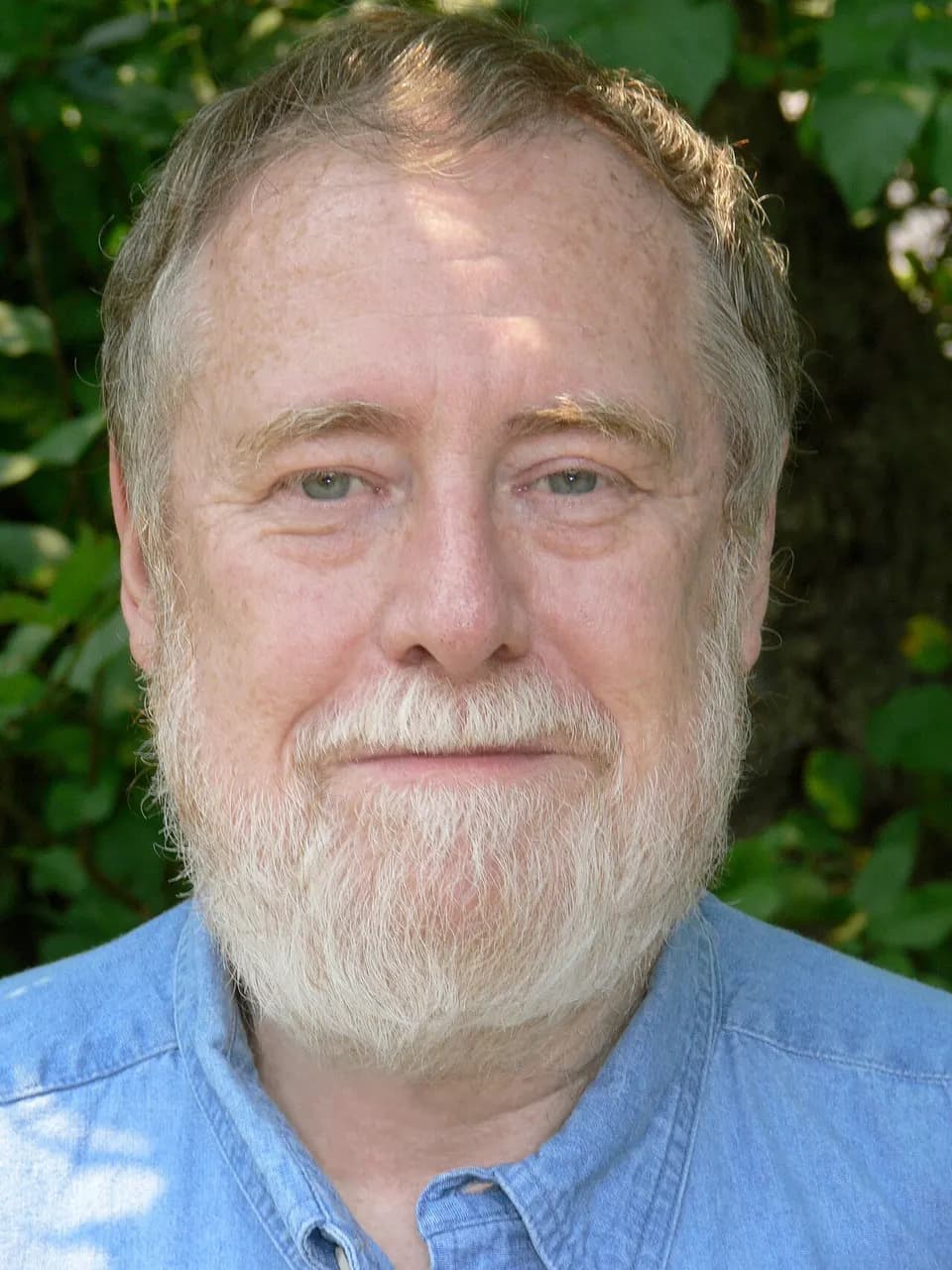
On 19 September 1982 CMU computer scientist Scott Fahlman posted :-) on a departmental bulletin board so that colleagues could tell jokes from complaints. It was the first emoticon; the original message was recovered from old backup tapes twenty years later.
How hard is it to get in, and why
Carnegie Mellon admits by college, and the numbers diverge wildly: about 11% overall for the Class of 2029, but the School of Computer Science takes under 5% and insists on an SAT or ACT score. The other colleges are test-flexible: you must submit something, but IB or AP results count. International applicants receive almost no financial aid and are reviewed need-aware, so the university expects proof that you can pay. Fine Arts admits on portfolios and auditions, not grades alone.
What it costs
Tuition
$70k–71k per year
2026–27 tuition is $69,702 for every college, plus roughly $1,100 in fees; health insurance ($3,093) is compulsory unless you hold a plan valid in the US.
Living costs
$23k–28k per year
Scholarships and financial aid
Almost none. CMU gives need-based aid to a small number of international undergraduates from a limited pool and reviews internationals need-aware; there are no merit scholarships outside Drama and Music. Budget roughly $97,000 a year and expect to document it.
How to apply
Common App only, with CMU's short-answer supplement (why this programme, something you chose to do, plus a lighter prompt). You apply to a specific college and, in several cases, a specific programme; switching later is limited. Testing: SAT or ACT required for the School of Computer Science, test-flexible elsewhere (IB or AP scores accepted), test-optional for Fine Arts, which relies on portfolios or auditions. No interviews. Early Decision closes 2 November (decision by 15 December), Regular Decision 4 January (1 December for Drama and Music), with decisions by 1 April.
Official websiteWhat makes it special
- The Robotics Institute, founded in 1979, was the first of its kind anywhere; its Navlab vans drove themselves in the 1980s, and Uber, Argo AI and Aurora all set up in Pittsburgh to hire its graduates.
- The School of Computer Science is consistently ranked first in the US; Turing Award winners teach here, and professor Luis von Ahn created reCAPTCHA and Duolingo on campus.
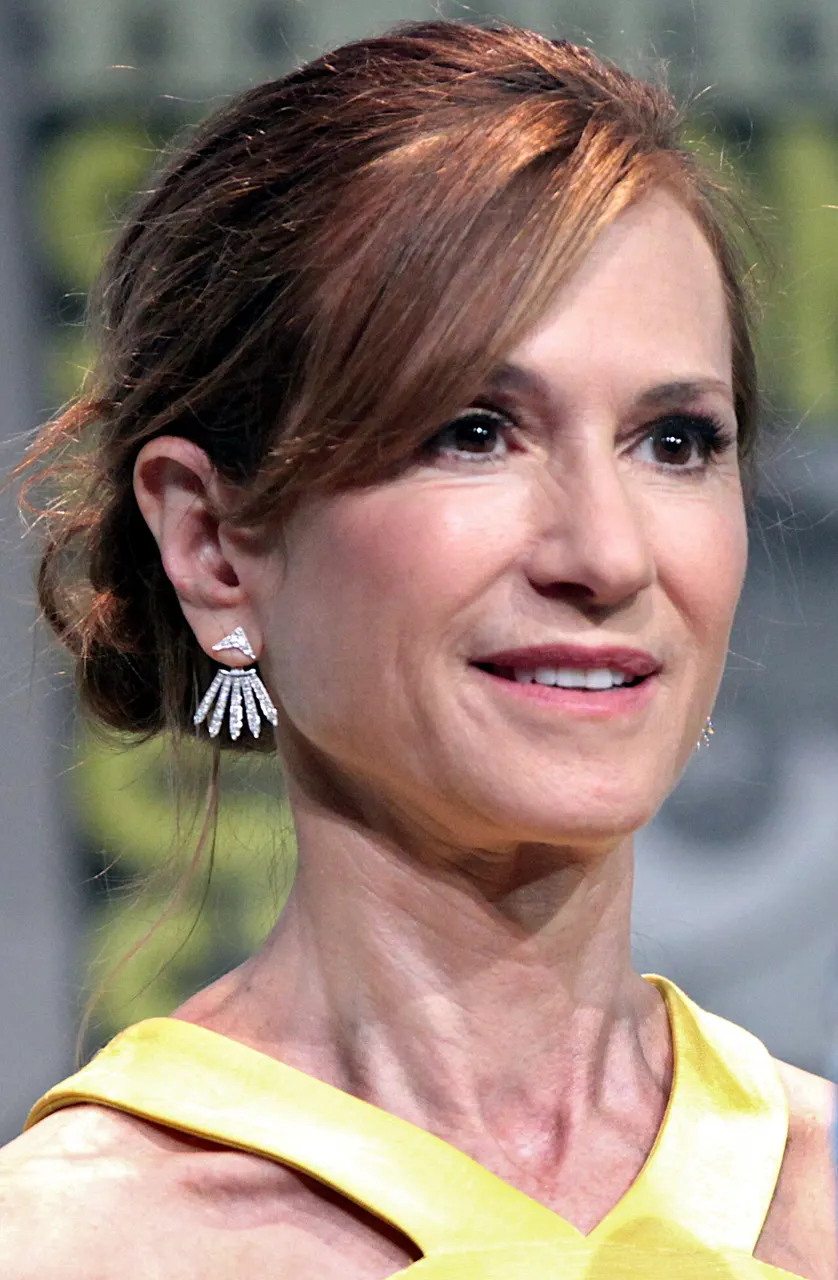
- The School of Drama, founded in 1914, is the oldest degree-granting drama programme in the US; alumni include Ted Danson, Holly Hunter, Zachary Quinto and Josh Gad.
- The Fence: any student group may repaint it, but only between midnight and dawn, and must then stand guard beside it as long as they want their message to stay.
- Spring Carnival brings Buggy: teams race hand-built carbon-fibre carts, with a driver lying prone inside, around Schenley Park at 60 km/h while pushers sprint the uphill sections.
- The campus sits in Pittsburgh's Oakland district beside the Carnegie Museums; the Kiltie Band marches in kilts in honour of Scottish-born Andrew Carnegie, and Randy Pausch gave his Last Lecture here in 2007.
About studying in United States
Four-year degrees and holistic admissions: universities read essays, recommendations and a record of what you have built or led, not only grades. Applications go through the Common App by early November (early rounds) or early January; most top universities have brought back SAT or ACT scores. Sticker prices are the highest in the world, but Harvard, MIT, Yale, Princeton and a few others admit international students without looking at family income and then cover the full demonstrated need.
Teaching staff
Who runs the university, who teaches, and how lessons actually work.
- Faculty members
- ~1 600
- Turing Award winners affiliated
- 13
- Colleges
- 7
Carnegie Mellon has roughly 1,500 to 1,600 faculty from more than sixty countries teaching about 16,600 students, split almost evenly between undergraduate and graduate. The president heads seven colleges, each with a dean: the School of Computer Science, the College of Engineering, the College of Fine Arts, the Dietrich College of Humanities and Social Sciences, the Mellon College of Science, the Heinz College of Information Systems and Public Policy, and the Tepper School of Business. Twenty-one Nobel laureates and thirteen Turing Award winners have been affiliated with the university.
Teaching here is built around building things. Courses in computer science and engineering are graded largely on projects and problem sets rather than examinations, and the studio model from the College of Fine Arts has spread across the campus: students work in teams, present to critics, and revise. The School of Computer Science has its own separate admissions and its own undergraduate research programmes, and cross-college registration is routine — a drama student can take machine learning, and frequently does.
The course everybody names is Building Virtual Worlds, created at the Entertainment Technology Center, where teams of artists and programmers who have never met are given two weeks to build a working virtual world, then reshuffled and made to do it again, five times a semester. Randy Pausch, who co-founded the centre in 1998 and taught the course for a decade, gave his farewell lecture there in 2007; it has been watched more than twenty million times. Outside, the campus tradition is The Fence — repainted overnight by student groups, and reputedly the most painted object in the world.
Teachers worth knowing
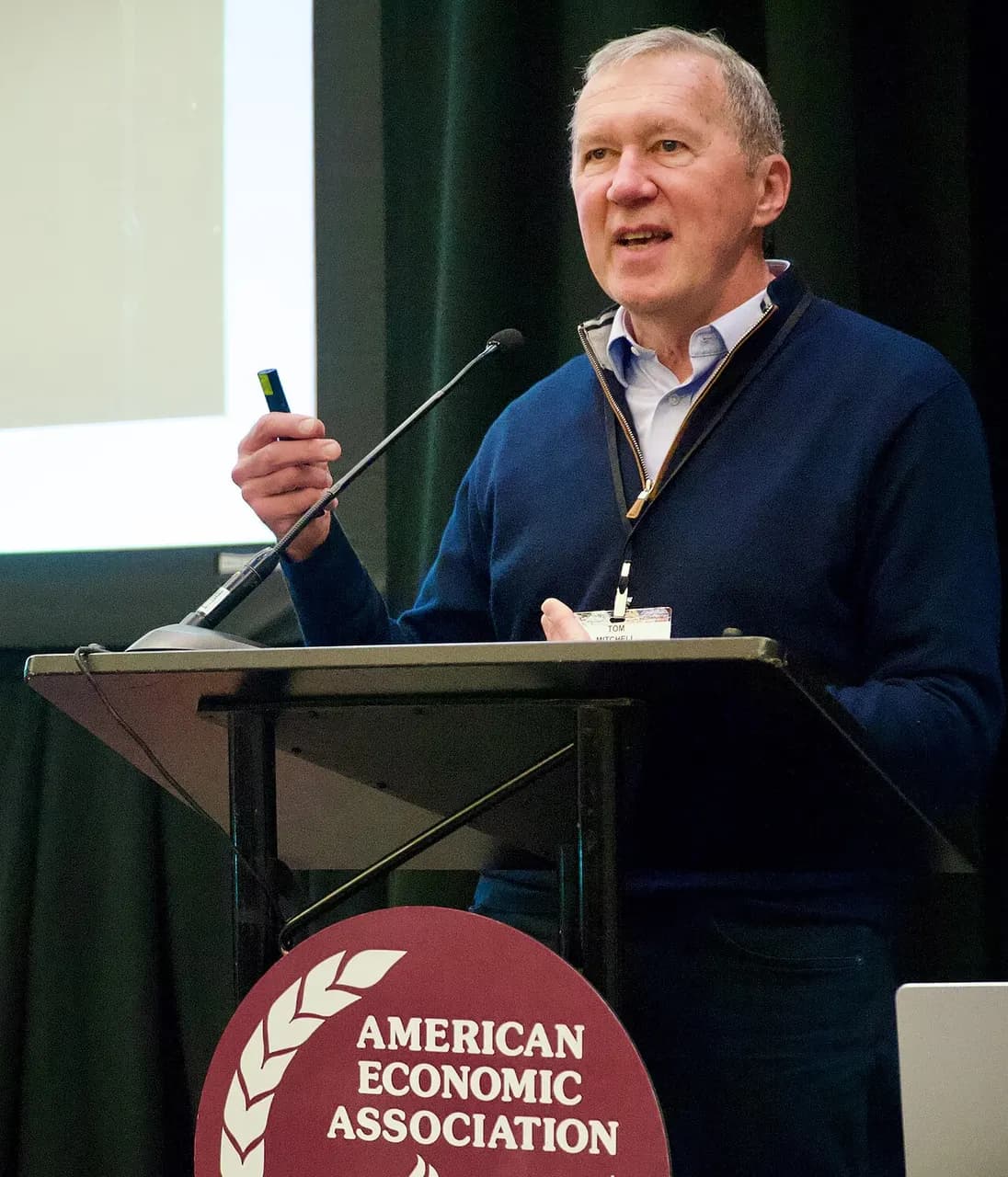 1986–now
Tom M. Mitchell
Founders University Professor, School of Computer Science
- Teaches
- Machine learning · Cognitive neuroscience of language
- Experience
- At Carnegie Mellon since 1986; founding chair of the world's first Machine Learning Department, created in 2006.
A computer program is said to learn from experience E with respect to some class of tasks T and performance measure P, if its performance at tasks in T improves with experience E.
More- J2012–now
J. Zico Kolter
Professor and Director of the Machine Learning Department
- Teaches
- Machine learning and deep learning · AI safety and robustness
- Experience
- At Carnegie Mellon since 2012; now heads the Machine Learning Department and chairs OpenAI's safety and security committee.
- J2000–now
Jodi Forlizzi
Herbert A. Simon Professor, Human-Computer Interaction Institute
- Teaches
- Interaction design and design research · Human–robot interaction
- Experience
- At Carnegie Mellon since 2000, full professor since 2014; ACM SIGCHI Lifetime Research Award and CHI Academy.
The campus in photographs
Photographs come from Wikimedia Commons under free licences; the author and licence are shown on each image.
People who studied or taught here
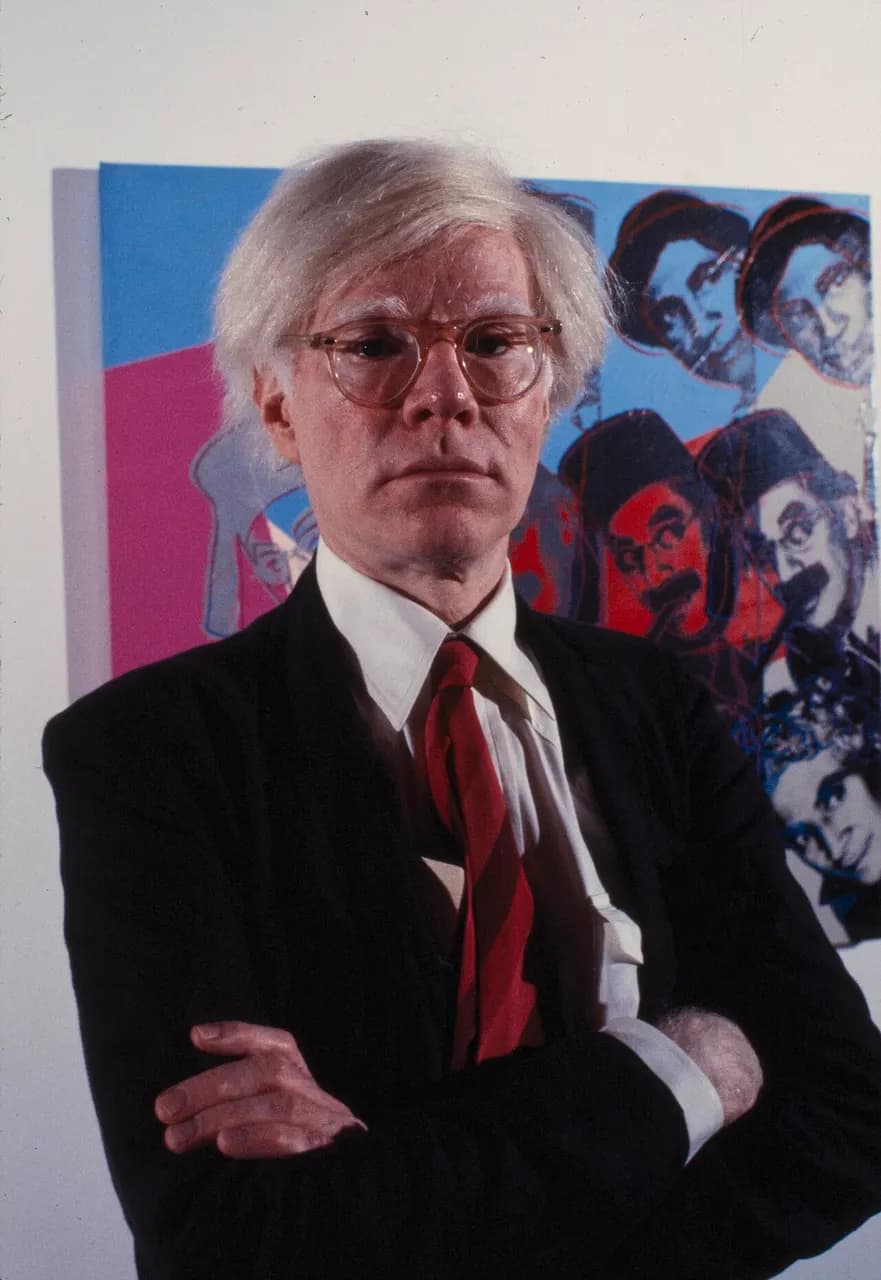
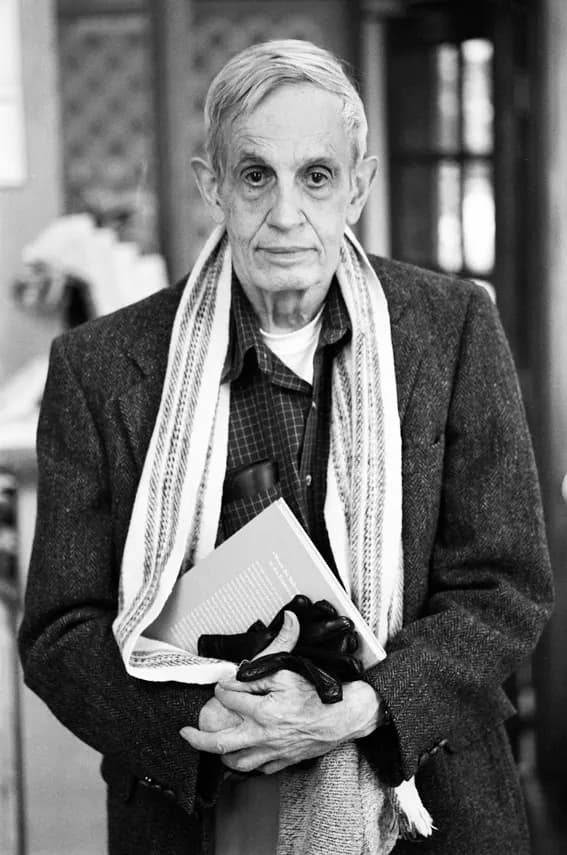
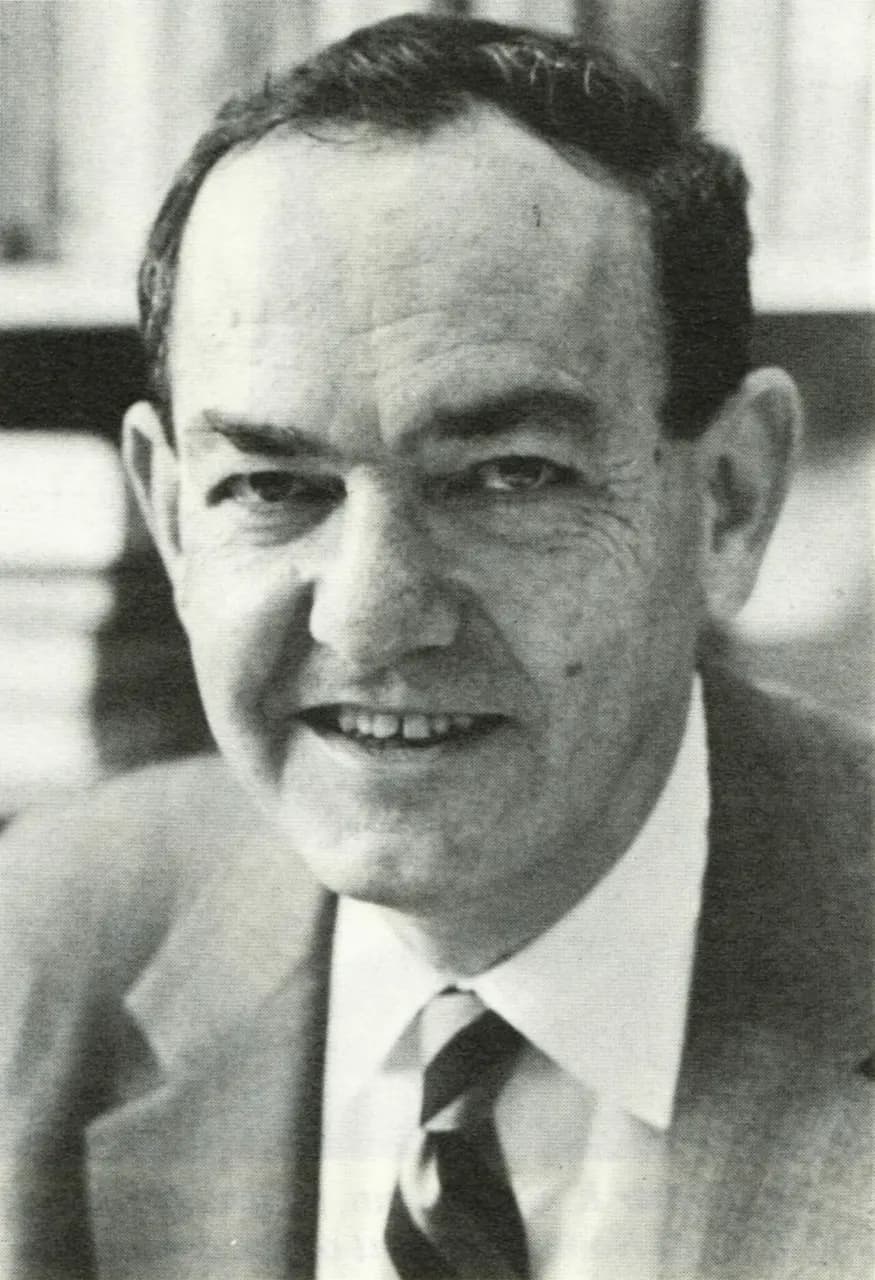 Herbert Simon
Economist and AI pioneer, Nobel Prize in Economics 1978 and Turing Award 1975
Professor · 1949–2001
 Raj Reddy
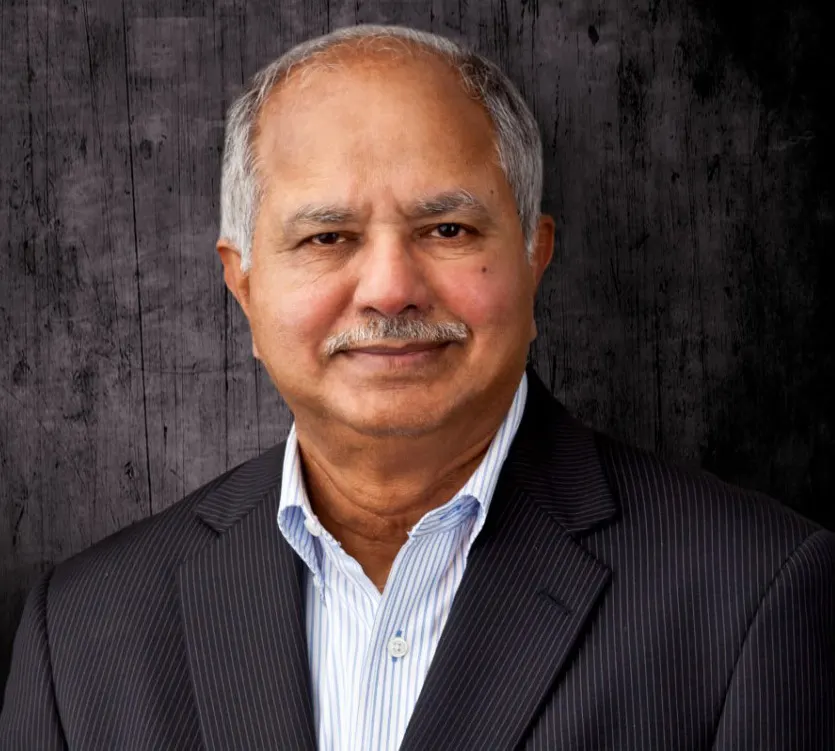
Computer scientist, Turing Award 1994 for work on artificial intelligence
Professor · 1969–2025
Reviews
No reviews yet. Visited, applied, or studied here? Be the first.