
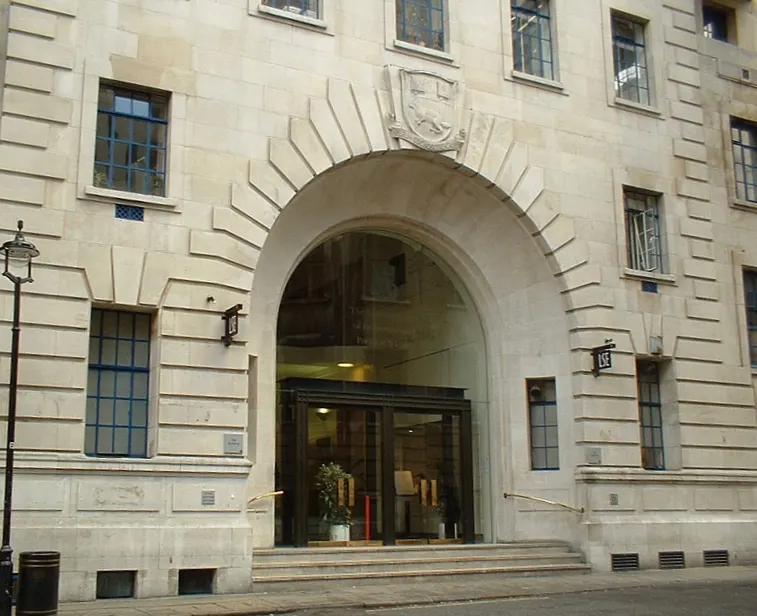
Photo: The original uploader was Secretlondon at English Wikipedia. · CC BY-SA 3.0
United Kingdom · London, Holborn
London School of Economics and Political Science
One square of central London that has trained more heads of state than most countries have had
- QS World Ranking 2026
- #56
- Founded
- 1895
- Students
- 13,000
- Bachelor's degree
- 3 years
- Acceptance rate
- Around 9% for economics; roughly 13–20% across other programmes
- Typical IB offer
- 37–38 points with 766 at Higher Level, including HL Mathematics for economics
- Language of instruction
- English
Worth knowing
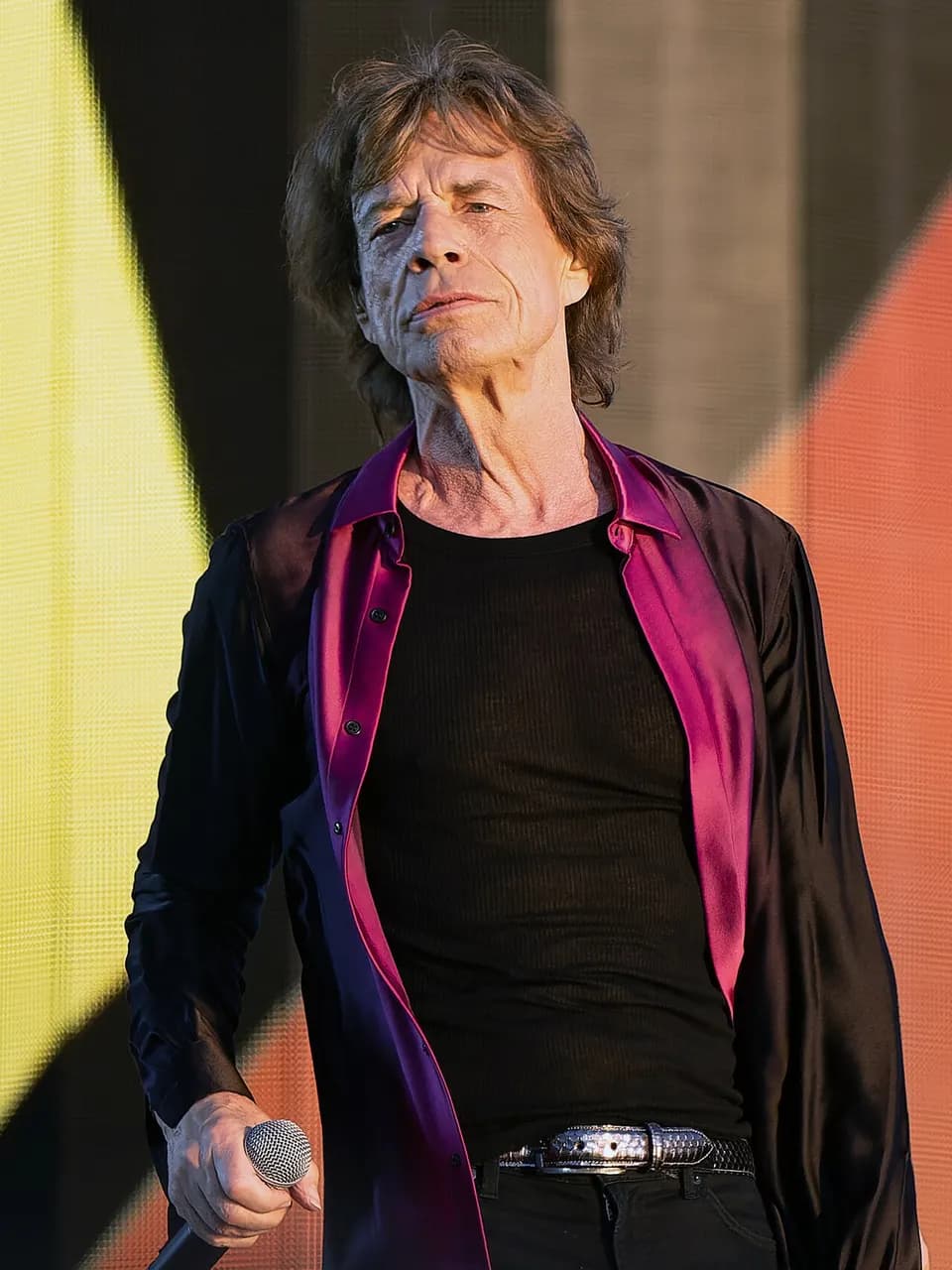
Mick Jagger enrolled at LSE to read economics and accounting in 1961 and left when the Rolling Stones started earning; he has said he did not tell his parents for a while. The school's mascot is a beaver, chosen in 1922 for being industrious and, the students insisted, a builder of dams rather than an occupant of them.
How hard is it to get in, and why
LSE is small, specialised and globally famous, which produces some of the worst applicant-to-place ratios in Britain: economics and its combinations routinely draw more than twenty applications per place. There are no interviews, so the decision rests entirely on predicted grades, the personal statement and the reference, and the school states openly that it rejects many applicants who meet the published requirements. Economics programmes also require the TMUA, and a weak score is difficult to recover from.
What it costs
Tuition
$35k–40k per year
Overseas fees for 2026 entry are about £28,176 a year for most undergraduate programmes, the same across departments. Converted at about 1.27 dollars to the pound.
Living costs
$22k–28k per year
Scholarships and financial aid
LSE runs a needs-based Undergraduate Support Scheme open to international students, worth up to around £15,000 a year, assessed on family income. Awards are limited and applying early improves the odds. The school also administers a small number of country-specific scholarships funded by donors.
How to apply
Apply through UCAS by late January. Economics, economics and management, and several joint programmes require the TMUA, registered separately in the autumn. LSE does not interview undergraduates, so the personal statement carries unusual weight and should be almost entirely about the subject. Decisions arrive between January and May, and offers are conditional on specific Higher Level grades.
Official websiteWhat makes it special
- The whole school occupies a few connected blocks between the Royal Courts of Justice and Covent Garden, so you walk to lectures through legal and theatre London.
- The public lecture programme brings prime ministers, central bank governors and Nobel laureates to campus most weeks, free to students.
- Eighteen Nobel Prizes are linked to LSE, most of them in economics and peace, and the school shaped postwar British social policy.
- Teaching is by lecture plus small classes, with a famously heavy reading list and January examinations that count.
- Recruitment from the City of London is intense from the first year, and internships during the course are effectively the norm.
About studying in United Kingdom
Three-year degrees in England (four in Scotland), and you apply for one subject rather than for a university in general. UCAS allows five choices, only one of which can be Oxford or Cambridge, with a 15 October deadline for those two and for medicine. Oxbridge adds admissions tests and interviews; IB offers at the top range from 38 to 42. International fees run from about £25,000 to £45,000 a year, need-based aid is scarce, and graduates can stay on to work for a limited period under the Graduate visa.
Teaching staff
Who runs the university, who teaches, and how lessons actually work.
- Student–staff ratio
- 11:1
- Nobel laureates affiliated
- 18
- Departments and institutes
- ~25
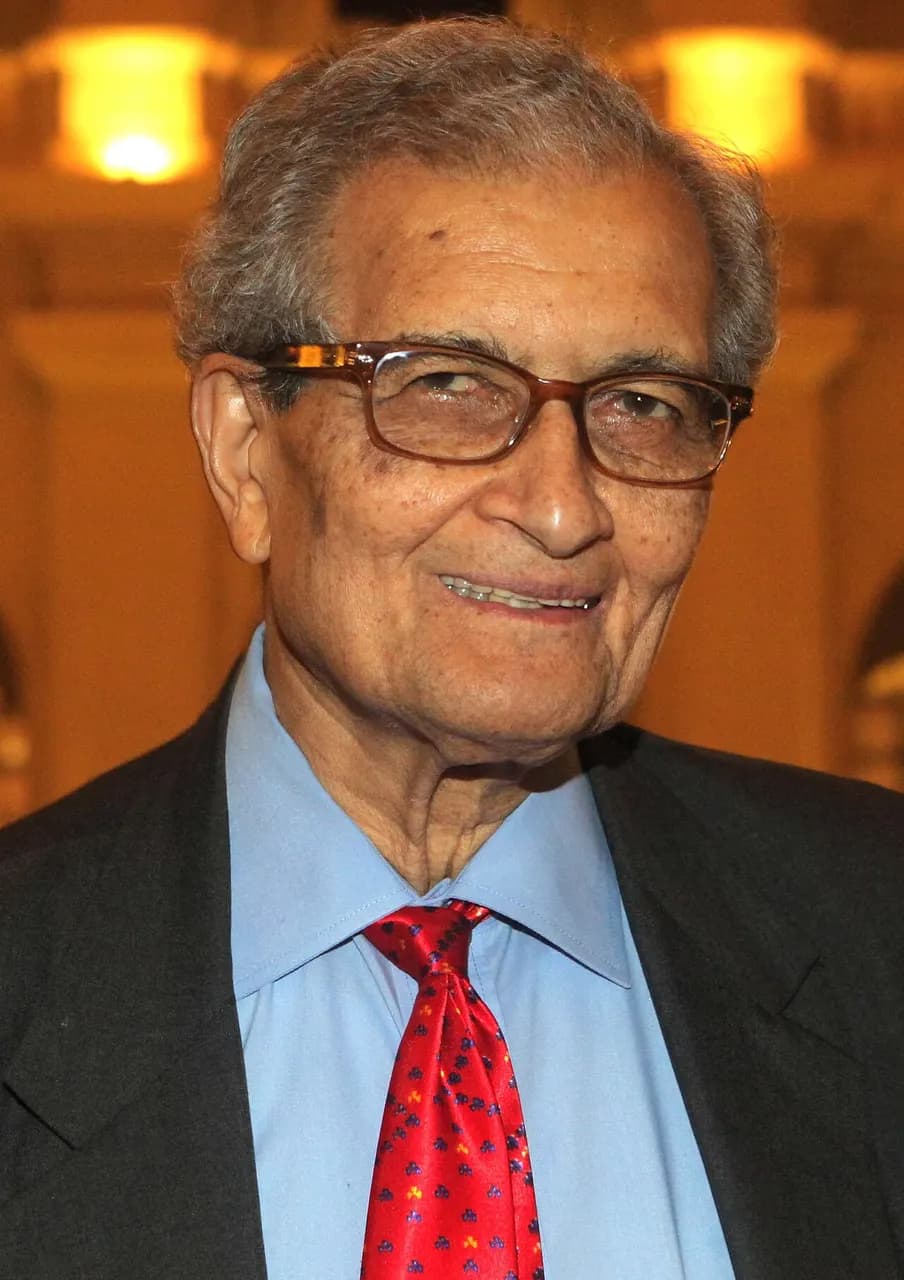
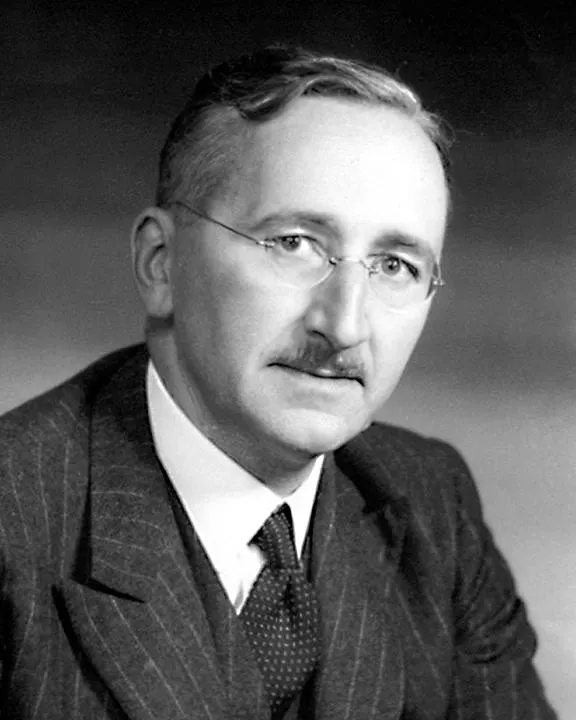
LSE is small by university standards — about 1,700 academic staff for some 13,000 students, giving roughly eleven students per member of staff — but it is entirely concentrated on the social sciences, which means that density is spent on economics, politics, law, sociology and anthropology rather than spread across a hundred subjects. Eighteen Nobel laureates have taught or studied here, thirteen of them in economics, and the roll includes Friedrich Hayek, Ronald Coase and Amartya Sen. President Larry Kramer, a constitutional lawyer and former dean of Stanford Law School, presides over a flat structure of around twenty-five departments and institutes, each with its own head, with no intervening faculties.
Teaching pairs a lecture course with a weekly class of about fifteen students, led by a member of staff or a graduate teacher, where problem sets and reading are argued out. Undergraduates take four courses a year, and in most departments the year's mark rests on examinations sat in the summer term. LSE runs an unusually large share of its teaching through visiting practitioners — central bankers, judges, civil servants — and its public lecture programme brings heads of state and Nobel laureates into the same halls that students use for seminars, free and open to anyone who books.
The school was founded in 1895 by members of the Fabian Society with the explicit aim of studying poverty and inequality rather than the classics, and it has kept that applied bent. The BSc in Economics is the flagship, but the degree in Philosophy, Politics and Economics — LSE's answer to Oxford's PPE — and the Government department's programmes draw comparable applications. The library, the British Library of Political and Economic Science, is the largest social sciences library in the world, with more than four million volumes on a spiral staircase designed by Norman Foster.
Teachers worth knowing
- T1995–now
Tim Besley
School Professor of Economics and Political Science; W. Arthur Lewis Professor of Development Economics
- Teaches
- Development economics · Public economics and political economy
- Experience
- At LSE since 1995, after teaching at Princeton; sat on the Bank of England's Monetary Policy Committee from 2006 to 2009.
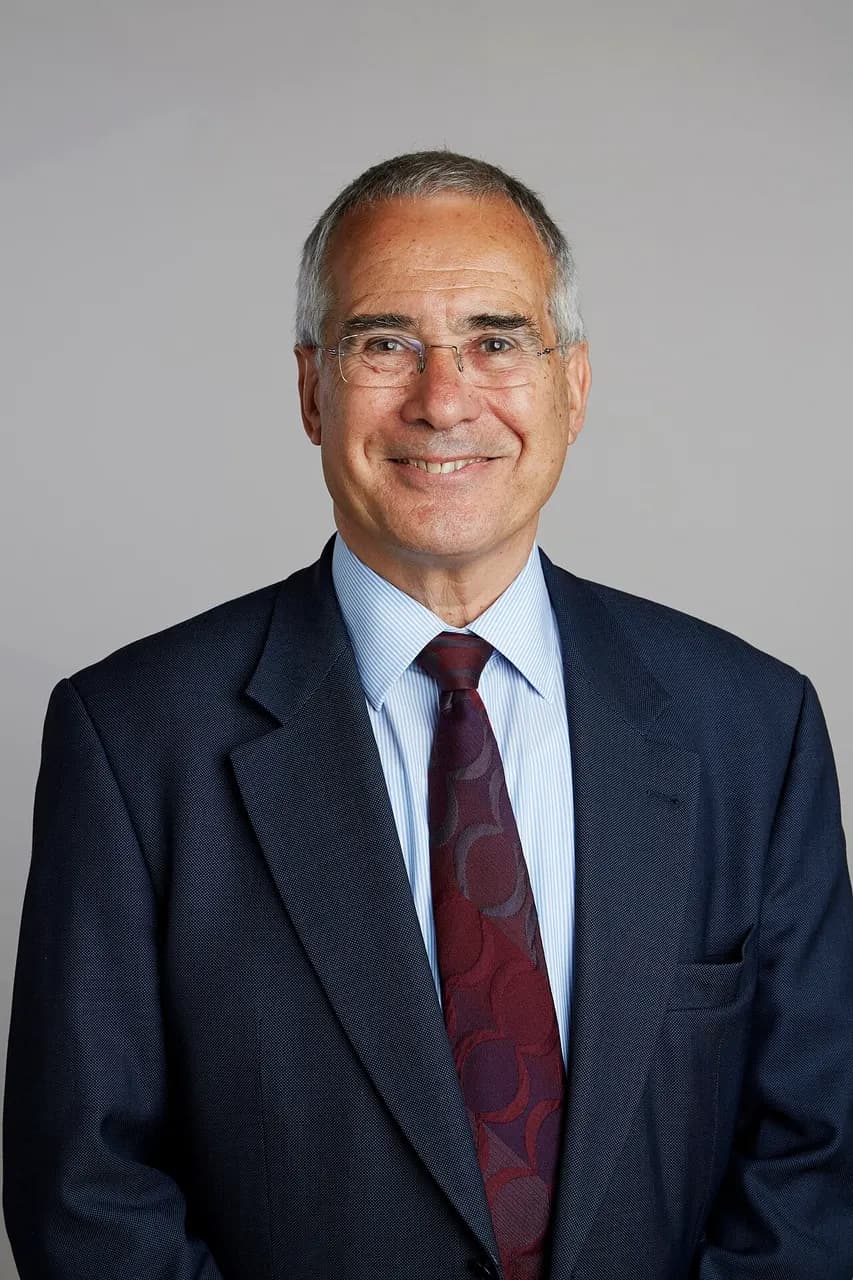 2007–now
Nicholas Stern
IG Patel Professor of Economics and Government; Chair of the Grantham Research Institute
- Teaches
- Economics of climate change · Development and public policy
- Experience
- First holder of the IG Patel Chair at LSE since 2007; previously Chief Economist of the World Bank.
Climate change is a result of the greatest market failure the world has seen.
More- C2002–now
Conor Gearty
Professor of Human Rights Law, LSE Law School
- Teaches
- Human rights law · Civil liberties and counter-terrorism law
- Experience
- Directed the LSE Centre for the Study of Human Rights from 2002 to 2009 and has taught human rights law at the school since.
The campus in photographs
Photographs come from Wikimedia Commons under free licences; the author and licence are shown on each image.
People who studied or taught here
Reviews
No reviews yet. Visited, applied, or studied here? Be the first.