
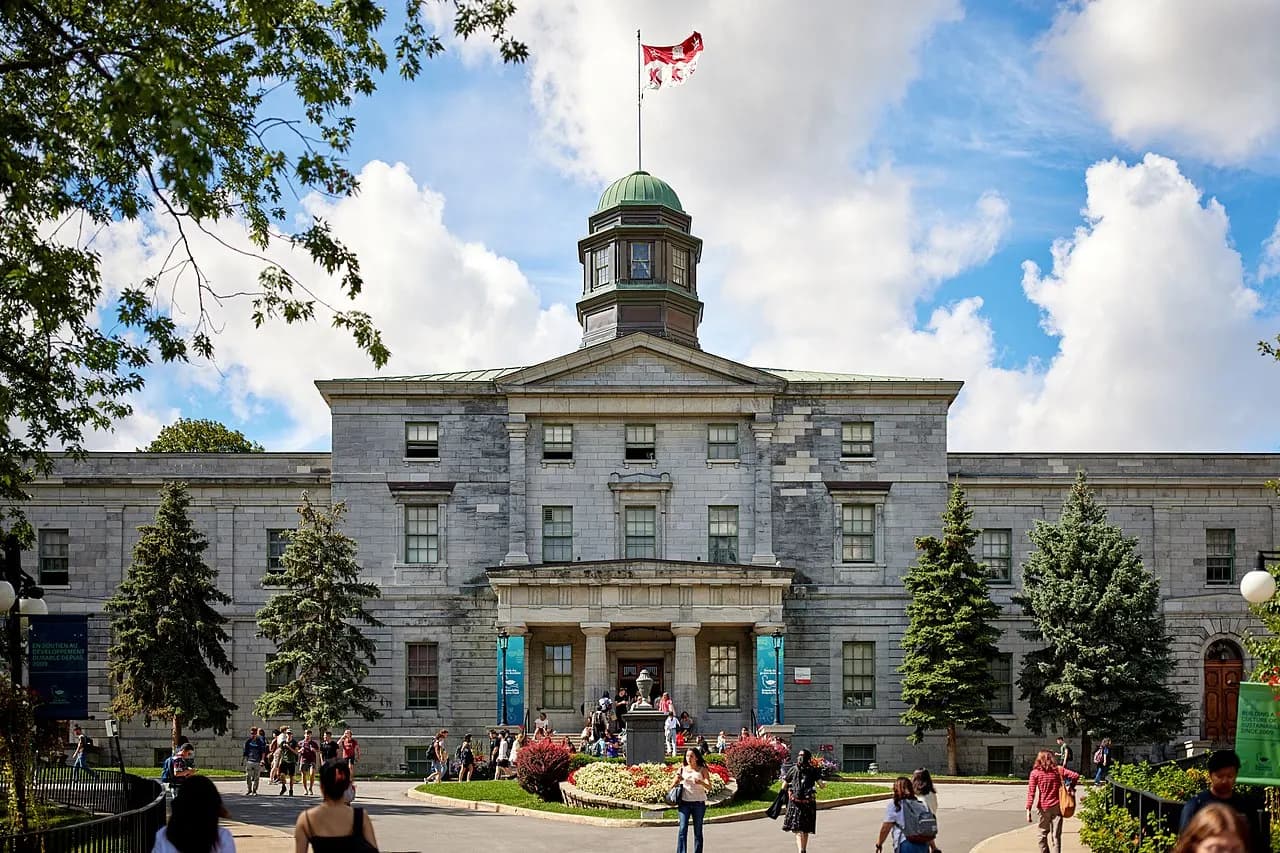
Photo: D. Benjamin Miller · CC0
Canada · Montreal, Quebec
McGill University
A stone campus at the foot of Mount Royal, in North America's most European city
- QS World Ranking 2026
- #27
- Founded
- 1821
- Students
- 40,000
- Bachelor's degree
- 4 years
- Acceptance rate
- Roughly 40% overall; medicine, law and management admit far fewer
- Typical IB offer
- 32–38 points depending on faculty, with specific Higher Level subjects
- Language of instruction
- English. Montreal is French-speaking, and free French courses are available, but no French is needed for the degree.
Worth knowing
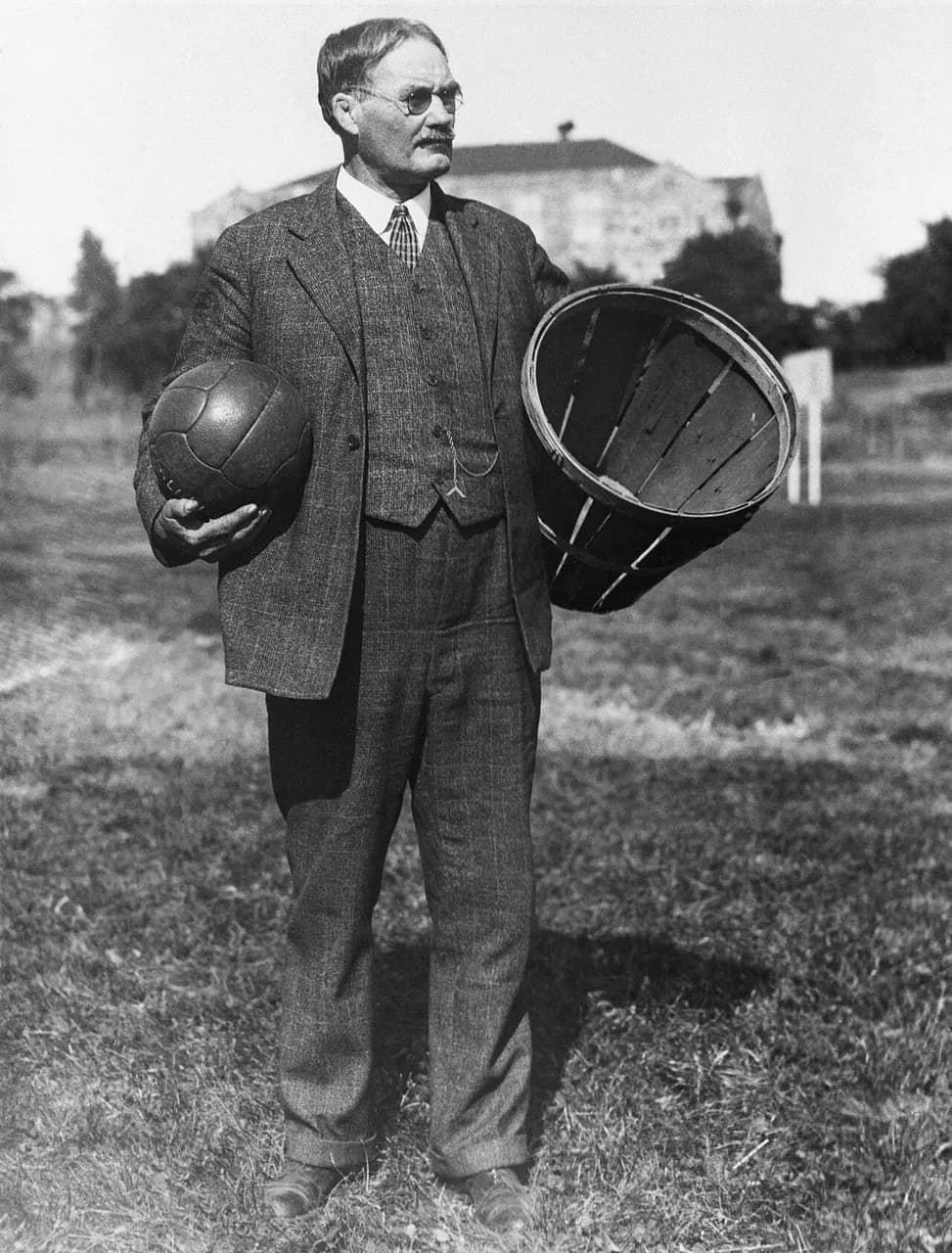
James Naismith, a McGill graduate, invented basketball in 1891 by nailing two peach baskets to a gymnasium balcony. The first organised ice hockey game in history was played in Montreal in 1875, and McGill students formed the teams; the university club wrote the first set of written hockey rules two years later.
How hard is it to get in, and why
McGill is unusually transparent: admission is based almost entirely on academic results, with published minimum IB scores per faculty, and there is no interview or personal essay for most programmes. That makes it predictable, but it also means there is nothing to compensate for a score below the cut-off. Management, engineering and the health sciences carry the highest thresholds. Students with a full IB Diploma can often enter directly into the second year, finishing a bachelor's degree in three years.
What it costs
Tuition
$26k–44k per year
International tuition for 2025–26 runs from about C$36,000 for arts to C$60,000 a year for management and engineering; some programmes have deregulated higher fees. Converted at about 0.73 dollars to the Canadian dollar.
Living costs
$13k–18k per year
Scholarships and financial aid
McGill awards a limited number of entrance scholarships on academic merit to international students, from one-off amounts of a few thousand dollars to renewable major awards worth up to C$12,000 a year. Applying by the early scholarship deadline in January is required. Need-based aid for international undergraduates is minimal.
How to apply
Apply directly through McGill's own portal by 15 January for September entry. The application is short: results, course choices and a few supporting documents, with no personal essay for most faculties. Music requires an audition and architecture a portfolio. Offers are made on predicted results from February onwards and confirmed when the IB Diploma arrives in July.
Official websiteWhat makes it special
- The campus runs from Sherbrooke Street up the slope of Mount Royal, so lectures end with a view over the city and a hiking trail behind the buildings.
- Ernest Rutherford did the work that won him the Nobel Prize here, showing that radioactivity is atoms transforming into other elements.
- The Montreal Neurological Institute, founded by Wilder Penfield, mapped the functions of the human cortex and remains a world centre for brain research.
- Montreal is consistently rated one of the best student cities in the world, with low rents by North American standards and a serious music scene.
- Winters are genuinely cold, down to minus twenty, and the underground city lets you cross downtown without going outside.
About studying in Canada
Four-year degrees and admission based mainly on grades, so a strong predicted IB score does most of the work; engineering and commerce add short supplementary applications. Ontario universities use the OUAC portal, others take direct applications, with deadlines in mid-January. International tuition at the top three runs from roughly US$35,000 to US$55,000 a year, and graduates can apply for a post-graduation work permit of up to three years.
Teaching staff
Who runs the university, who teaches, and how lessons actually work.
- Student–faculty ratio
- 16:1
- Academic staff
- ~3 500
- Nobel laureates affiliated
- 15
McGill has roughly 3,500 academic staff — about 1,750 of them tenure-track — for some 40,000 students, giving a student-faculty ratio near 16:1. Fifteen Nobel laureates have been associated with the university, among them Ernest Rutherford, who did the work on radioactive decay here that later won him the prize. The head of the university carries the old Scottish title of Principal and Vice-Chancellor; since 2023 the post has been held by H. Deep Saini, a plant physiologist. Under him are eleven faculties and thirteen schools, each with a dean: Arts and Science — separate faculties here, unlike at Toronto — plus Medicine and Health Sciences, Engineering, Law, the Desautels Faculty of Management, Education, Agricultural and Environmental Sciences on the Macdonald campus, and the Schulich School of Music.
Teaching leans on the North American pattern with a distinctly British inheritance in the Faculty of Law, which trains students in both civil and common law at once — a combination few universities in the world attempt. Elsewhere a lecture is followed by conferences and laboratory sessions run by teaching assistants, and evaluation is spread across assignments, midterms and finals. Undergraduate Research Awards fund summer positions in professors' laboratories, and honours programmes in most departments require a supervised thesis in the final year. Medicine takes students directly from CEGEP or from an undergraduate degree into a four-year programme built around early clinical contact at the McGill University Health Centre.
Some things here are particular to McGill. The Montreal Neurological Institute, founded by Wilder Penfield in 1934, is where the functional map of the human cortex was drawn from operations on conscious epilepsy patients — the origin of the famous cortical homunculus. Donald Hebb, working in the psychology department, formulated in 1949 the learning rule usually summarised as "cells that fire together wire together", which remains the conceptual seed of neural network research. And McGill is a bilingual island: instruction is in English, the city around it works in French, and most students end up moving between the two without much ceremony.
Teachers worth knowing
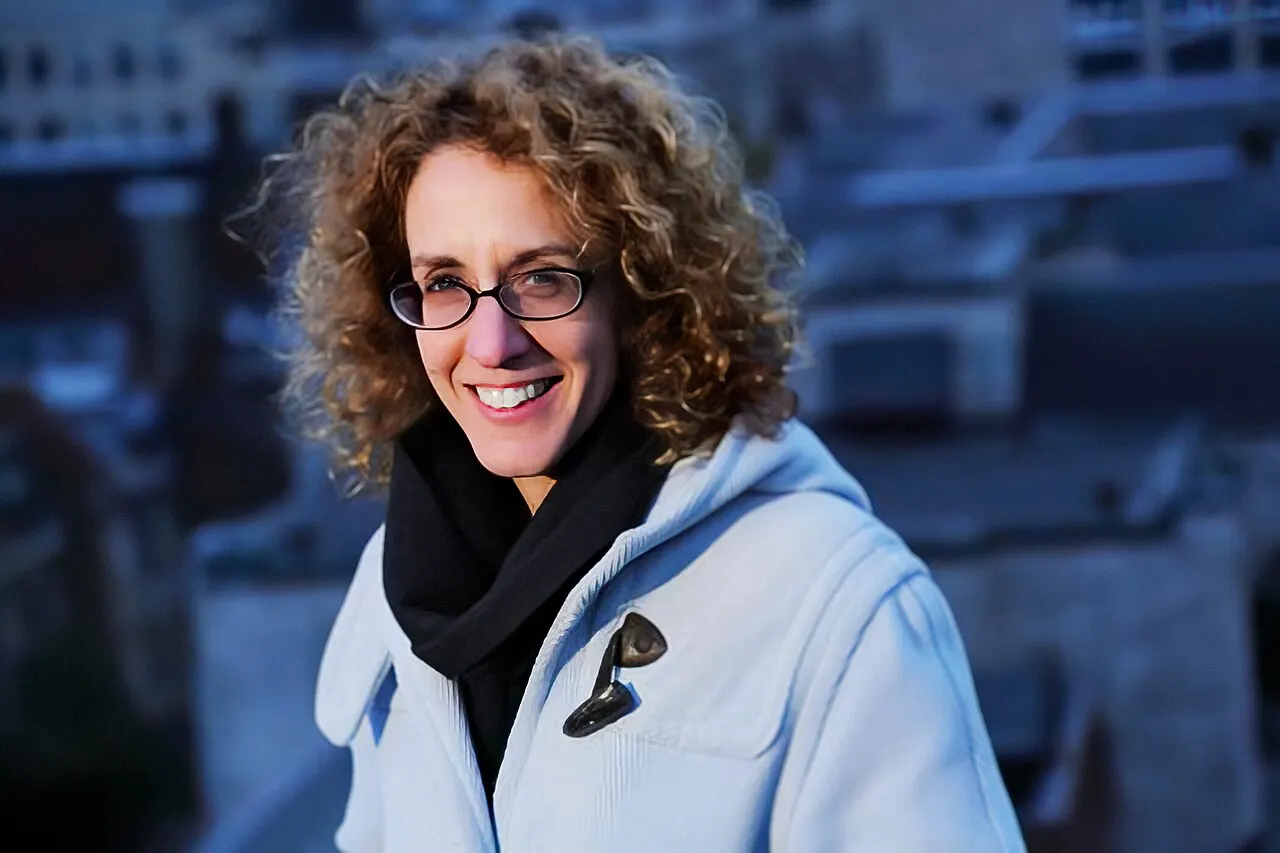 1999–now
Victoria Kaspi
Distinguished James McGill Professor of Physics; Director, Trottier Space Institute
- Teaches
- Neutron stars and pulsars · Fast radio bursts
- Experience
- At McGill since 1999; founded the Space Institute in 2015 and leads the CHIME fast radio burst project.
- N1979–now
Nahum Sonenberg
James McGill Professor of Biochemistry, Goodman Cancer Institute
- Teaches
- Translational control of protein synthesis · Molecular basis of memory and cancer
- Experience
- At McGill since 1979; Gairdner International Award 2008 and Wolf Prize in Medicine 2014.
- J2019–now
Jennifer Welsh
Canada 150 Research Chair in Global Governance and Security; Director, Centre for International Peace and Security Studies
- Teaches
- International relations and global governance · Humanitarian intervention and the Responsibility to Protect
- Experience
- At McGill since 2019; previously fifteen years at Oxford and a chair at the European University Institute in Florence.
The campus in photographs
Photographs come from Wikimedia Commons under free licences; the author and licence are shown on each image.
People who studied or taught here
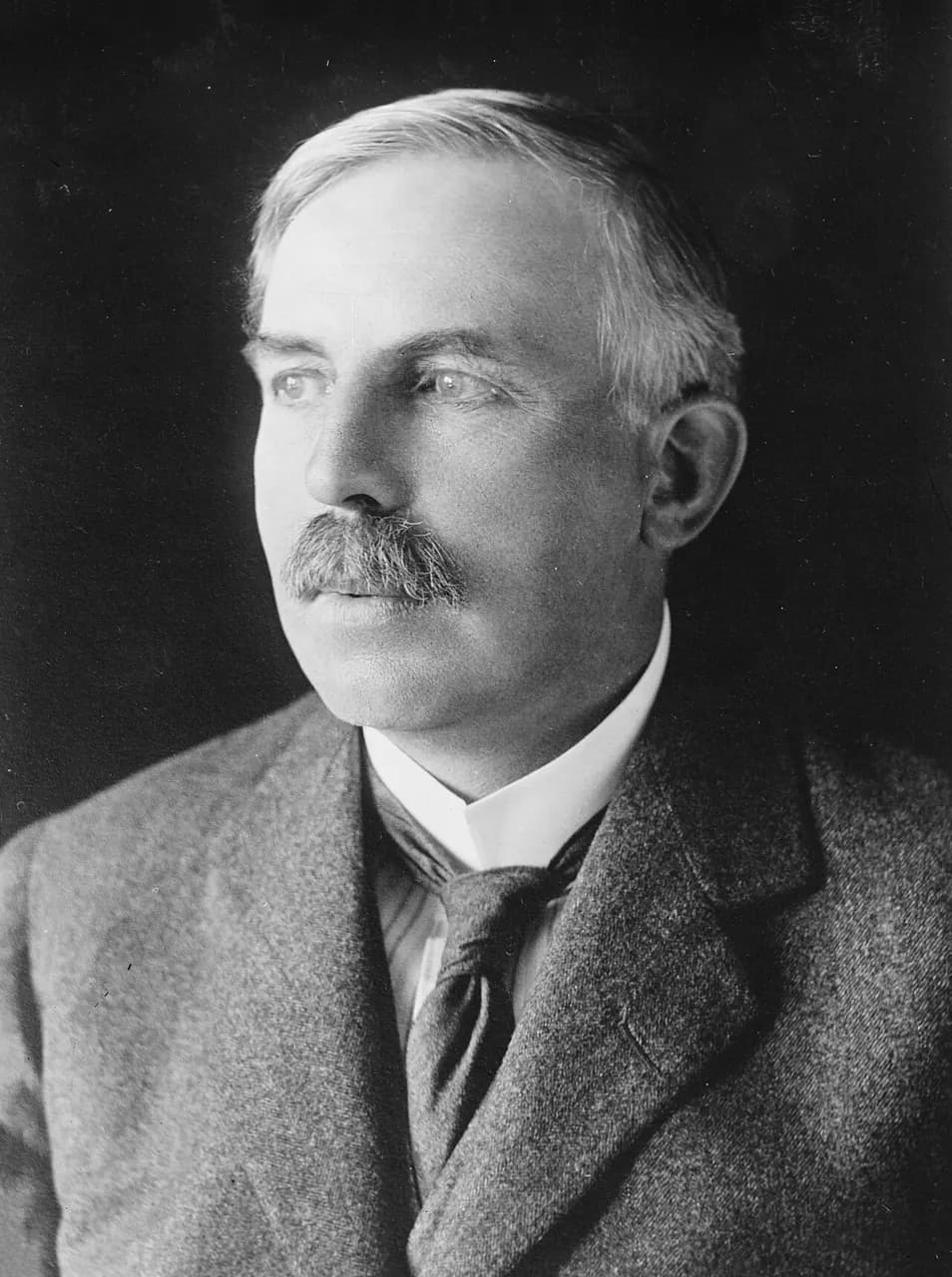 Ernest Rutherford
Physicist, Nobel Prize in Chemistry 1908, father of nuclear physics
Professor · 1898–1907

Reviews
No reviews yet. Visited, applied, or studied here? Be the first.