
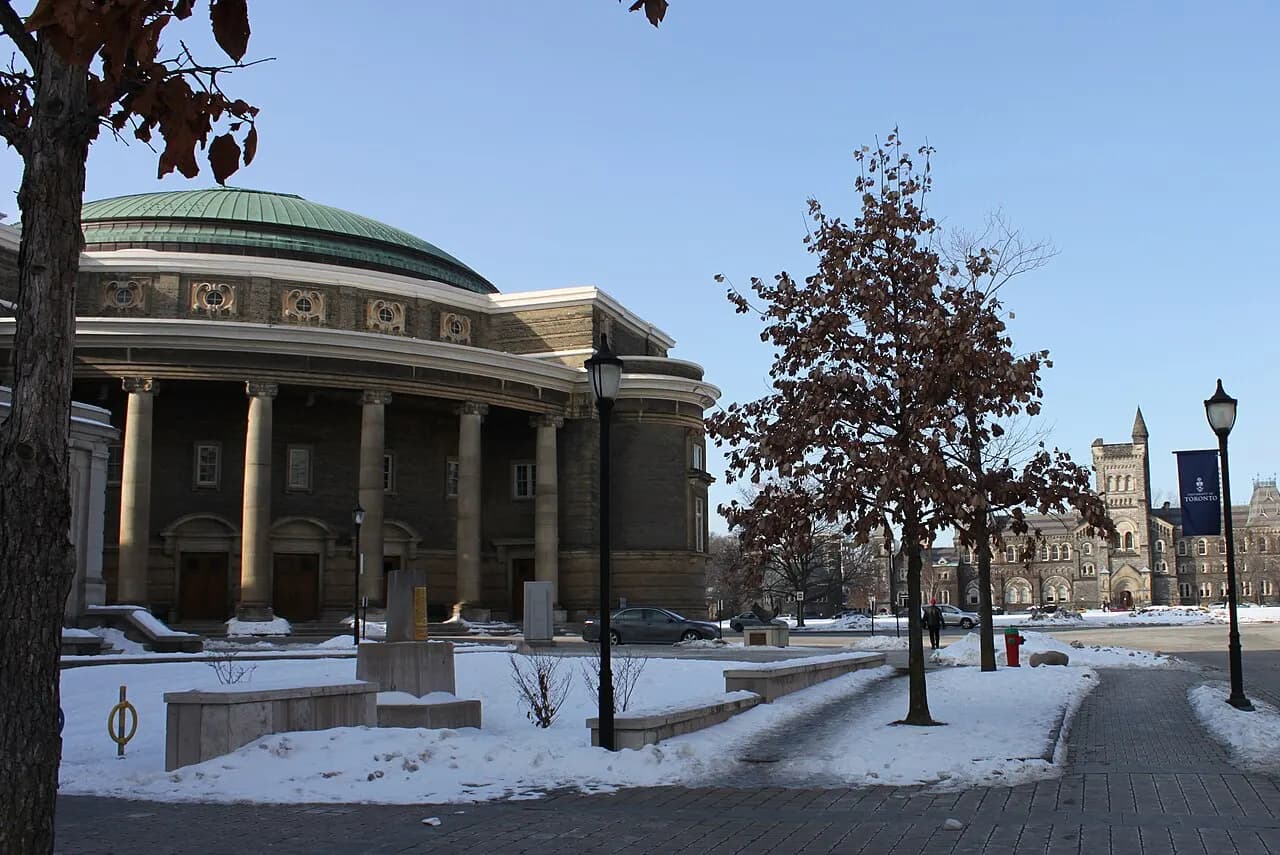
Photo: KTMAR · CC BY 3.0
Canada · Toronto, Ontario
University of Toronto
Insulin, stem cells and deep learning all came out of the same campus
- QS World Ranking 2026
- #25
- Founded
- 1827
- Students
- 97,000
- Bachelor's degree
- 4 years
- Acceptance rate
- About 43% overall, but engineering and computer science admit far fewer
- Typical IB offer
- 32–38 points depending on programme; engineering and computer science at the top
- Language of instruction
- English
Worth knowing
Insulin was isolated here in 1921 by Frederick Banting and Charles Best, and within two years it was saving children who had been given weeks to live. The discoverers sold the patent to the university for one dollar each so that no company could hold the price hostage. A century later Geoffrey Hinton's group in the same university laid the foundations of modern deep learning.
How hard is it to get in, and why
Admission is based mainly on grades, so a strong predicted IB score with the right Higher Level subjects does most of the work, and there are no essays about who you are as a person. The difficulty is concentrated in specific programmes: computer science and engineering receive many times more applications than places and add a supplementary application with short video or written answers. The other well-known feature is what happens after you arrive, since first-year courses are large and graded on a curve, and Toronto is candid that the workload is heavy.
What it costs
Tuition
$45k–52k per year
International tuition for 2025–26 runs from about C$62,000 for arts and science to C$71,000 a year for engineering and computer science. Converted at about 0.73 dollars to the Canadian dollar.
Living costs
$15k–20k per year
Scholarships and financial aid
The Lester B. Pearson International Scholarship is the flagship award, covering tuition, books, fees and residence for four years, and it goes to a very small number of students each year who must be nominated by their school. The University of Toronto Scholars programme and college-specific awards offer smaller sums. Most international students pay the full fee.
How to apply
Apply through the Ontario Universities' Application Centre, with the international deadline in mid-January for September entry. You choose a specific admission category, such as life sciences or engineering, rather than a single named degree, and you specialise later. Engineering and computer science require a supplementary application in the winter with short written or recorded answers. Offers arrive between February and May, conditional on final IB results.
Official websiteWhat makes it special
- Three campuses: the downtown St George campus in the middle of the city, plus Mississauga and Scarborough, each with its own character.
- St George is organised into colleges such as Trinity, Victoria and University College, which handle housing, advising and a good deal of student life.
- Engineering offers the Professional Experience Year, a paid twelve-to-sixteen-month placement in industry between the third and fourth years.
- The library system is the third largest in North America by holdings, and the Robarts Library is a famous brutalist landmark shaped like a peacock.
- Graduates can apply for a post-graduation work permit of up to three years, which is the main practical reason many international students choose Canada.
About studying in Canada
Four-year degrees and admission based mainly on grades, so a strong predicted IB score does most of the work; engineering and commerce add short supplementary applications. Ontario universities use the OUAC portal, others take direct applications, with deadlines in mid-January. International tuition at the top three runs from roughly US$35,000 to US$55,000 a year, and graduates can apply for a post-graduation work permit of up to three years.
Teaching staff
Who runs the university, who teaches, and how lessons actually work.
- Academic staff
- ~16 500
- Nobel laureates affiliated
- 11
- Turing Award winners
- 6
Toronto is one of the largest research universities in the English-speaking world: about 16,500 academic staff teach some 103,000 students across three campuses, and eleven Nobel laureates and six Turing Award winners have been affiliated with it. The president since July 2025 is Melanie Woodin, a neuroscientist and the first woman in the role, who came to it after six years as Dean of Arts and Science. Below her sit nineteen academic divisions, most called faculties, each with its own dean: Arts and Science — by far the largest — plus Applied Science and Engineering, Medicine, Law, Rotman Commerce, Information, Music, Architecture and the rest, with the constituent colleges of the St George campus adding another layer of small-scale community inside a very large institution.
Scale changes how teaching works. A first-year lecture can hold seven hundred people, so the real work happens in tutorials of twenty to thirty led by graduate teaching assistants, and in laboratory sections with their own instructors. The First-Year Foundations seminars cap enrolment at roughly twenty-five students with a professor, deliberately, as a counterweight. Engineering runs the Professional Experience Year, a twelve- to sixteen-month paid industrial placement between third and fourth year, and the Research Opportunity Program puts second- and third-year students into faculty laboratories for course credit. Grades are earned across the term rather than in one sitting, and most programmes end with a capstone project or a supervised thesis.
Toronto's history is unusually concrete. Insulin was isolated here in 1921–1922 by Banting and Best in a summer laboratory lent by Professor J. J. R. Macleod, and the university sold the patent for one dollar; the Nobel Prize followed in 1923. Stem cells were identified by Till and McCulloch in 1961. And the modern deep learning revolution started in the computer science department, where Geoffrey Hinton and his students trained the neural network that won ImageNet in 2012 — the reason the Vector Institute for Artificial Intelligence sits a short walk from campus and why a large share of the field's senior researchers passed through Toronto first.
Teachers worth knowing
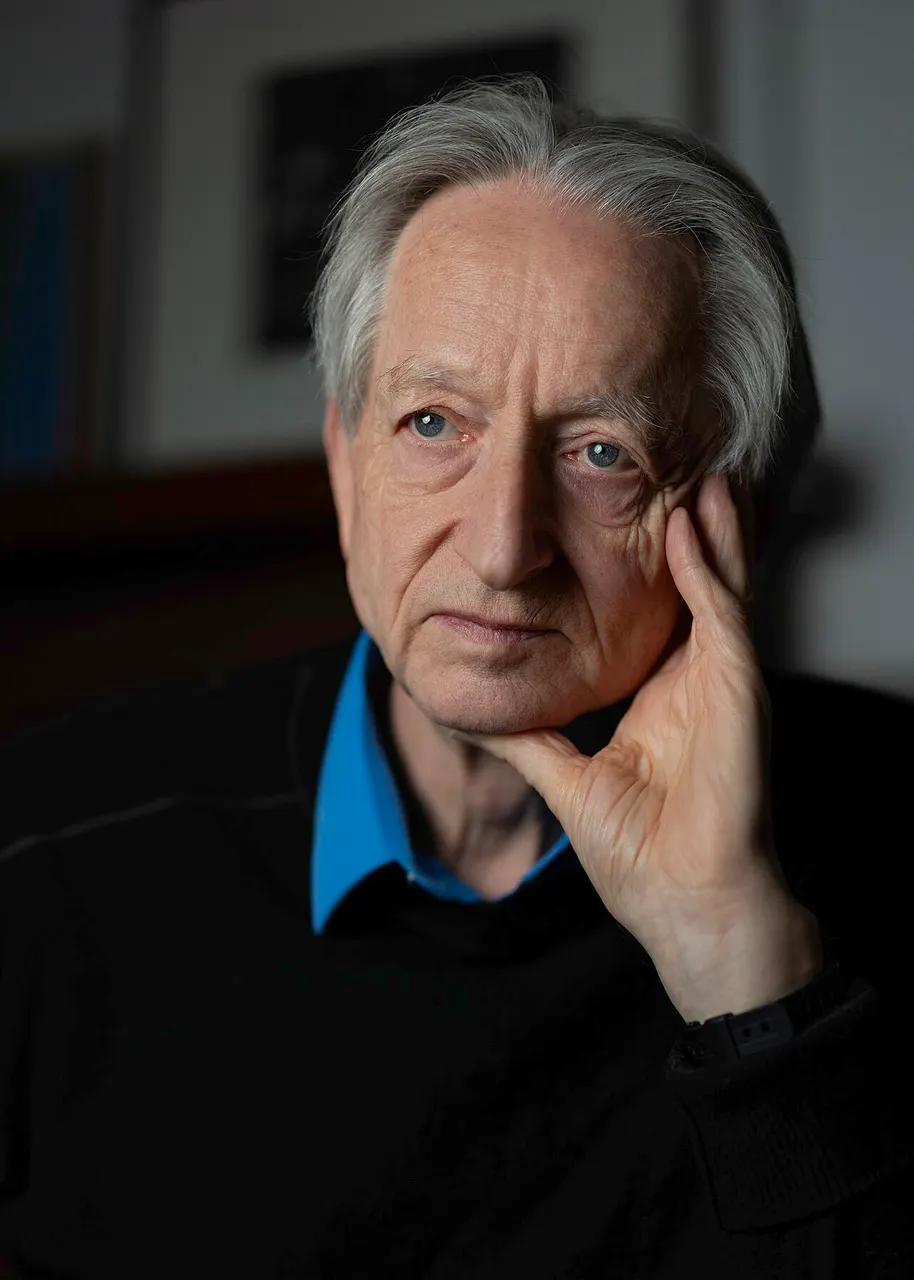 1987–now
Geoffrey Hinton
University Professor Emeritus, Department of Computer Science
- Teaches
- Neural networks and deep learning · Machine learning
- Experience
- At Toronto since 1987; Nobel Prize in Physics 2024 and Turing Award 2018; chief scientific adviser of the Vector Institute.
I thought it would be 30 to 50 years or even longer away. Obviously, I no longer think that.
More- M1995–now
Molly Shoichet
University Professor of Chemical Engineering and Applied Chemistry; Canada Research Chair in Tissue Engineering
- Teaches
- Biomaterials and tissue engineering · Targeted drug delivery
- Experience
- At Toronto since 1995; named University Professor in 2014, the university's highest academic rank.
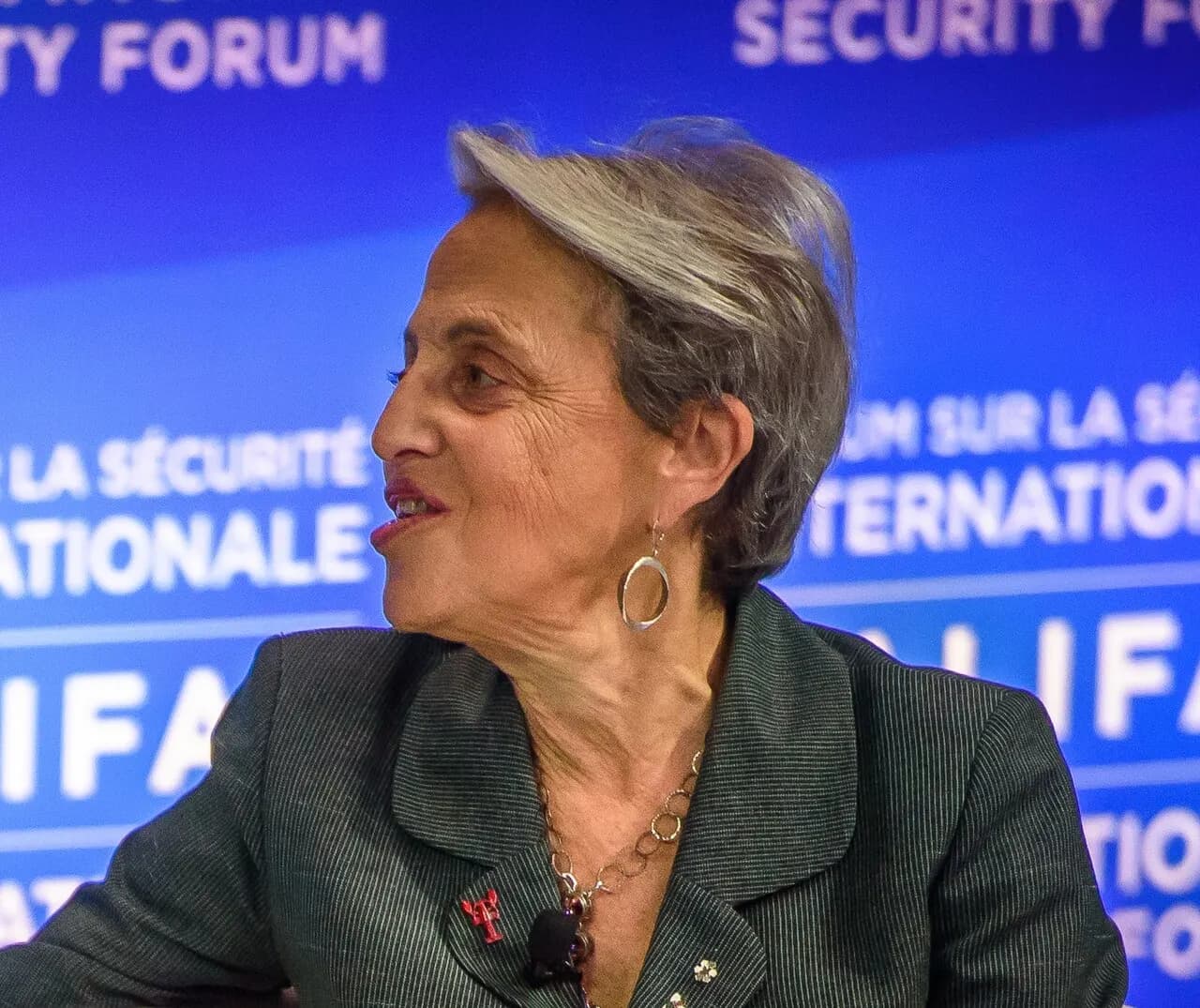 1982–now
Janice Gross Stein
Belzberg Professor of Conflict Management, Department of Political Science; founding director of the Munk School
- Teaches
- International conflict management and negotiation · Foreign policy decision-making
- Experience
- At Toronto since 1982; founding director of the Munk School of Global Affairs and Public Policy.
The campus in photographs
Photographs come from Wikimedia Commons under free licences; the author and licence are shown on each image.
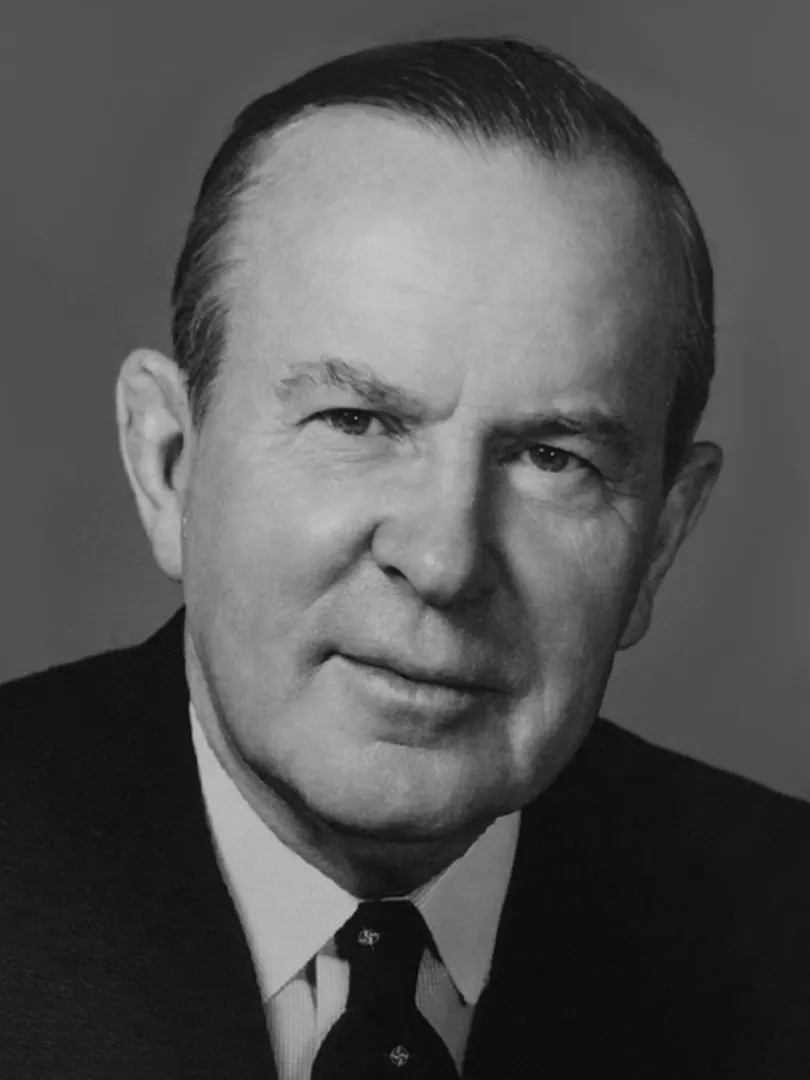
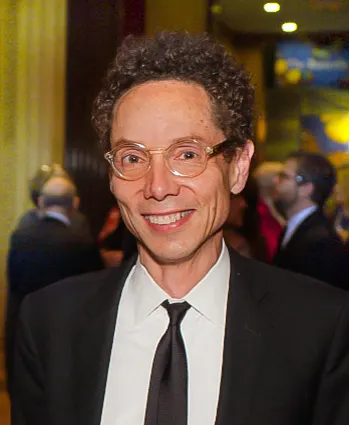
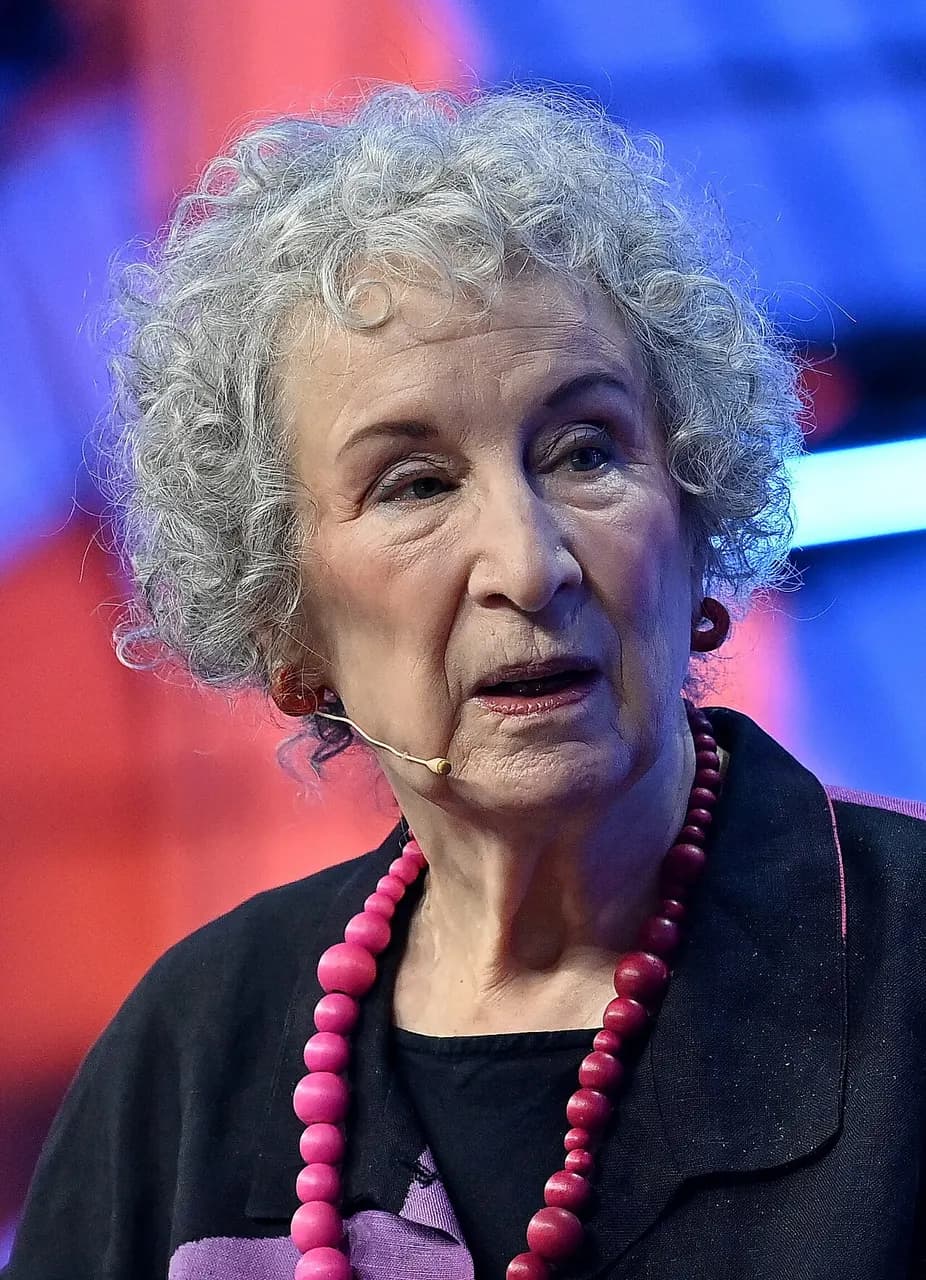
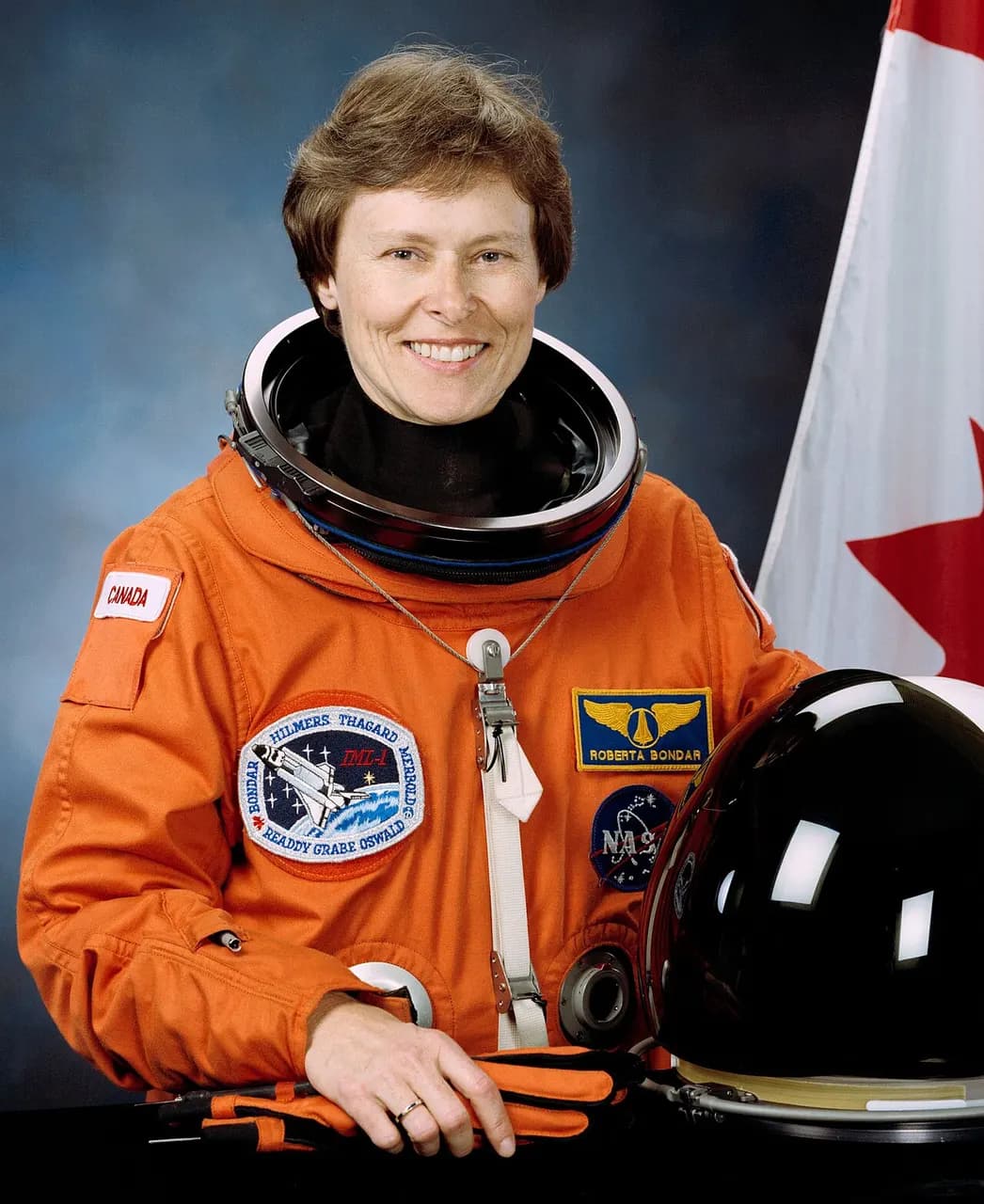
People who studied or taught here
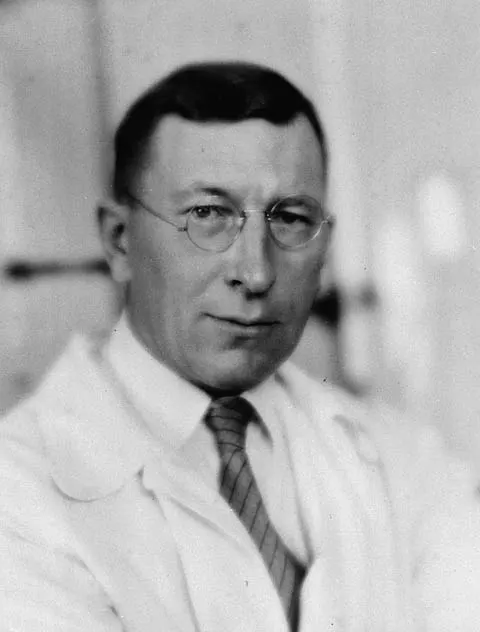 Frederick Banting
Physician, Nobel Prize in Medicine 1923 for discovering insulin
Graduate · 1910–1916
- Geoffrey Hinton
Computer scientist, Turing Award 2018 and Nobel Prize in Physics 2024
Professor · 1987–2023
Reviews
No reviews yet. Visited, applied, or studied here? Be the first.