
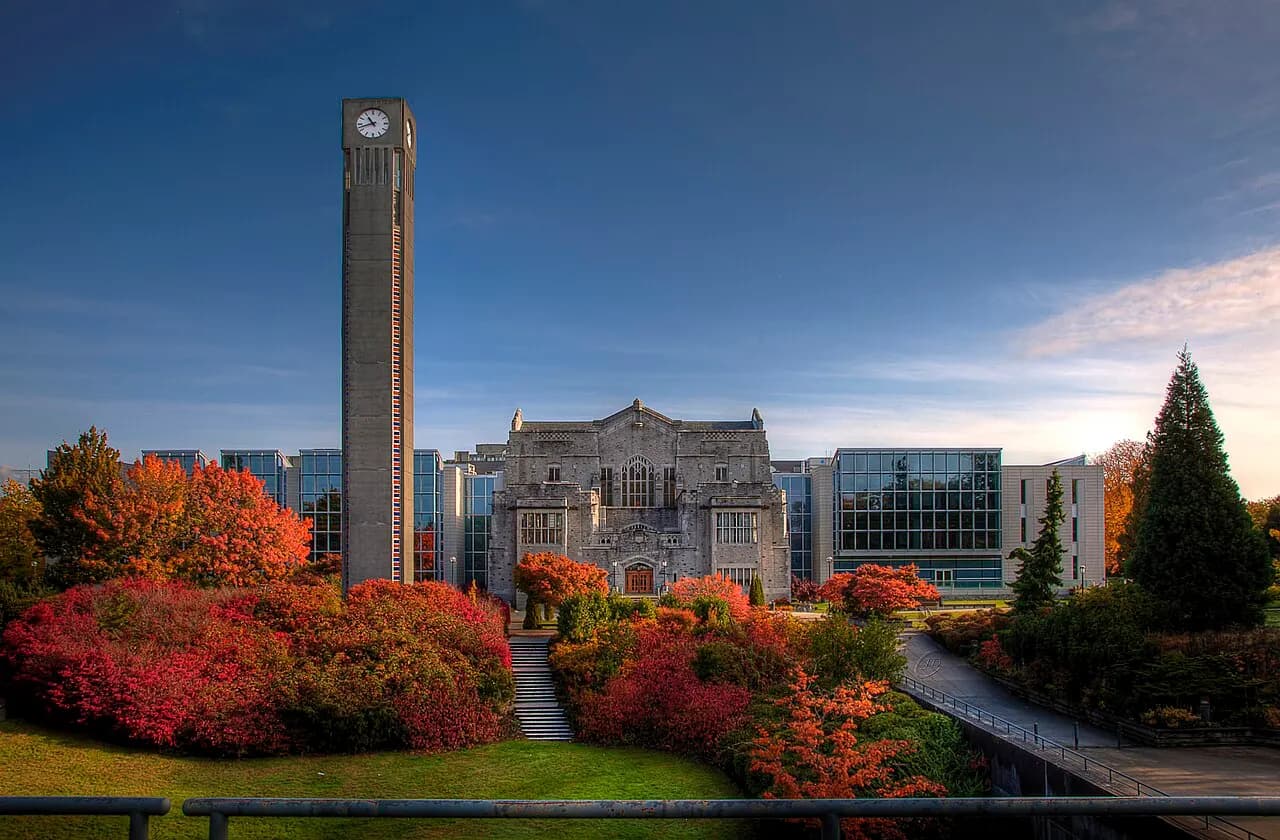
Photo: CjayD · CC BY 2.0
Canada · Vancouver, British Columbia
University of British Columbia
A forest campus on a headland, with the ocean on one side and ski slopes an hour away
- QS World Ranking 2026
- #40
- Founded
- 1908
- Students
- 72,000
- Bachelor's degree
- 4 years
- Acceptance rate
- About 40–50% overall; commerce, engineering and computer science are much tighter
- Typical IB offer
- 30–37 points depending on programme; commerce and computer science at the top
- Language of instruction
- English
Worth knowing
The Vancouver campus sits on Point Grey, a headland surrounded by forest, with the Pacific on one side and the mountains of the North Shore across the water. In winter you can attend a morning lecture and be skiing at Cypress or Grouse by the afternoon. The Museum of Anthropology on campus holds one of the world's great collections of First Nations carving, including enormous cedar totem poles.
How hard is it to get in, and why
UBC is one of the few Canadian universities that reads a personal profile alongside grades: five or six short written answers about what you have done and how you handled something difficult. Grades still come first, and the published IB ranges are the main filter, but the profile genuinely decides borderline cases and is the reason strong applicants sometimes miss out. Commerce and computer science are the most contested, and both expect Higher Level mathematics.
What it costs
Tuition
$33k–45k per year
International tuition for 2025–26 runs from about C$45,000 for arts to C$62,000 a year for commerce and applied science. Converted at about 0.73 dollars to the Canadian dollar.
Living costs
$16k–22k per year
Scholarships and financial aid
The International Major Entrance Scholarship is awarded automatically to strong international applicants on the basis of the application, is renewable for four years, and can be substantial. The Outstanding International Student award adds further support, and a small number of International Scholars awards cover full costs for students who could not otherwise attend.
How to apply
Apply directly through UBC's application system by 15 January for September entry, choosing a faculty and a campus. Every applicant completes the personal profile, a set of short written answers submitted with the application. Predicted IB results are used for early conditional offers from February onwards. Some programmes, including music and architecture, add auditions or portfolios.
Official websiteWhat makes it special
- The campus is effectively its own town, with around fifteen thousand students living on site and a botanical garden, beach and forest trails inside its boundaries.
- Earth, ocean and atmospheric sciences, forestry and sustainability research are unusually strong, which fits the setting.
- Co-op programmes alternate study terms with paid work placements, so many students graduate with more than a year of professional experience.
- There is a second campus in Kelowna in the Okanagan valley, smaller and with lower entry requirements for some programmes.
- Vancouver is mild but famously rainy from November to March, and rents in the city are the highest in Canada.
About studying in Canada
Four-year degrees and admission based mainly on grades, so a strong predicted IB score does most of the work; engineering and commerce add short supplementary applications. Ontario universities use the OUAC portal, others take direct applications, with deadlines in mid-January. International tuition at the top three runs from roughly US$35,000 to US$55,000 a year, and graduates can apply for a post-graduation work permit of up to three years.
Teaching staff
Who runs the university, who teaches, and how lessons actually work.
- Faculty (Vancouver)
- ~5 700
- Nobel laureates affiliated
- 8
- Annual research budget
- ~CAD 893 млн
UBC employs about 5,700 faculty on its Vancouver campus alone and teaches some 72,500 students across Vancouver and the Okanagan. Eight Nobel laureates, 75 Rhodes Scholars and more than 300 fellows of the Royal Society of Canada have been affiliated with it, and the annual research budget runs near 900 million Canadian dollars. The president since 2023 is Benoit-Antoine Bacon, a cognitive neuroscientist. Twelve faculties operate in Vancouver and seven in the Okanagan, each with a dean: Arts is the largest with twenty departments and schools, Science second with nine, and then Applied Science, Medicine, Sauder Business, Law, Forestry, Land and Food Systems, Education, Dentistry, Pharmaceutical Sciences and the Graduate School.
The teaching model here was deliberately rebuilt. Between 2007 and 2017 the Carl Wieman Science Education Initiative — run by a Nobel laureate in physics whom UBC hired for the purpose — put trained education specialists inside science departments and pushed large first-year courses away from straight lecturing toward clicker questions, peer instruction and in-class problem solving; the results were published and the approach spread to other universities. Beyond that, undergraduates have the Work Learn programme of paid on-campus jobs, co-op placements in engineering, science, forestry and business that alternate study terms with paid work, and the Undergraduate Research Opportunities programme that puts students into laboratories from second year.
UBC's own subjects are shaped by where it sits. Forestry and oceanography are serious departments, not ornamental ones: the Faculty of Forestry is among the largest in the world and the Institute for the Oceans and Fisheries runs long-term stock assessments used in international fisheries policy. TRIUMF, Canada's particle accelerator centre, sits on the south end of campus with the world's largest cyclotron and supplies medical isotopes as well as beam time for physics. And the Museum of Anthropology on the cliff edge holds one of the great collections of Northwest Coast First Nations work, used as a teaching collection rather than a display case.
Teachers worth knowing
- S1995–now
Sarah P. Otto
Killam Professor of Zoology; Canada Research Chair in Theoretical and Experimental Evolution
- Teaches
- Evolutionary biology and population genetics · Mathematical modelling in biology
- Experience
- At UBC since 1995; directed the Biodiversity Research Centre from 2008 to 2016; MacArthur Fellow 2011.
- J2021–now
Jeff Clune
Professor of Computer Science; Canada CIFAR AI Chair, Vector Institute
- Teaches
- Artificial intelligence and deep learning · Open-ended learning and evolutionary algorithms
- Experience
- At UBC since 2021, alongside a research role at Google DeepMind; previously at OpenAI, Uber AI Labs and the University of Wyoming.
- K2003–now
Kevin Leyton-Brown
Professor of Computer Science, Department of Computer Science
- Teaches
- Game theory and mechanism design · Machine learning for algorithm design
- Experience
- At UBC since 2003; Fellow of the Royal Society of Canada (2023) and AAAI Fellow.
The campus in photographs
Photographs come from Wikimedia Commons under free licences; the author and licence are shown on each image.
People who studied or taught here
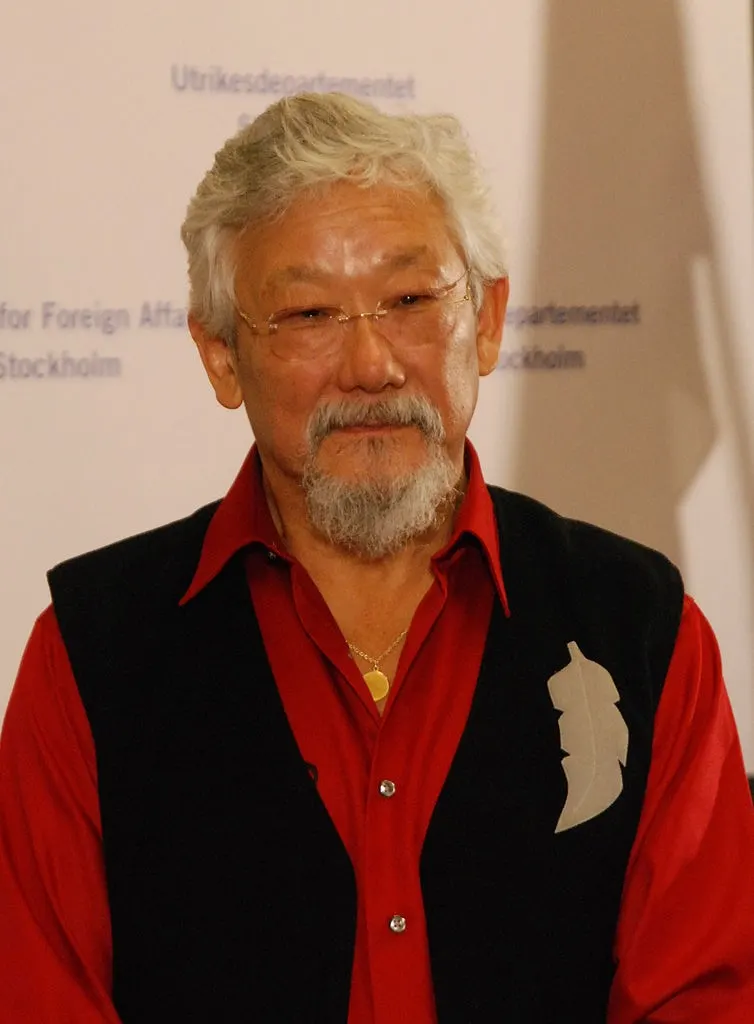
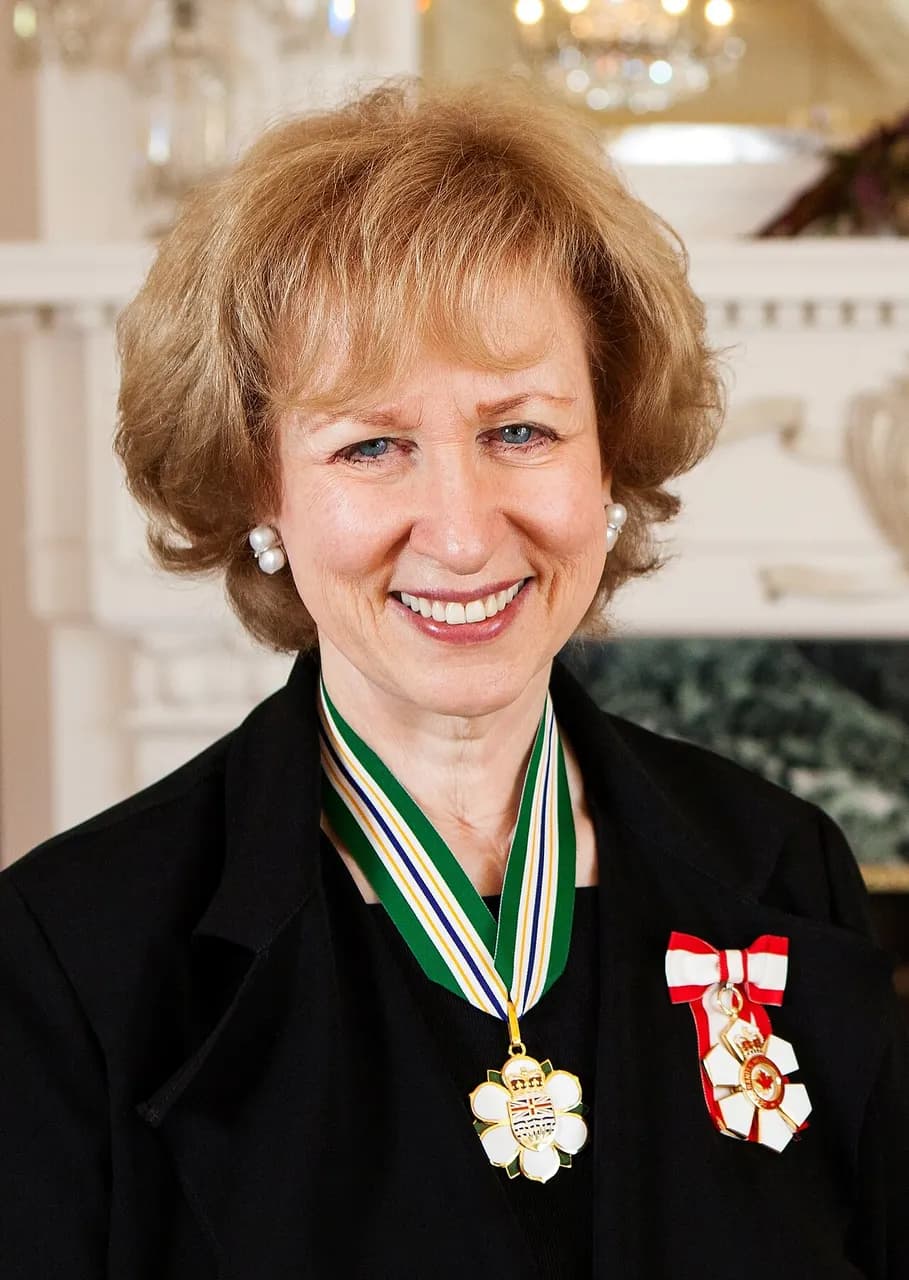
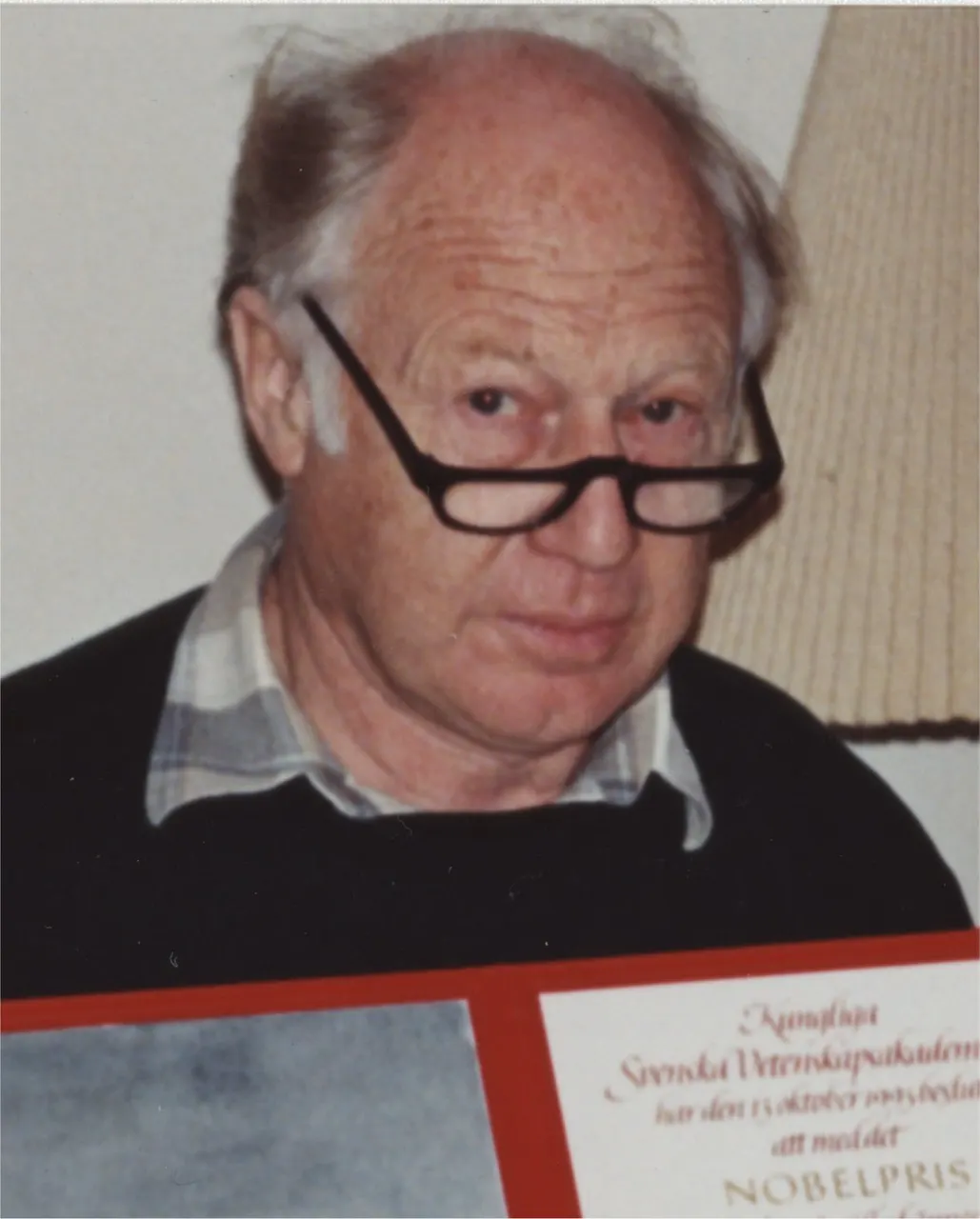 Michael Smith
Biochemist, Nobel Prize in Chemistry 1993 for site-directed mutagenesis
Professor · 1966–2000
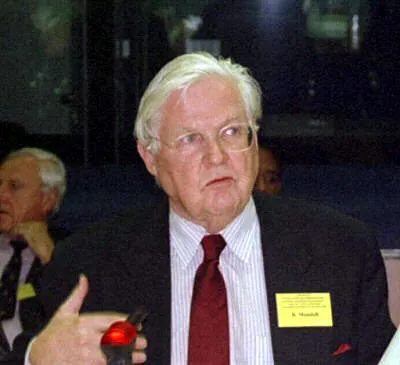 Robert Mundell
Economist, Nobel Prize in Economics 1999, intellectual father of the euro
Graduate · 1949–1953
Reviews
No reviews yet. Visited, applied, or studied here? Be the first.