
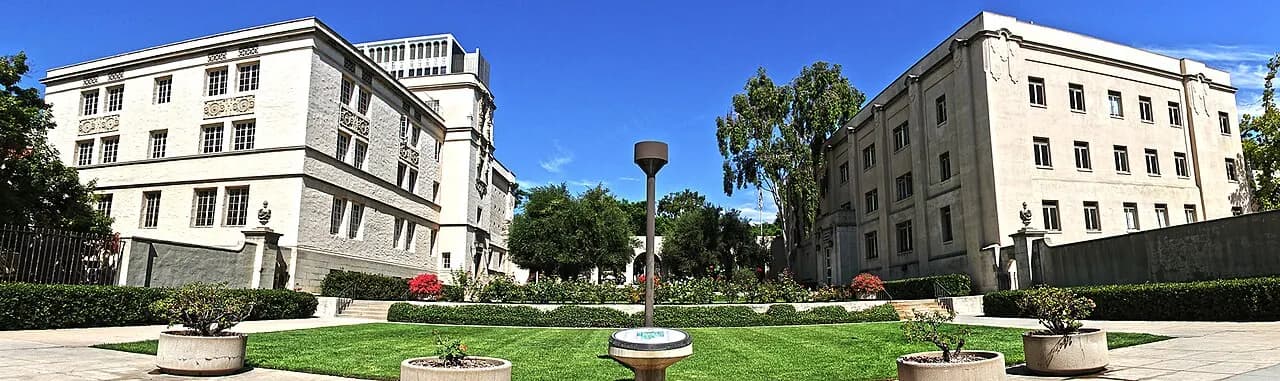
Photo: Canon.vs.nikon · CC BY-SA 3.0
United States · Pasadena, California
California Institute of Technology
A 1,000-undergraduate science institute that runs NASA's Jet Propulsion Laboratory
- QS World Ranking 2026
- #10
- Founded
- 1891
- Students
- 2,400
- Bachelor's degree
- 4 years
- Acceptance rate
- 3.8%
- Typical IB offer
- 43–45 (no formal minimum; HL Mathematics and HL Physics or Chemistry expected)
- Language of instruction
- English
Worth knowing
Caltech manages the Jet Propulsion Laboratory for NASA, the centre that built and still drives the Mars rovers Curiosity and Perseverance and talks daily to the Voyager probes beyond the solar system. It is also where the fictional Sheldon Cooper of The Big Bang Theory works — and where the real LIGO team first detected gravitational waves, earning the 2017 Nobel Prize in Physics.
How hard is it to get in, and why
Caltech admits about 430 students a year: the Class of 2029 rate was 3.8%, and the Class of 2028's 2.3% was the lowest of any US university. Every applicant must have taken calculus, physics and chemistry, the SAT or ACT is required again, and the supplement asks specifically about STEM projects you have pursued on your own. There are no interviews, so essays and two teacher references carry the whole picture, and because the institute is need-aware for internationals, asking for aid makes an already narrow door narrower.
What it costs
Tuition
$69k per year
2026–27 tuition; mandatory fees add $2,655. The same price for all students; need is met in full for those admitted with aid.
Living costs
$27k–33k per year
Scholarships and financial aid
Caltech is need-blind for US students but need-aware for internationals, because its international aid fund is small; a request for aid may therefore affect the decision. Those admitted with aid have 100% of demonstrated need met through grants, work-study and small loans. International applicants must apply for aid at the same time as for admission — if you don't, you cannot apply in any later year. Caltech offers no merit scholarships.
How to apply
Apply via the Common App or QuestBridge: Restrictive Early Action by 1 November (decision mid-December) or Regular Decision by 4 January (decision mid-March), with supporting materials accepted a few days after each deadline. The SAT or ACT is required (tests taken by 30 November for REA, 31 December for RD), and any AP or IB results must be reported. You need two teacher references — one from a STEM subject, one from humanities — a school report and several Caltech-specific essays about your scientific interests. Caltech does not interview at all, and most international applicants must also submit an English-proficiency test.
Official websiteWhat makes it special
- Around 1,000 undergraduates and 1,400 graduate students with a student-to-faculty ratio of 3:1: you will know your professors, and more than 80% of undergraduates do research through the SURF summer fellowship programme.
- Everyone, whatever their major, completes the same core: five terms of mathematics, five of physics, plus chemistry, biology and a lab — which is why a Caltech transcript is trusted anywhere.
- An honour code — 'no member of the Caltech community shall take unfair advantage of any other member' — means take-home, unsupervised exams and 24-hour access to labs.
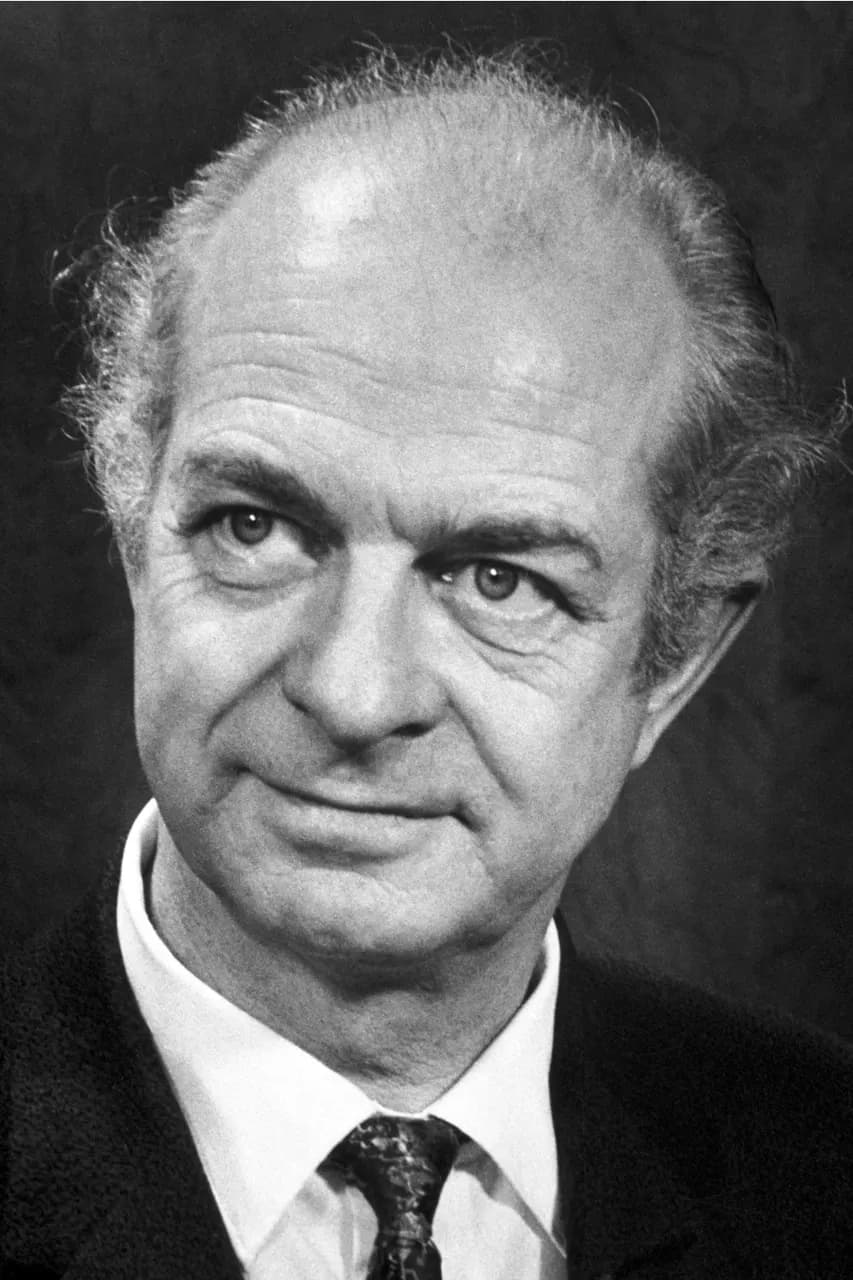
- More than 40 Nobel laureates among alumni and faculty, from Linus Pauling and Richard Feynman to the LIGO founders; Caltech also runs the Palomar Observatory and co-runs the Keck telescopes in Hawaii.
- Students live in eight houses with their own dining halls and rituals; on Ditch Day the seniors vanish and leave elaborate puzzle 'stacks' for the younger years to crack.
- Pasadena is a leafy suburb of Los Angeles at the foot of the San Gabriel Mountains: the Rose Parade passes a few streets from campus every New Year's Day, and the Pacific beaches are an hour away.
About studying in United States
Four-year degrees and holistic admissions: universities read essays, recommendations and a record of what you have built or led, not only grades. Applications go through the Common App by early November (early rounds) or early January; most top universities have brought back SAT or ACT scores. Sticker prices are the highest in the world, but Harvard, MIT, Yale, Princeton and a few others admit international students without looking at family income and then cover the full demonstrated need.
Teaching staff
Who runs the university, who teaches, and how lessons actually work.
- Student–faculty ratio
- 3:1
- Professorial faculty
- ~300
- Nobel laureates (faculty and alumni)
- ~40
Caltech is deliberately tiny: about 300 professorial faculty for roughly 1,000 undergraduates and 1,300 graduate students, giving a student–faculty ratio near three to one. Around forty Nobel laureates have been faculty or alumni, and because there are no large teaching-assistant armies, a laureate genuinely does grade the occasional problem set. The president leads six academic divisions rather than schools — Physics, Mathematics and Astronomy; Chemistry and Chemical Engineering; Biology and Biological Engineering; Engineering and Applied Science; Geological and Planetary Sciences; and Humanities and Social Sciences — and the Institute also manages the Jet Propulsion Laboratory for NASA.
Classes are small enough that a lecture and a discussion are often the same room. Every undergraduate takes the same demanding core of five terms of mathematics and physics regardless of major, plus laboratory work and a dozen humanities courses. The whole Institute runs on an honour code — a single sentence forbidding unfair advantage — which in practice means take-home, unproctored examinations where the instructions state how many hours you may spend and which books you may open, and students are trusted to comply. Nearly every undergraduate does research, most through the Summer Undergraduate Research Fellowships, which pay students to work ten weeks in a laboratory and end with a written paper and a talk.
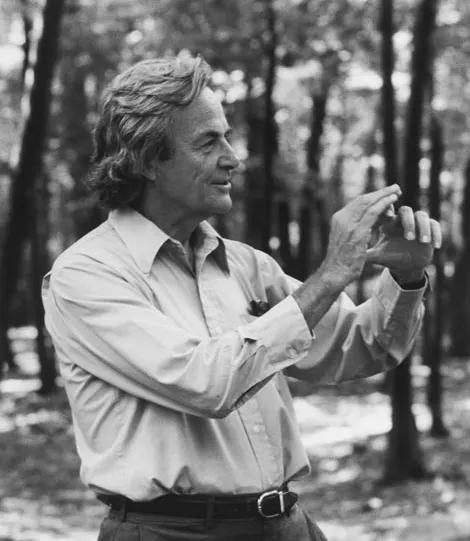
The traditions are distinctive even by engineering-school standards. Ph 1 and Ma 1, the first-year physics and mathematics sequences, are the shared ordeal every alumnus remembers. Richard Feynman's lectures, given here in 1961–1963 and published as The Feynman Lectures on Physics, are free online and still the reference text for a generation of physicists. And on Ditch Day the seniors vanish for a day, leaving behind elaborate engineered puzzles — stacks — that underclassmen must solve to get into their rooms.
Teachers worth knowing
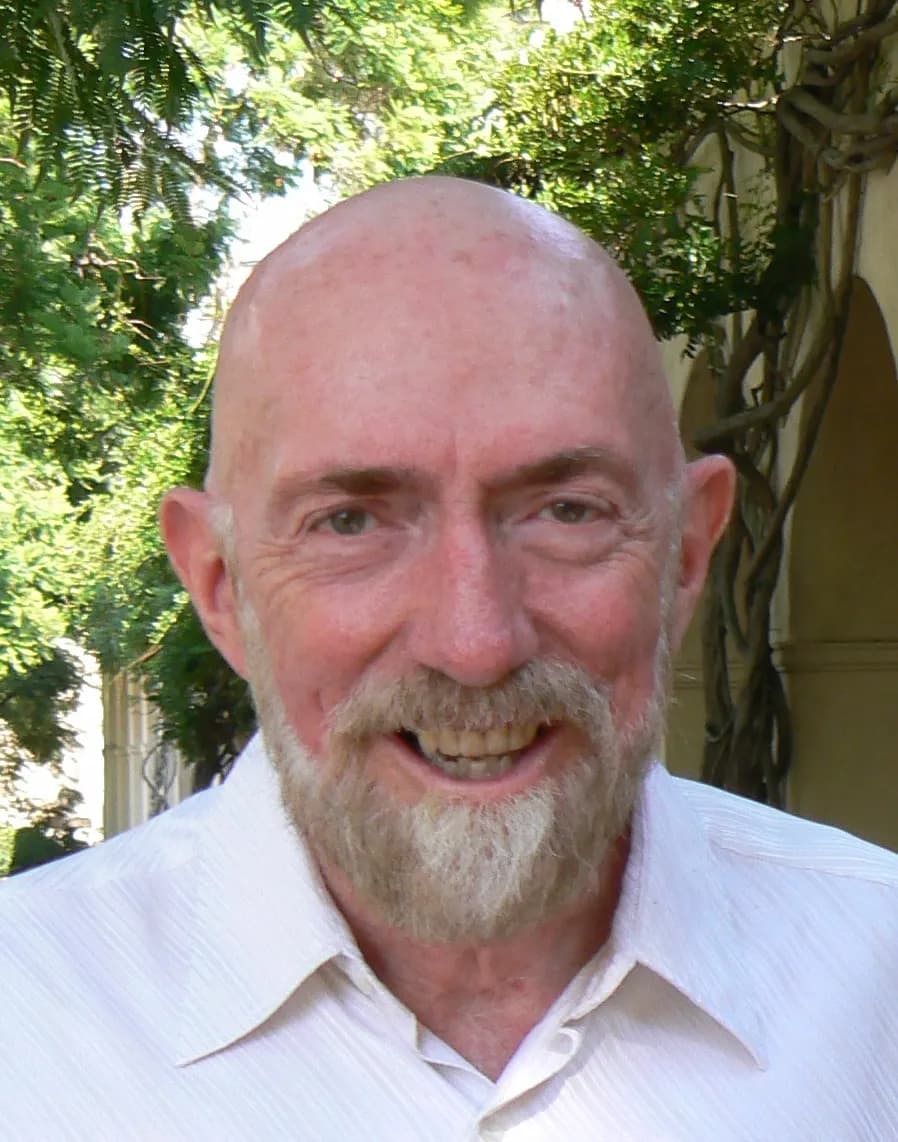 1967–now
Kip Thorne
Richard P. Feynman Professor of Theoretical Physics, Emeritus
- Teaches
- General relativity · Gravitational wave astronomy
- Experience
- On the Caltech faculty since 1967, professor emeritus since 2009; co-founder of LIGO.
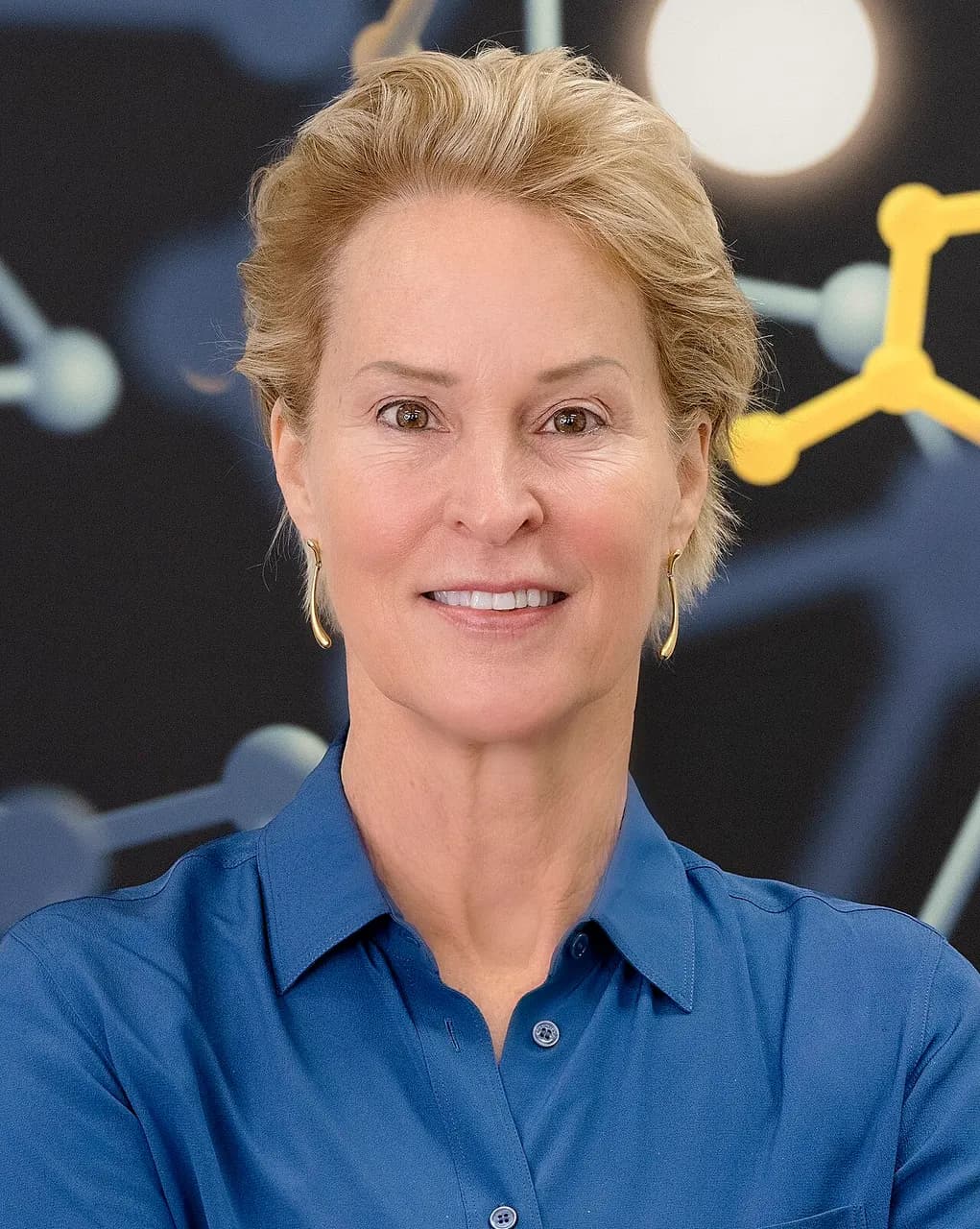 1987–now
Frances Arnold
Linus Pauling Professor of Chemical Engineering, Bioengineering and Biochemistry
- Teaches
- Directed evolution of enzymes · Protein engineering
- Experience
- At Caltech since 1987; full professor from 1996 and Nobel laureate in Chemistry in 2018.
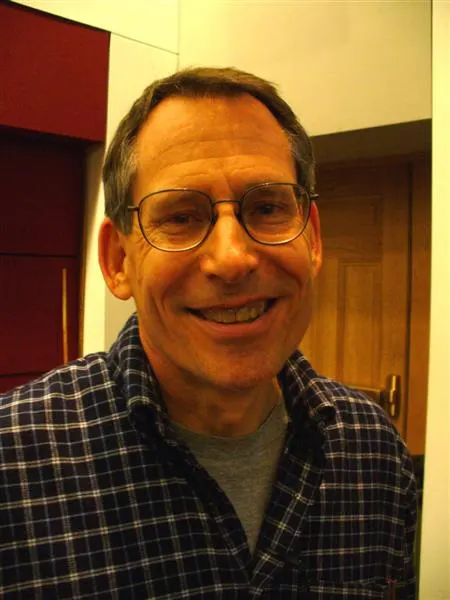 1983–now
John Preskill
Richard P. Feynman Professor of Theoretical Physics; Director, Institute for Quantum Information and Matter
- Teaches
- Quantum information and computing · Quantum error correction
- Experience
- At Caltech since 1983; founded the Institute for Quantum Information in 2000.
Noisy Intermediate-Scale Quantum technology will be available in the near future.
More
The campus in photographs
Photographs come from Wikimedia Commons under free licences; the author and licence are shown on each image.
People who studied or taught here
- Frances Arnold
Chemical engineer, Nobel Prize in Chemistry 2018 for the directed evolution of enzymes
Professor · 1986–2024
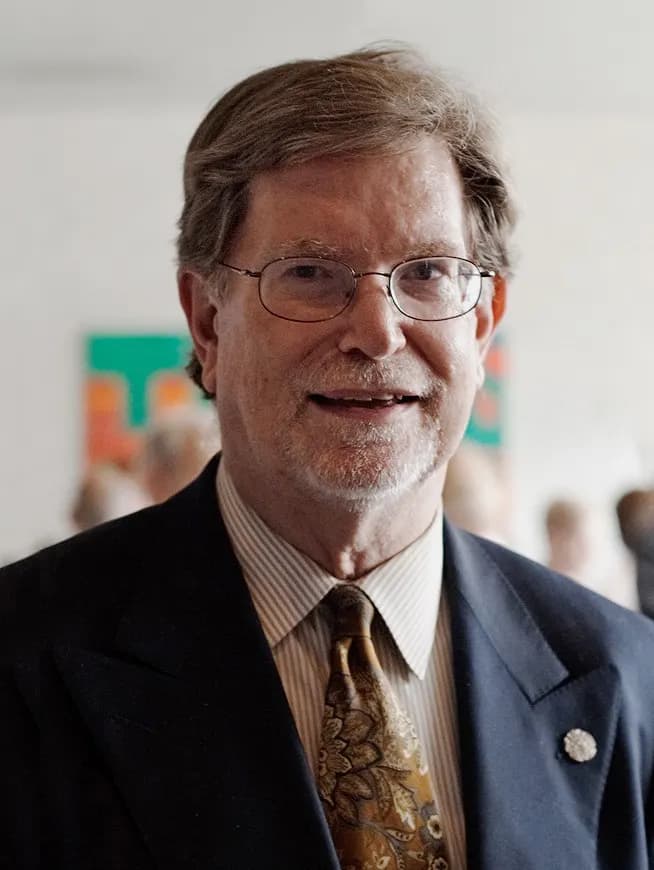 George Smoot
Astrophysicist, Nobel Prize in Physics 2006 for mapping the early universe
Graduate · 1962–1966
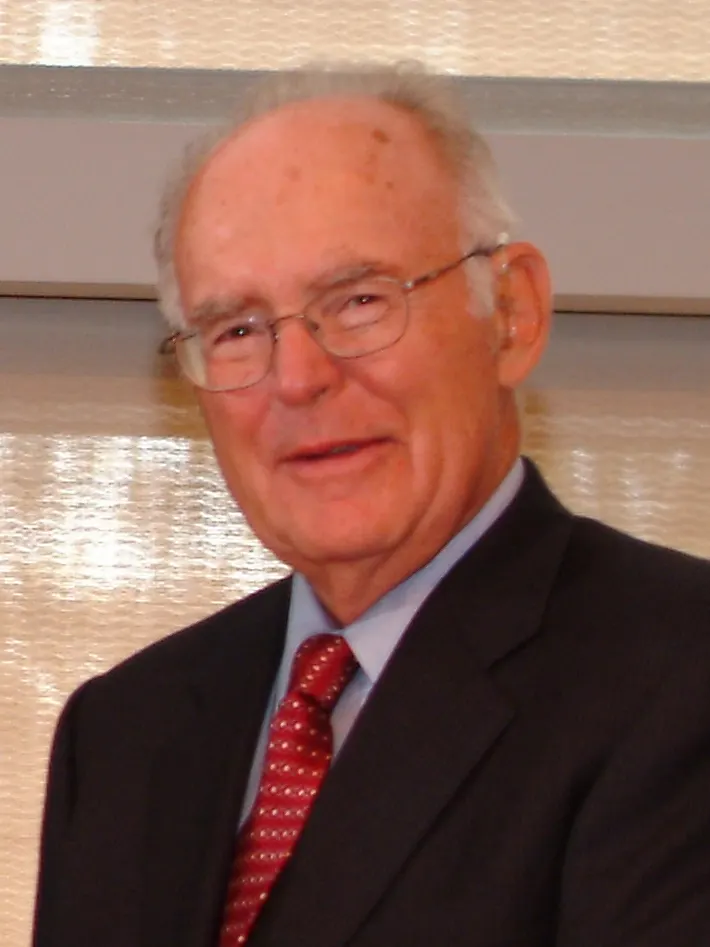
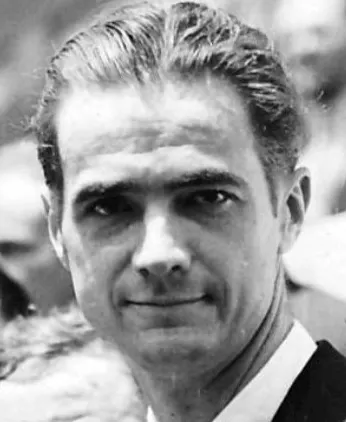
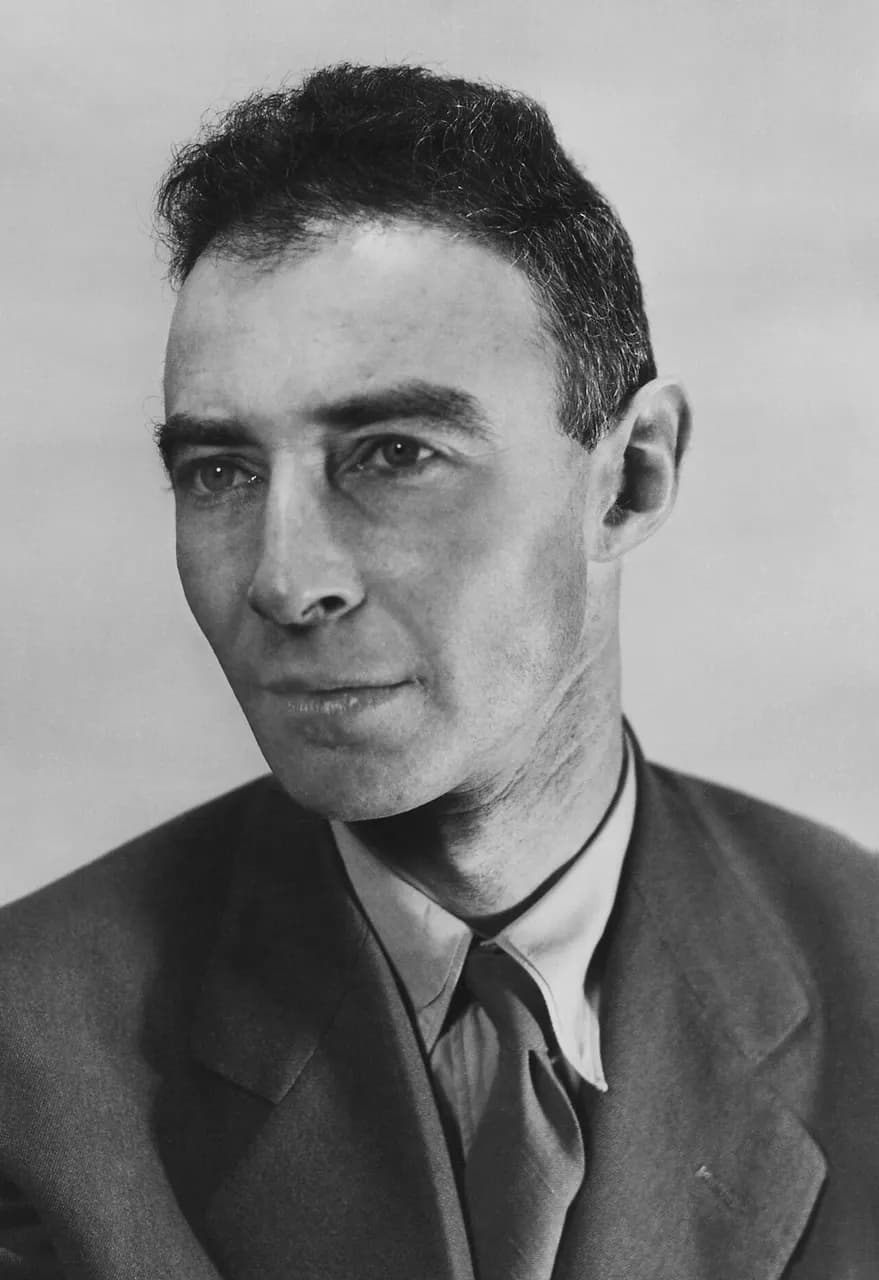
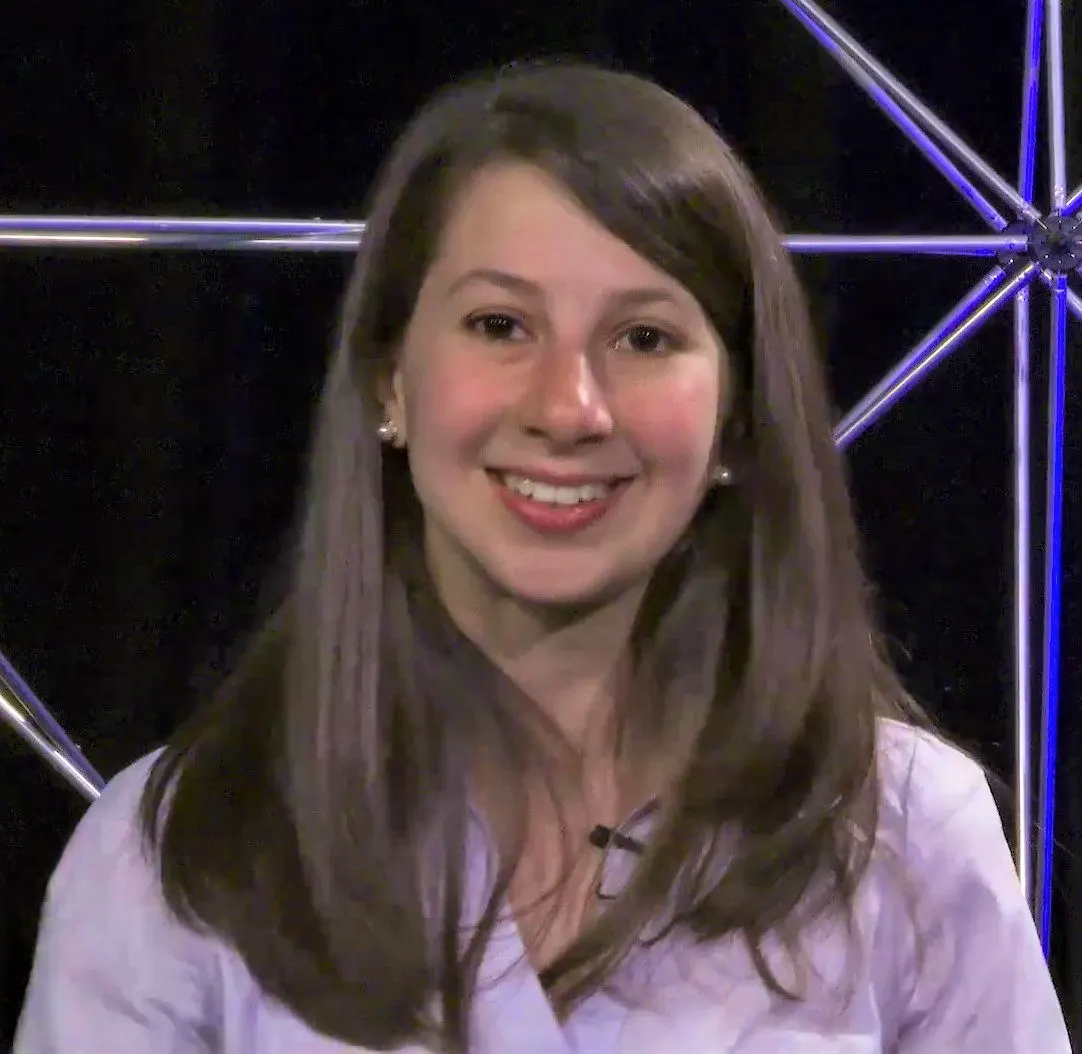
- Kip Thorne
Theoretical physicist, Nobel Prize in Physics 2017 for detecting gravitational waves
Professor · 1967–2009
- R
Reviews
No reviews yet. Visited, applied, or studied here? Be the first.