
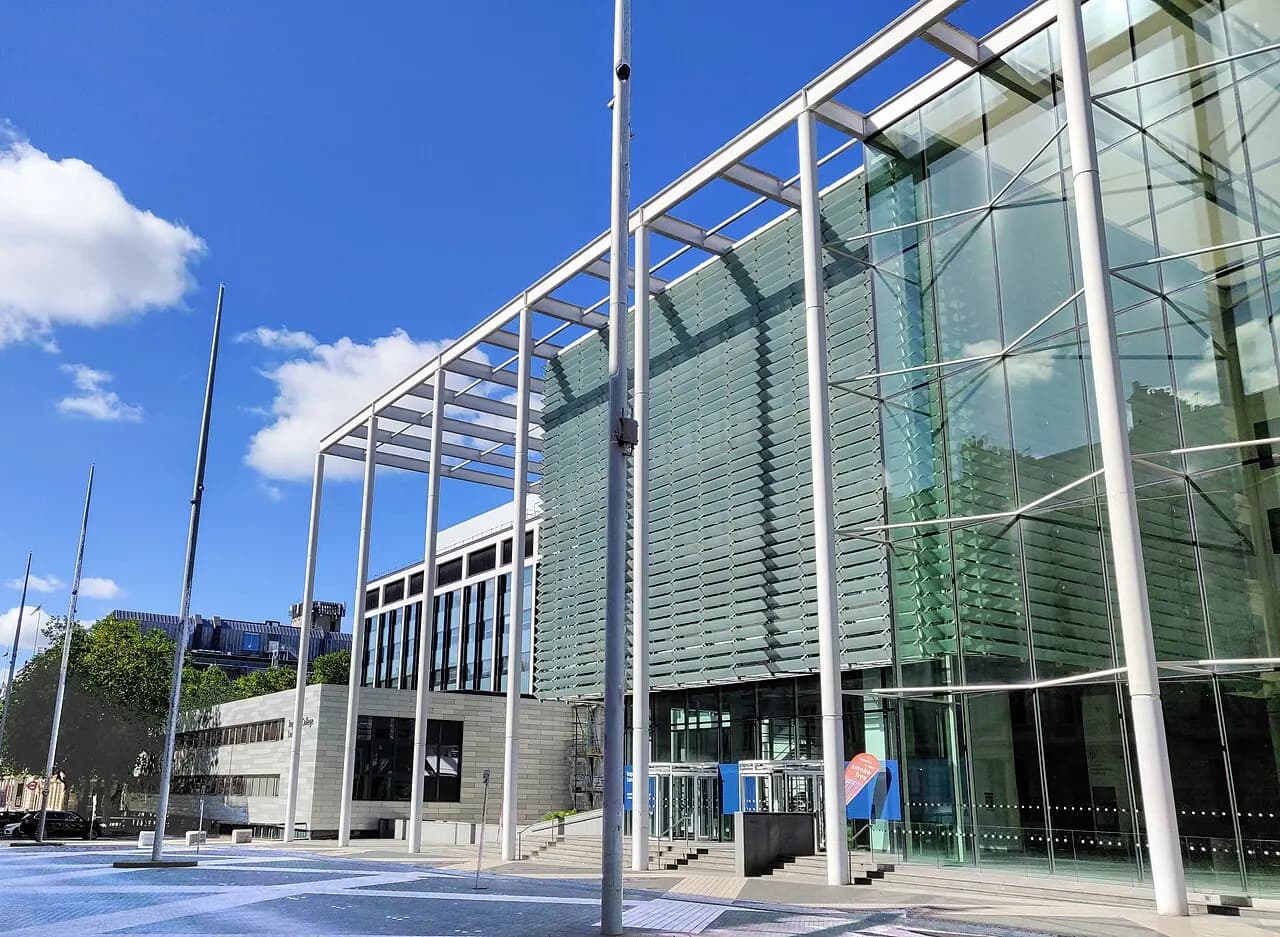
Photo: Shadowssettle · CC BY-SA 4.0
United Kingdom · London, South Kensington
Imperial College London
Science, engineering, medicine and business only, and second in the world for all of it
- QS World Ranking 2026
- #2
- Founded
- 1907
- Students
- 24,000
- Bachelor's degree
- 3 years
- Acceptance rate
- Around 11% of applicants receive an offer overall; about 7% in computing
- Typical IB offer
- 38–42 points with 7/6/6 at Higher Level including Maths and a science
- Language of instruction
- English
Worth knowing
Alexander Fleming discovered penicillin in 1928 at St Mary's Hospital, now part of Imperial, because he went on holiday and left a dish of staphylococcus uncovered; mould blew in and killed the bacteria around it. His laboratory window is preserved as a small museum, and the college's neighbours are the Science Museum and the Natural History Museum.
How hard is it to get in, and why
Imperial teaches nothing but science, medicine, engineering and business, so every applicant is a specialist competing against other specialists. Grade requirements are among the highest in Britain, and computing, mathematics and medicine add their own tests and interviews. Because the college sits second in the QS world rankings while being far smaller than Oxford or Cambridge, applications per place have risen sharply, and offers in the most contested departments now go to candidates with near-perfect predicted grades and strong test scores.
What it costs
Tuition
$46k–78k per year
International fees for 2026 entry run from about £37,000 for most science and engineering courses to around £61,300 a year for medicine. Converted at about 1.27 dollars to the pound.
Living costs
$22k–28k per year
Scholarships and financial aid
The President's Undergraduate Scholarship is awarded on academic merit to a small number of students each year, including internationals, and is worth a few thousand pounds rather than full fees. Departmental prizes and external sponsorships from engineering firms are worth chasing. There is no need-based aid for international undergraduates.
How to apply
Apply through UCAS by late January, or by 15 October for medicine. Mathematics and computing require the MAT or TMUA, medicine requires the UCAT, and most departments interview shortlisted candidates, increasingly online. Imperial reads the personal statement closely for evidence of genuine subject interest beyond the syllabus. Offers are conditional on specific Higher Level grades, not just the total.
Official websiteWhat makes it special
- The main campus is on Exhibition Road between three national museums and across from the Royal Albert Hall, with Hyde Park at the end of the street.
- Most engineering degrees are four-year integrated master's (MEng), which is the standard route into chartered engineering in the UK.
- Imperial's medical school runs across several London teaching hospitals, so clinical students rotate through a huge patient population.
- The White City campus adds a start-up incubator and translational research space, and the college spins out more companies than most British universities.
- London living costs are the highest in the country, and first-year halls in South Kensington are expensive even by London standards.
About studying in United Kingdom
Three-year degrees in England (four in Scotland), and you apply for one subject rather than for a university in general. UCAS allows five choices, only one of which can be Oxford or Cambridge, with a 15 October deadline for those two and for medicine. Oxbridge adds admissions tests and interviews; IB offers at the top range from 38 to 42. International fees run from about £25,000 to £45,000 a year, need-based aid is scarce, and graduates can stay on to work for a limited period under the Graduate visa.
Teaching staff
Who runs the university, who teaches, and how lessons actually work.
- Student–staff ratio
- 11:1
- Academic and research staff
- ~4 000
- Nobel laureates affiliated
- 15
Imperial employs roughly 4,000 academic and research staff and keeps close to eleven students per member of academic staff, an unusually generous figure for a university with no humanities departments to dilute the count. Fifteen Nobel laureates have worked or studied here, among them Alexander Fleming, who discovered penicillin at St Mary's, now part of Imperial's medical school. President Hugh Brady, a nephrologist and the first medic to lead the institution, oversees four faculties — Engineering, Natural Sciences, Medicine and Imperial Business School — each headed by a dean, plus a separate school of public health.
Teaching is organised around the laboratory rather than the essay. Undergraduates in engineering and the sciences spend a large share of their week in practical classes and design projects, and most degrees run four years to an integrated master's — MEng or MSci — rather than stopping at a bachelor's. Lectures are supplemented by small-group tutorials and problem classes led by academic staff and postgraduates. Medical students at Imperial start clinical placements in London hospitals early and take an intercalated BSc year of research in the middle of the degree, which is why an Imperial medical course runs six years.
Imperial's culture is built around specific facilities rather than traditions. The Data Science Institute, the Hamlyn Centre for robotic surgery and the Blackett Laboratory in physics each anchor a distinct research community, and the university sits on a single South Kensington site shared with the Science Museum, the Natural History Museum and the Royal Albert Hall. Its computational epidemiology group produced the pandemic models that governments used in 2020, and its student newspaper, Felix, has been published since 1949.
Teachers worth knowing
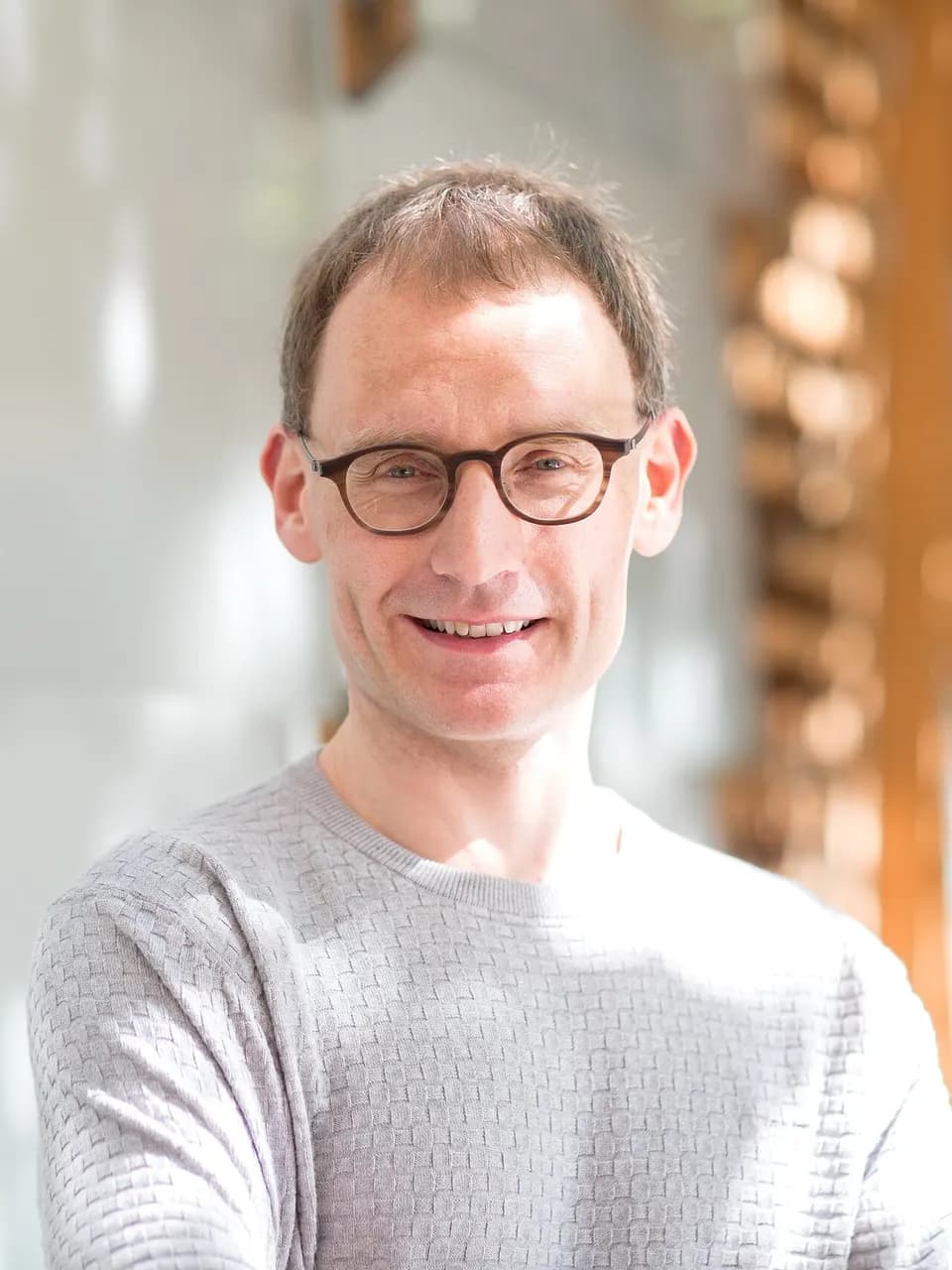 2000–now
Neil Ferguson
Professor of Mathematical Biology, Director of the Jameel Institute
- Teaches
- Infectious disease epidemiology · Mathematical modelling of epidemics
- Experience
- At Imperial since 2000; founded the MRC Centre for Global Infectious Disease Analysis in 2008 and has directed the Jameel Institute since 2019.
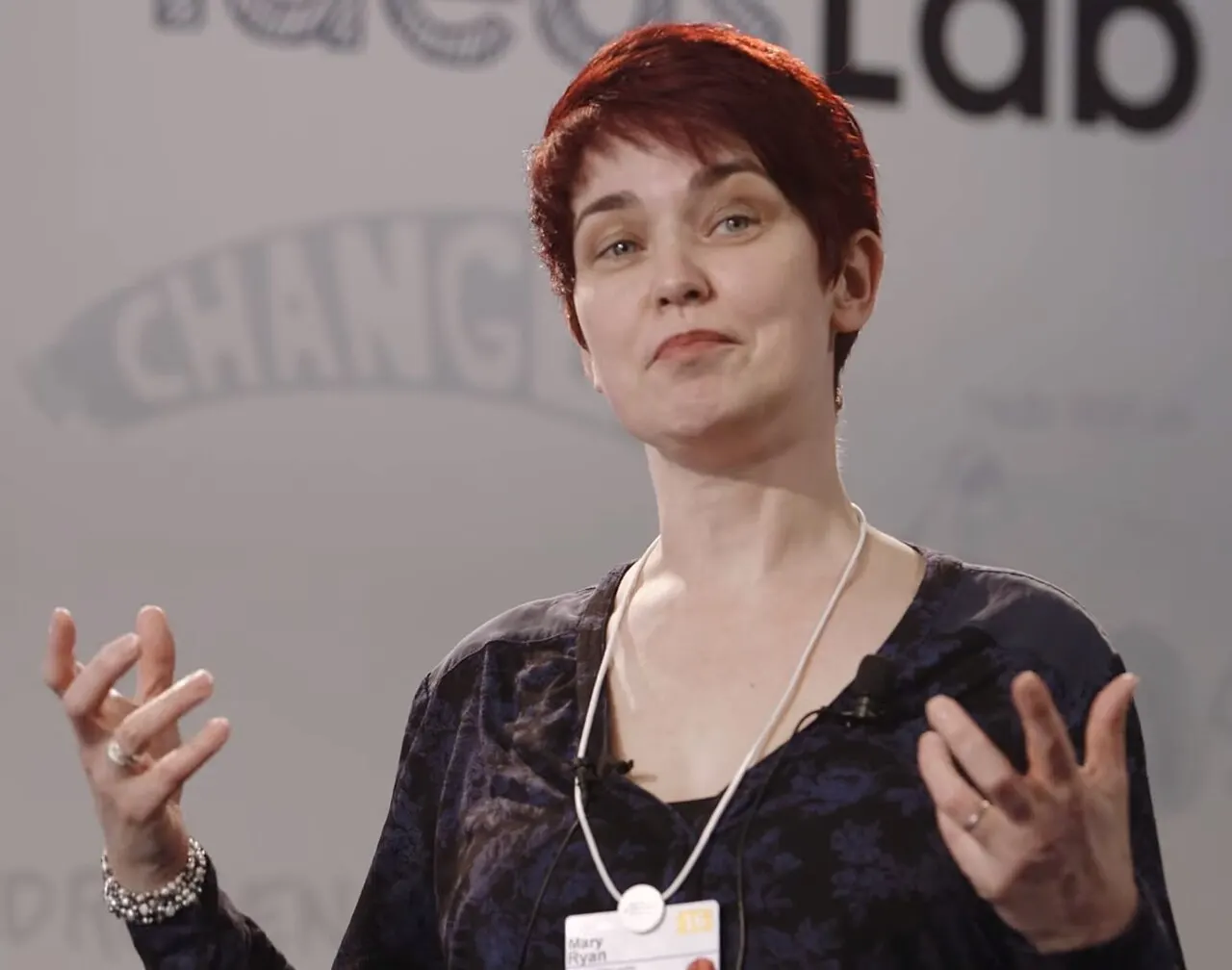 1998–now
Mary Ryan
Armourers and Brasiers' Chair in Materials Science, Vice-Provost (Research and Enterprise)
- Teaches
- Corrosion and electrochemistry · Nanomaterials and their interaction with biology
- Experience
- At Imperial since 1998, starting as a lecturer; Vice-Dean for Research in Engineering from 2017 and now Vice-Provost.
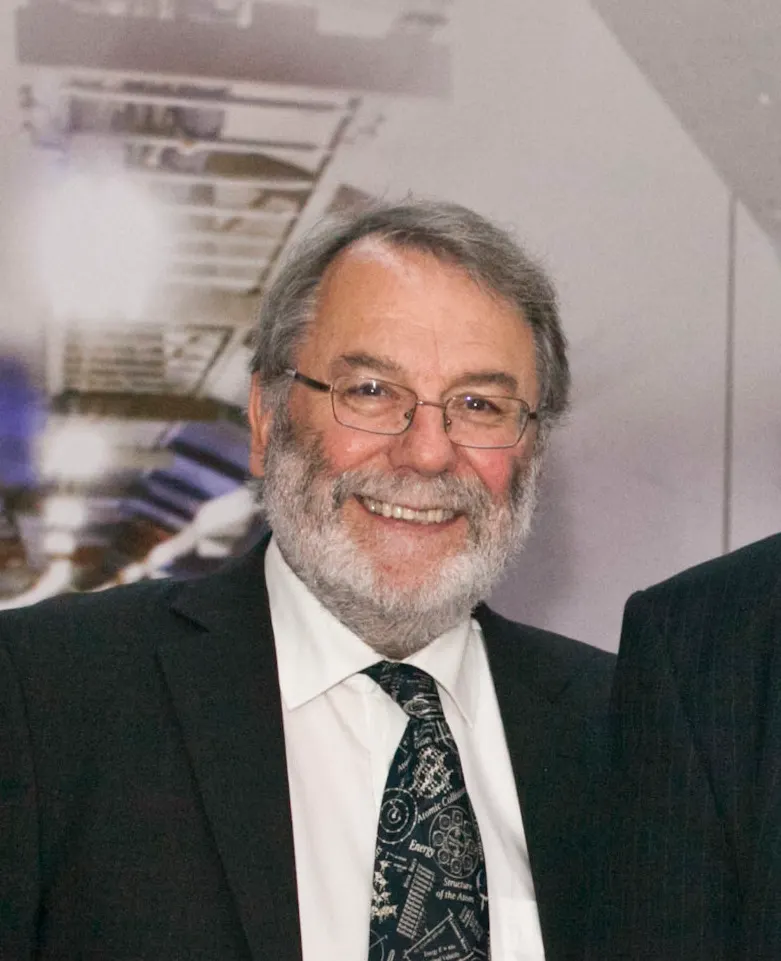 1979–now
Peter Knight
Professor of Quantum Optics, Senior Research Investigator
- Teaches
- Quantum optics · Quantum information
- Experience
- At Imperial since 1979; Deputy Rector until 2010 and later President of the Institute of Physics.
The campus in photographs
Photographs come from Wikimedia Commons under free licences; the author and licence are shown on each image.
People who studied or taught here
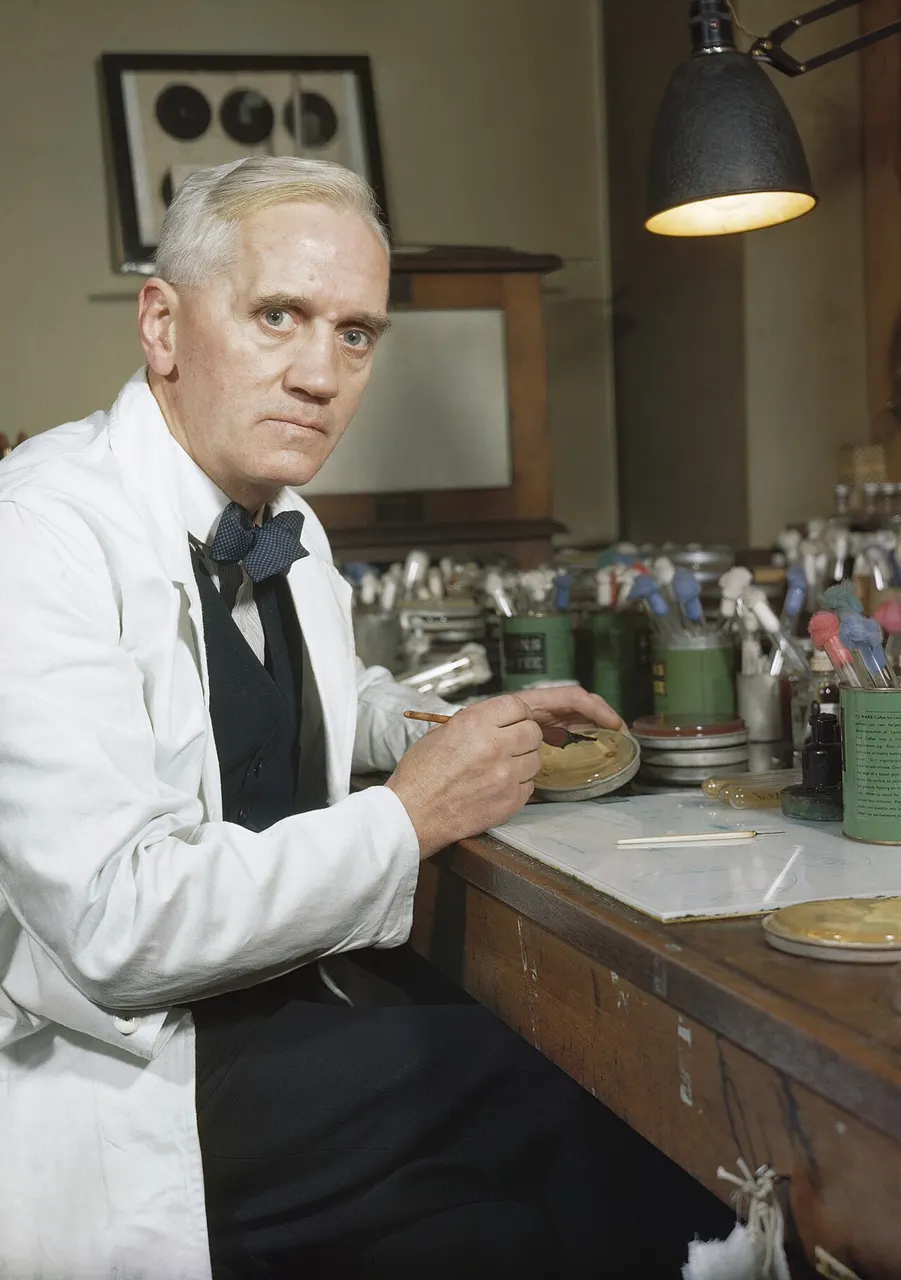 Alexander Fleming
Bacteriologist, Nobel Prize in Medicine 1945 for discovering penicillin
Professor · 1901–1955
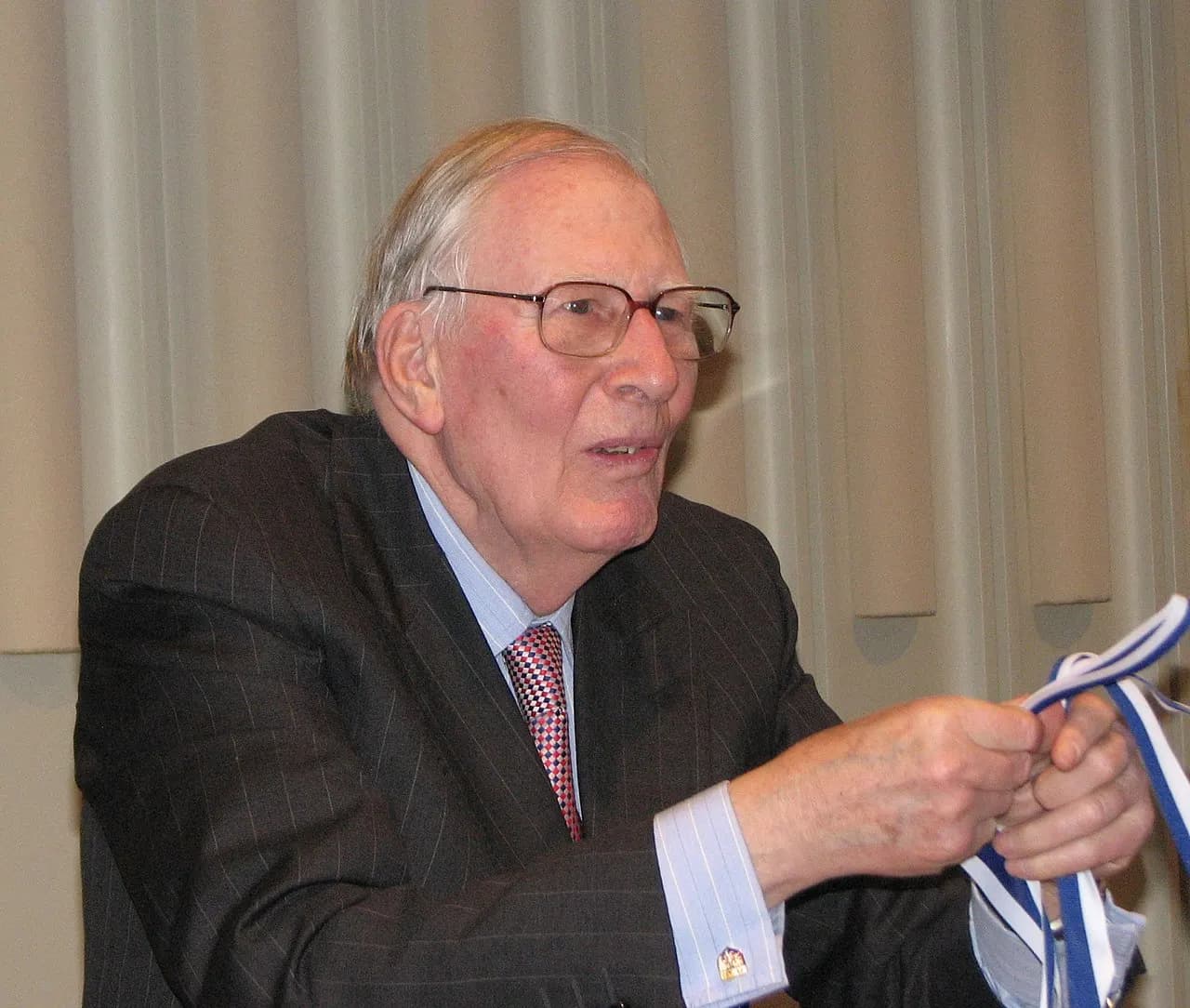 Roger Bannister
Athlete and neurologist, first man to run a mile in under four minutes
Graduate · 1952–1954
Reviews
No reviews yet. Visited, applied, or studied here? Be the first.