
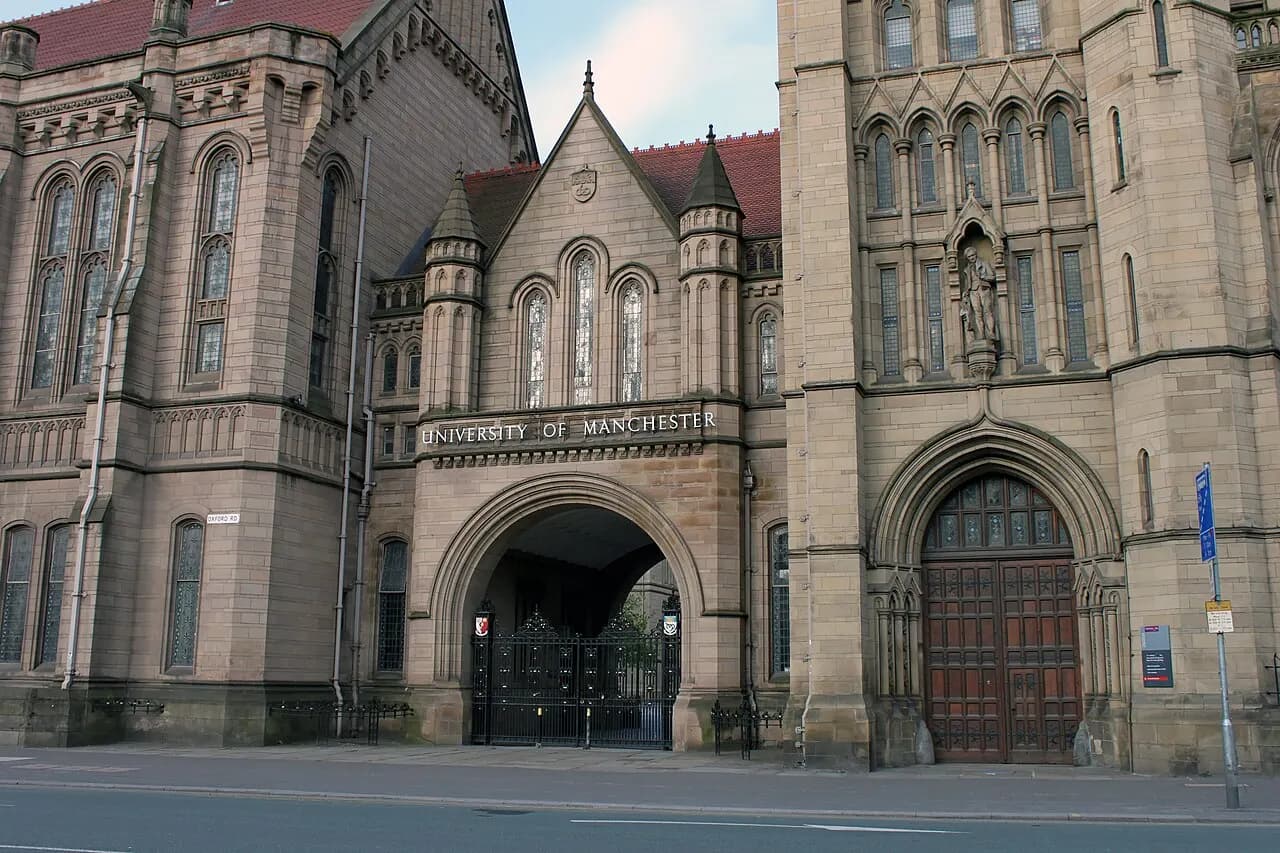
Photo: DrPhoenix · CC BY-SA 3.0
United Kingdom · Manchester
University of Manchester
Where the atom was split, the stored-program computer was born and graphene was found
- QS World Ranking 2026
- #35
- Founded
- 1824
- Students
- 46,000
- Bachelor's degree
- 3 years
- Acceptance rate
- ~63% offer rate
- Typical IB offer
- 34–38
- Language of instruction
- English
Worth knowing
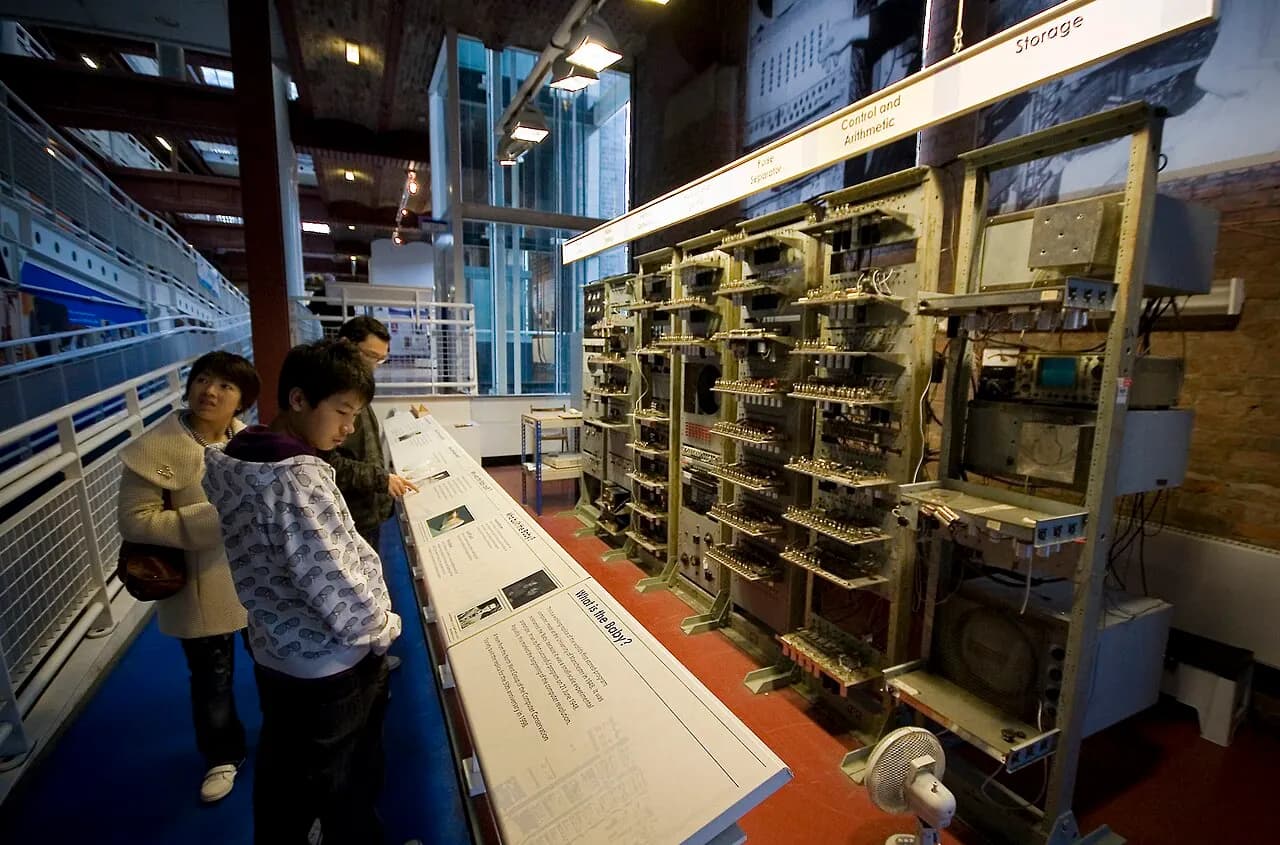
Ernest Rutherford split the atom in a laboratory on Oxford Road in 1917, and on 21 June 1948 the Manchester 'Baby' ran the world's first stored program, making it the ancestor of every computer since. In 2004 Andre Geim and Konstantin Novoselov, both born in Russia, peeled graphene, a material one atom thick, off a lump of graphite with sticky tape and won the 2010 Nobel Prize; the university now counts 25 Nobel laureates.
How hard is it to get in, and why
Manchester receives more applications than almost any other UK university, around 100,000 a year, and made offers to 63% of them in 2025, so applicants who meet the typical IB of 34–37 usually get one. The pressure is concentrated: Law makes offers to under 10%, Computer Science asks for 38 points with 7,7,6 including 7 in HL Mathematics (Analysis and Approaches), and Medicine ranks applicants by UCAT score to fill a limited number of interview slots. Outside health courses there are no interviews, so predicted grades, subject choices and the personal statement carry the decision.
What it costs
Tuition
$38k–82k per year
2026 entry: £27,800 for humanities and social sciences, £37,800 for Computer Science and most science and engineering, £39,900 for the first two years of Medicine and £60,900 for its three clinical years. Fees may rise by up to 7% a year during the degree.
Living costs
$17k–23k per year
Scholarships and financial aid
Manchester's Global Futures Scholarship is the most relevant scheme for a student applying from Thailand: more than 100 undergraduate awards of £10,000 a year for up to three years, open to self-funded applicants domiciled in a list of countries that includes Thailand, Singapore, Malaysia, Indonesia and Vietnam, judged on academic merit and a short statement. You apply after receiving an offer, by about 21 April, and must make Manchester your firm choice; Medicine, Dentistry and foundation years are excluded, and renewal needs a 60% average. Beyond this there are smaller faculty awards; no need-based aid covers full costs.
How to apply
Apply through UCAS by 13 January 2027 for 2027 entry, or 15 October 2026 for Medicine and Dentistry. Applications carry predicted IB grades, a reference and the three-question personal statement; Manchester states the typical IB offer for each course on its website, usually 34–37 points with specific Higher Level grades, and reads the personal statement for evidence of interest in the subject. Medicine requires the UCAT taken in the year of application, ranks candidates by score to select for multiple mini-interviews, and expects 36 points with 6,6,6 including Chemistry or Biology. There are no admissions tests for Law, Economics or Computer Science, and no interviews outside health courses. International students are guaranteed a room in halls for the first year if they apply by the accommodation deadline.
Official websiteWhat makes it special
- Roots go back to the Mechanics' Institute of 1824; the present university was formed in 2004 by merging the Victoria University of Manchester with UMIST. With about 46,000 students it is one of the largest universities in the UK, on a single campus running along Oxford Road, with the student district of Fallowfield a bus ride south.
- Physics, chemistry and engineering are the historic strengths: Rutherford, Niels Bohr and Alan Turing all worked here, the National Graphene Institute opened in 2015, and the £400 million Manchester Engineering Campus Development, finished in 2022, was the largest building project by any UK university.
- Jodrell Bank Observatory, with the 76-metre Lovell Telescope, belongs to the university and is a UNESCO World Heritage site; physics and astrophysics students visit for observing projects.
- Alliance Manchester Business School is one of the largest in the UK, the medical school admits more than 400 students a year and places them across Greater Manchester's NHS hospitals, and the Students' Union is the biggest in the country with more than 400 societies.
- The John Rylands Library (1900) is a neo-Gothic landmark that holds the oldest known fragment of the New Testament; the Whitworth gallery and Manchester Museum are on campus. The city is 30–40% cheaper to live in than London, two hours away by train, with a music scene that produced Oasis and The Smiths and two Premier League clubs.
About studying in United Kingdom
Three-year degrees in England (four in Scotland), and you apply for one subject rather than for a university in general. UCAS allows five choices, only one of which can be Oxford or Cambridge, with a 15 October deadline for those two and for medicine. Oxbridge adds admissions tests and interviews; IB offers at the top range from 38 to 42. International fees run from about £25,000 to £45,000 a year, need-based aid is scarce, and graduates can stay on to work for a limited period under the Graduate visa.
Teaching staff
Who runs the university, who teaches, and how lessons actually work.
- Nobel laureates affiliated
- 26
- Academic staff
- ~5 500
- Students
- ~46 300
Manchester is one of the biggest universities in Britain: roughly 5,500 academic staff and about 46,300 students, of whom some 30,600 are undergraduates. The president and vice-chancellor, a political philosopher, leads three faculties — Biology, Medicine and Health; Science and Engineering; and Humanities — each headed by a vice-president and dean, and the schools beneath them run their own admissions and teaching. Twenty-six Nobel laureates have studied or worked here, four of them currently on the staff or recently retired from it, and Manchester is the only British university outside Oxbridge and London with that count.
The teaching pattern is lectures plus tutorials and, in the sciences, long laboratory blocks — physics undergraduates spend a full day a week in the labs from the first year. Every student has an academic adviser who stays with them across the degree. Manchester runs one of the larger undergraduate research programmes in the country through its summer research experience scheme, and the National Graphene Institute takes final-year project students into working research groups. Assessment weights examinations heavily in the sciences and coursework more in the humanities, with a final-year dissertation or project standard across most degrees.
The place has a habit of firsts. Ernest Rutherford split the atom here in 1917, and the world's first stored-program computer, the Manchester Baby, ran its first program in the Department of Electrical Engineering in June 1948. In 2004 Andre Geim and Konstantin Novoselov isolated graphene using adhesive tape during the department's informal Friday night experiments, which won the 2010 Nobel Prize and led to the National Graphene Institute opening on campus in 2015. Jodrell Bank, the university's radio observatory in Cheshire, is a UNESCO World Heritage Site and still an operating research facility.
Teachers worth knowing
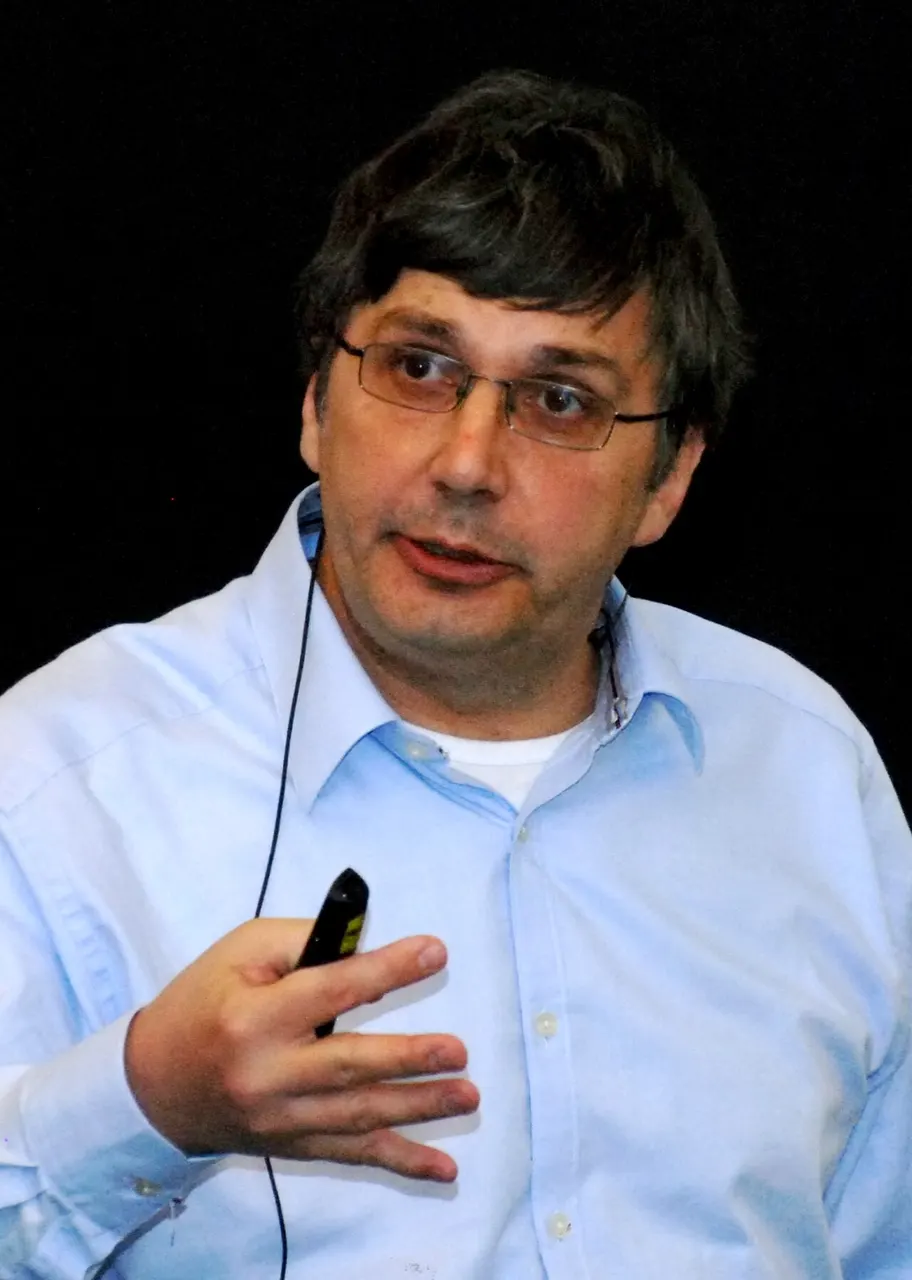 2001–now
Andre Geim
Regius Professor and Royal Society Research Professor of Physics
- Teaches
- Condensed matter physics · Two-dimensional materials
- Experience
- At Manchester since 2001; Nobel Prize in Physics 2010 for the isolation of graphene.
Many people choose a subject for their PhD and then continue the same subject until they retire. I despise this approach. I have changed my subject five times before I got my first tenured position and that helped me to learn different subjects.
More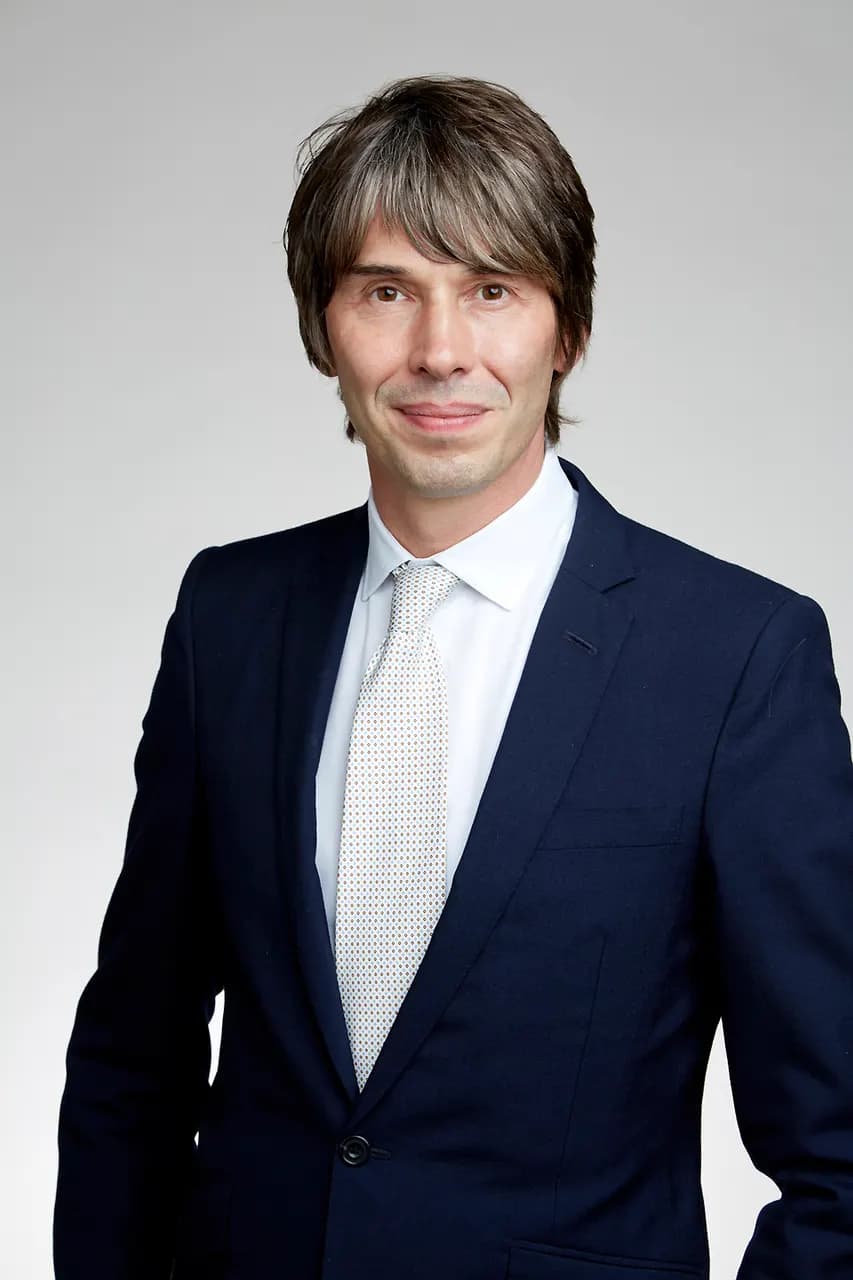 2005–now
Brian Cox
Professor of Particle Physics, Department of Physics and Astronomy
- Teaches
- Particle physics · Relativity and cosmology
- Experience
- Took his PhD at Manchester in 1998 and has taught there since; works on the ATLAS experiment at CERN.
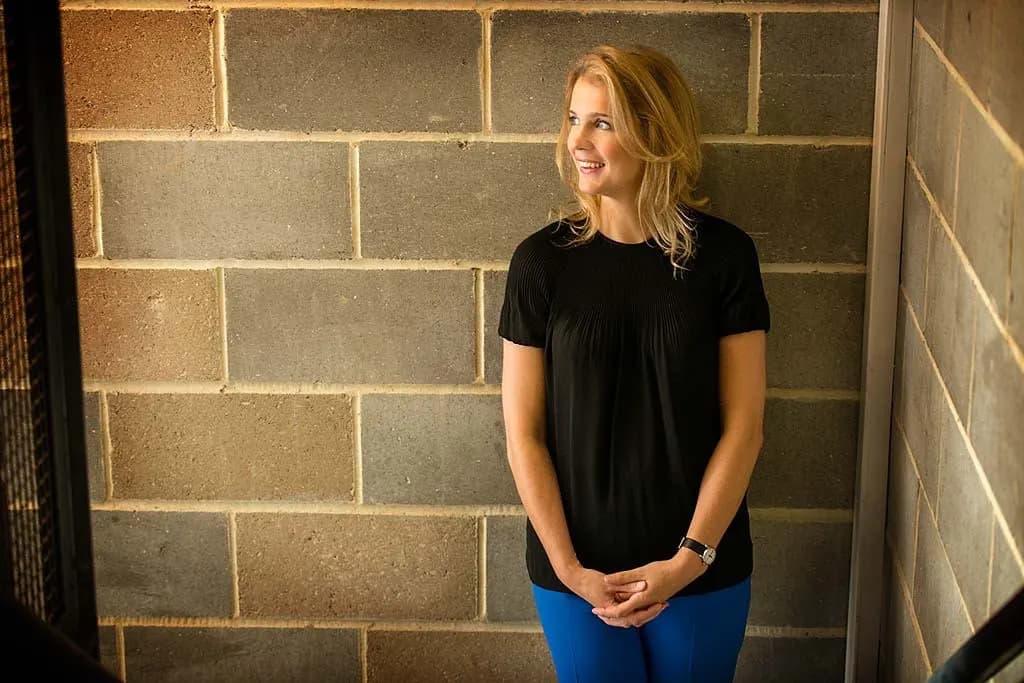 2006–now
Danielle George
Professor of Radio Frequency Engineering; Associate Dean for Teaching and Learning
- Teaches
- Radio frequency and microwave engineering · Low-noise receivers for radio astronomy
- Experience
- Came from Jodrell Bank Observatory to lecture in 2006 and became professor in 2014; delivered the Royal Institution Christmas Lectures that year.
The campus in photographs
Photographs come from Wikimedia Commons under free licences; the author and licence are shown on each image.
People who studied or taught here
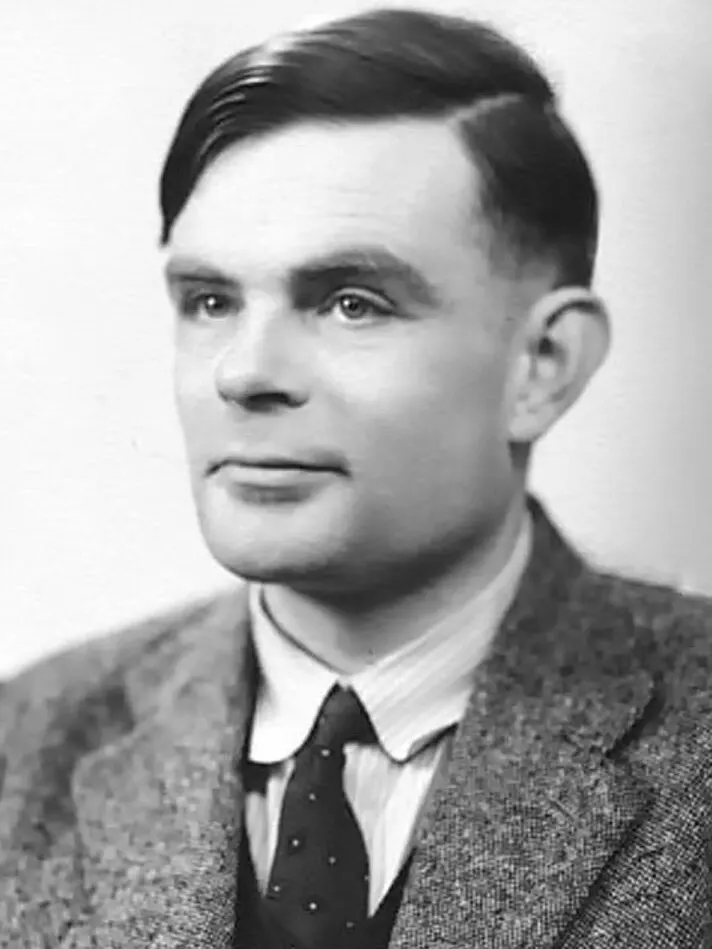
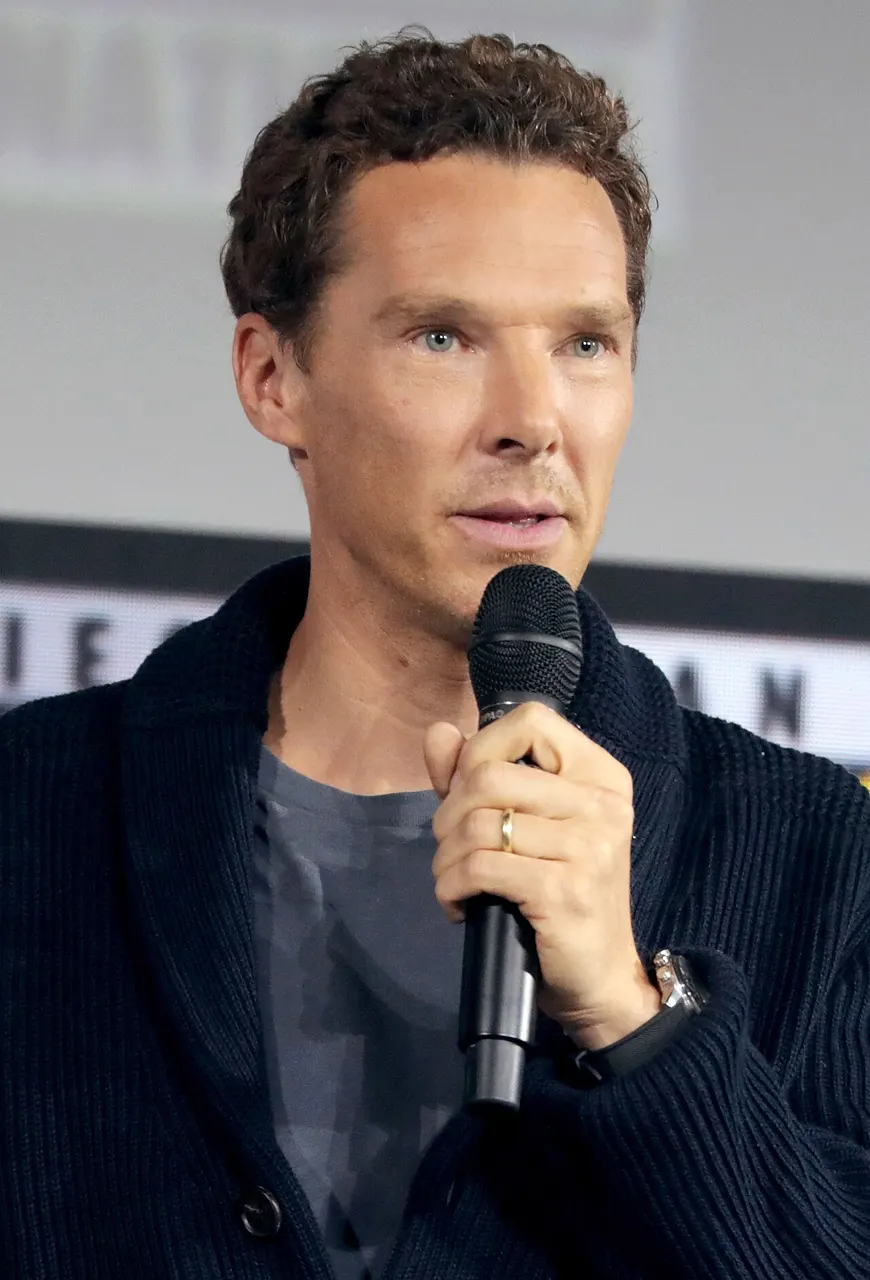 Benedict Cumberbatch
Actor, known for Sherlock, The Imitation Game and Doctor Strange
Graduate · 1996–1999
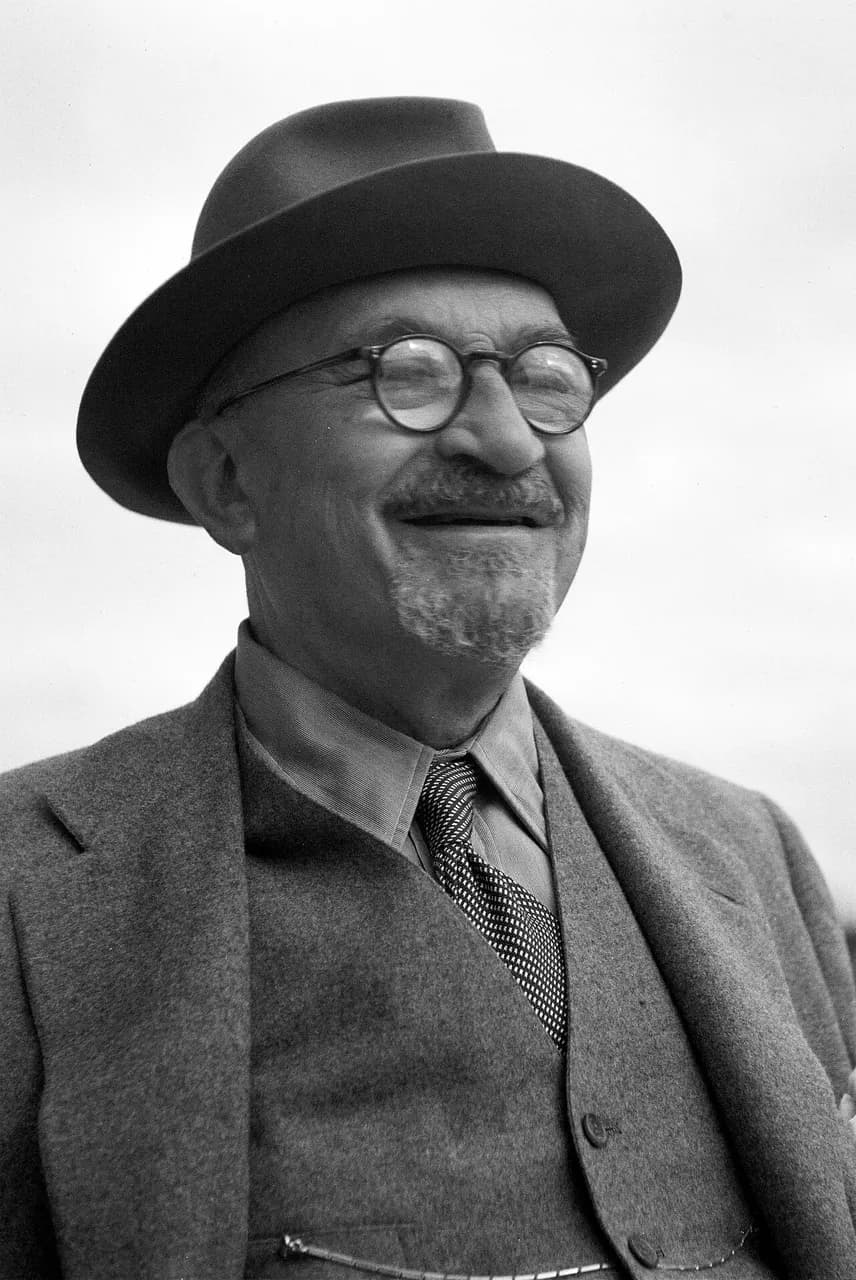
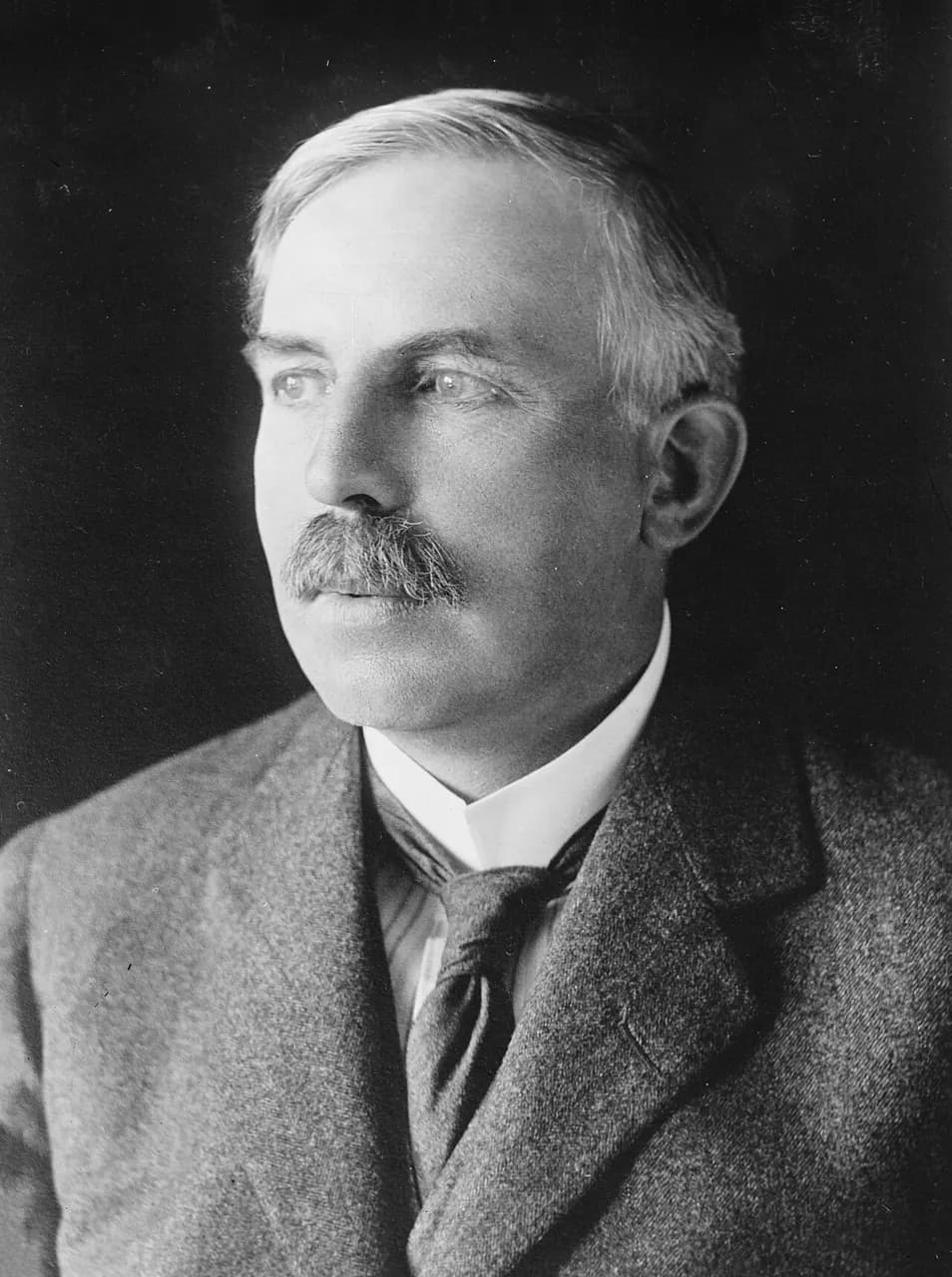 Ernest Rutherford
Physicist, Nobel Prize in Chemistry 1908, father of nuclear physics
Professor · 1907–1919
Reviews
No reviews yet. Visited, applied, or studied here? Be the first.