
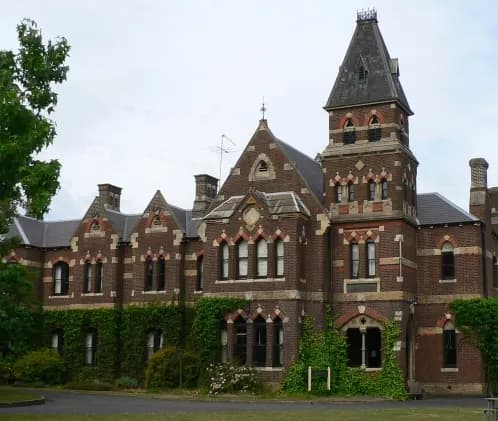
Photo: Biatch at English Wikipedia · Public domain
Australia · Melbourne, Victoria
University of Melbourne
Australia's best, with a curriculum that makes you choose your profession after the degree
- QS World Ranking 2026
- #19
- Founded
- 1853
- Students
- 55,000
- Bachelor's degree
- 3 years
- Acceptance rate
- Admission by IB score against published thresholds; most programmes admit broadly
- Typical IB offer
- 31–38 points depending on programme, with subject prerequisites
- Language of instruction
- English
Worth knowing
Melbourne has the largest tram network in the world, and the free City Circle route runs past the edge of campus. Twenty minutes from the university, at Phillip Island's pier and beaches nearby, little penguins come ashore out of the sea every evening at dusk, the smallest penguin species in the world.
How hard is it to get in, and why
There is no holistic review and no interview for most undergraduate degrees: the university publishes an IB score threshold for each course and admits everyone who meets it and has the prerequisite subjects. That makes planning easy and the outcome largely within your control. The complication is the Melbourne Model, under which you take a broad bachelor's degree first and enter medicine, law, dentistry or veterinary science only as a graduate, which adds years and another selection round.
What it costs
Tuition
$30k–38k per year
International tuition for 2026 runs from about A$45,000 for arts to A$58,000 a year for science and biomedicine. Converted at about 0.66 dollars to the Australian dollar.
Living costs
$16k–22k per year
Scholarships and financial aid
The Melbourne International Undergraduate Scholarship is awarded automatically on academic merit and ranges from a fee remission of a quarter to a full fee scholarship for the very strongest applicants. There is no separate application, and the assessment is made from the admissions file. Faculty awards and residential college scholarships add further options.
How to apply
Apply directly to the university online; there are two intakes a year, in February and July, and applications are assessed as they arrive rather than in a single round. You need the IB score for your chosen course and the listed prerequisite subjects, usually including Higher Level mathematics or a science where relevant. Conditional offers on predicted results are normal, and decisions are usually quick. Music and fine arts require auditions or portfolios.
Official websiteWhat makes it special
- The Melbourne Model gives you a broad first degree with a quarter of your subjects outside your main discipline, then professional study at master's level.
- The Doherty Institute, named after Nobel laureate Peter Doherty, is one of the world's leading centres for infection and immunity.
- Residential colleges along College Crescent offer tutorials, formal dinners and their own sport, in a system borrowed from Oxford and Cambridge.
- Melbourne is regularly ranked among the world's most liveable cities, with a coffee culture that students take seriously and free tram travel in the centre.
- Bachelor's graduates can apply for a Temporary Graduate visa and stay to work for a further two years.
About studying in Australia
Three-year degrees, two intakes a year (February and July) and admission by IB score, with programme-specific thresholds. Applications go directly to the university and decisions are usually quick. International tuition at Melbourne and Sydney is around US$30,000 to US$40,000 a year, and bachelor's graduates can stay to work for two years on the Temporary Graduate visa.
Teaching staff
Who runs the university, who teaches, and how lessons actually work.
- Academic staff (FTE)
- ~5 200
- Nobel laureates affiliated
- 10
- Faculties
- 9
Melbourne has roughly 5,200 full-time-equivalent academic staff for about 54,000 students, and ten Nobel laureates have been associated with the university. Since February 2025 the vice-chancellor has been Emma Johnston, a marine ecologist and the first woman in the role, who came from a deputy vice-chancellorship at Sydney. Nine faculties report to her, each with a dean: Arts, Science, Engineering and Information Technology, Medicine Dentistry and Health Sciences, Business and Economics, Law, Education, Fine Arts and Music, and Architecture Building and Planning.
What makes Melbourne unusual in Australia is the curriculum itself. The Melbourne Model, introduced in 2008, replaced more than a hundred specialist undergraduate degrees with six broad ones — Arts, Science, Commerce, Biomedicine, Design, Fine Arts — and moved professional training to graduate level. A student who wants to be a doctor, lawyer, engineer or architect takes a general bachelor's degree first, with a quarter of it deliberately spent on subjects outside the main field, and applies to the professional master's afterwards. Day-to-day teaching runs on lectures plus tutorials of fifteen to twenty-five students, laboratory practicals in the sciences, and continuous assessment; honours years and undergraduate research schemes such as the Science Undergraduate Research Opportunities Programme place students in working laboratories.
The university's medical research is its most concrete asset. The Peter Doherty Institute for Infection and Immunity, a joint venture with Melbourne Health opened in 2014, was the first laboratory outside China to grow SARS-CoV-2 in culture, in January 2020, and shared the isolate internationally. The Walter and Eliza Hall Institute next door, affiliated with the university since 1915, is where the colony-stimulating factors were discovered. And Melbourne's medical faculty produced two Nobel laureates in immunology — Macfarlane Burnet and Peter Doherty — the second of whom still teaches undergraduates in the department that bears his name.
Teachers worth knowing
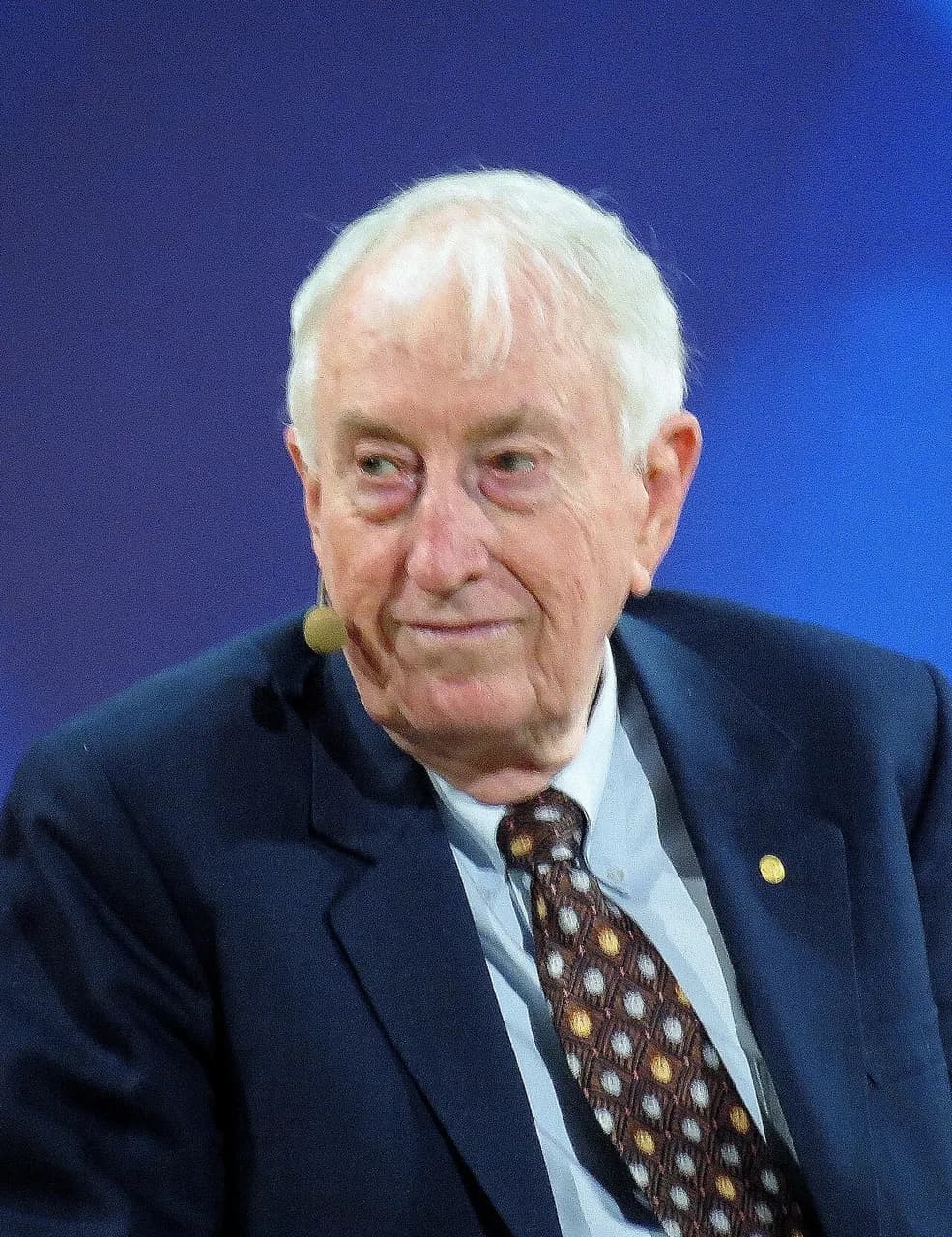 2002–now
Peter Doherty
Laureate Professor, Department of Microbiology and Immunology; Patron of the Doherty Institute
- Teaches
- Immunology and T-cell biology · Viral infection and immunity
- Experience
- At Melbourne since 2002, splitting the year with St Jude in Memphis; Nobel Prize in Physiology or Medicine 1996.
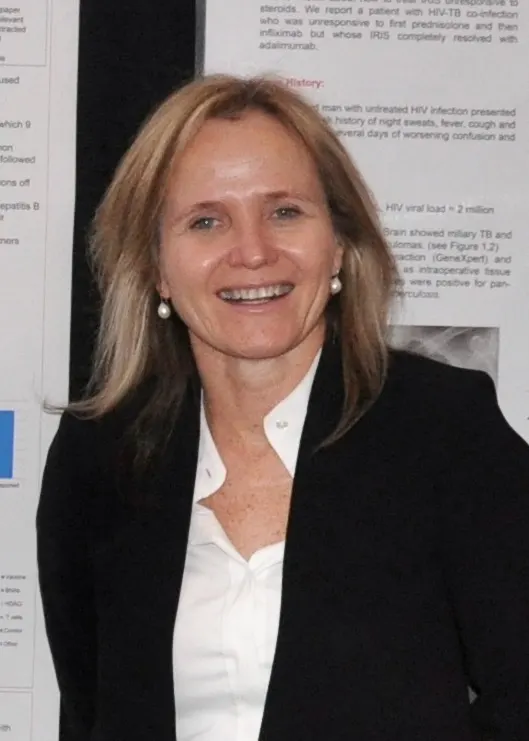 2014–now
Sharon Lewin
Melbourne Laureate Professor of Medicine; Director, Peter Doherty Institute for Infection and Immunity
- Teaches
- HIV latency and cure research · Infectious diseases
- Experience
- Inaugural director of the Doherty Institute since 2014; president of the International AIDS Society 2022–2024.
- H2016–now
Hilary Charlesworth
Melbourne Laureate Professor, Harrison Moore Chair in Law, Melbourne Law School
- Teaches
- Public international law · International human rights law
- Experience
- Melbourne Laureate Professor since 2016; judge of the International Court of Justice since November 2021.
The campus in photographs
Photographs come from Wikimedia Commons under free licences; the author and licence are shown on each image.
People who studied or taught here
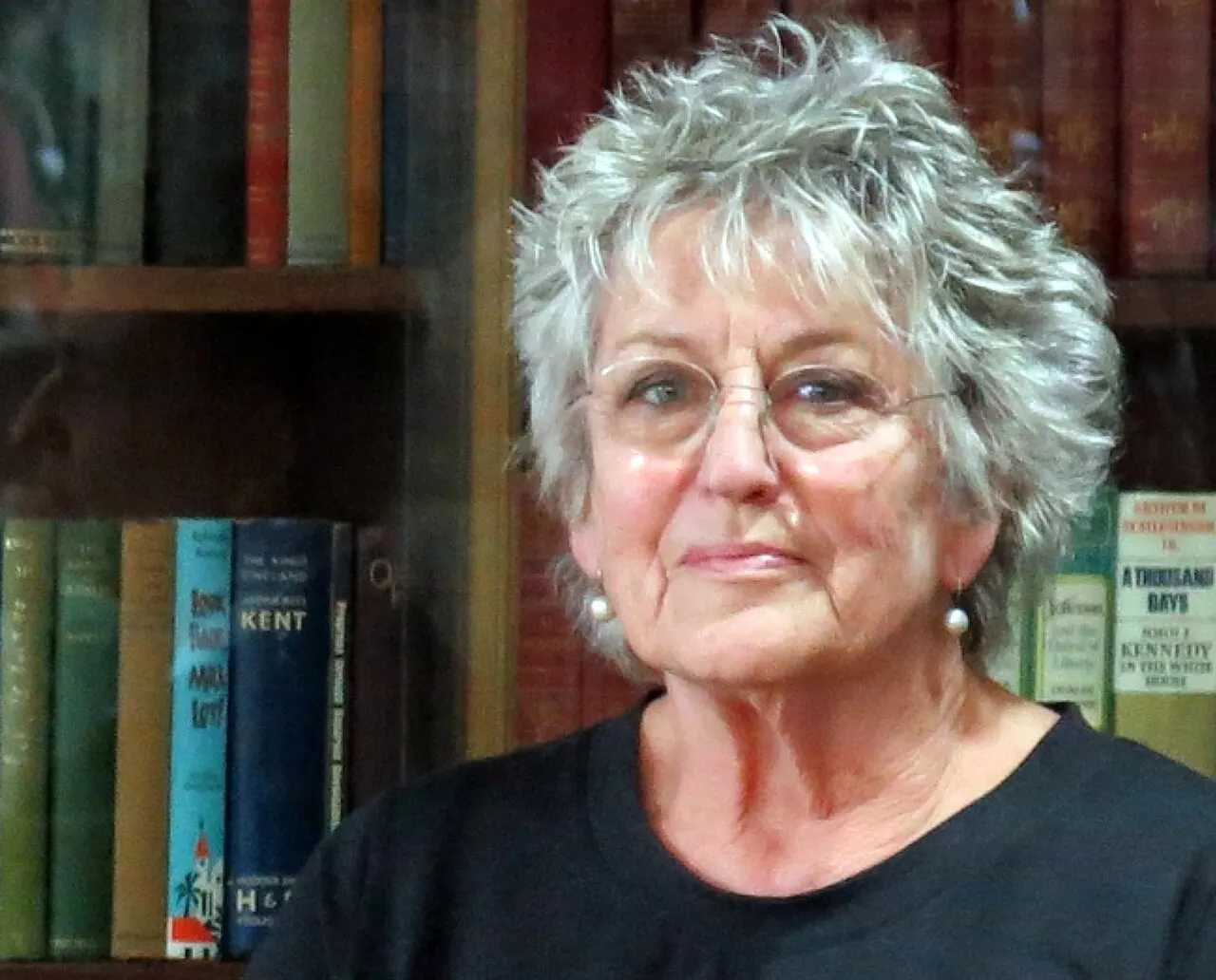
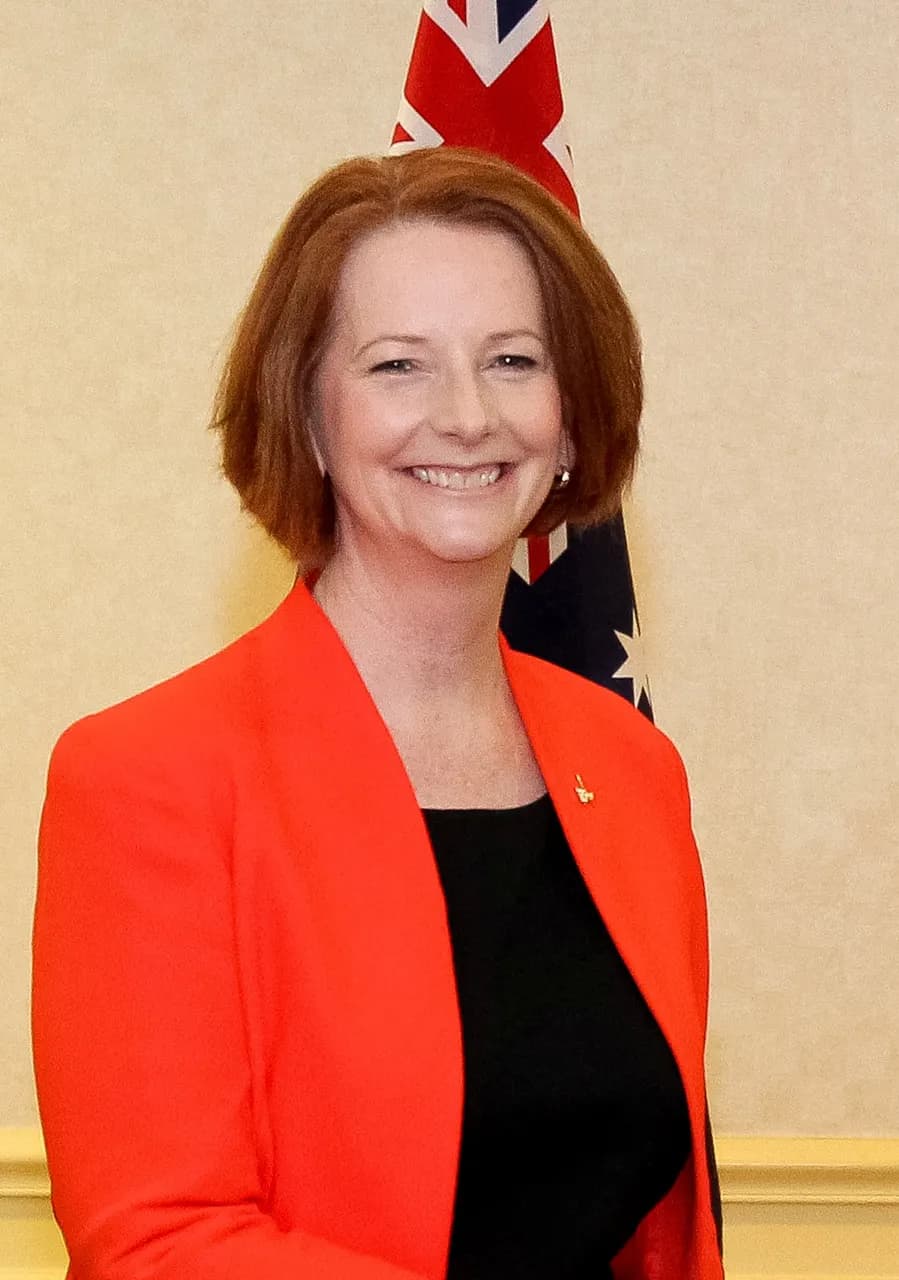
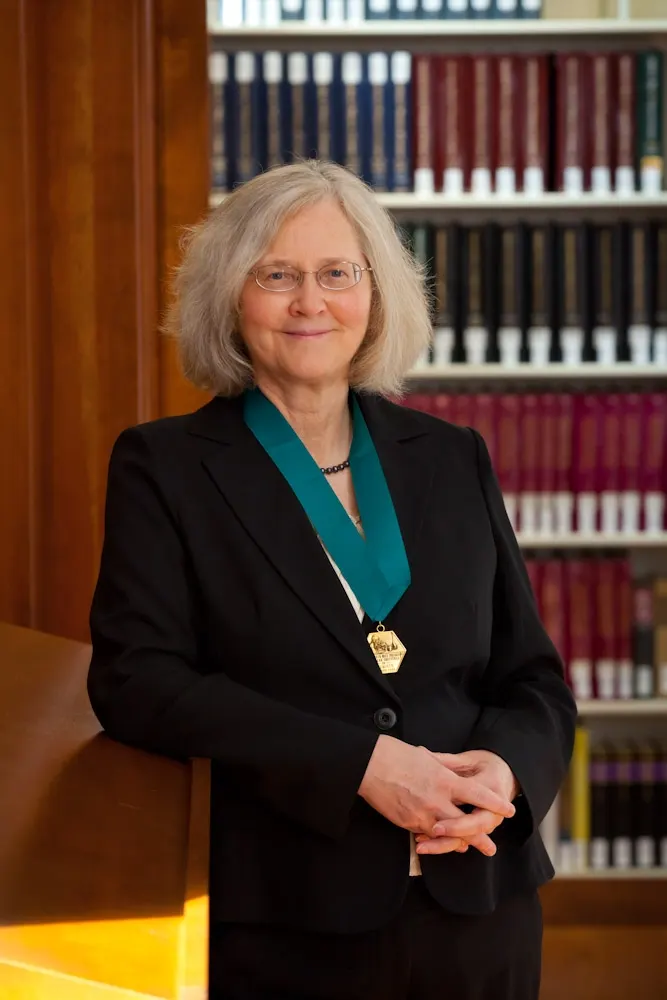 Elizabeth Blackburn
Molecular biologist, Nobel Prize in Medicine 2009 for telomeres
Graduate · 1966–1972
Reviews
No reviews yet. Visited, applied, or studied here? Be the first.