
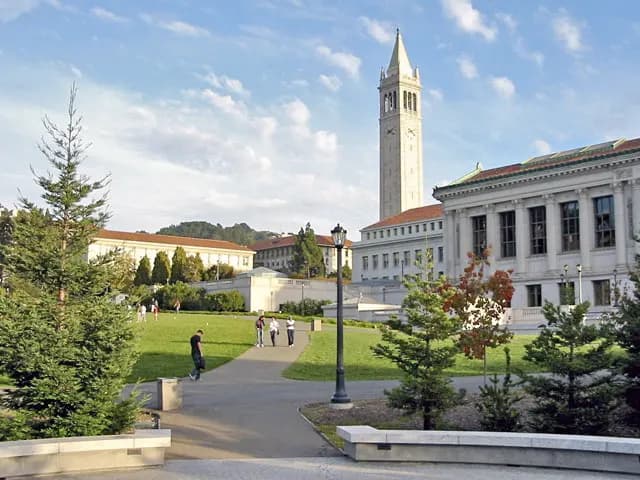
Photo: Gku · CC BY-SA 3.0
United States · Berkeley, California
University of California, Berkeley
The world's top public university, a 30-minute BART ride from San Francisco
- QS World Ranking 2026
- #17
- Founded
- 1868
- Students
- 46,000
- Bachelor's degree
- 4 years
- Acceptance rate
- 10.5%
- Typical IB offer
- 38–42
- Language of instruction
- English
Worth knowing
Berkeley scientists discovered 16 elements of the periodic table, more than any other institution, including plutonium, which Glenn Seaborg's team first produced here in 1941. Two of them are named after the place: berkelium (97) and californium (98).
How hard is it to get in, and why
Berkeley admitted 10.5% of first-year applicants for fall 2026, but international applicants historically fare worse than the campus average, and Engineering, EECS and the College of Computing, Data Science and Society are far tighter than that. The UC system is test-blind: SAT and ACT scores are not looked at, so IB grades, course rigour and four Personal Insight Questions carry all the weight. With no interviews and, for most applicants, no recommendation letters, there is little room to compensate for a thin transcript.
What it costs
Tuition
$55k–57k per year
Non-residents pay UC tuition of $15,588 plus $39,270 Nonresident Supplemental Tuition; Berkeley campus fees bring the 2026–27 total to $57,484. Figures are provisional until the Regents approve them.
Living costs
$25k–30k per year
Scholarships and financial aid
The UC system offers no need-based aid to international students, so budget for the full cost, around $87,000 a year. Every applicant is automatically considered for the Regents' and Chancellor's Scholarship, Berkeley's most prestigious award, and a handful of endowed scholarships target specific regions. Realistically, most internationals pay in full.
How to apply
One UC Application covers all nine undergraduate UC campuses; the filing window is 1 October to 30 November, with no extensions. You choose a college and a major (Letters and Science, Engineering, Chemistry, CDSS, Haas via the four-year Spieker programme, and so on); competitive majors such as EECS are very hard to transfer into later. Four Personal Insight Questions of 350 words each, chosen from eight, replace the essay. No recommendation letters (Berkeley may ask a few applicants for them), no interviews, and SAT/ACT scores are not considered at all. Decisions are released in late March.
Official websiteWhat makes it special
- Lawrence Berkeley National Laboratory sits on the hill above campus, where Ernest Lawrence built the first cyclotron in 1931. Nobel laureates on the faculty get reserved parking spaces marked NL.
- EECS and the new College of Computing, Data Science and Society: BSD Unix, RISC processors and Apache Spark all came out of Berkeley labs, and the campus feeds Silicon Valley directly.
- Sather Tower, the Campanile, rises 94 metres over the campus, houses a 61-bell carillon played daily and stores Ice Age fossils from the La Brea tar pits on its upper floors.
- The Free Speech Movement of 1964 began on Sproul Plaza, and political activism is still part of the campus identity.
- The Big Game against Stanford has been played since 1892 for possession of the Stanford Axe; the mascot is Oski the bear, and everyone calls the university simply Cal.
- Berkeley itself is a small, liberal college town with Telegraph Avenue's bookshops and cafés; BART reaches downtown San Francisco in about 30 minutes, and the climate is mild year-round.
About studying in United States
Four-year degrees and holistic admissions: universities read essays, recommendations and a record of what you have built or led, not only grades. Applications go through the Common App by early November (early rounds) or early January; most top universities have brought back SAT or ACT scores. Sticker prices are the highest in the world, but Harvard, MIT, Yale, Princeton and a few others admit international students without looking at family income and then cover the full demonstrated need.
Teaching staff
Who runs the university, who teaches, and how lessons actually work.
- Full-time faculty
- ~1 790
- Nobel laureates affiliated
- 63
- Colleges and schools
- 15
Berkeley has about 1,790 full-time and 886 part-time faculty spread over fifteen colleges and schools, 180 departments and some 350 degree programmes. It is a public university with roughly 33,000 undergraduates, so lecture courses are large and the nominal student–faculty ratio is around nineteen to one. Sixty-three Nobel laureates have been alumni, faculty or researchers here, and the chancellor heads a structure in which the College of Letters and Science alone teaches the majority of undergraduates, alongside Engineering, Haas Business, the College of Computing, Data Science and Society, Law, Public Health and the rest.
The teaching model is scale plus a ladder out of it. An introductory course may seat eight hundred, but it breaks into discussion sections of about twenty-five led by graduate student instructors, and the department expects students to find their way into a laboratory afterwards. The Undergraduate Research Apprentice Program places well over a thousand undergraduates a year in faculty research groups, often as early as the second year. Grading in the large science courses is usually curved, which is one reason Berkeley has a reputation for being hard on first-year students.
Berkeley's famous courses tend to be the enormous ones. CS 61A, the introduction to programming, and Data 8, the foundations of data science, together enrol several thousand students a year and seeded a data science major that quickly became the largest on campus. The most quoted tradition is smaller: Nobel laureates get a reserved parking space on central campus, a practice that began in 1980 when the poet Czesław Miłosz won the prize in literature and asked for somewhere to park.
Teachers worth knowing
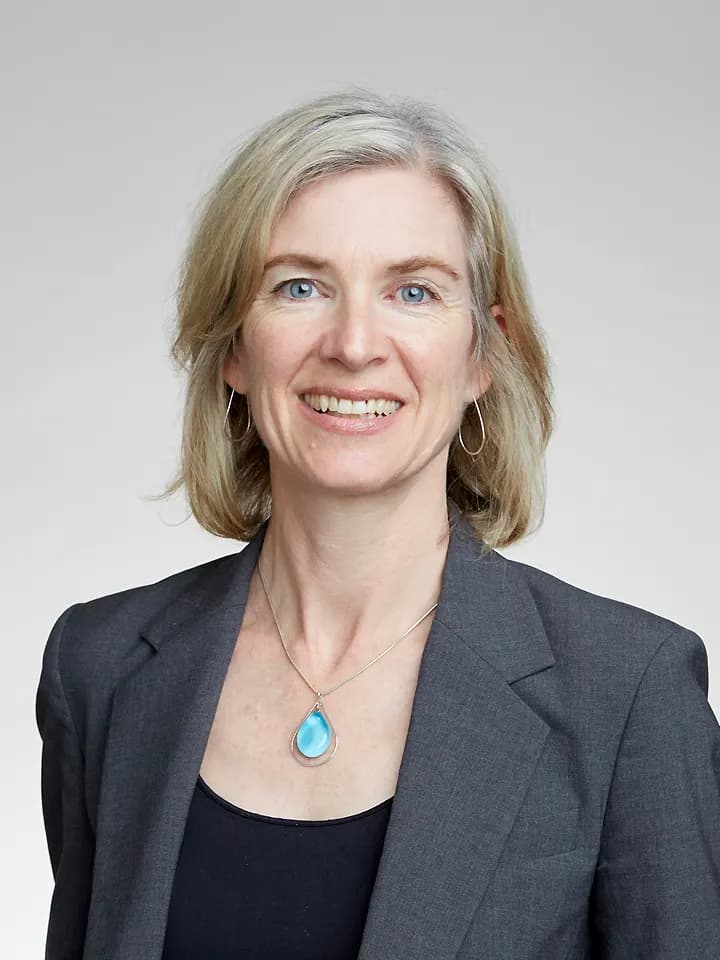 2002–now
Jennifer Doudna
Li Ka Shing Chancellor's Chair Professor of Biochemistry and Molecular Biology
- Teaches
- Biochemistry and genome editing · RNA structure
- Experience
- At Berkeley since 2002; won the 2020 Nobel Prize in Chemistry and directs the Innovative Genomics Institute.
I have so much optimism about what CRISPR can do to help cure unaddressed genetic diseases and improve sustainable agriculture.
More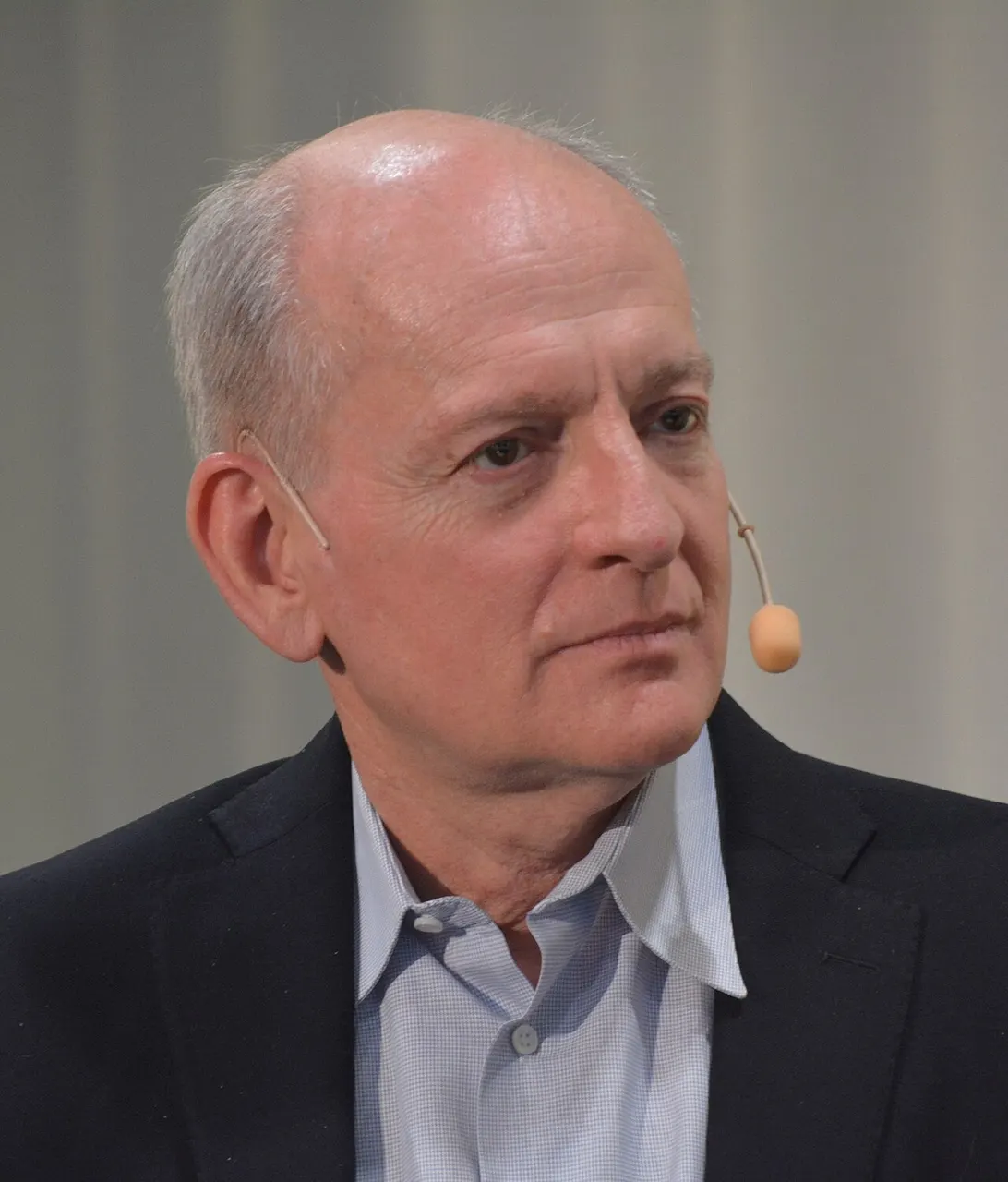 1986–now
Stuart J. Russell
Professor of Computer Science, Director of the Center for Human-Compatible AI
- Teaches
- Artificial intelligence · AI safety and decision making
- Experience
- At Berkeley since 1986; co-author of the textbook used to teach AI in more than 1,500 universities.
In other words, the AGI race is a race towards the edge of a cliff.
More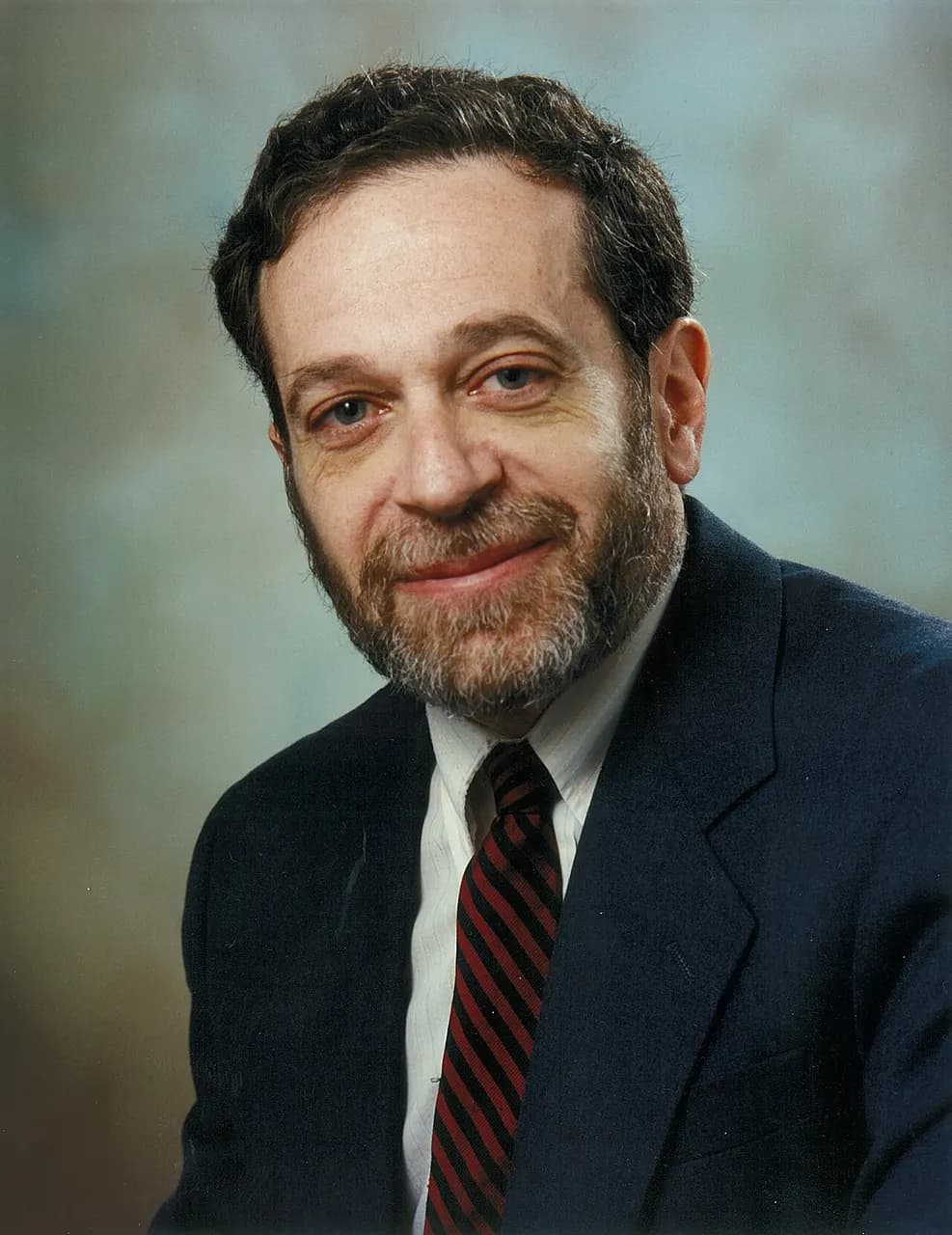 2006–2023
Robert Reich
Carmel P. Friesen Professor of Public Policy, Emeritus, Goldman School of Public Policy
- Teaches
- Wealth and Poverty · Political economy
- Experience
- Taught at Berkeley from 2006 to 2023; his undergraduate course Wealth and Poverty was among the largest on campus.
The rules of the market are not given by nature. They are made by human beings.
More
The campus in photographs
Photographs come from Wikimedia Commons under free licences; the author and licence are shown on each image.
People who studied or taught here
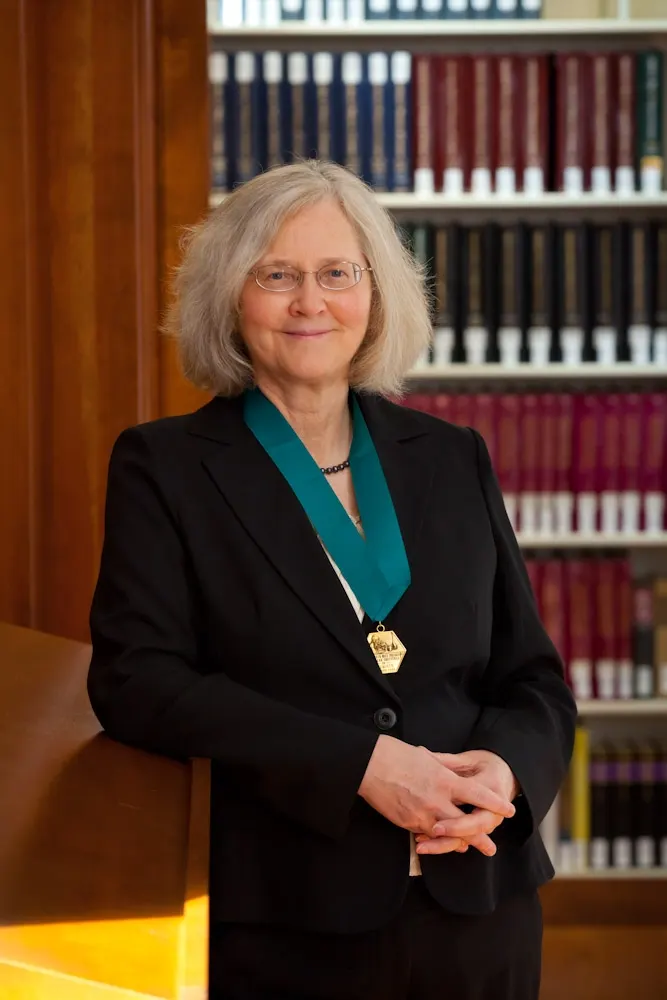 Elizabeth Blackburn
Molecular biologist, Nobel Prize in Medicine 2009 for telomeres
Professor · 1978–1990
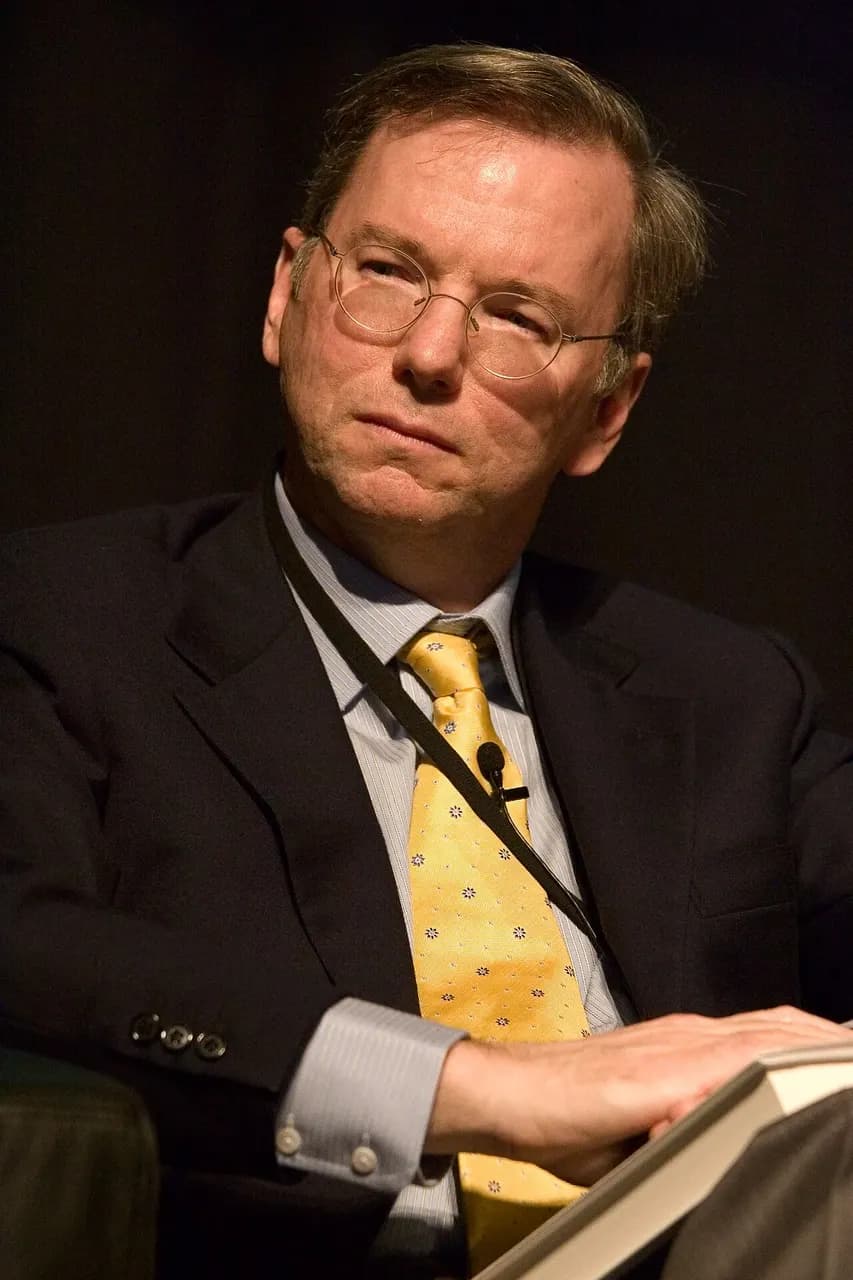
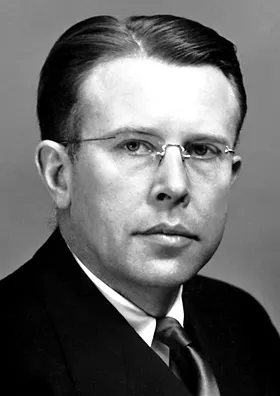 Ernest Lawrence
Physicist, Nobel Prize in Physics 1939 for inventing the cyclotron
Professor · 1928–1958
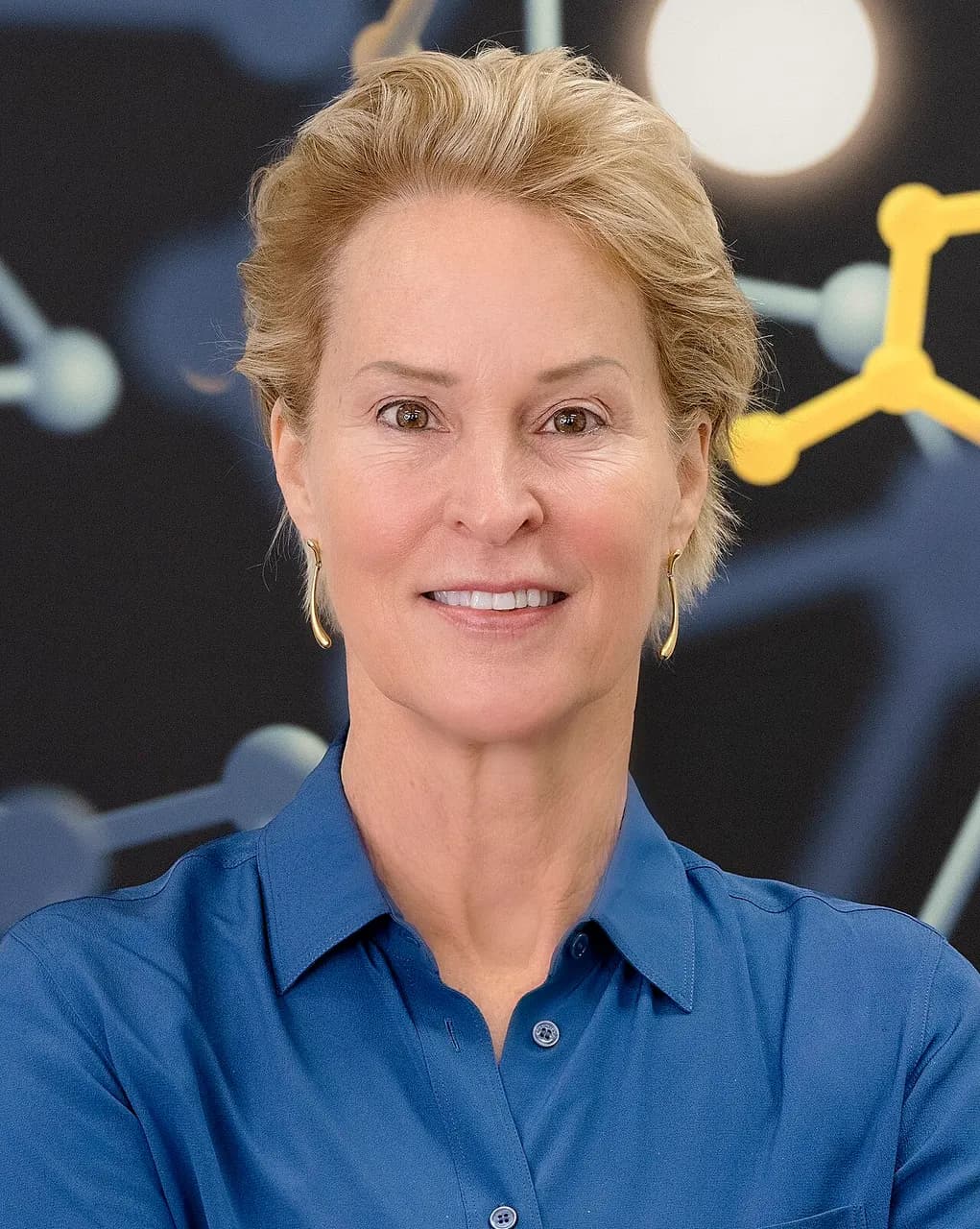 Frances Arnold
Chemical engineer, Nobel Prize in Chemistry 2018 for the directed evolution of enzymes
Doctorate · 1980–1985
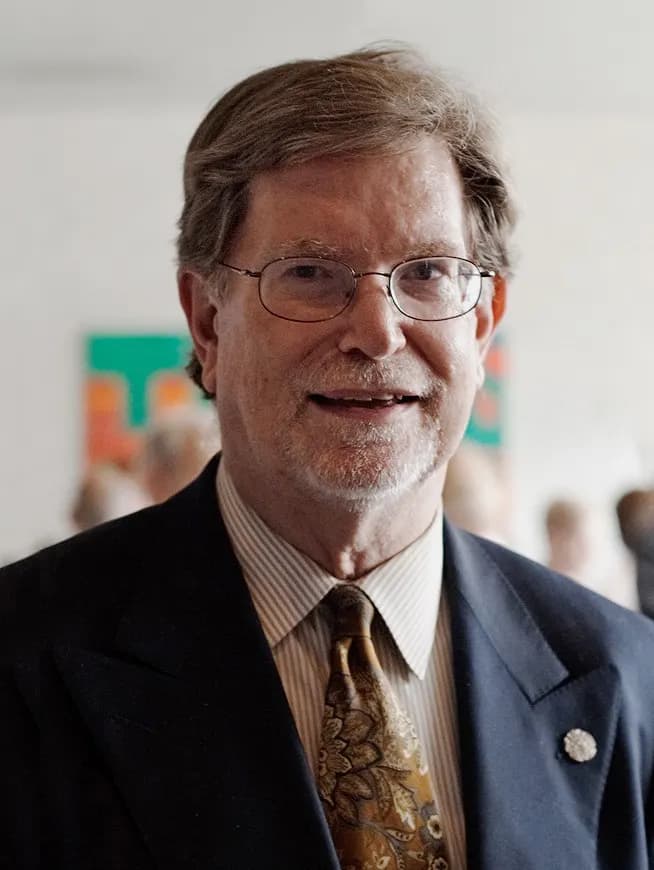 George Smoot
Astrophysicist, Nobel Prize in Physics 2006 for mapping the early universe
Professor · 1974–2020
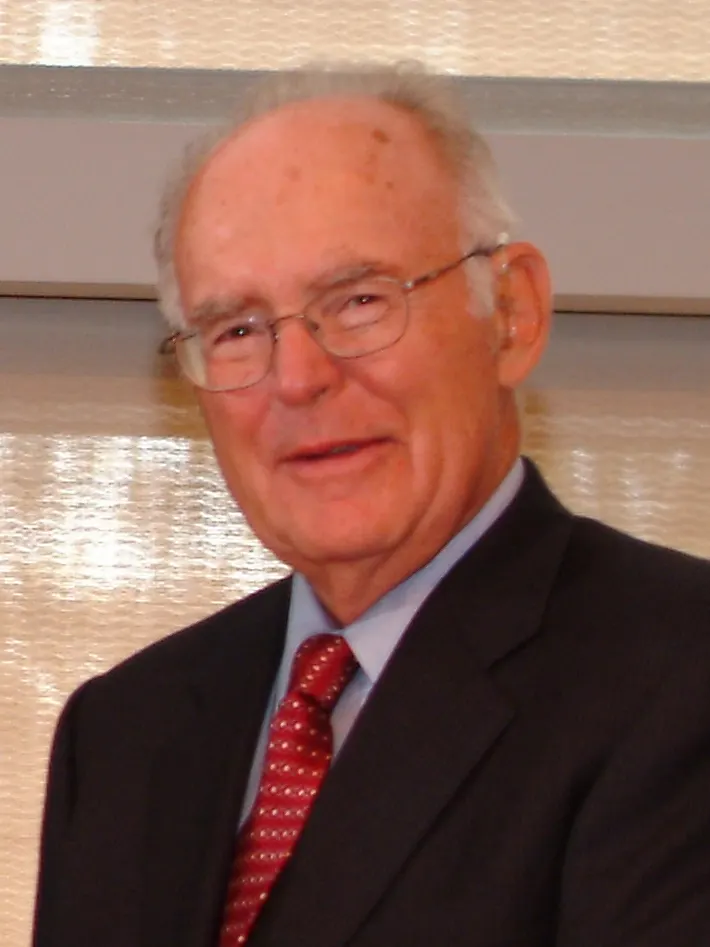
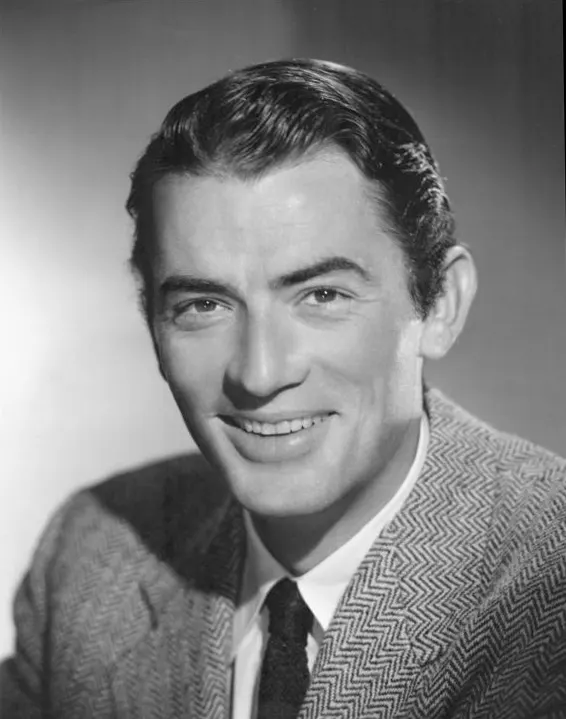
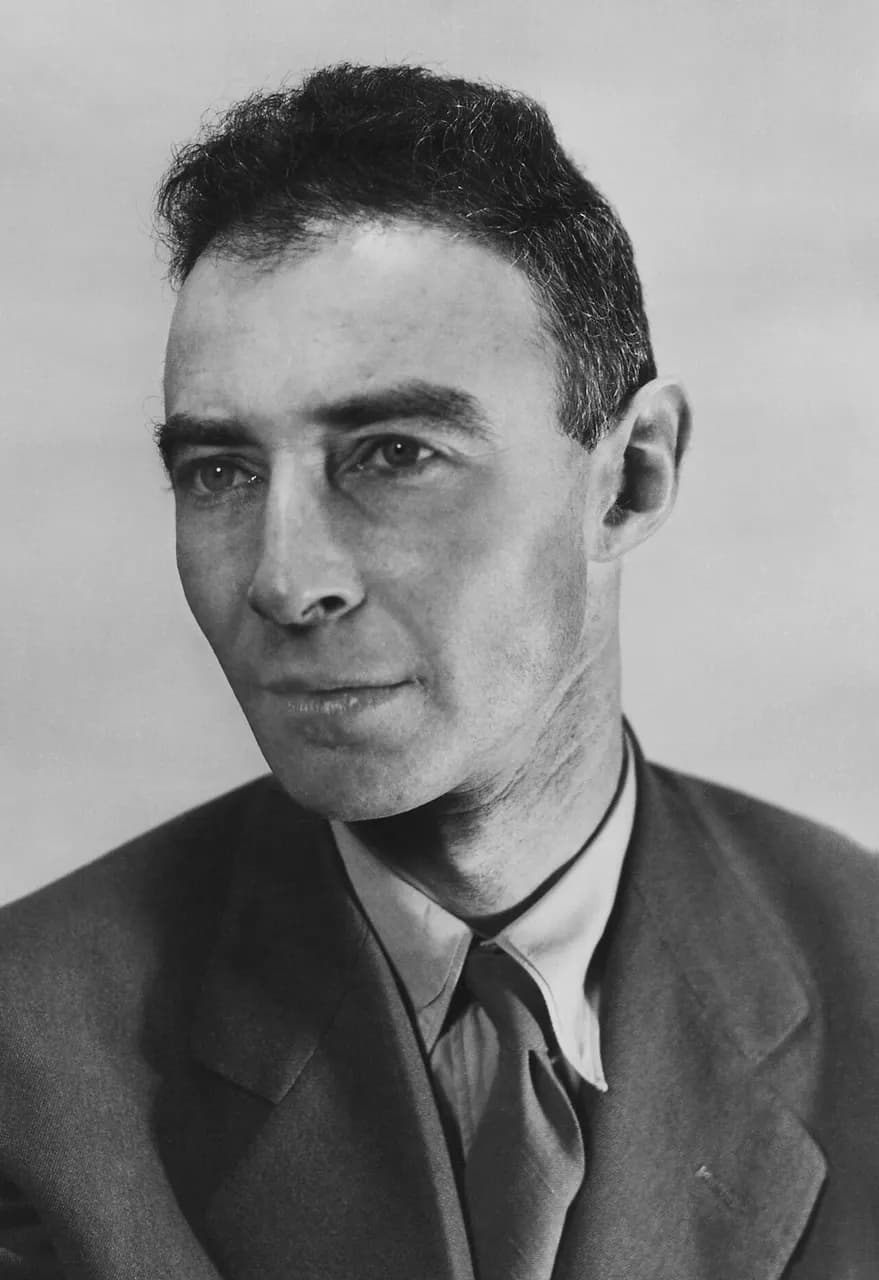 J. Robert Oppenheimer
Physicist, director of the Manhattan Project's Los Alamos Laboratory
Professor · 1929–1943
- Jennifer Doudna
Biochemist, Nobel Prize in Chemistry 2020 for CRISPR gene editing
Professor · 2002–2026
Reviews
No reviews yet. Visited, applied, or studied here? Be the first.