
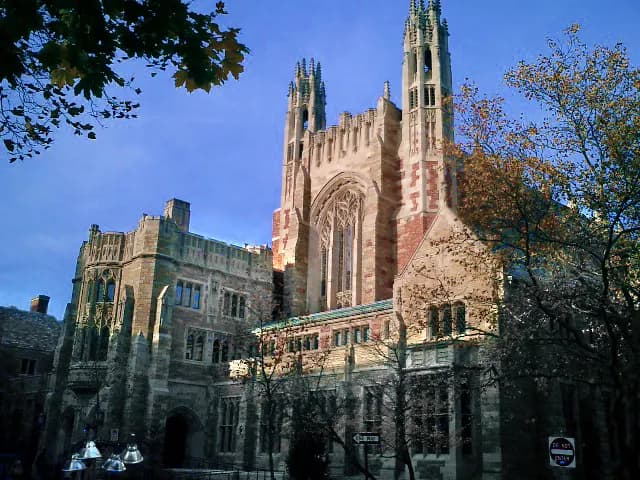
Photo: Pradipta Mitra · CC BY-SA 3.0
United States · New Haven, Connecticut
Yale University
Law, humanities, politics and the arts; Harvard's rival with a residential-college soul
- QS World Ranking 2026
- #21
- Founded
- 1701
- Students
- 15,700
- Bachelor's degree
- 4 years
- Acceptance rate
- 4.2%
- Typical IB offer
- 42–45 (no formal minimum)
- Language of instruction
- English
Worth knowing
Yale's mascot, a bulldog named Handsome Dan, has been in post since 1889 — the first live mascot at any American university — and the current one is Handsome Dan XIX. In the Beinecke Library, behind walls of translucent marble, lies the Voynich Manuscript: 240 vellum pages of unknown script and unidentifiable plants, carbon-dated to the early 1400s and still undeciphered by anyone.
How hard is it to get in, and why
Yale offered places to 2,328 of 54,919 applicants for the Class of 2030 — 4.2% overall and under 3% in the Regular Decision round. From the 2026–27 cycle the SAT or ACT is compulsory (IB or AP scores no longer substitute), and the supplement adds several short answers and a 400-word essay to the Common App. Interviews with alumni or senior students go to only some applicants, so the file itself must show a clear intellectual drive and a record of doing things: Yale's stated aim is to admit people who will make the most of its resources.
What it costs
Tuition
$73k per year
The 2026–27 tuition of $72,500 already includes fees; housing and food add $21,600. Identical for every nationality, offset by need-blind, full-need aid.
Living costs
$25k–32k per year
Full financial aid for international students who need it
Scholarships and financial aid
Yale is need-blind for all applicants, international included, and meets 100% of demonstrated need with grants — no loans are expected. From 2026–27 families with incomes below $200,000 pay no tuition, and those below $100,000 pay nothing at all, with travel, health insurance and a $2,000 start-up grant covered. Just over half of undergraduates receive aid; there are no merit or athletic scholarships.
How to apply
Apply via the Common App, the Coalition Application or QuestBridge: Single-Choice Early Action by 1 November (decision mid-December; no other early applications to private universities) or Regular Decision by 2 January (decision late March). From the 2026–27 cycle every applicant must submit the SAT or ACT — Yale's earlier 'test-flexible' option of using IB or AP scores instead has ended, though predicted IB scores are still welcome as extra evidence. Yale asks for several short answers and a 400-word essay on top of the Common App, two teacher references and a counsellor report. Interviews with alumni or senior students are offered to some applicants; you cannot request one, and not having one does not count against you.
Official websiteWhat makes it special
- Every undergraduate belongs to one of 14 residential colleges — each with its own courtyard, dining hall, dean and head — modelled on Oxford and Cambridge and the heart of social life.
- Yale Law School has topped the US rankings for decades; five US presidents and a long line of Supreme Court justices and senators studied here.
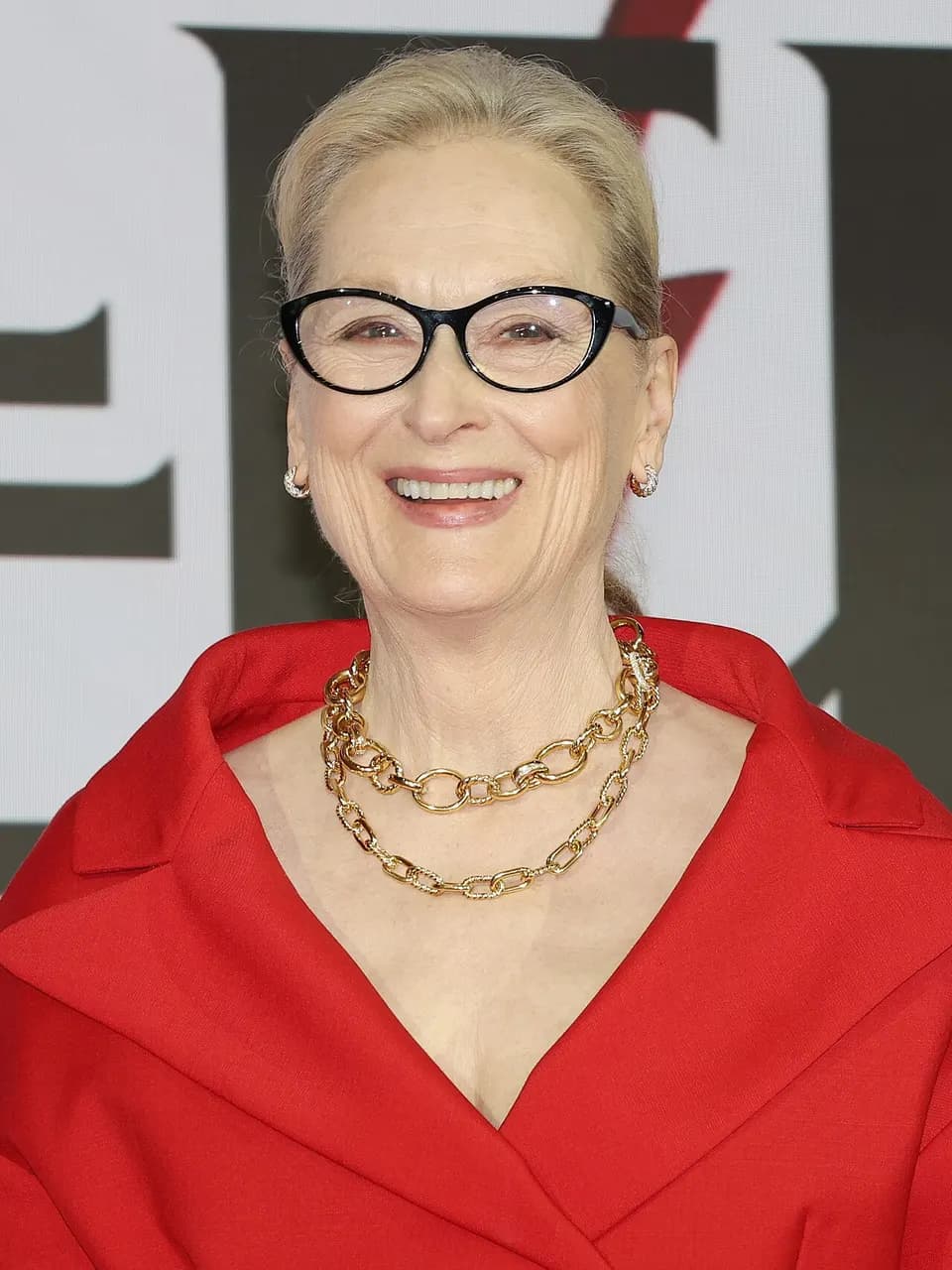
- The David Geffen School of Drama has been tuition-free since 2021 and trained Meryl Streep, Paul Giamatti and Lupita Nyong'o; Yale's art gallery, founded in 1832, is the oldest university museum in the Western hemisphere.
- Sterling Memorial Library looks like a cathedral and anchors a 15-million-item collection; Directed Studies, a first-year great-books programme, is Yale's signature intellectual boot camp.
- Secret societies such as Skull and Bones (1832), the a cappella groups and the Harvard–Yale Game every November are the traditions outsiders hear about; the colleges' late-night 'butteries' are the ones students remember.
- New Haven is a compact city on Long Island Sound, under two hours by train from Manhattan, known for its pizza and for the Gothic skyline of the campus itself.
About studying in United States
Four-year degrees and holistic admissions: universities read essays, recommendations and a record of what you have built or led, not only grades. Applications go through the Common App by early November (early rounds) or early January; most top universities have brought back SAT or ACT scores. Sticker prices are the highest in the world, but Harvard, MIT, Yale, Princeton and a few others admit international students without looking at family income and then cover the full demonstrated need.
Teaching staff
Who runs the university, who teaches, and how lessons actually work.
- Student–faculty ratio
- 6:1
- Undergraduate courses under 20 students
- 75%+
- Nobel laureates affiliated
- ~65
Yale has roughly 5,000 faculty across the university and about six undergraduates per member of teaching staff, with more than 75 percent of undergraduate courses enrolling fewer than twenty students. Some sixty-five Nobel laureates have been affiliated with the university. The president oversees Yale College, the Graduate School of Arts and Sciences and twelve professional schools, each with its own dean, including Law, Medicine, Management, Drama, Music, Art, Architecture, Divinity, Nursing, Public Health and the School of the Environment. The most senior faculty rank, the Sterling Professorship, is the university's highest academic honour.
Most teaching happens in seminars rather than lecture halls, and undergraduates are attached to one of fourteen residential colleges where they eat, live and are advised for four years by a head of college and a dean who live on site. Yale runs a two-week shopping period at the start of each term: students attend any class they like before committing, which forces instructors to make their case in the first session. Directed Studies, an optional first-year programme, takes about 125 students through the Western literary, philosophical and political canon in three linked seminars; senior essays are required in most majors.
Some Yale courses have become well known far beyond New Haven. Laurie Santos's Psychology and the Good Life enrolled about 1,200 students in 2018, roughly a quarter of Yale College and the largest class in the university's three-century history; its free online version has drawn millions of learners. The introductory art history sequence sends students to the Yale University Art Gallery, the oldest college art museum in the country, and the residential college seminars let a dozen undergraduates take a course invented for that term alone.
Teachers worth knowing
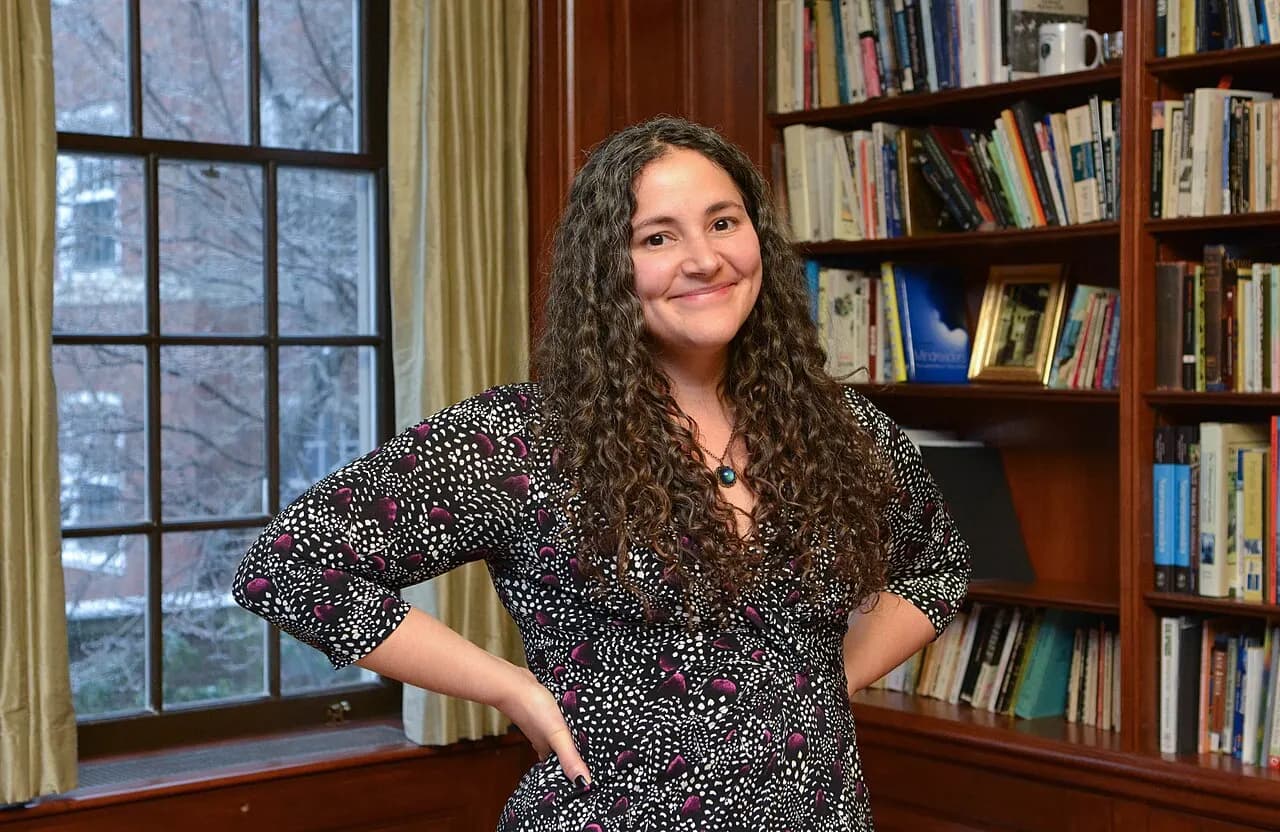 2003–now
Laurie Santos
Chandrika and Ranjan Tandon Professor of Psychology
- Teaches
- Psychology and the Good Life · Comparative cognition
- Experience
- Teaching at Yale since 2003; her 2018 course enrolled about 1,200 students, the largest class in Yale's history.
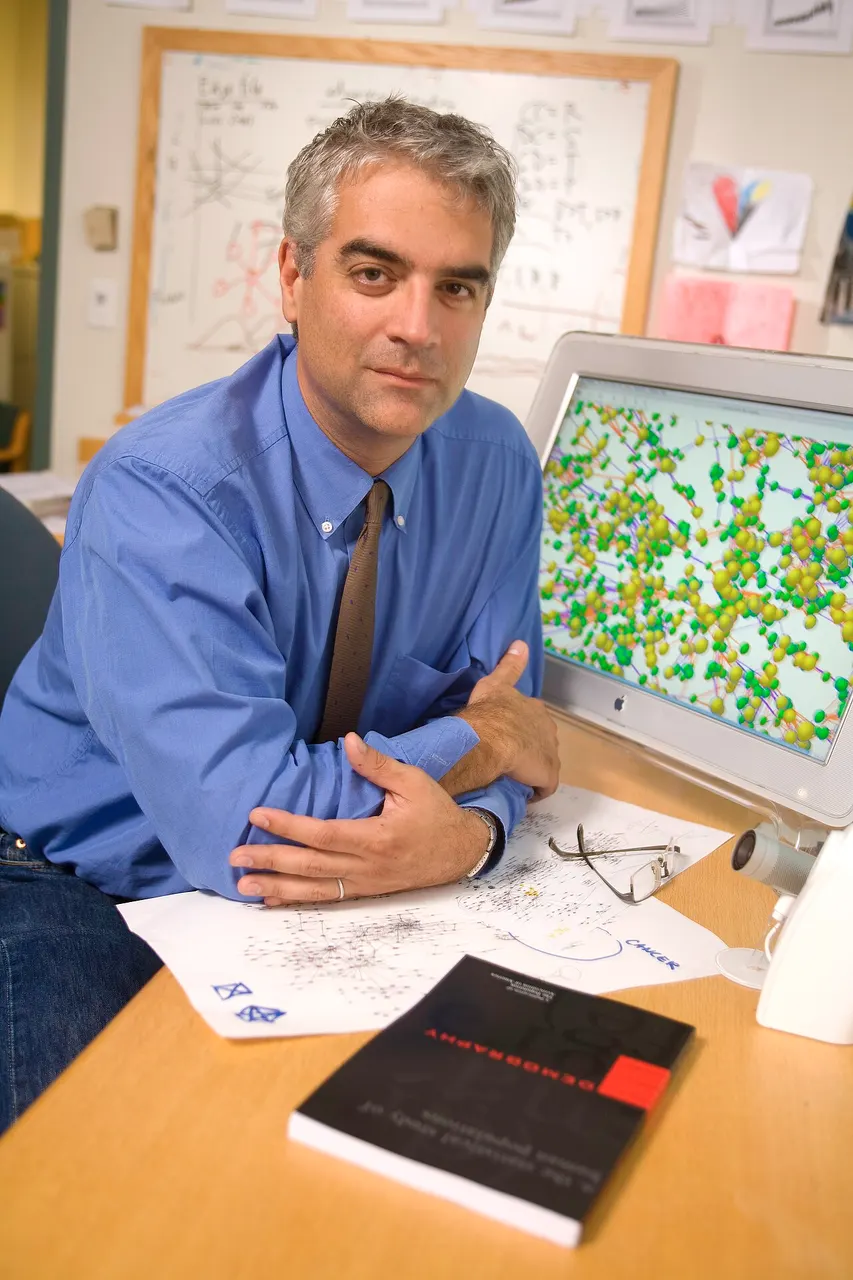 2013–now
Nicholas Christakis
Sterling Professor of Social and Natural Science
- Teaches
- Social networks · Biosocial science
- Experience
- At Yale since 2013; named a Sterling Professor, the university's highest faculty rank, in 2018.
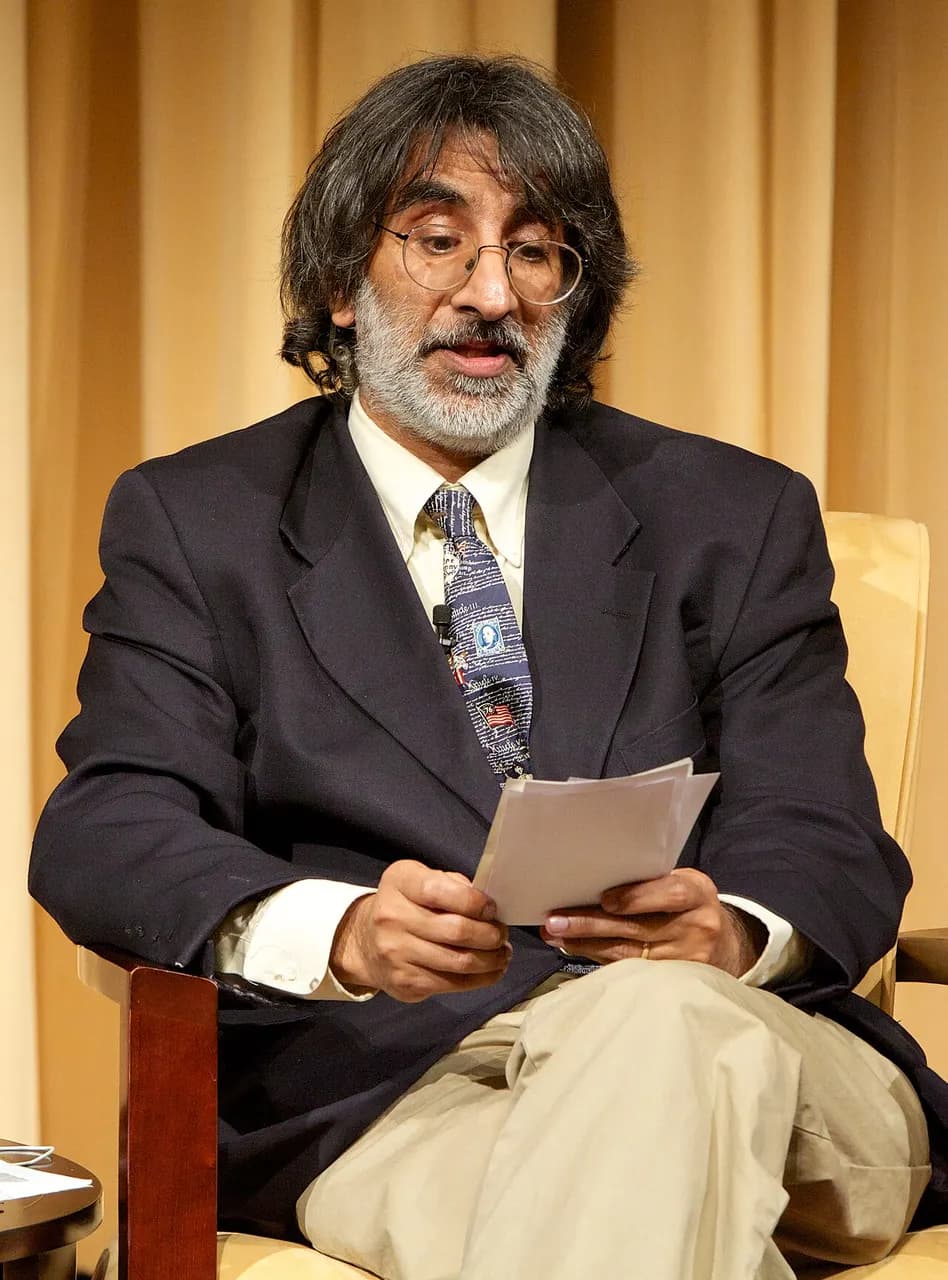 1985–now
Akhil Reed Amar
Sterling Professor of Law and Political Science
- Teaches
- Constitutional law · American legal history
- Experience
- Joined the Yale faculty in 1985 at twenty-six; teaches constitutional law in both Yale College and Yale Law School.
The campus in photographs
Photographs come from Wikimedia Commons under free licences; the author and licence are shown on each image.
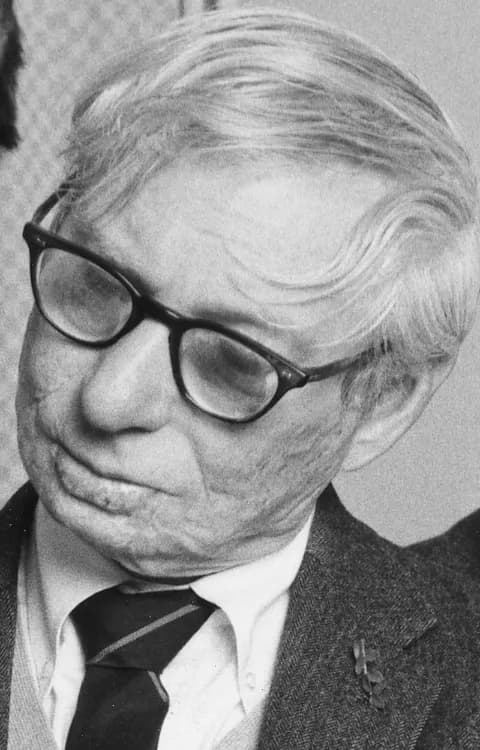
People who studied or taught here
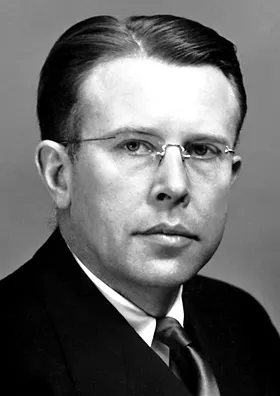 Ernest Lawrence
Physicist, Nobel Prize in Physics 1939 for inventing the cyclotron
Doctorate · 1923–1928
Reviews
No reviews yet. Visited, applied, or studied here? Be the first.