
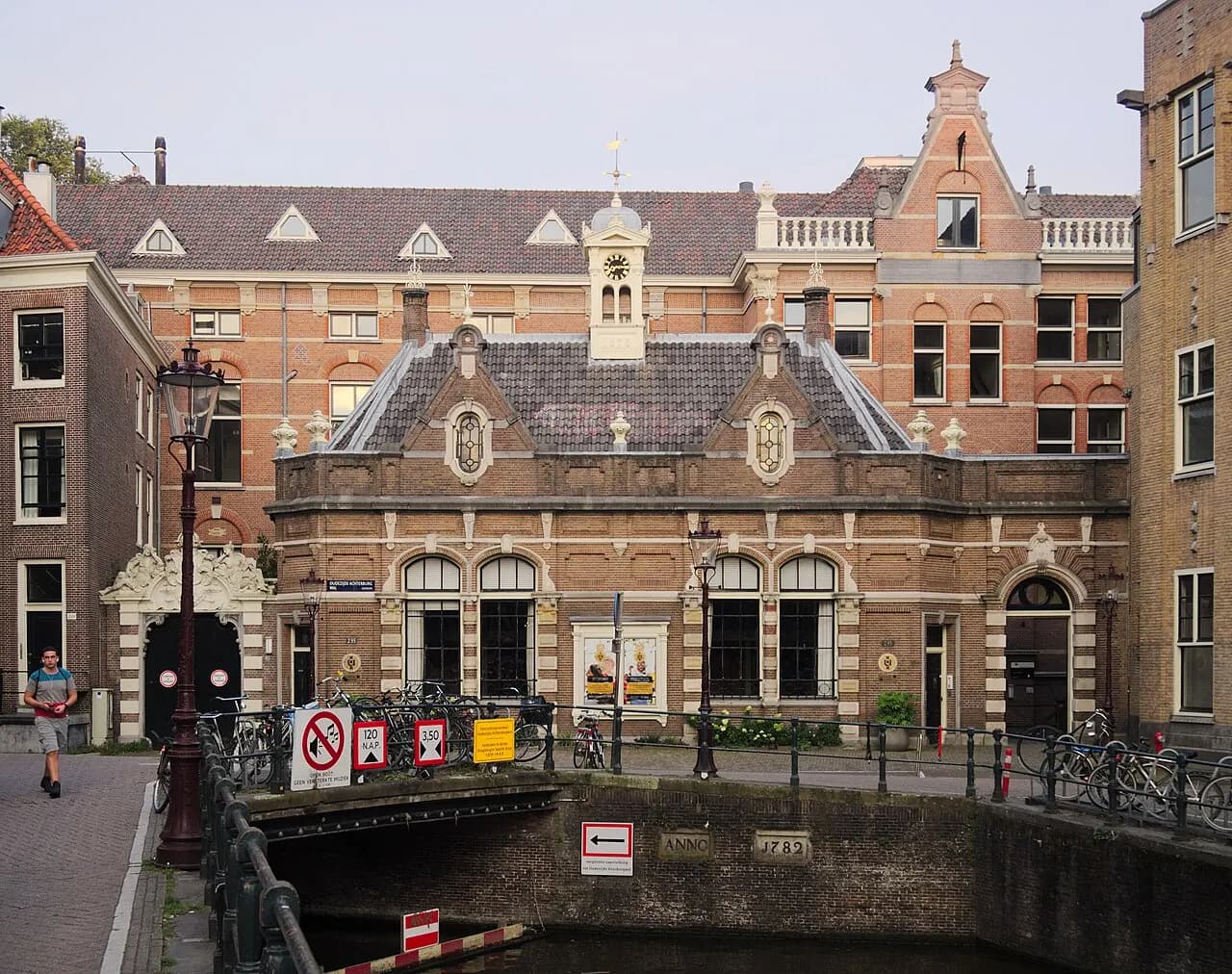
Photo: C messier · CC BY-SA 4.0
Netherlands · Amsterdam
University of Amsterdam
A research university nearly four centuries old, woven into Amsterdam's canals
- QS World Ranking 2026
- #53
- Founded
- 1632
- Students
- 43,000
- Bachelor's degree
- 3 years
- Acceptance rate
- Open admission for most programmes; numerus fixus with selection in Psychology (600 places), PPLE (300) and Business Administration (650)
- Typical IB offer
- Full Diploma (24+ formally); Maths AA or AI for economics, science and PPLE; 34+ realistic for numerus fixus programmes
- Language of instruction
- English and Dutch. More than twenty bachelor's programmes are taught in English, including PPLE, Psychology, Business Administration, Economics and Business Economics, Econometrics, Political Science and Physics and Astronomy. IB students with English as an examined subject are exempt from IELTS; otherwise 6.5 overall.
Worth knowing
The university has no fenced campus: lecture halls occupy seventeenth-century buildings between the canals, and the Roeterseiland campus sits on an island dug out in the 1600s. Amsterdam has more bicycles than residents, so the standard way to reach a 9 a.m. seminar is by bike, in the rain.
How hard is it to get in, and why
Most bachelor's programmes admit any student with a full IB Diploma and the right subjects, with no interview, essay or quota; formally 24 points suffice, though admitted students average well above 30. The popular English-taught tracks are numerus fixus: Psychology, PPLE and Business Administration each receive several thousand applications for a few hundred places and select on school grades, online tests and motivation, with a 15 January deadline. After entry, a binding study advice requires 42–48 of the 60 first-year credits.
What it costs
Tuition
$16k–25k per year
Non-EU/EEA institutional fees in 2026–27 range from €13 900 (Economics and Business) through €17 500 (Humanities, Law), €19 100 (PPLE) and €20 430 (Amsterdam University College) to €21 800 (Science); Medicine is €34 700 but taught in Dutch. EU/EEA students pay €2 694.
Living costs
$15k–22k per year
Scholarships and financial aid
The Amsterdam Merit Scholarship gives selected non-EU bachelor's students €6 000 a year for three years, paid as a reimbursement rather than a fee waiver; it is highly selective and not offered by every faculty. The NL Scholarship at the UvA is reserved for master's students. Most international undergraduates pay in full, sometimes supported by part-time work of up to 16 hours a week.
How to apply
Register in Studielink, then complete the application in the UvA dashboard with transcripts, predicted or final IB results and a €100 fee. Numerus fixus programmes close on 15 January; selection runs from January to April on grades, online tests and motivation questions, and each applicant may join at most two such procedures nationally. For all other programmes non-EU applicants needing a visa or housing must apply by 1 April. No interviews for standard programmes. A binding study advice of 42–48 credits applies at the end of year one.
Official websiteWhat makes it special
- Founded in 1632 as the Athenaeum Illustre; the third-oldest university in the Netherlands and one of the largest in Europe, with around 43 000 students.
- Its physics and chemistry faculty produced the very first Nobel Prize in Chemistry (Van 't Hoff, 1901) and the physics prizes of Zeeman (1902) and Van der Waals (1910).
- Three main sites: the historic city-centre buildings, the canal-side Roeterseiland campus for social sciences and economics, and Amsterdam Science Park in the east.
- PPLE, the Politics, Psychology, Law and Economics bachelor's, is a small selective honours-style programme; Amsterdam University College offers a liberal arts and sciences degree jointly with VU Amsterdam.
- Communication and media studies sit at the very top of the QS subject rankings, and psychology, economics and computer science are all in the world's top 50.
- Housing is the pinch point: Amsterdam has a chronic student-room shortage, so the UvA's reserved rooms for international first-years are allocated on a first-come basis.
About studying in Netherlands
Three-year bachelor's degrees, many of them taught entirely in English, with applications through the national Studielink portal. Popular programmes use numerus fixus selection with a 15 January deadline; the rest close on 1 May. Fees for non-EU students range from roughly €10,000 to €20,000 a year. Every university applies a binding study advice: earn most of the first-year credits or leave the programme.
Teaching staff
Who runs the university, who teaches, and how lessons actually work.
- Academic staff
- ~3 800
- Faculties
- 7
- First-year credits to stay
- 42–48 / 60
The University of Amsterdam employs roughly 3,800 academic staff out of some 6,400 employees, teaching over 40,000 students, which makes it one of the largest research universities in continental Europe. A quarter of the academic staff come from outside the Netherlands, and six Nobel laureates are counted among former professors and alumni, including Jacobus van 't Hoff in chemistry, Pieter Zeeman in physics and Christiaan Eijkman in medicine. The rector magnificus — since 2022 the philosopher of technology Peter-Paul Verbeek — leads seven faculties, each under its own dean: Humanities, Social and Behavioural Sciences, Economics and Business, Science, Law, Medicine and Dentistry, with the Science faculty shared with the neighbouring Vrije Universiteit in several programmes.
Teaching alternates lectures in large halls with compulsory werkgroepen of fifteen to twenty-five students, where attendance is checked and participation counts towards the grade. The year is divided into semesters with a short intensive January block, and assessment usually combines a written exam with essays or group papers, so a single bad exam day is rarely fatal. The filter is the binding study advice: a first-year student must earn between 42 and 48 of the 60 credits depending on the programme, and falling short means being removed from that programme for the following years. Many bachelor's degrees are taught in English — Psychology, Business Administration, Politics, Psychology, Law and Economics, and most of the Science faculty — and undergraduates can join research groups through the honours programme, which adds thirty credits of extra work on top of a normal degree.
The university has no campus: its faculties are scattered across the centre of Amsterdam in converted seventeenth-century buildings, and the law faculty sits in the Roeterseiland complex while the humanities occupy a former orphanage on Spui. Amsterdam University College, run jointly with the Vrije Universiteit, offers a three-year liberal arts and sciences honours bachelor's in English with residential accommodation, which is the closest thing here to an American college experience. The Institute for Logic, Language and Computation, founded in 1991, is one of the few places in the world where logic, linguistics and computer science are taught as a single discipline, and the Allard Pierson museum lets archaeology and history students handle the university's own collections.
Teachers worth knowing
- M2012–now
Max Welling
Professor of Machine Learning, Informatics Institute
- Teaches
- Machine learning · Deep learning for the natural sciences
- Experience
- Professor at the UvA since 2012, where he leads the Amsterdam Machine Learning Lab; previously at UC Irvine, and a Qualcomm vice-president after the sale of his start-up.
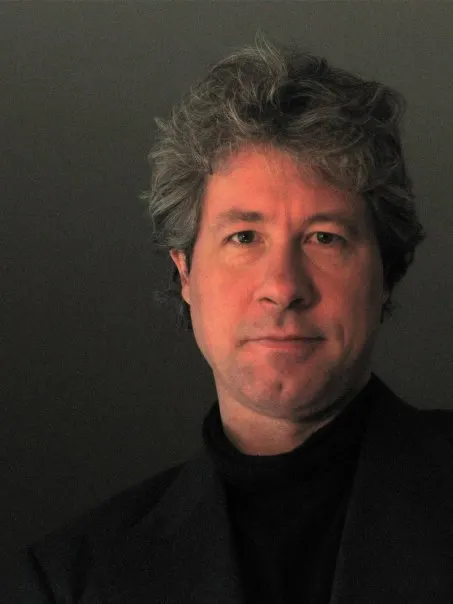 2003–now
Erik Verlinde
Professor of Theoretical Physics, Institute for Theoretical Physics
- Teaches
- String theory and quantum gravity · Black holes and cosmology
- Experience
- At the UvA since 2003, after Princeton and CERN; awarded the Spinoza Prize in 2011.
 2010–now
Annemarie Mol
Professor of Anthropology of the Body
- Teaches
- Anthropology of medicine and care · Science and technology studies
- Experience
- Professor at the UvA since 2010; awarded the Spinoza Prize in 2012 and elected to the Royal Netherlands Academy of Arts and Sciences in 2013.
The campus in photographs
Photographs come from Wikimedia Commons under free licences; the author and licence are shown on each image.
People who studied or taught here
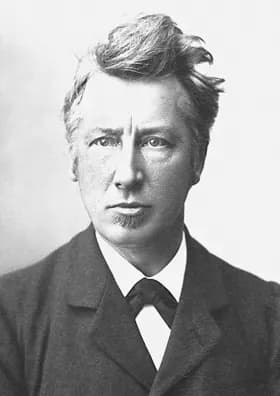
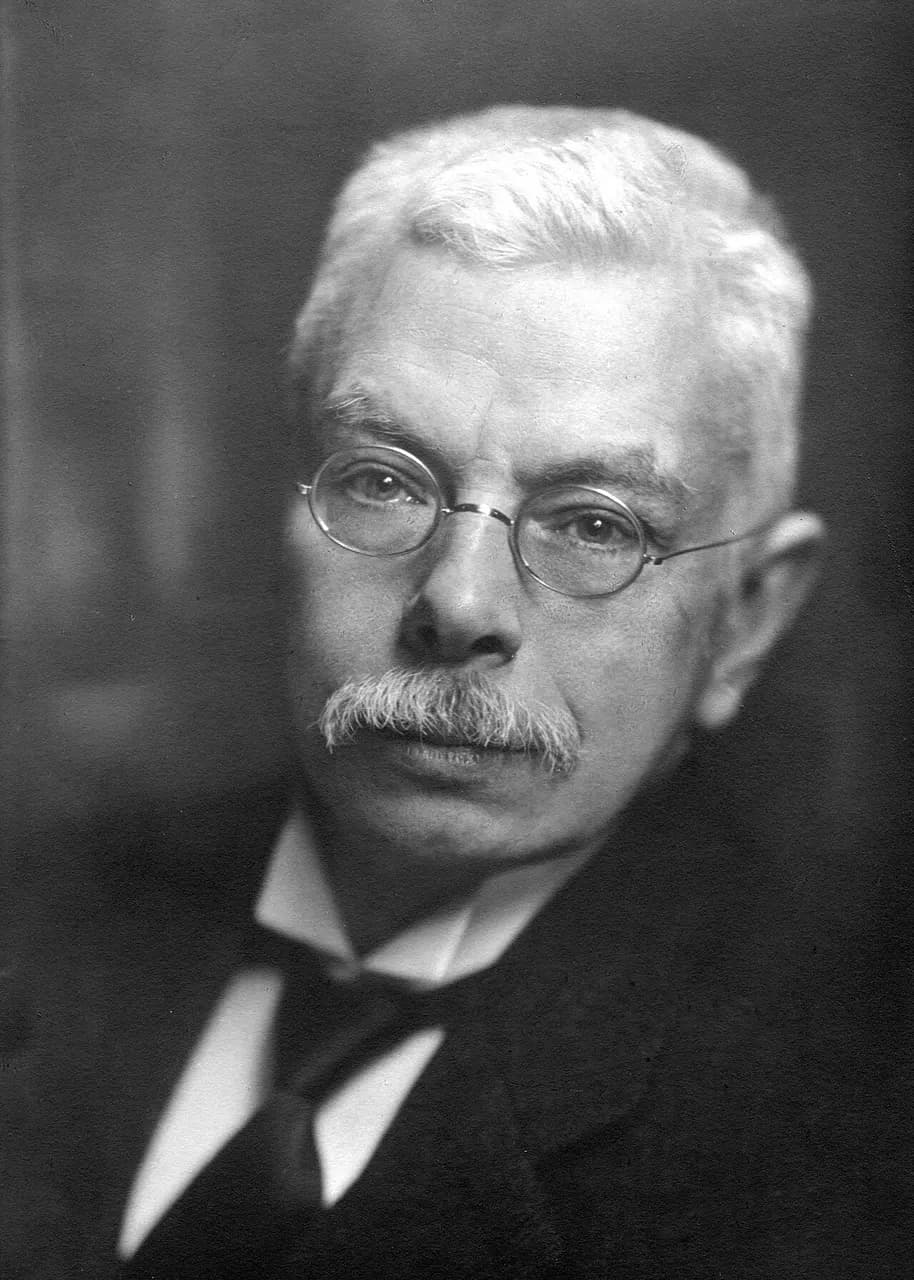
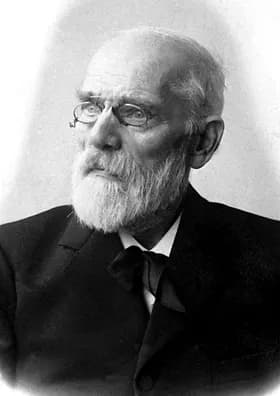 Johannes van der Waals
Physicist, Nobel Prize in Physics 1910 for the equation of state of gases and liquids
Professor · 1877–1907
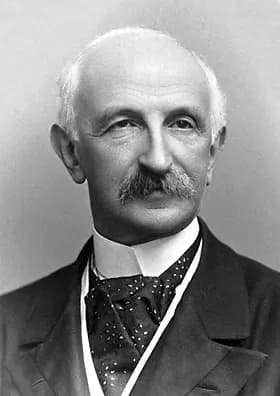
 Pieter Zeeman
Physicist, Nobel Prize in Physics 1902 for the effect of magnetism on light
Professor · 1900–1935
Reviews
No reviews yet. Visited, applied, or studied here? Be the first.