
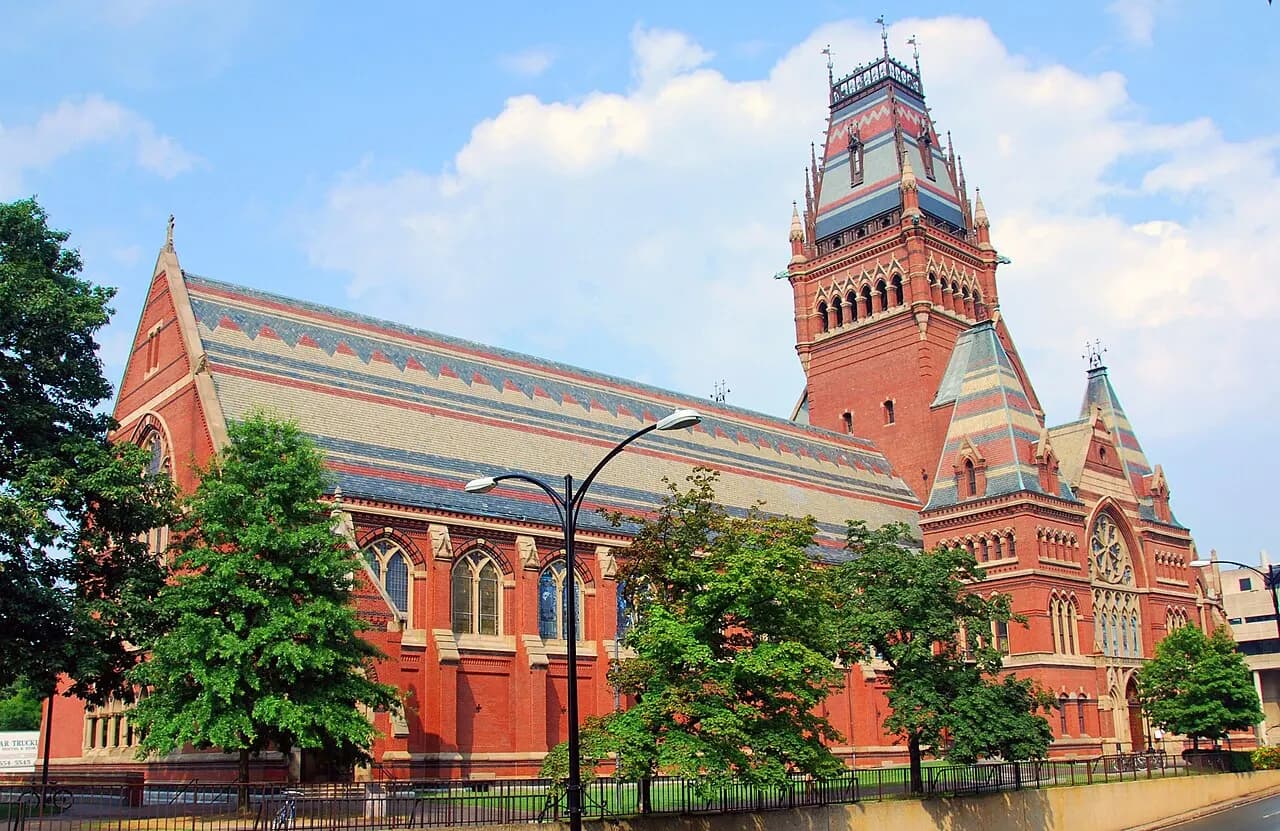
Photo: chensiyuan · CC BY-SA 4.0
United States · Cambridge, Massachusetts
Harvard University
America's oldest university: law, medicine, business and eight US presidents
- QS World Ranking 2026
- #5
- Founded
- 1636
- Students
- 24,300
- Bachelor's degree
- 4 years
- Acceptance rate
- 4.2%
- Typical IB offer
- 42–45 (no formal minimum)
- Language of instruction
- English
Worth knowing
The John Harvard statue in Harvard Yard is known on campus as the Statue of Three Lies. Its plaque reads 'John Harvard, Founder, 1638', yet Harvard was a benefactor rather than the founder, the college dates from 1636, and the sculptor used a student as the model because no portrait of Harvard survived.
How hard is it to get in, and why
Harvard receives about 48,000 applications for roughly 2,000 places and reads every file holistically: grades, the SAT or ACT (required again since 2024), five short essays, two teacher references, an alumni interview where available, and what the applicant has actually built or led outside class. Legacy and athletic recruitment still shape part of the class, so the effective rate for an international applicant without those hooks is closer to 2–3%. Since 2025 the College has stopped publishing admission statistics until the autumn after decisions, so 4.2% (Class of 2029) is the last officially confirmed figure.
What it costs
Tuition
$62k per year
Tuition for 2026–27 plus about $6,200 in mandatory fees; the price is the same for all nationalities and is offset by need-blind, full-need financial aid.
Living costs
$27k–34k per year
Full financial aid for international students who need it
Scholarships and financial aid
Harvard is need-blind for every applicant regardless of citizenship and meets 100% of demonstrated need with grants, not loans. From 2025–26 families with incomes below $100,000 pay nothing at all and those below $200,000 pay no tuition; about 55% of undergraduates receive aid. There are no merit or sports scholarships — every dollar is need-based.
How to apply
Apply through the Common App (Harvard is also a QuestBridge partner): Restrictive Early Action by 1 November with a decision in mid-December, or Regular Decision by 1 January with a decision in late March. The SAT or ACT is required for the 2026–27 cycle; IB results can be used only in exceptional cases where testing was inaccessible. Beyond the main Common App essay you answer five Harvard short questions of up to 150 words each and provide two teacher references plus a school report. Alumni interviews are offered where volunteers are available, including in Thailand, but an application is complete without one.
Official websiteWhat makes it special
- Founded in 1636, 140 years before the United States; Harvard Yard, Widener Library and the red-brick houses along the Charles River are the template every 'campus' imitates.
- After first year every undergraduate is sorted into one of twelve residential Houses, each with its own dining hall, tutors, library and rivalries.
- Harvard Library holds more than 20 million volumes, the largest academic collection in the world; undergraduates can also cross-register for courses at MIT a mile down the road.
- Eight US presidents, more than 160 Nobel laureates and the largest university endowment on earth (over $50 billion) — which is what pays for the financial aid.
- Undergraduates choose from about 50 concentrations and are expected to explore widely: the liberal-arts model means you do not commit to a major until the end of your first year.
- Cambridge is a student city of bookshops and cafés around Harvard Square, ten minutes by metro from central Boston; the annual football match against Yale, 'The Game', dates from 1875.
About studying in United States
Four-year degrees and holistic admissions: universities read essays, recommendations and a record of what you have built or led, not only grades. Applications go through the Common App by early November (early rounds) or early January; most top universities have brought back SAT or ACT scores. Sticker prices are the highest in the world, but Harvard, MIT, Yale, Princeton and a few others admit international students without looking at family income and then cover the full demonstrated need.
Teaching staff
Who runs the university, who teaches, and how lessons actually work.
- Student–faculty ratio
- 7:1
- Professors
- ~2 400
- Nobel laureates affiliated
- 160+
Harvard employs roughly 2,400 professors across its faculties and keeps about seven undergraduates per member of teaching staff. More than 160 Nobel laureates have been affiliated with the university, and a working laureate teaching a first-year course is not unusual. The president chairs a structure of twelve schools, each with its own dean: Arts and Sciences, where almost all undergraduate teaching happens, plus Law, Medicine, Business, Design, Divinity, Education, Engineering, Government, Public Health, Dental Medicine and the Extension School.
Teaching runs on a two-part rhythm. A professor gives the lecture, then the class breaks into sections of twelve to twenty students led by a graduate teaching fellow, where the actual arguing happens. Undergraduates are assigned an academic adviser in their first week and, from the second year, a concentration adviser in their chosen field. Roughly half of undergraduates do paid research alongside a professor through the college research programmes, and a senior thesis is the normal ending for the strongest students.
Some courses have become institutions in themselves. Michael Sandel's Justice has been taken by more than 15,000 students and was the first Harvard course released free online. CS50, the introduction to computer science, is the largest class on campus and is now taught in schools worldwide. Math 55 has a reputation as the hardest undergraduate mathematics course in America, and the college makes a point of saying that most students should not take it.
Teachers worth knowing
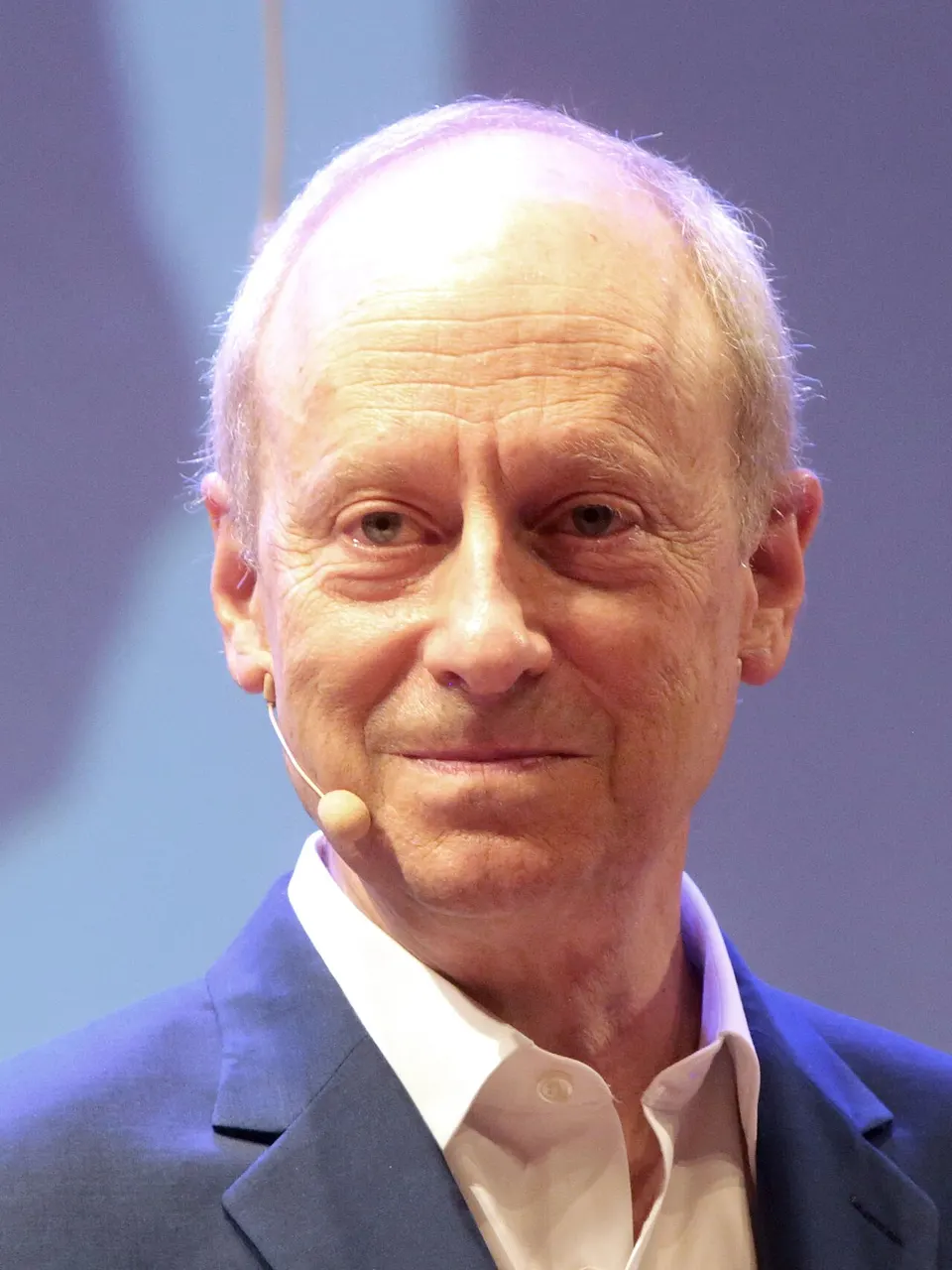 1980–now
Michael Sandel
Anne T. and Robert M. Bass Professor of Government
- Teaches
- Justice (moral and political philosophy) · Ethics, Biotechnology and the Future of Human Nature
- Experience
- Teaching at Harvard since 1980; his Justice course has been taken by more than 15,000 students.
Philosophy estranges us from the familiar, not by supplying new information but by inviting and provoking a new way of seeing.
More- D2007–now
David J. Malan
Gordon McKay Professor of the Practice of Computer Science
- Teaches
- CS50: Introduction to Computer Science · Web programming
- Experience
- Has taught CS50 since 2007, turning it into Harvard's largest course and a free class used by schools worldwide.
What ultimately matters in this course is not so much where you end up relative to your classmates but where you end up relative to yourself when you began.
More 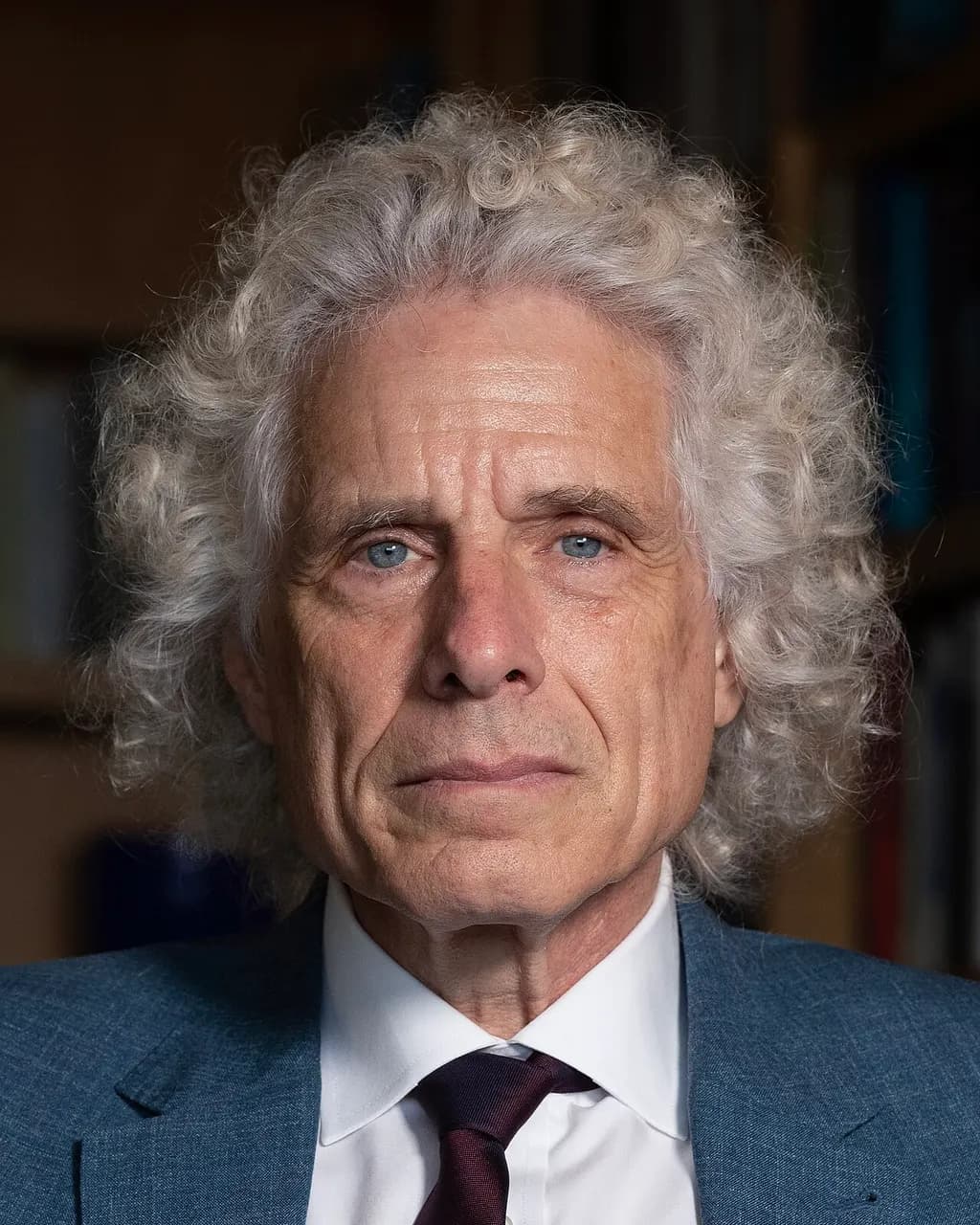 2003–now
Steven Pinker
Johnstone Family Professor in the Department of Psychology
- Teaches
- Language and cognition · Rationality
- Experience
- At Harvard since 2003; previously taught at MIT for twenty-one years.
The mind is a neural computer, fitted by natural selection with combinatorial algorithms for causal and probabilistic reasoning.
More
The campus in photographs
Photographs come from Wikimedia Commons under free licences; the author and licence are shown on each image.
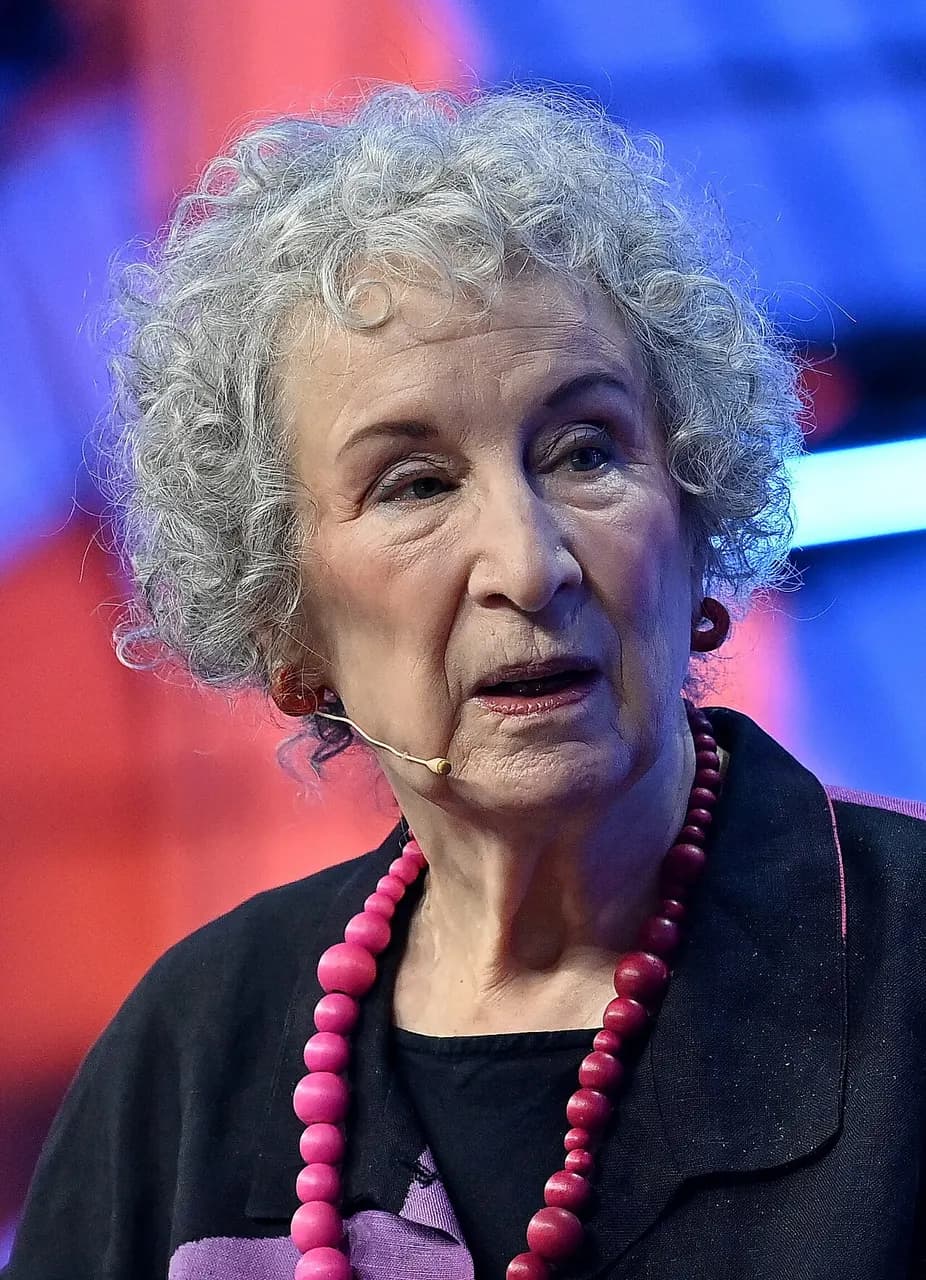
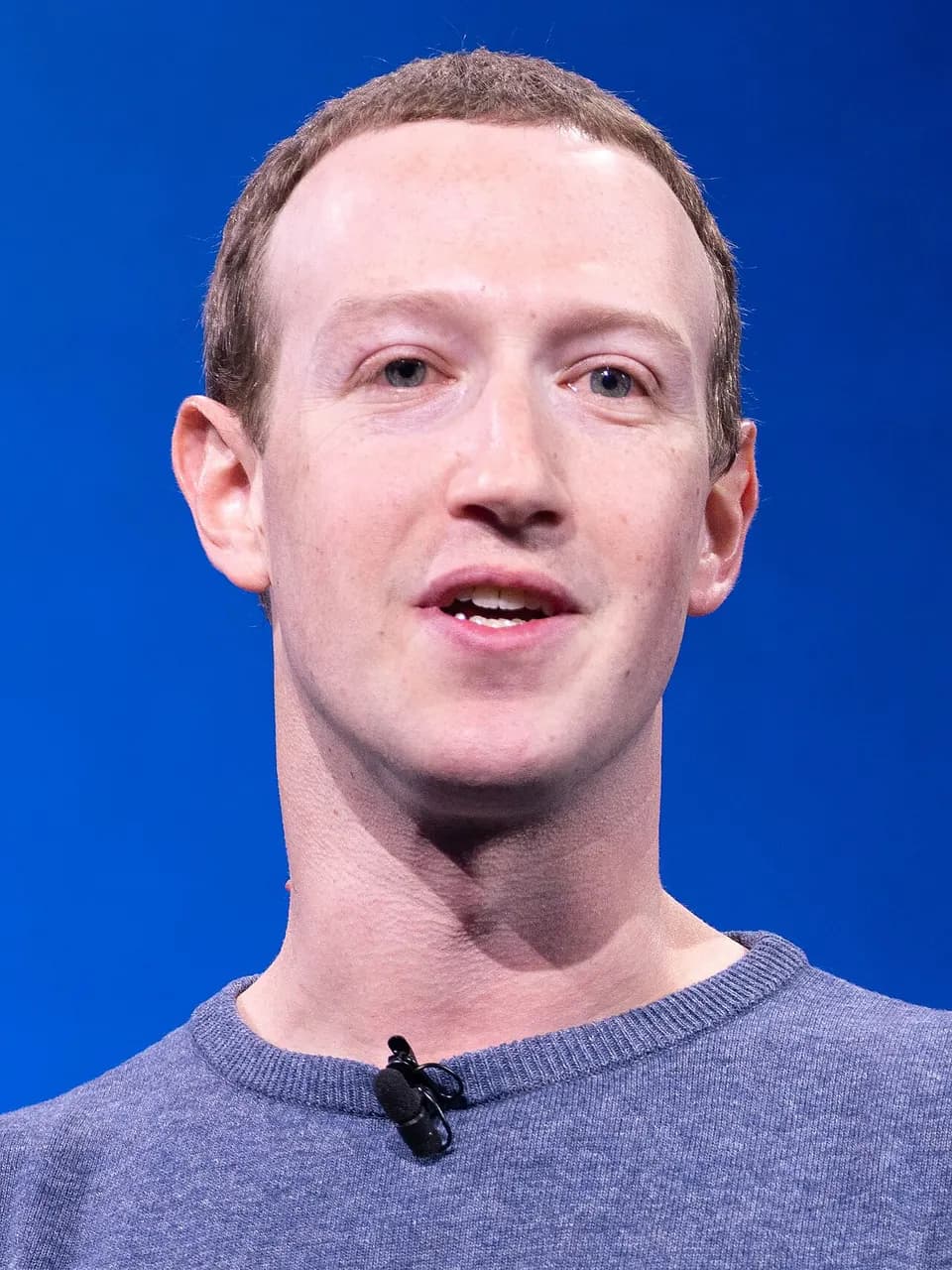
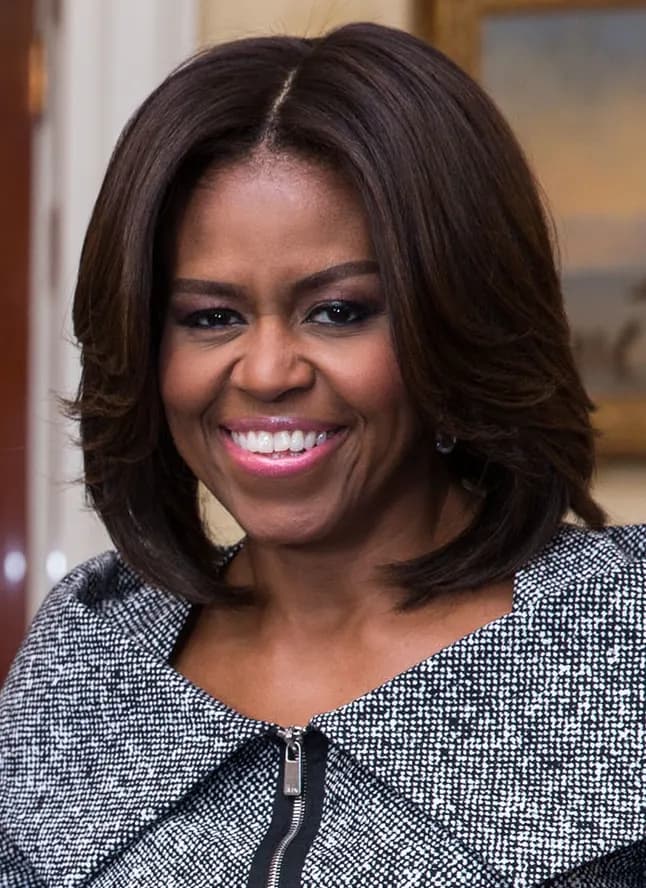
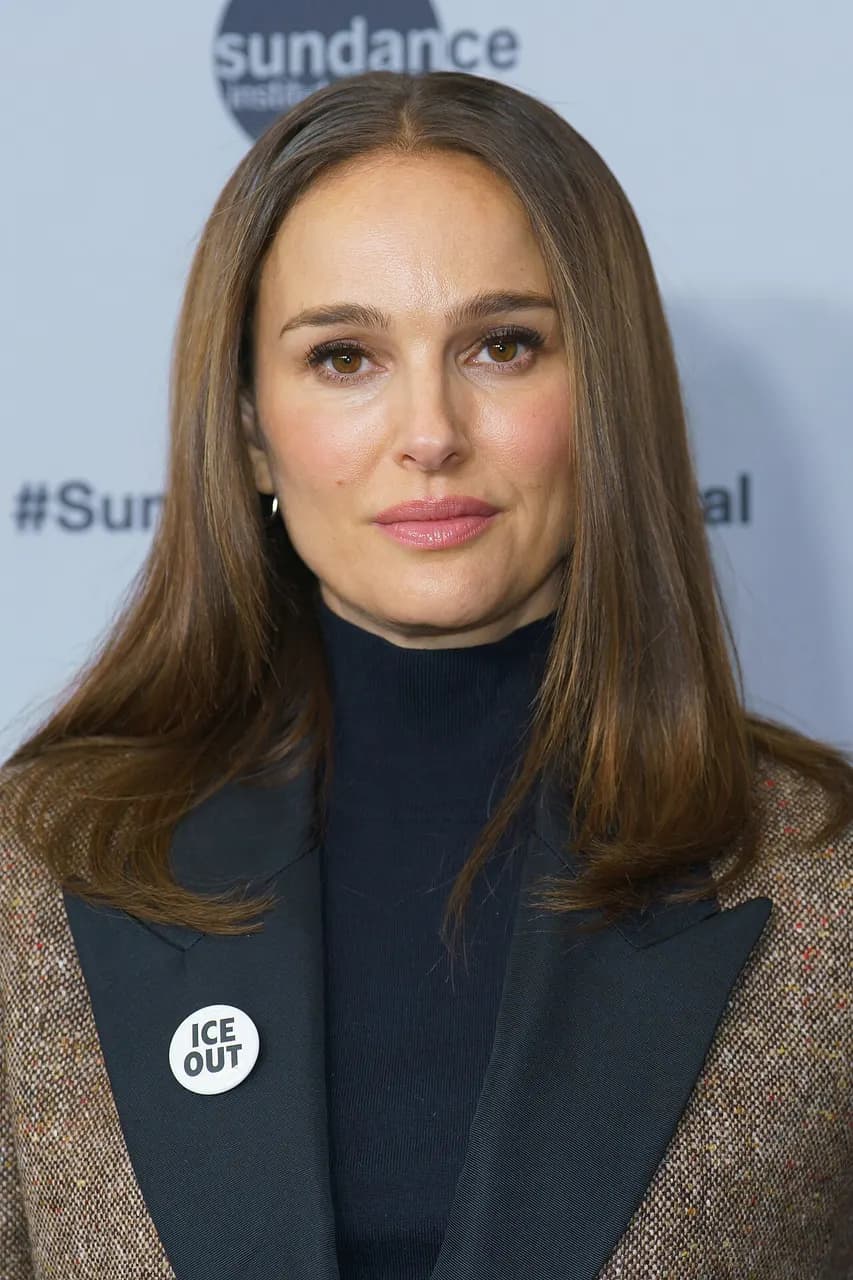
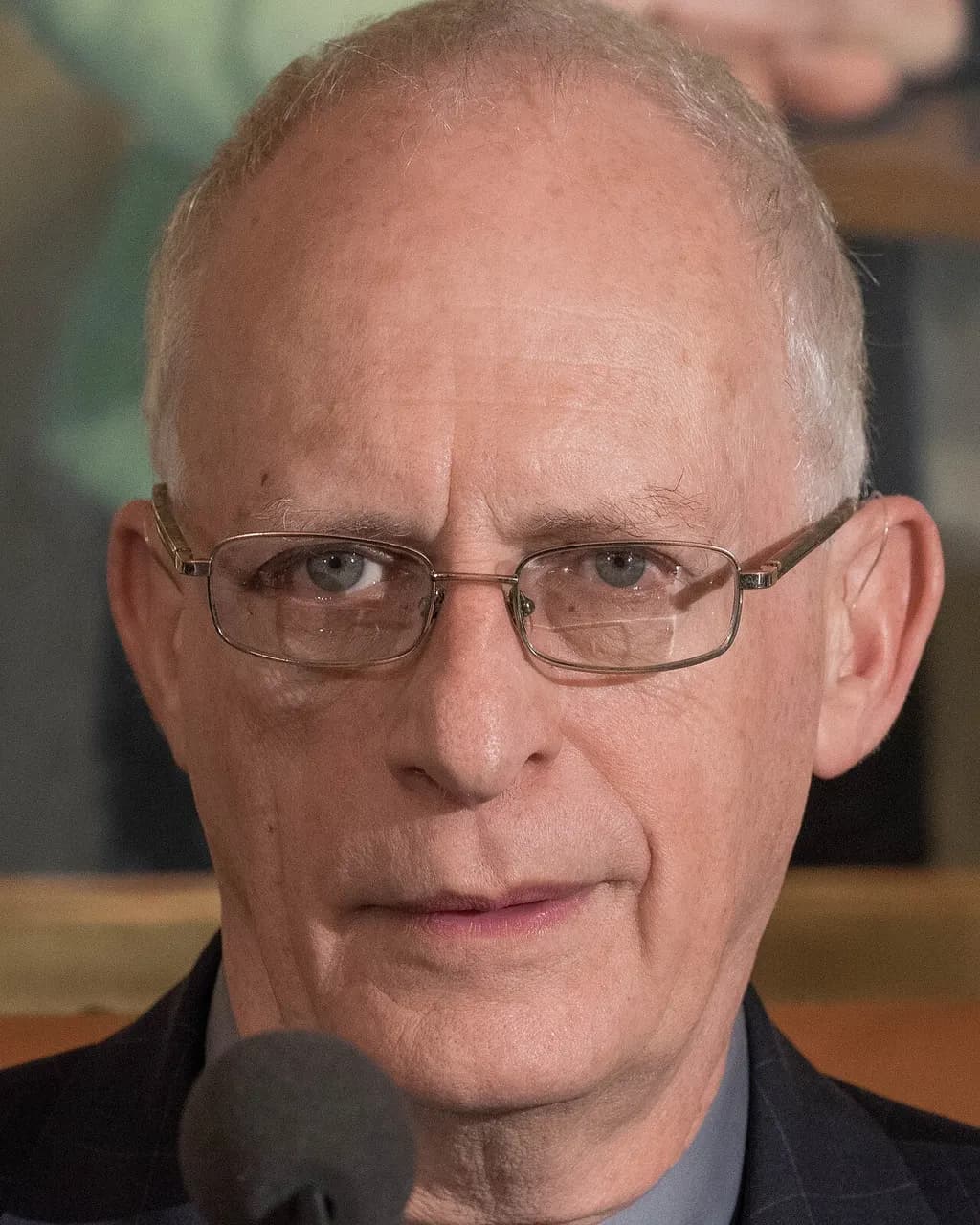
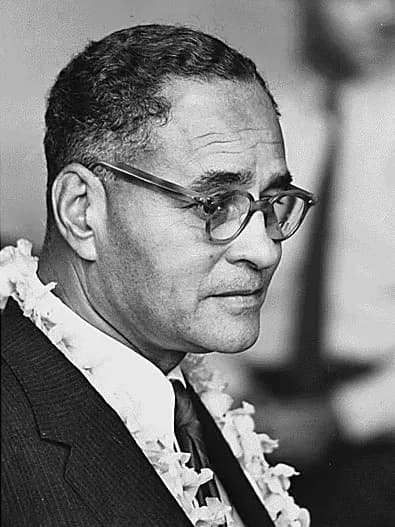
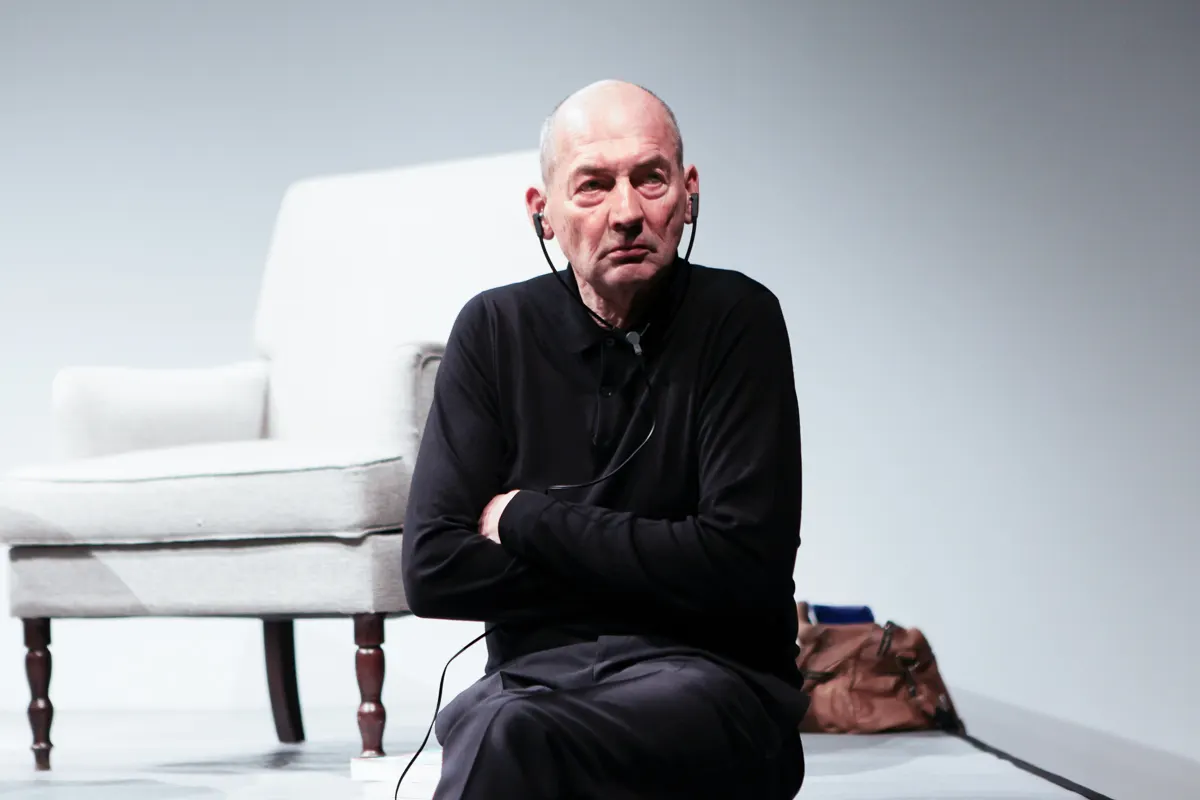
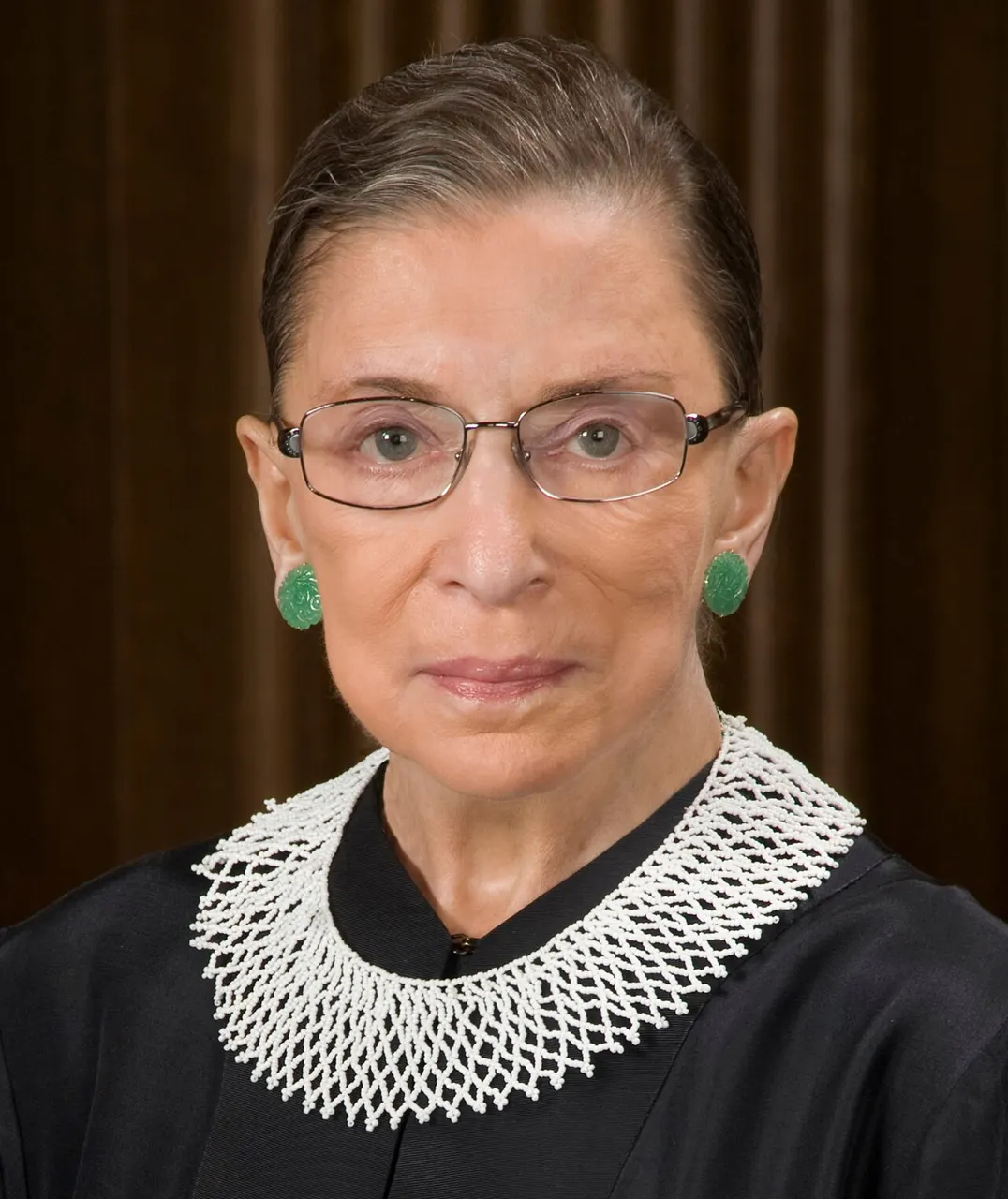
People who studied or taught here
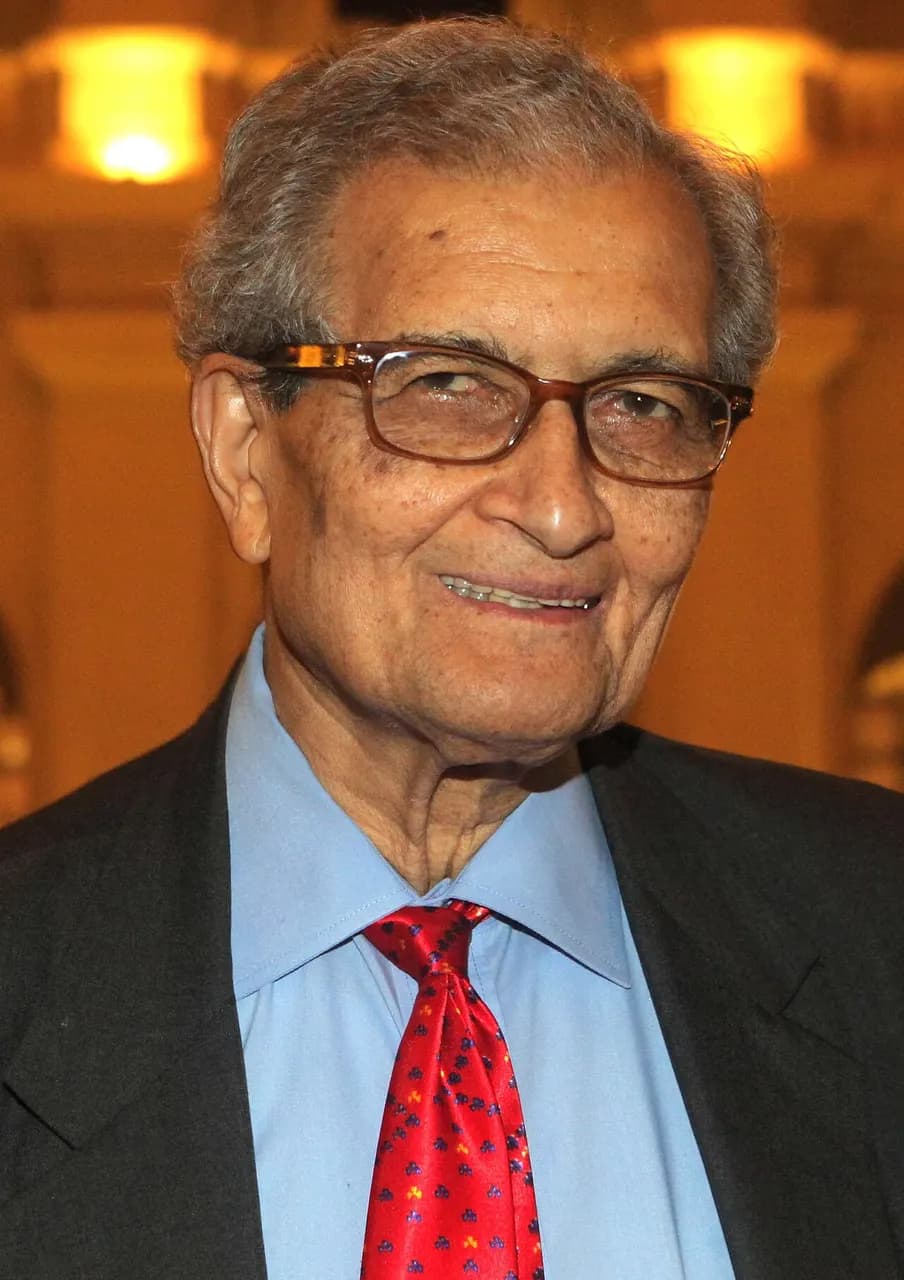
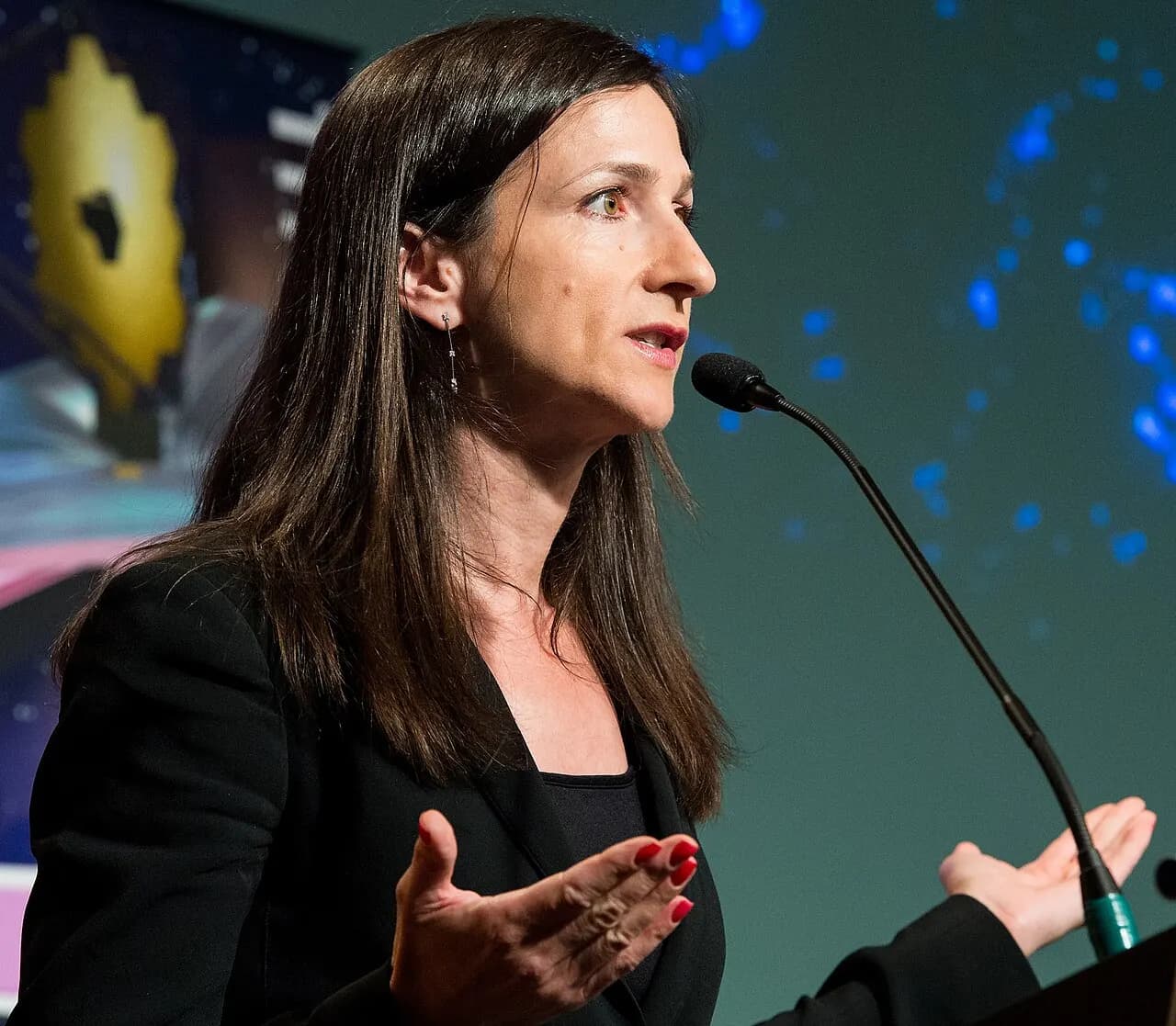
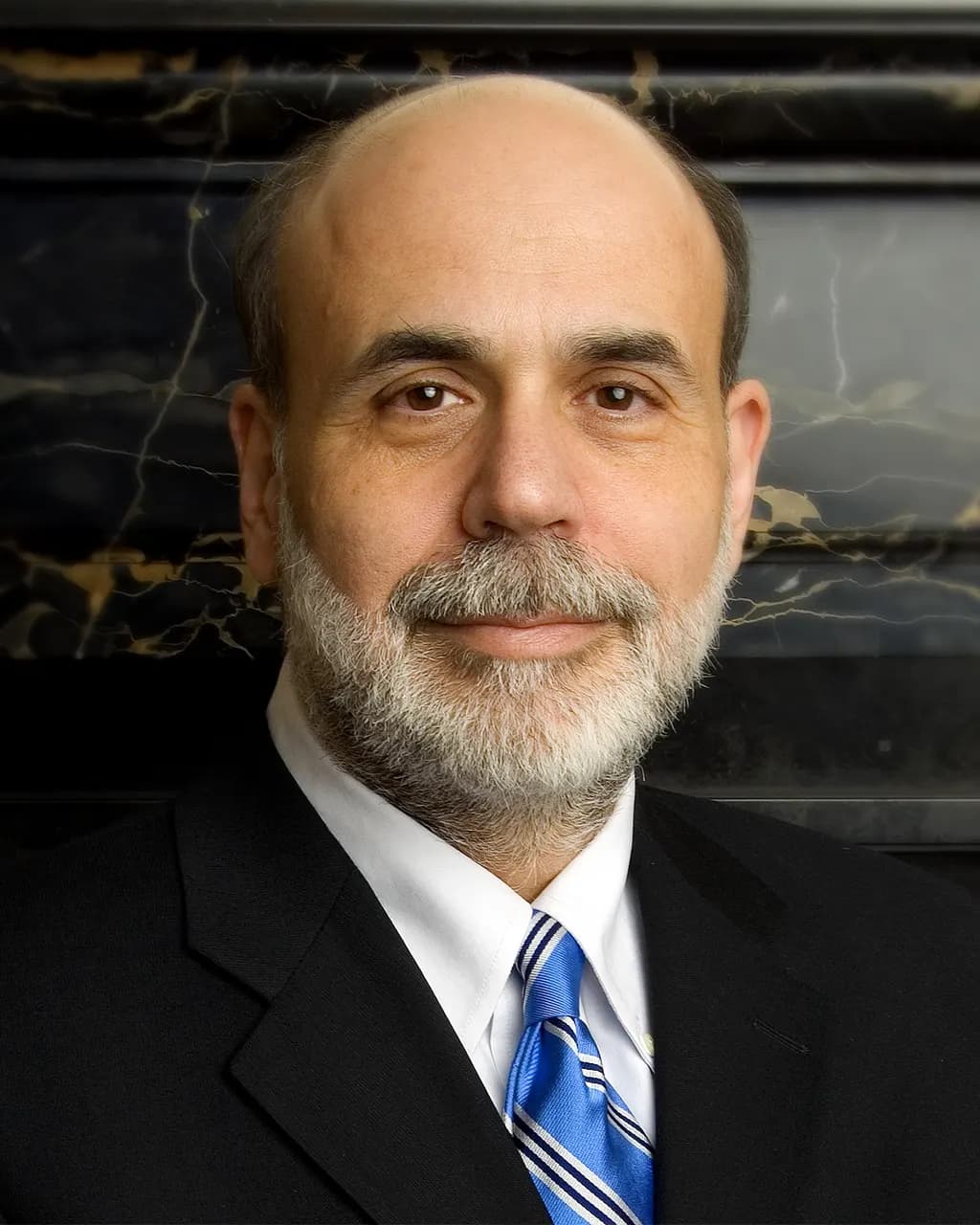 Ben Bernanke
Chair of the US Federal Reserve 2006–14, Nobel Prize in Economics 2022
Graduate · 1971–1975
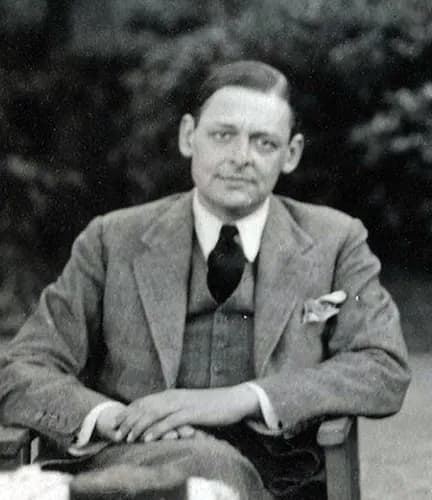
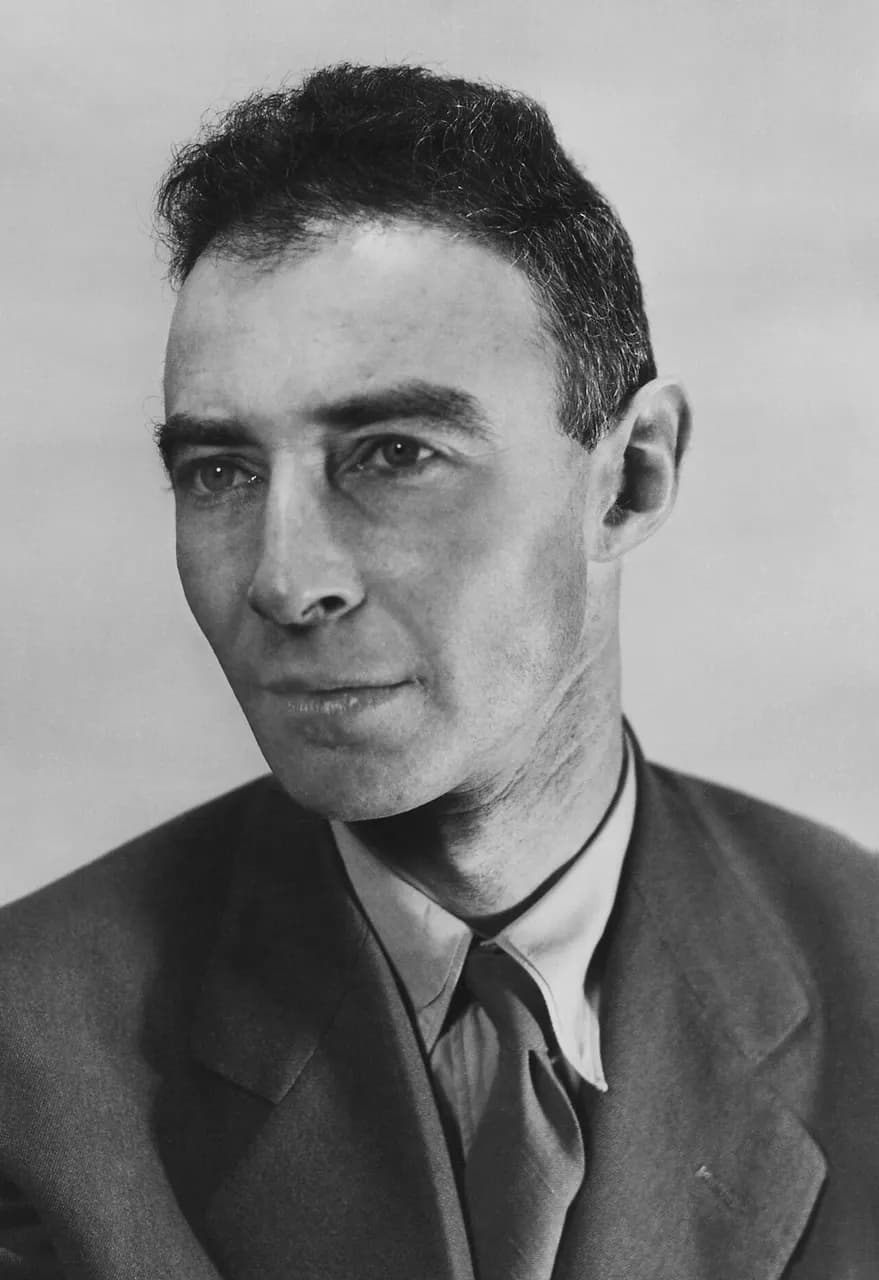 J. Robert Oppenheimer
Physicist, director of the Manhattan Project's Los Alamos Laboratory
Graduate · 1922–1925
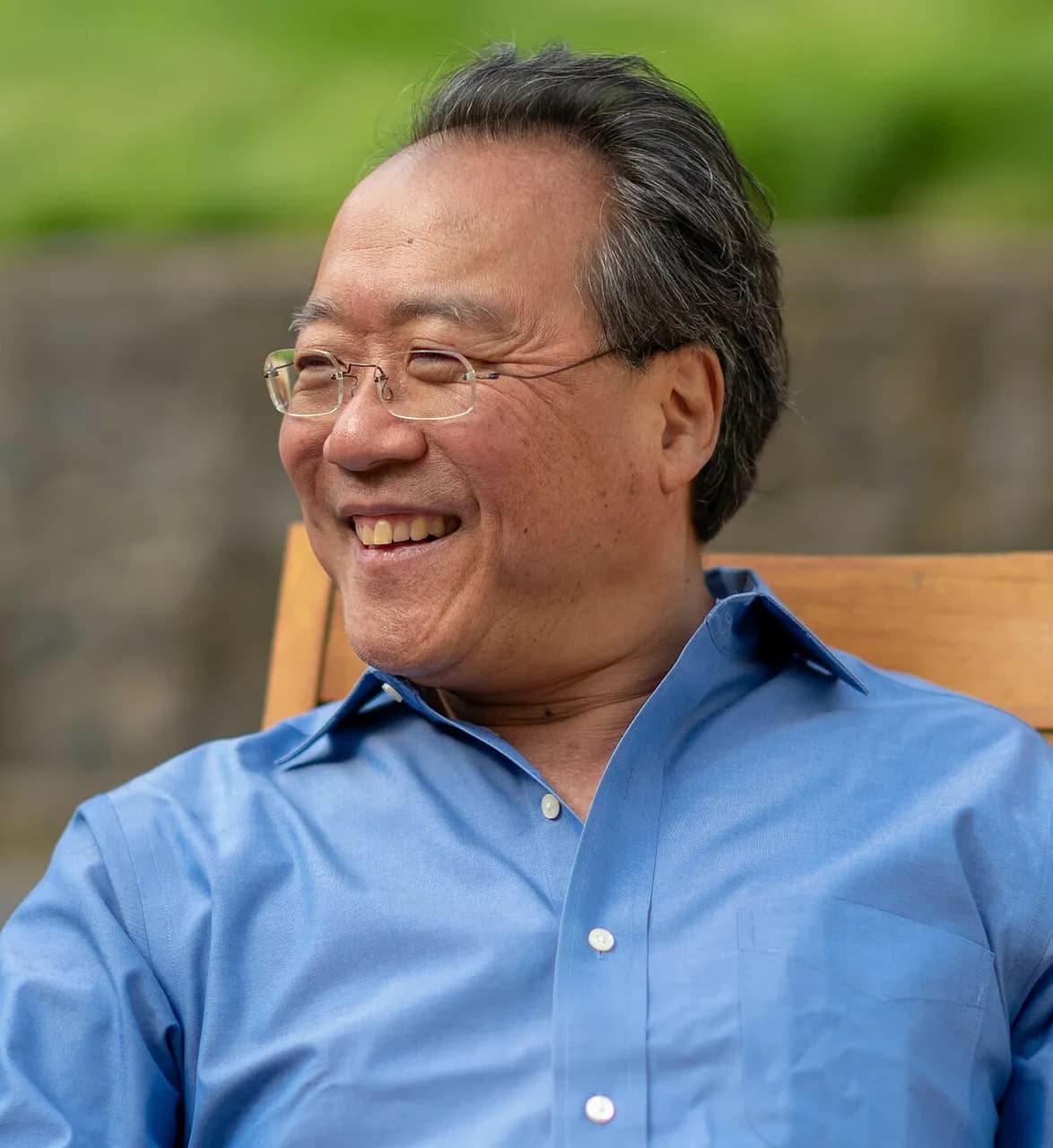
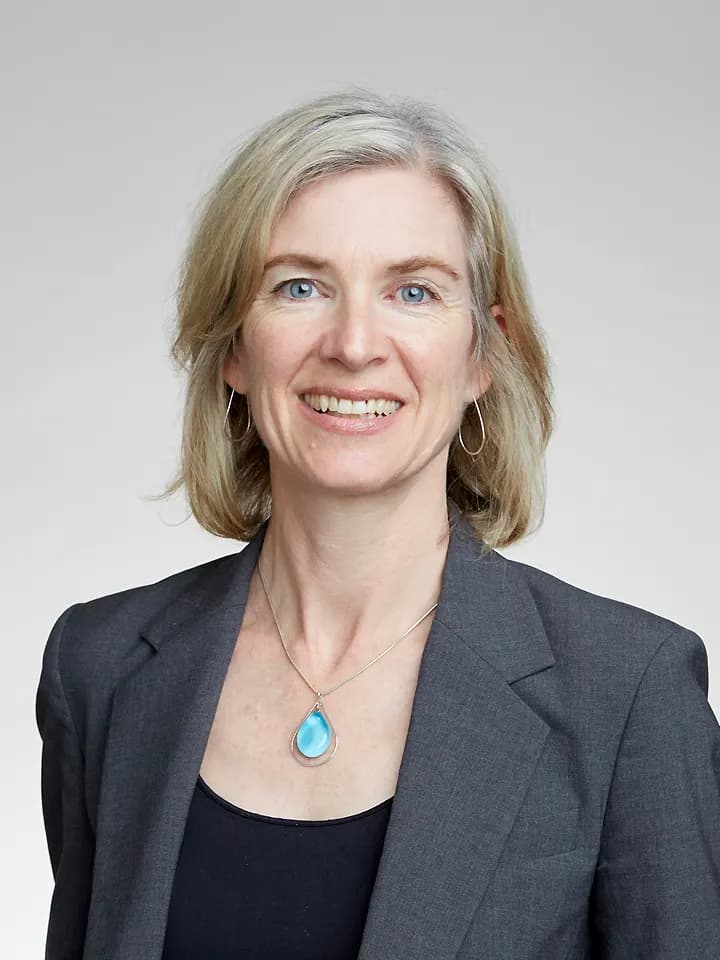 Jennifer Doudna
Biochemist, Nobel Prize in Chemistry 2020 for CRISPR gene editing
Doctorate · 1985–1989
Reviews
No reviews yet. Visited, applied, or studied here? Be the first.