
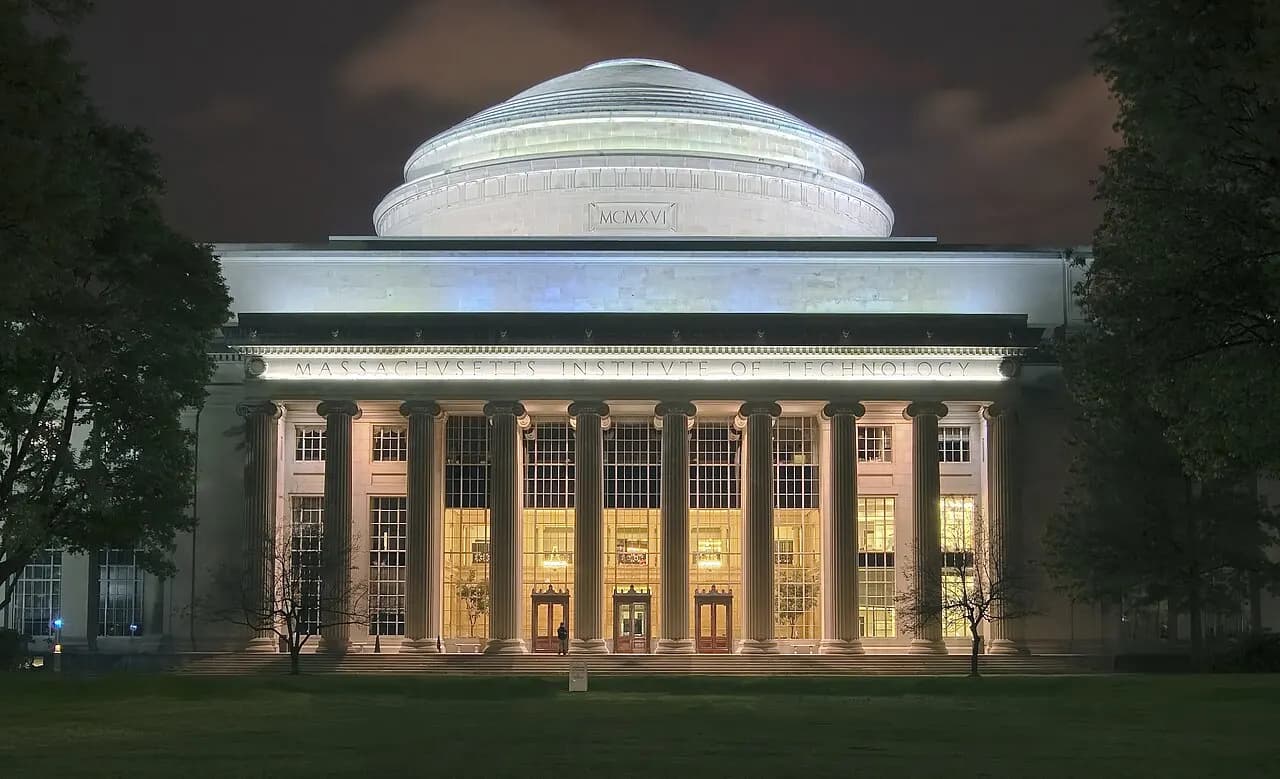
Photo: Fcb981, this edited version by Thermos · CC BY-SA 3.0
United States · Cambridge, Massachusetts
Massachusetts Institute of Technology
Engineering, computing and physics; QS world No. 1 for fourteen consecutive years
- QS World Ranking 2026
- #1
- Founded
- 1861
- Students
- 11,800
- Bachelor's degree
- 4 years
- Acceptance rate
- 4.6%
- Typical IB offer
- 42–45 (no formal minimum; HL Mathematics and a science expected)
- Language of instruction
- English
Worth knowing
In 1994 students assembled a full-size campus police car, lights flashing and a box of doughnuts on the seat, on top of the 45-metre Great Dome overnight — the most celebrated 'hack' in MIT's long tradition of engineering pranks. Buildings on campus are known by number rather than name, so a first-year's timetable reads like a set of coordinates: 10-250, 26-100, 32-123.
How hard is it to get in, and why
MIT admitted 1,299 of 28,349 applicants for the Class of 2030, and internationals compete in a separate, even tighter pool of little more than a hundred places a year. It uses its own application rather than the Common App, requires the SAT or ACT, and asks for short essays about what you do for fun and how you have handled failure — the admissions office is explicit that it looks for people who have already built things, not just scored well. Grades and test scores merely qualify you; the 'match' with MIT's hands-on culture is what decides.
What it costs
Tuition
$67k per year
2026–27 tuition of $66,720 plus a $420 student life fee; identical for all nationalities and reduced by need-blind, full-need aid.
Living costs
$26k–32k per year
Full financial aid for international students who need it
Scholarships and financial aid
MIT is need-blind for all applicants, international included, and meets 100% of demonstrated need. From 2025–26 families with incomes under $200,000 pay no tuition, and those under $100,000 pay nothing towards tuition, housing or food; the median scholarship recipient paid about $10,000 a year. MIT awards no merit, athletic or talent scholarships.
How to apply
MIT does not use the Common App: you apply through its own MyMIT portal. Early Action closes on 1 November (decision mid-December) and Regular Action on 4 January (decisions on 14 March, 'Pi Day'); both are non-binding and EA is not restrictive, so you may apply early elsewhere too. The SAT or ACT is required (last test dates 30 November for EA, 31 December for RA), along with two teacher references — one in maths or science, one in humanities — and a set of short essays rather than one long one. Interviews with alumni 'Educational Counsellors' are offered where possible; if none is available the requirement is simply waived.
Official websiteWhat makes it special
- The motto is mens et manus, 'mind and hand': through UROP, running since 1969, about 90% of undergraduates do paid research in a faculty lab before they graduate.
- CSAIL (computer science and AI), the Media Lab, Lincoln Laboratory and the Koch Institute sit within a few hundred metres of one another, alongside the biotech towers of Kendall Square.
- First semester is graded pass/no record so that everyone learns to cope with the 'firehose' workload; January is a four-week Independent Activities Period for anything from glass-blowing to a hackathon.
- The Infinite Corridor runs 251 metres through the main buildings; twice a year the sun lines up with it and the whole institute turns out to watch 'MIThenge'.
- More than 100 Nobel laureates among alumni and staff, and alumni-founded companies from Dropbox to Akamai and Bose; undergraduates can cross-register at Harvard and Wellesley.
- Home is the Cambridge bank of the Charles River facing Boston's skyline: the Harvard Bridge measured in 'smoots', and the 'Brass Rat' ring every class designs for itself.
About studying in United States
Four-year degrees and holistic admissions: universities read essays, recommendations and a record of what you have built or led, not only grades. Applications go through the Common App by early November (early rounds) or early January; most top universities have brought back SAT or ACT scores. Sticker prices are the highest in the world, but Harvard, MIT, Yale, Princeton and a few others admit international students without looking at family income and then cover the full demonstrated need.
Teaching staff
Who runs the university, who teaches, and how lessons actually work.
- Student–faculty ratio
- 3:1
- Faculty members
- ~1 100
- Undergraduates doing research (UROP)
- ~90%
MIT has about 1,100 faculty members teaching roughly 11,900 students, which works out to three undergraduates per member of teaching staff — one of the tightest ratios of any large research university. More than 100 Nobel laureates have been affiliated with the Institute, and a laureate running a Friday problem session is a normal occurrence. The president oversees five schools plus the Schwarzman College of Computing, each with its own dean: Engineering, Science, Architecture and Planning, Humanities, Arts and Social Sciences, and the Sloan School of Management. Departments are known by number rather than name, so a student says they are in Course 6 rather than electrical engineering and computer science.
Teaching is built around problem sets. A lecture is followed by recitations of fifteen to twenty-five students, and the weekly problem set — the p-set — is where the learning actually happens; students work on them in groups late into the night, and the Institute openly endorses collaboration as long as the writing-up is your own. First-year grades are hidden: the autumn term is pass/no record, so a bad start leaves no mark on the transcript. Through UROP, the undergraduate research opportunities programme, close to 90 percent of students join a real laboratory before graduating, often in their first year, and many are paid or earn credit for it. A thesis is required of every undergraduate, not just the strongest.
The Institute's own traditions are as engineered as its coursework. 6.100A and 18.06 are rites of passage, and Gilbert Strang's linear algebra lectures on OpenCourseWare have been watched more than twenty million times. In January the calendar empties for the Independent Activities Period, four weeks in which anyone may teach anything: lock-picking, glassblowing, a robot competition called 2.007 that ends in a packed arena. And the campus has a documented culture of hacks — elaborate, harmless pranks, of which putting a police car on the Great Dome remains the most famous.
Teachers worth knowing
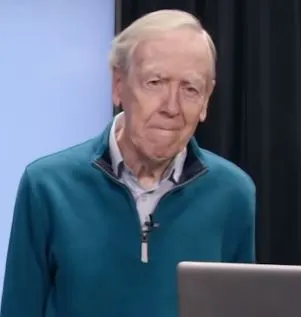 1962–2023
Gilbert Strang
MathWorks Professor of Mathematics, Emeritus
- Teaches
- 18.06: Linear Algebra · Computational science and engineering
- Experience
- Sixty-six years at MIT; taught his final linear algebra lecture in May 2023 at the age of 88.
Linear algebra is the mathematics of the twenty-first century — it is what you need when the data is large.
More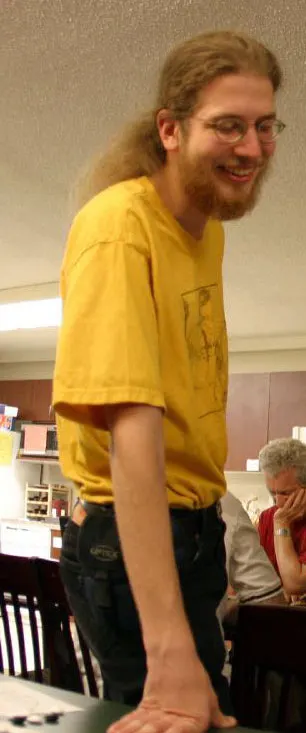 2001–now
Erik Demaine
Professor of Computer Science
- Teaches
- Algorithms · Geometric folding algorithms · Computational complexity of games
- Experience
- Joined the MIT faculty in 2001 at the age of twenty, the youngest professor in the Institute's history.
- R2003–now
Regina Barzilay
School of Engineering Distinguished Professor for AI and Health
- Teaches
- Machine learning · AI in medicine and drug discovery
- Experience
- At MIT since 2003; AI faculty lead of the Jameel Clinic for machine learning in health since 2018.
The campus in photographs
Photographs come from Wikimedia Commons under free licences; the author and licence are shown on each image.
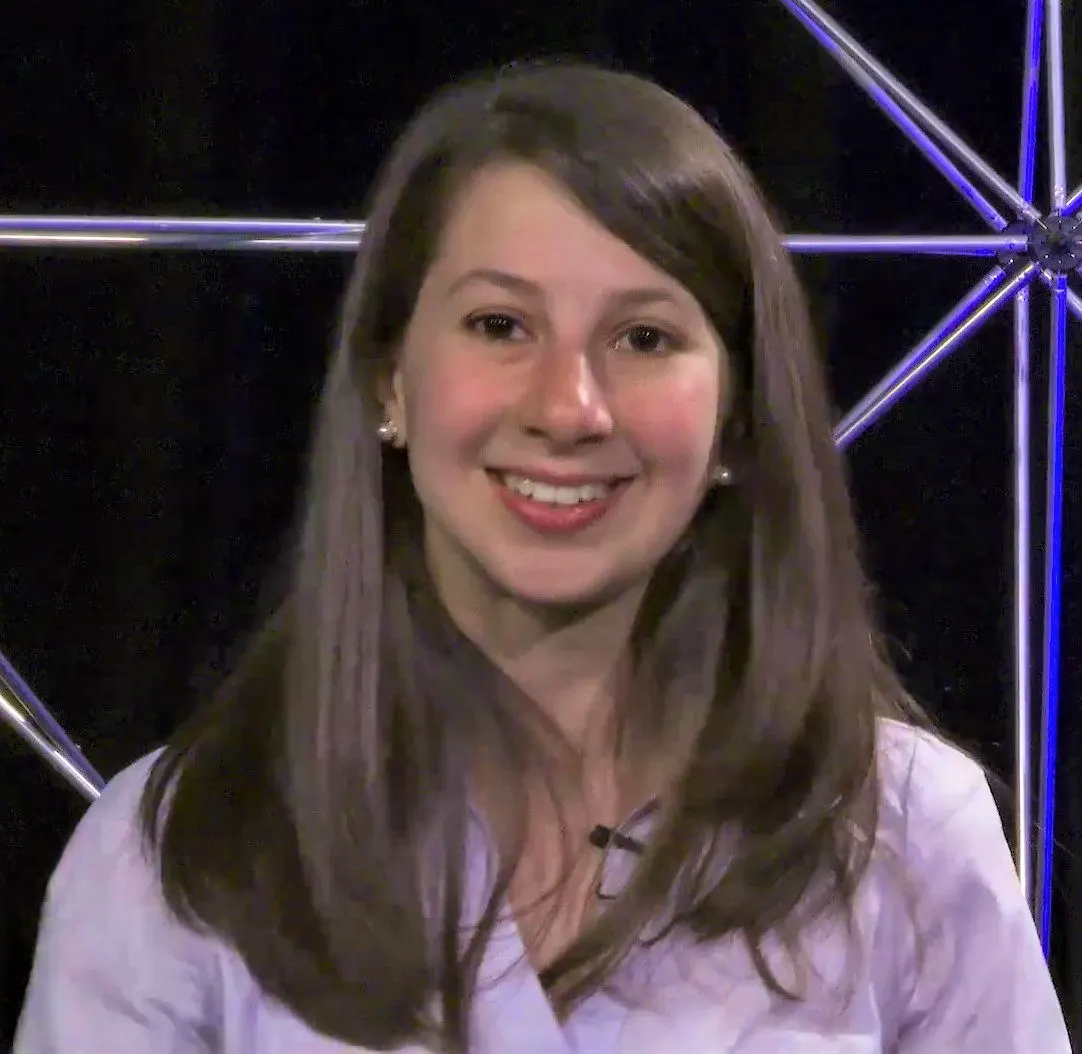
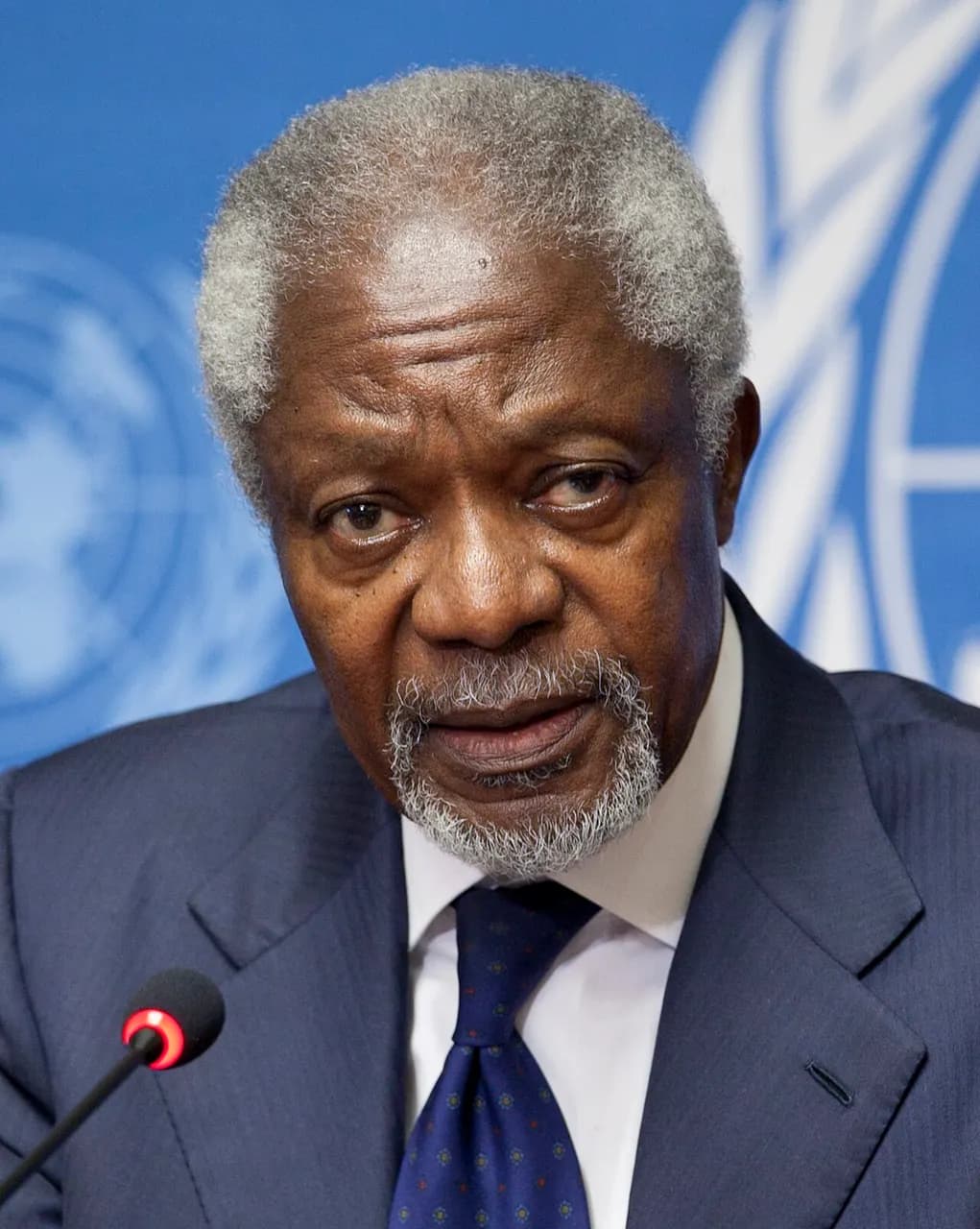
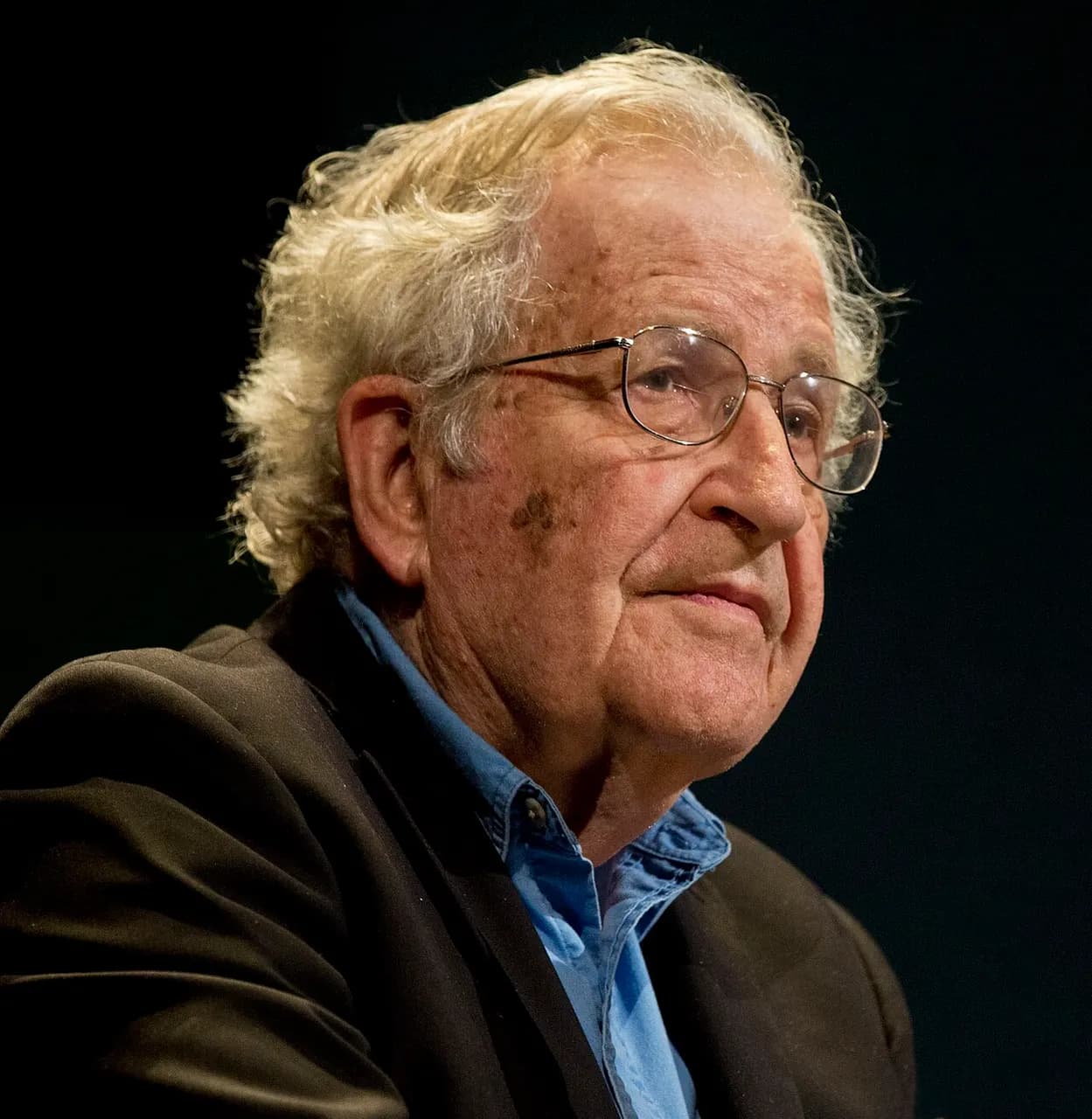
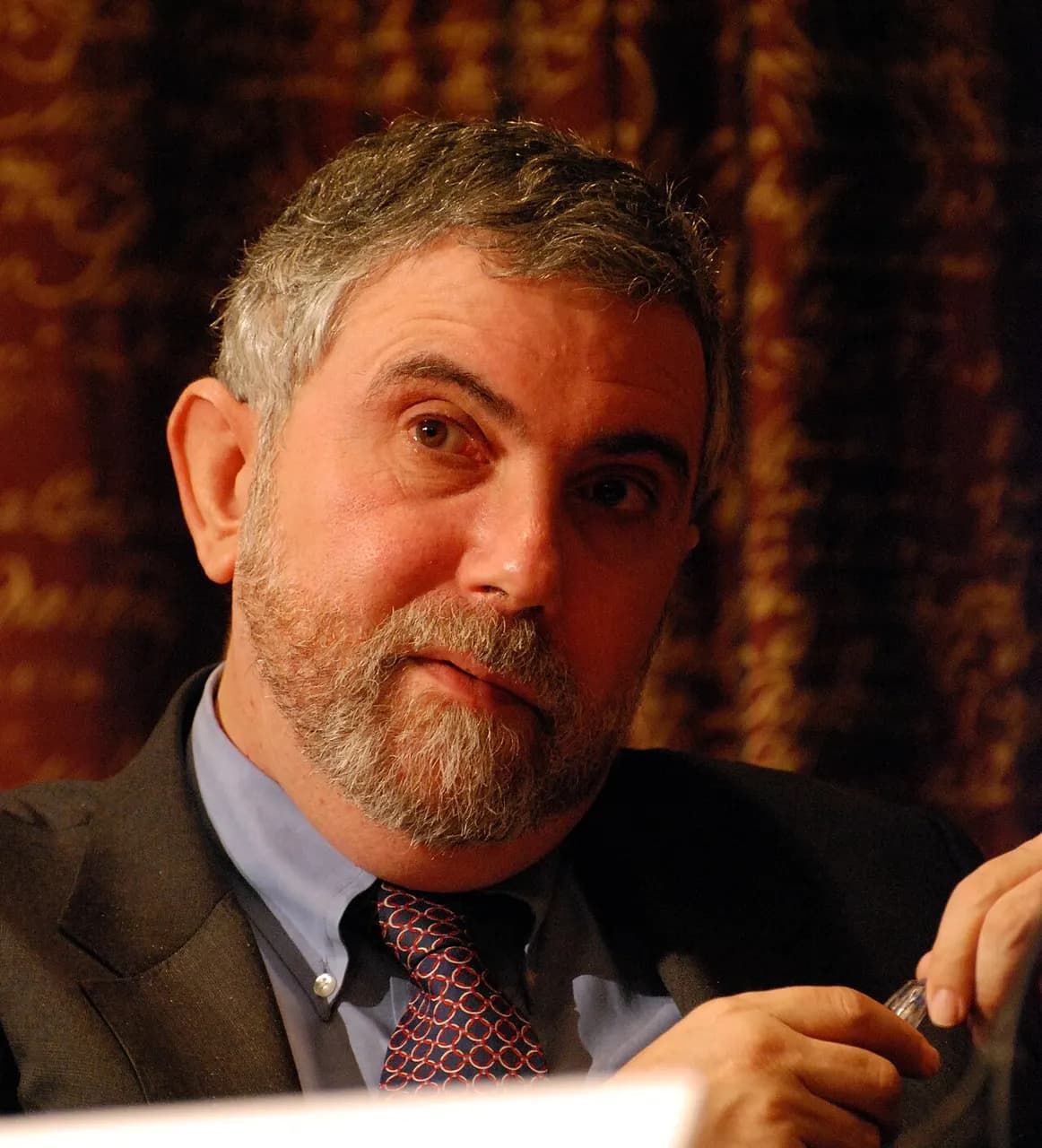
People who studied or taught here
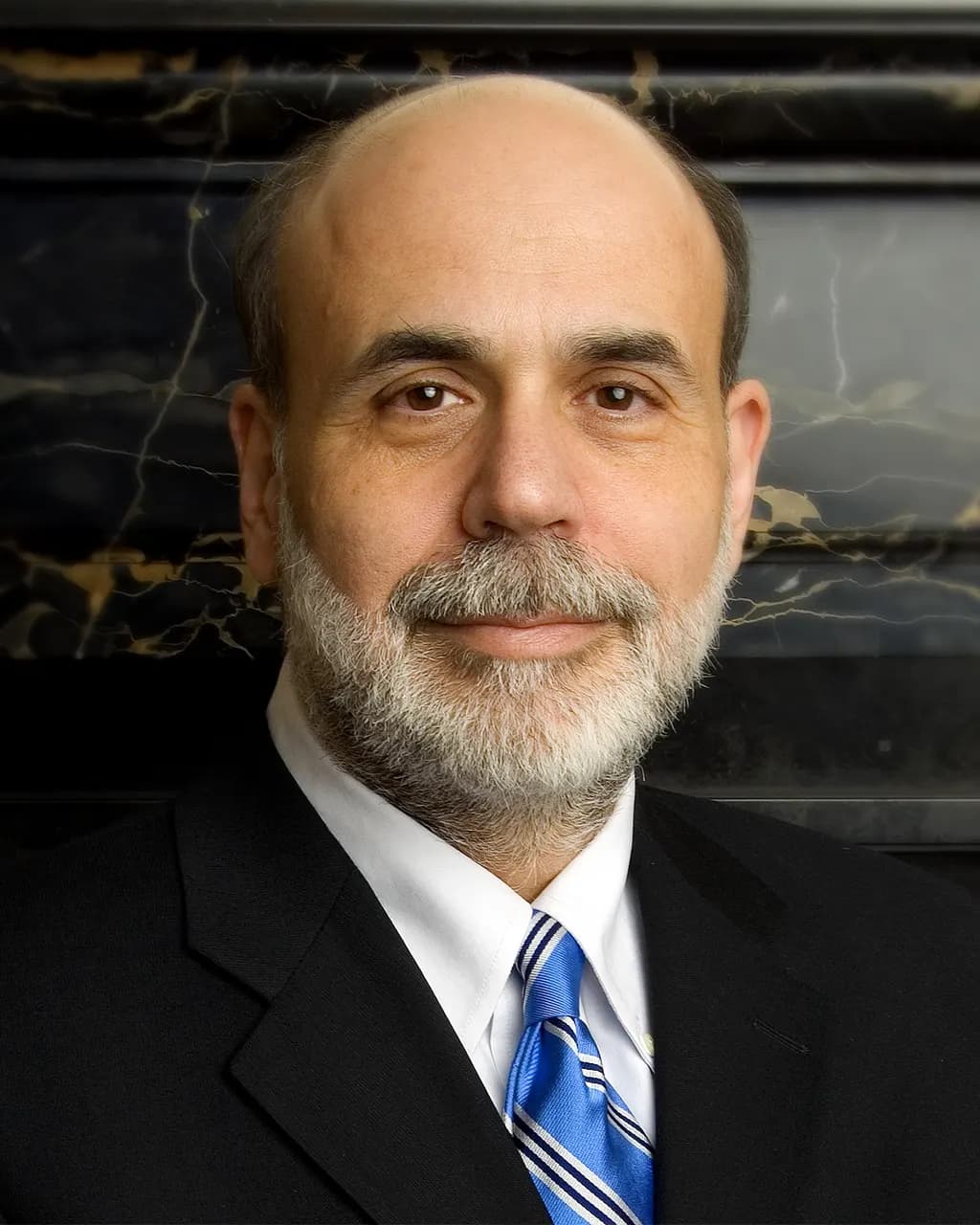 Ben Bernanke
Chair of the US Federal Reserve 2006–14, Nobel Prize in Economics 2022
Doctorate · 1975–1979
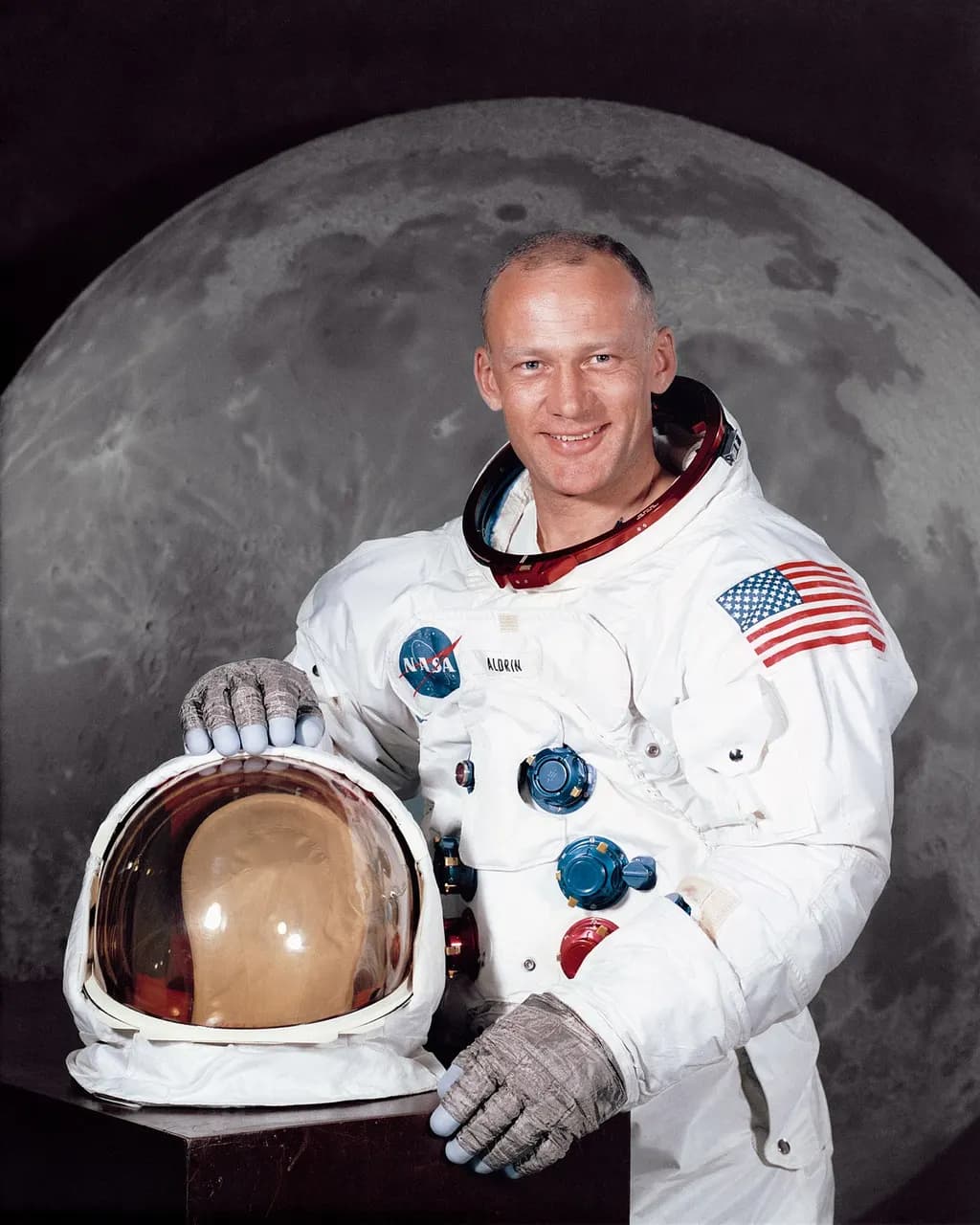
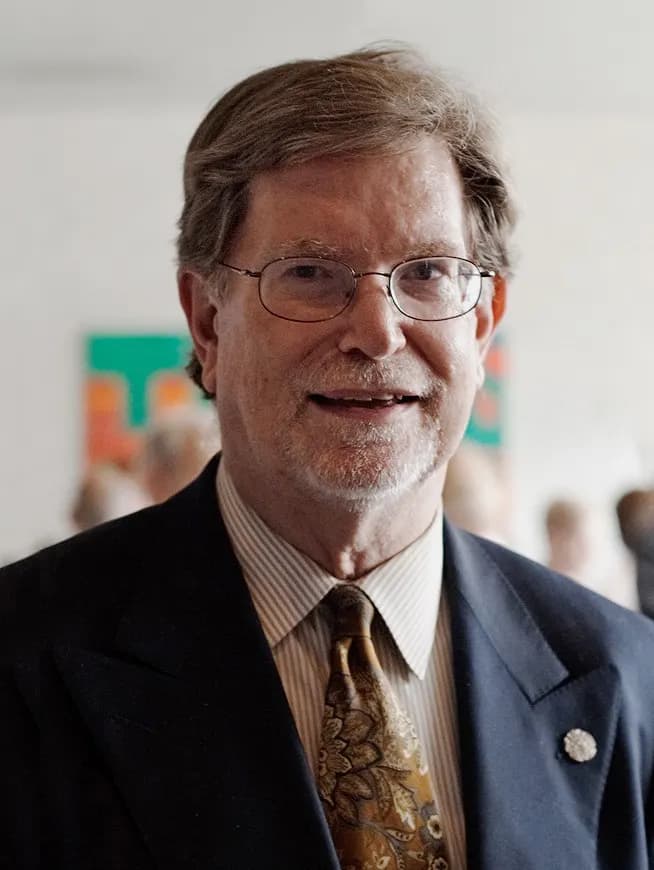 George Smoot
Astrophysicist, Nobel Prize in Physics 2006 for mapping the early universe
Doctorate · 1966–1970
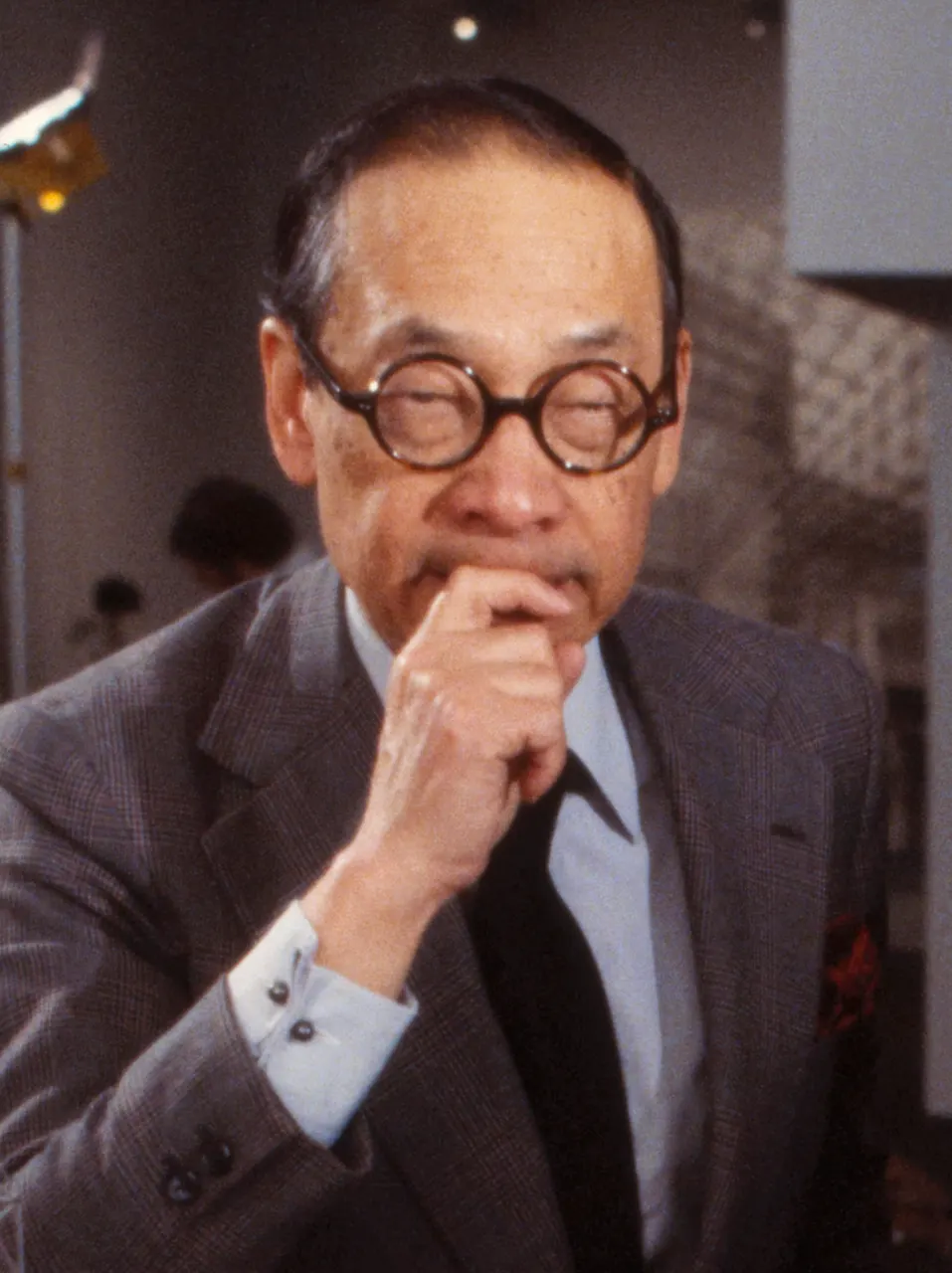
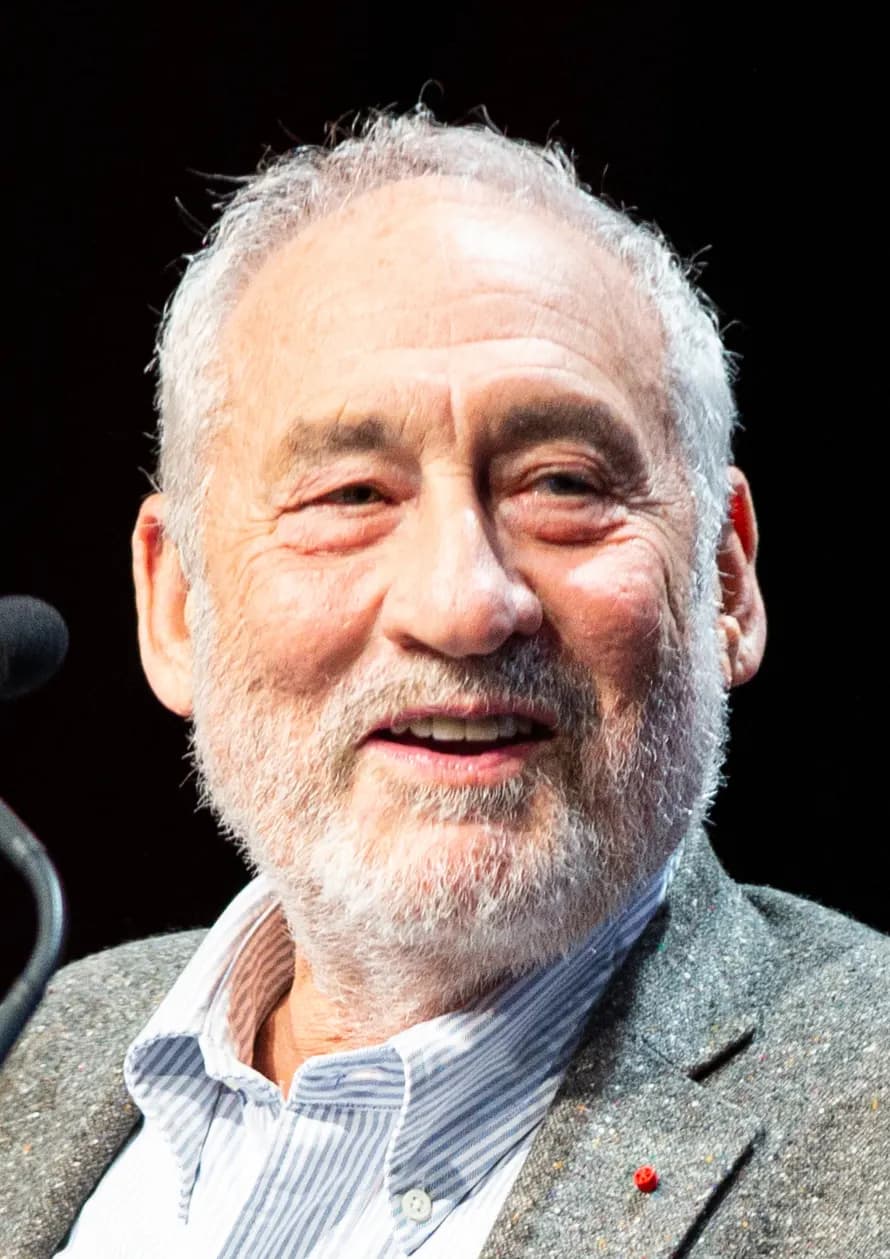 Joseph Stiglitz
Economist, Nobel Prize in Economics 2001 for work on asymmetric information
Doctorate · 1963–1967
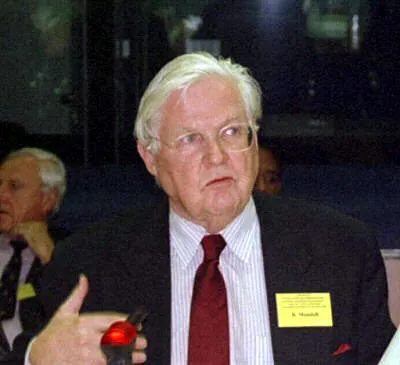 Robert Mundell
Economist, Nobel Prize in Economics 1999, intellectual father of the euro
Doctorate · 1954–1956
- T
Reviews
No reviews yet. Visited, applied, or studied here? Be the first.