
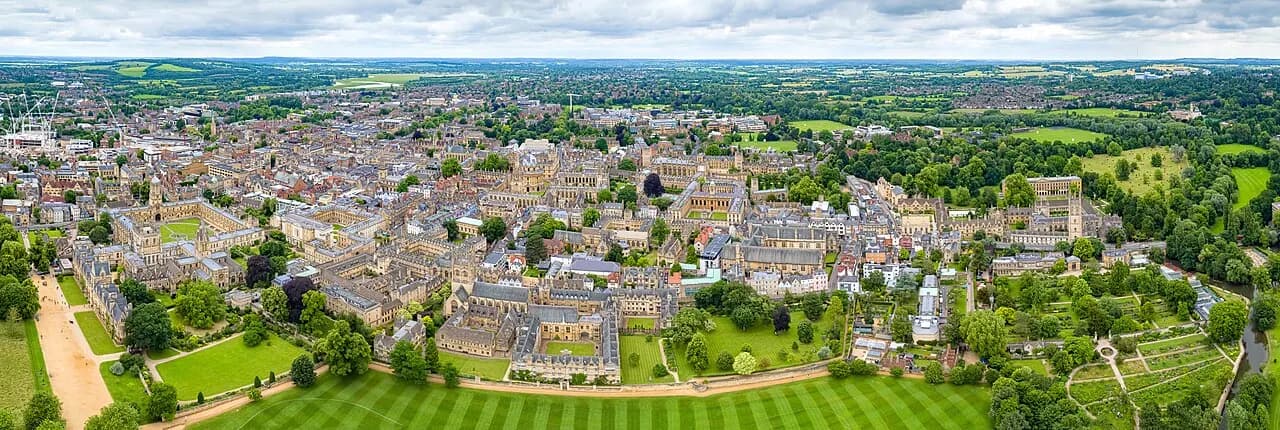
Photo: Chensiyuan · CC BY-SA 4.0
United Kingdom · Oxford, England
University of Oxford
Teaching since 1096, and still the world's most demanding undergraduate tutorial
- QS World Ranking 2026
- #4
- Founded
- 1096
- Students
- 26,000
- Bachelor's degree
- 3 years
- Acceptance rate
- About 16% of applicants receive an offer; closer to 9% for the most contested courses
- Typical IB offer
- 38–40 points with 6/6/6 or 7/6/6 at Higher Level, subject-specific
- Language of instruction
- English
Worth knowing
Teaching at Oxford began around 1096, which makes it older than the Aztec empire: Tenochtitlan was founded in 1325. The Great Hall of Christ Church college was the model for the Hogwarts dining hall, and Alice in Wonderland was written by Charles Dodgson, a mathematics tutor at that same college, for the daughter of its dean.
How hard is it to get in, and why
You apply to one subject and one college, and the competition is against everyone else who wants that exact course. Nearly every applicant has top predicted grades, so the decision rests on an admissions test in early autumn, a piece of written work in some subjects, and two or three interviews in December that work like a miniature tutorial. Tutors are not testing what you know: they push you into unfamiliar territory to see how you think aloud when you are wrong. You may not apply to Cambridge in the same year, and the UCAS deadline is 15 October, a full three months before everyone else.
What it costs
Tuition
$41k–61k per year
International fees for 2026 entry run from about £33,050 for most arts and social science courses to £48,620 for medicine, plus a college fee of roughly £9,000 a year at most colleges. Figures here are converted to US dollars at about 1.27.
Living costs
$16k–22k per year
Scholarships and financial aid
Oxford is not need-blind for international students and cannot meet full need. The main route is the Reach Oxford Scholarship, a handful of awards a year for students from low-income countries covering fees, living costs and one flight. Individual colleges offer smaller bursaries, and the Crankstart Scholarship is restricted to UK students. Plan on funding the course yourself.
How to apply
Apply through UCAS by 15 October, a year before you start, choosing one course and either naming a college or making an open application. Most subjects require a registered admissions test in October or November, such as the MAT for mathematics, the PAT for physics, the LNAT for law or the UCAT for medicine. Shortlisted candidates are interviewed in December, usually twice, by the tutors who would teach them. Offers arrive in January and are conditional on final IB results.
Official websiteWhat makes it special
- Thirty-nine colleges, each with its own hall, library and tutors. You belong to a college first and to the university second, and your college decides your admission.
- The tutorial: one or two students meet a specialist each week to defend an essay they wrote. It is the most intense form of undergraduate teaching anywhere.
- The Bodleian Library has claimed a copy of every book published in Britain since 1610 and holds over 13 million items across a network of reading rooms and underground stores.
- More than thirty British prime ministers studied here, along with around thirty international heads of state, so the politics tutorials are not abstract.
- Terms are only eight weeks long and brutally compressed; the long vacations are for reading, internships and recovering.
About studying in United Kingdom
Three-year degrees in England (four in Scotland), and you apply for one subject rather than for a university in general. UCAS allows five choices, only one of which can be Oxford or Cambridge, with a 15 October deadline for those two and for medicine. Oxbridge adds admissions tests and interviews; IB offers at the top range from 38 to 42. International fees run from about £25,000 to £45,000 a year, need-based aid is scarce, and graduates can stay on to work for a limited period under the Graduate visa.
Teaching staff
Who runs the university, who teaches, and how lessons actually work.
- Student–staff ratio
- 11:1
- Colleges
- 39
- Nobel laureates affiliated
- 70+
Oxford has roughly 7,000 academic and research staff, of whom about 1,800 hold formal university teaching posts, and keeps close to eleven students per member of academic staff. Some seventy Nobel laureates have studied or taught here. The Vice-Chancellor heads a university built on two overlapping structures: four academic divisions — Humanities, Social Sciences, Mathematical, Physical and Life Sciences, and Medical Sciences — each run by a divisional head, and thirty-nine self-governing colleges, each with its own head of house and its own body of fellows. A physics professor is employed by the department and by a college at the same time, and both halves of the job are real.
The tutorial is what makes Oxford Oxford. Once or twice a week an undergraduate meets a tutor either alone or with one other student, having written an essay or worked a problem set beforehand, and spends an hour defending it line by line. Over a three-year degree that amounts to well over a hundred such hours of argument with a specialist. Lectures across the university are open to anyone and formally optional; laboratory work, language classes and seminars sit alongside. Almost everything then rests on Finals — written examinations at the very end of the degree, sat in sub fusc in the Examination Schools, with no coursework credit carried forward in most subjects.
Oxford invented courses that other universities copy. PPE — Philosophy, Politics and Economics — was created in 1920 as a modern alternative to Classics and has since produced a long line of prime ministers and cabinet ministers across many countries. Literae Humaniores, known as Greats, still runs four years on Greek and Latin language, ancient history and philosophy. The Bodleian holds more than thirteen million printed items and by law receives a copy of everything published in Britain, and the Oxford Union, founded in 1823 and independent of the university, has been debating in the same chamber for two centuries.
Teachers worth knowing
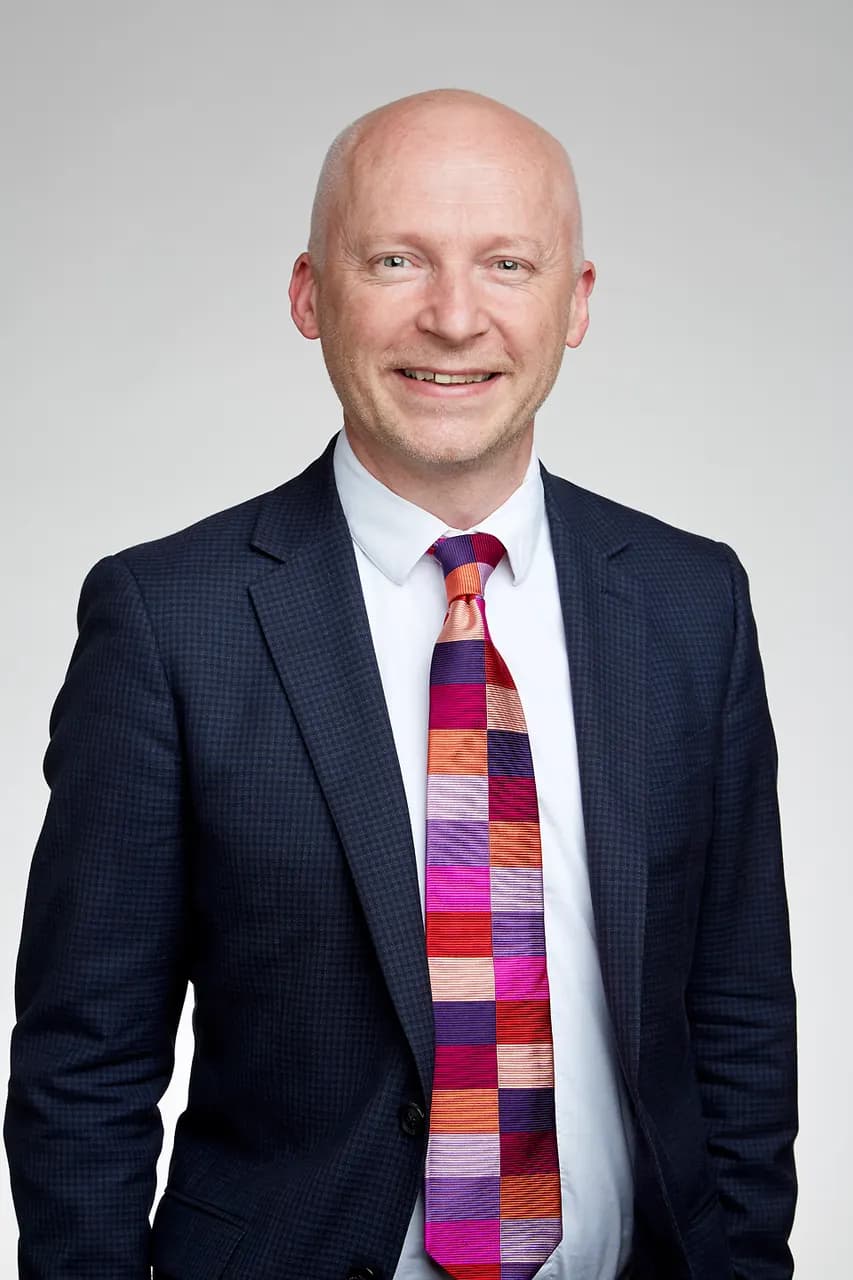 2008–now
Marcus du Sautoy
Simonyi Professor for the Public Understanding of Science and Professor of Mathematics
- Teaches
- Group theory and symmetry · Number theory
- Experience
- Holds the Simonyi Chair since 2008, taking over from Richard Dawkins; Fellow of New College and of the Royal Society.
Mathematics is the science of patterns, and the mathematician is the person who spots them.
More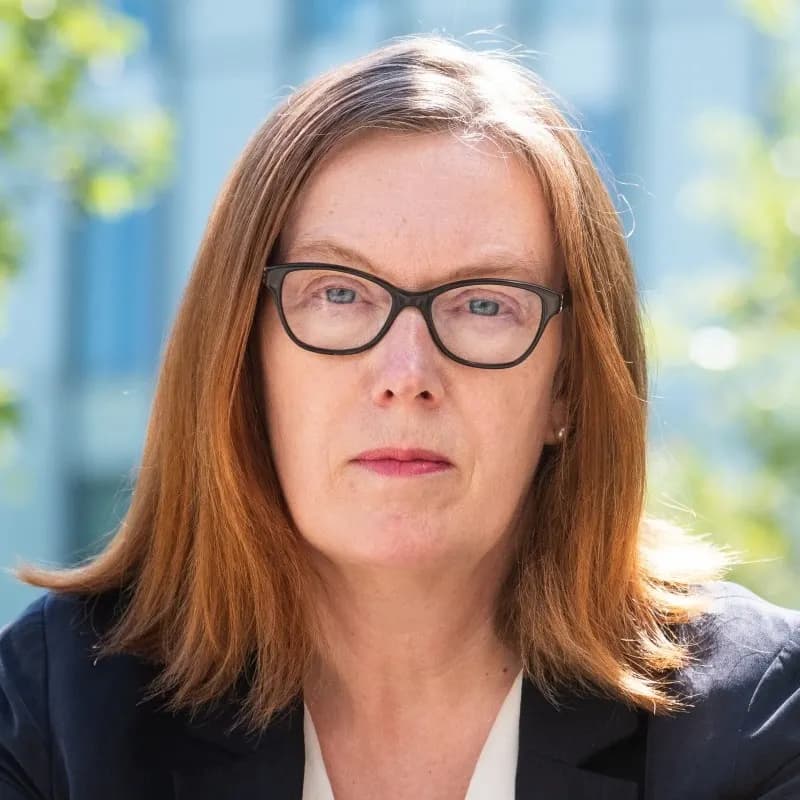 2010–now
Sarah Gilbert
Saïd Professor of Vaccinology, Jenner Institute
- Teaches
- Vaccinology · Emerging viral pathogens
- Experience
- Professor at the Jenner Institute since 2010; designed the Oxford–AstraZeneca vaccine within weeks of the first reports of a new coronavirus.
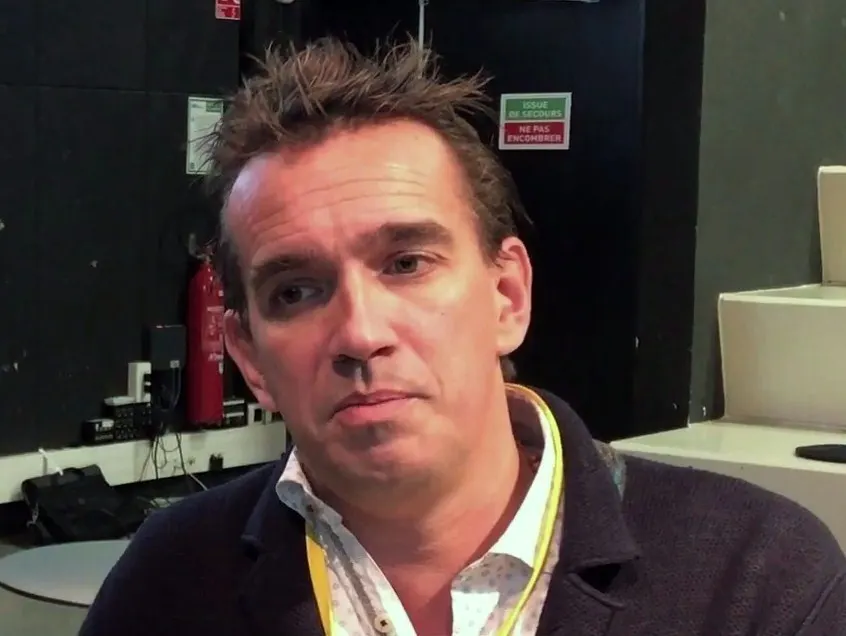 2000–now
Peter Frankopan
Professor of Global History, Worcester College
- Teaches
- Global history and the Silk Roads · Byzantine history
- Experience
- Teaches global and Byzantine history at Oxford and directs the Oxford Centre for Byzantine Research.
The campus in photographs
Photographs come from Wikimedia Commons under free licences; the author and licence are shown on each image.
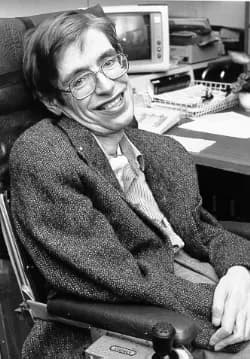
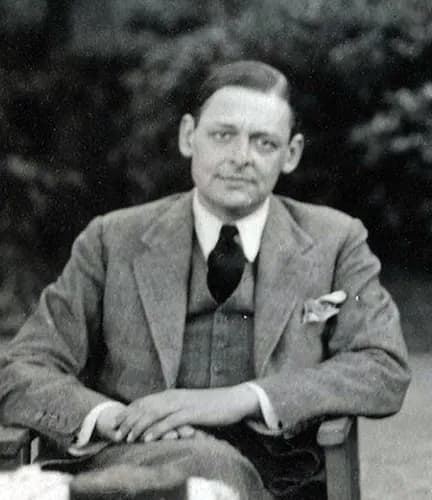
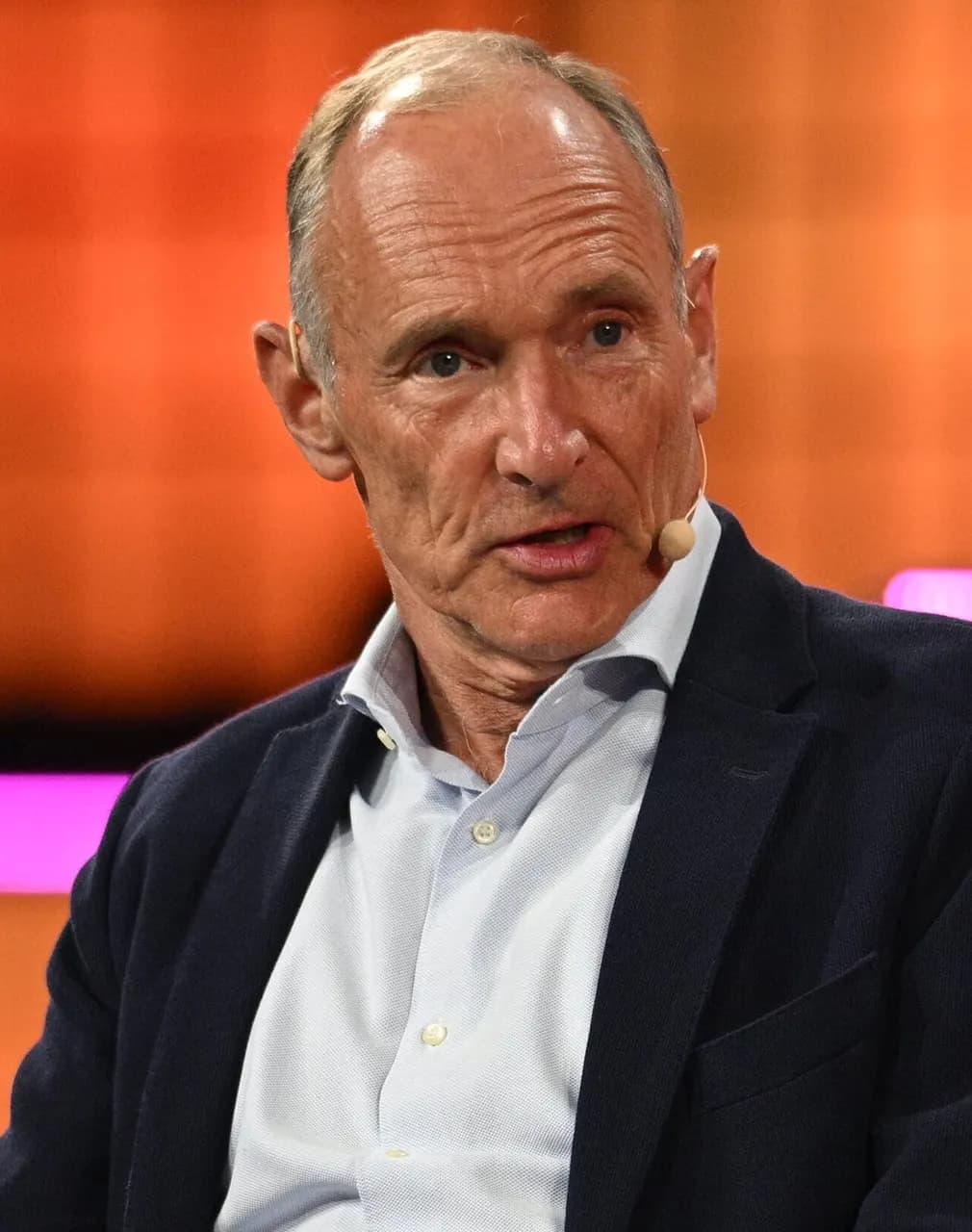
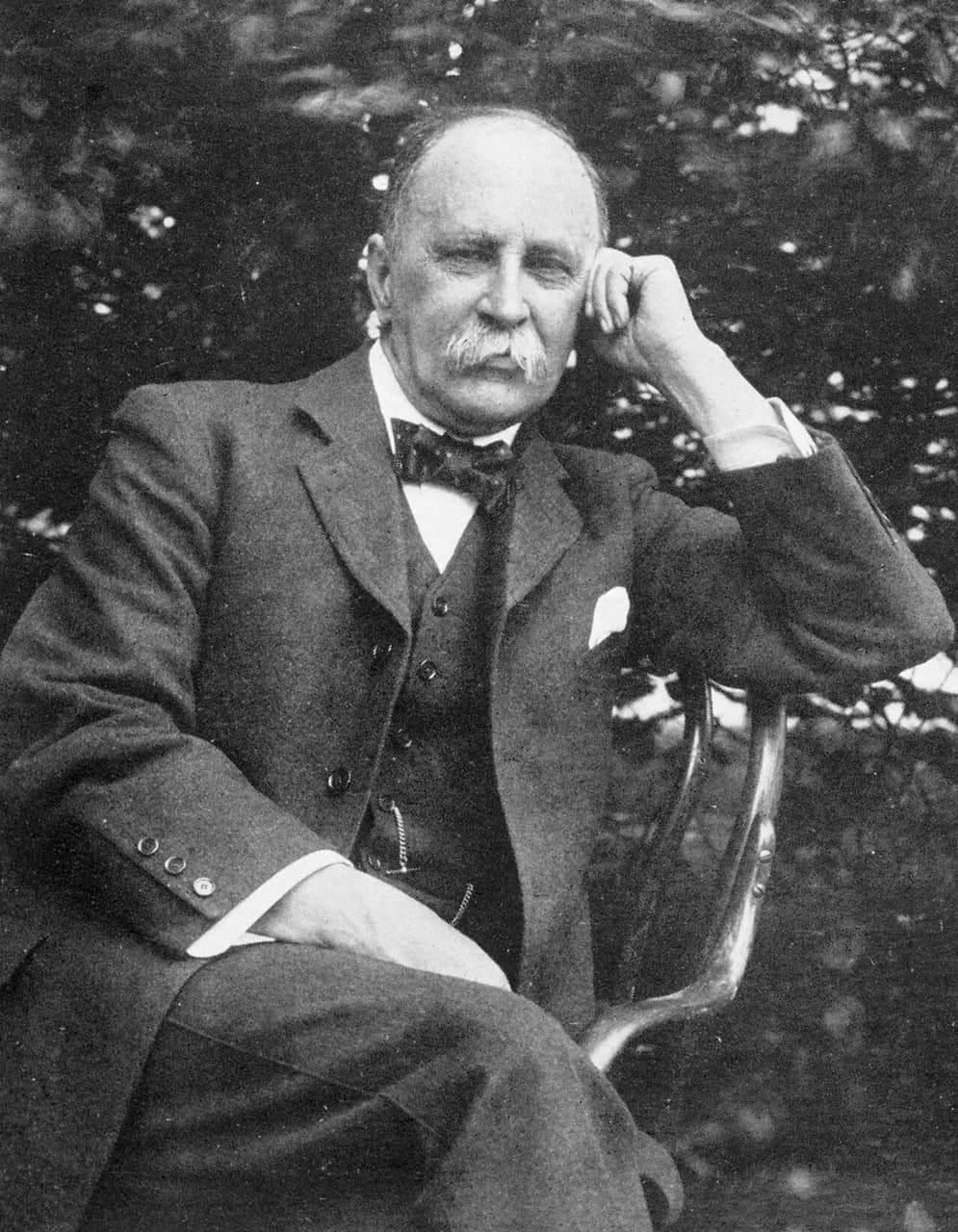
People who studied or taught here
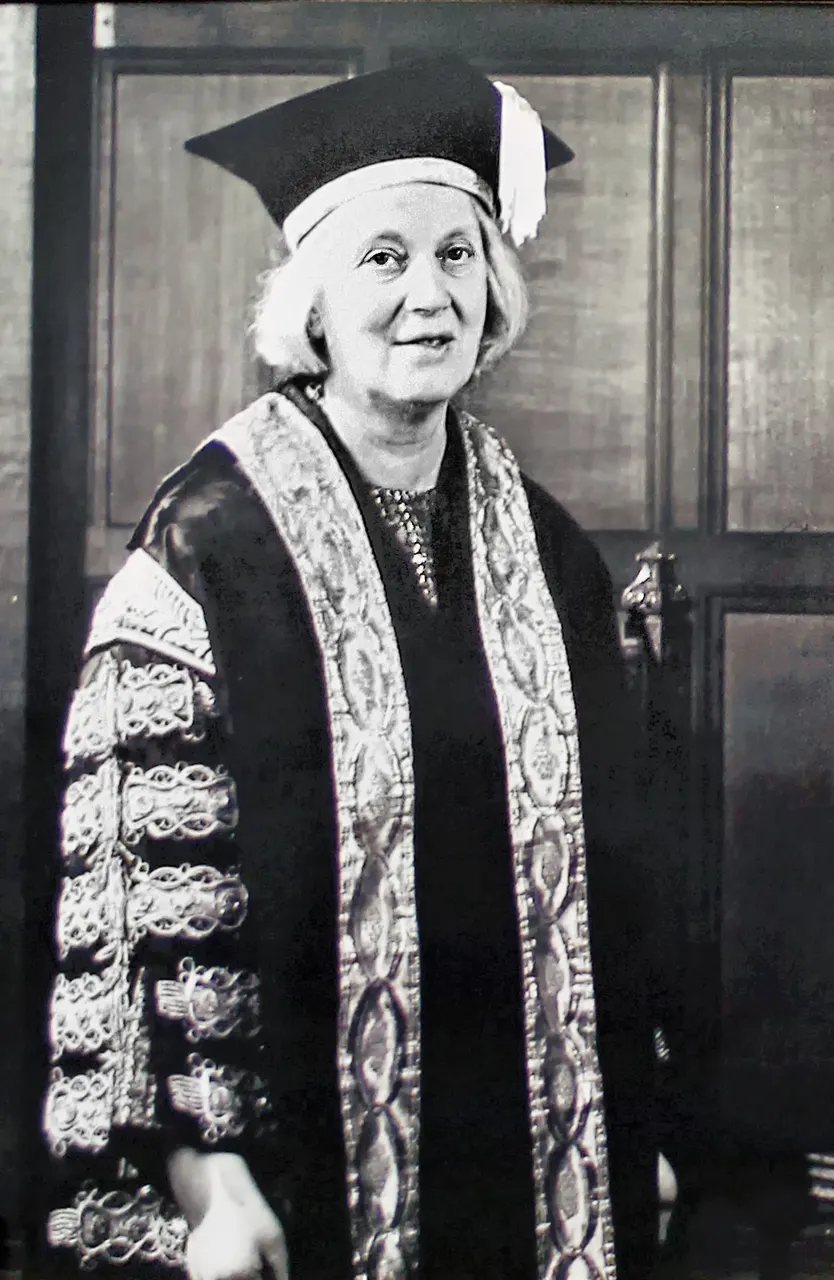 Dorothy Hodgkin
Chemist, Nobel Prize in Chemistry 1964 for determining the structures of biochemical substances
Professor · 1928–1932, 1936–1977
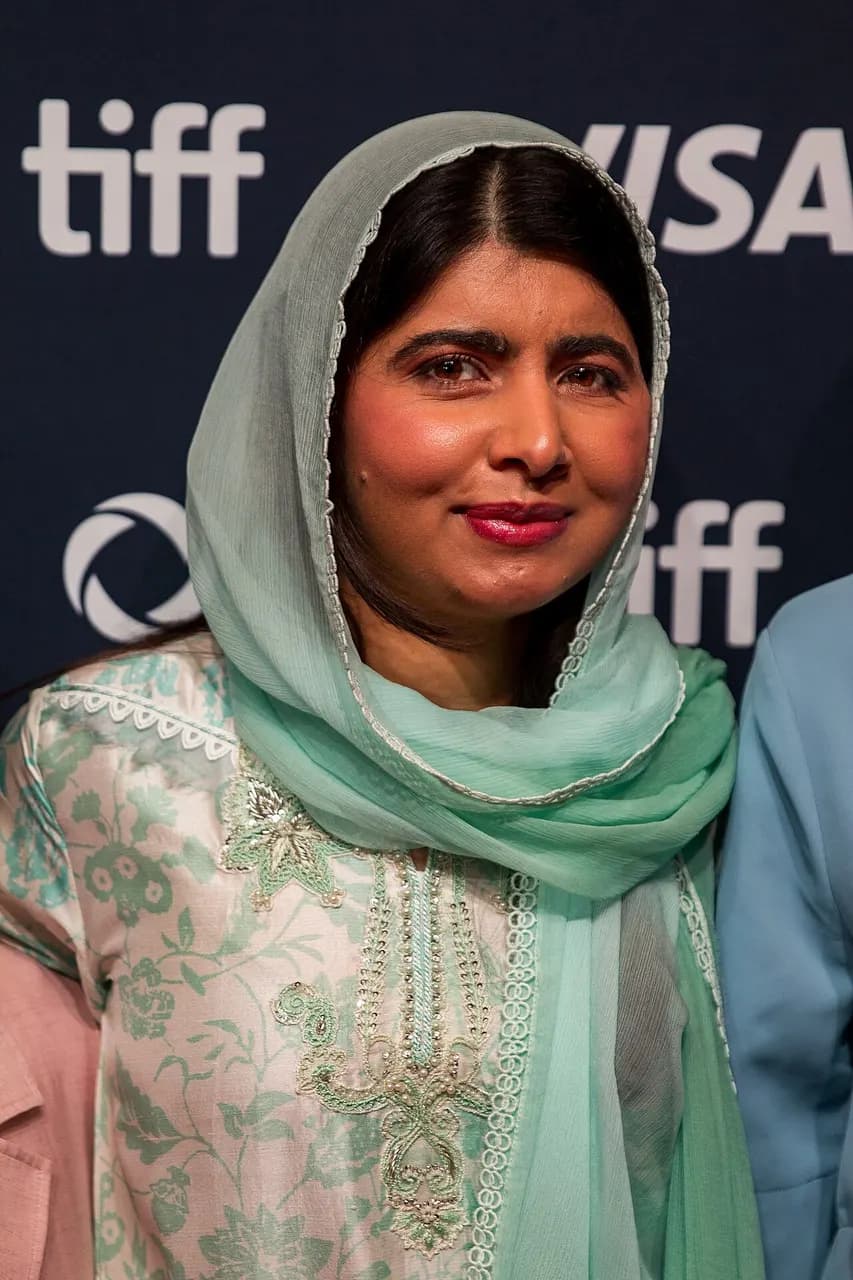
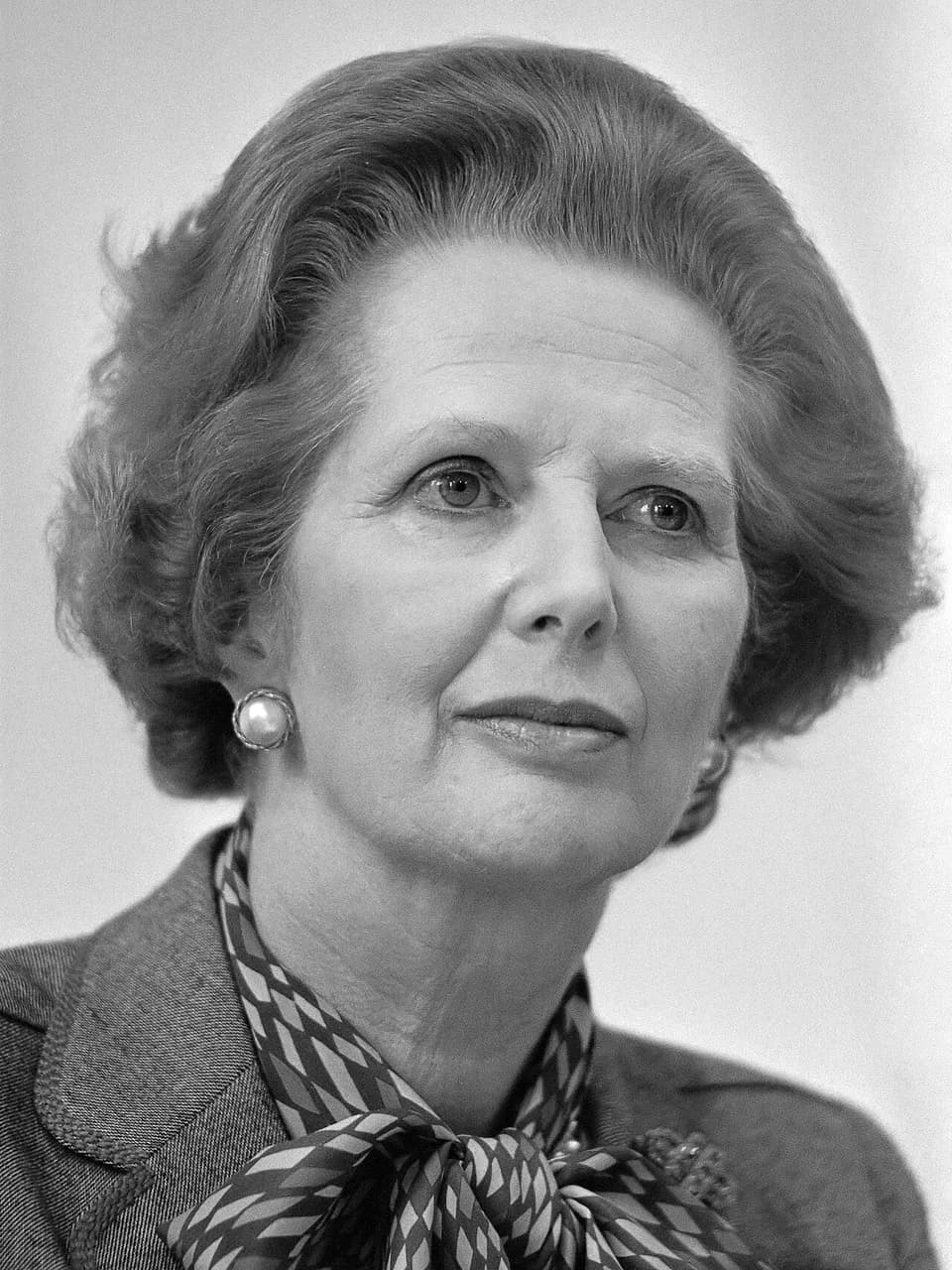
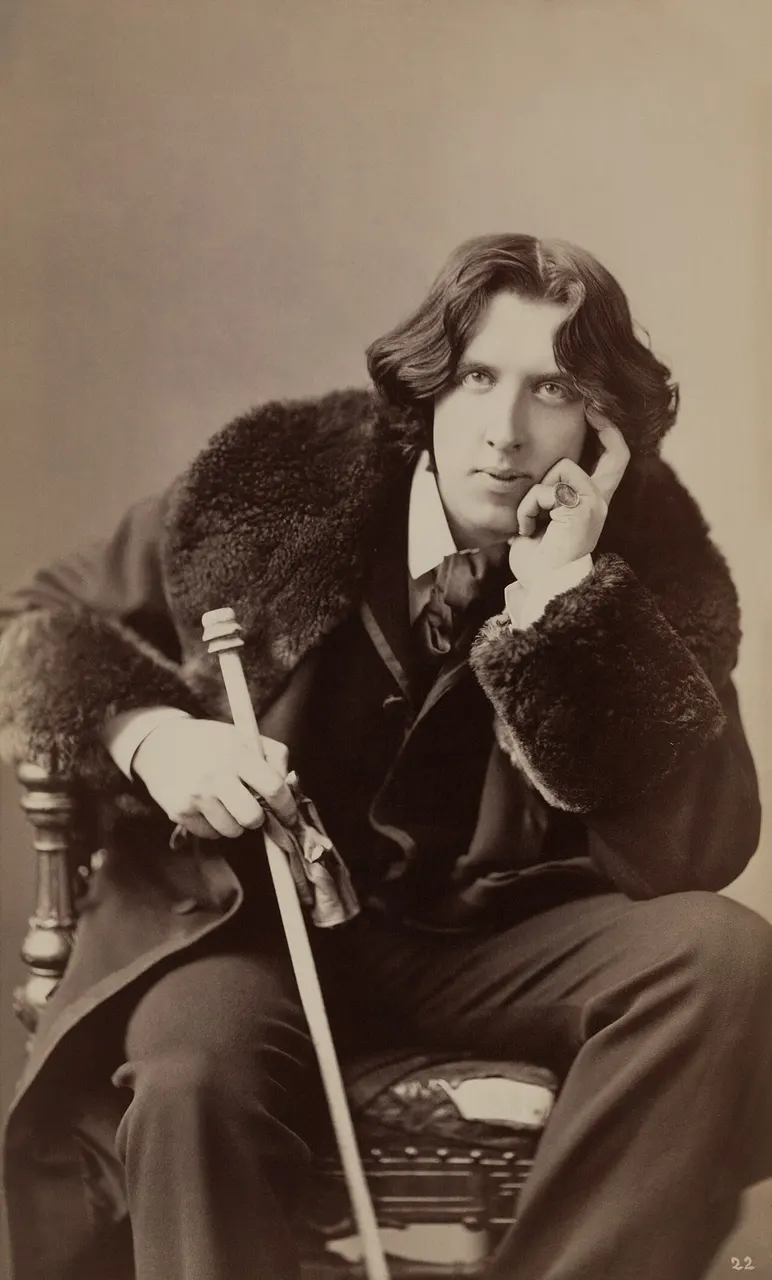
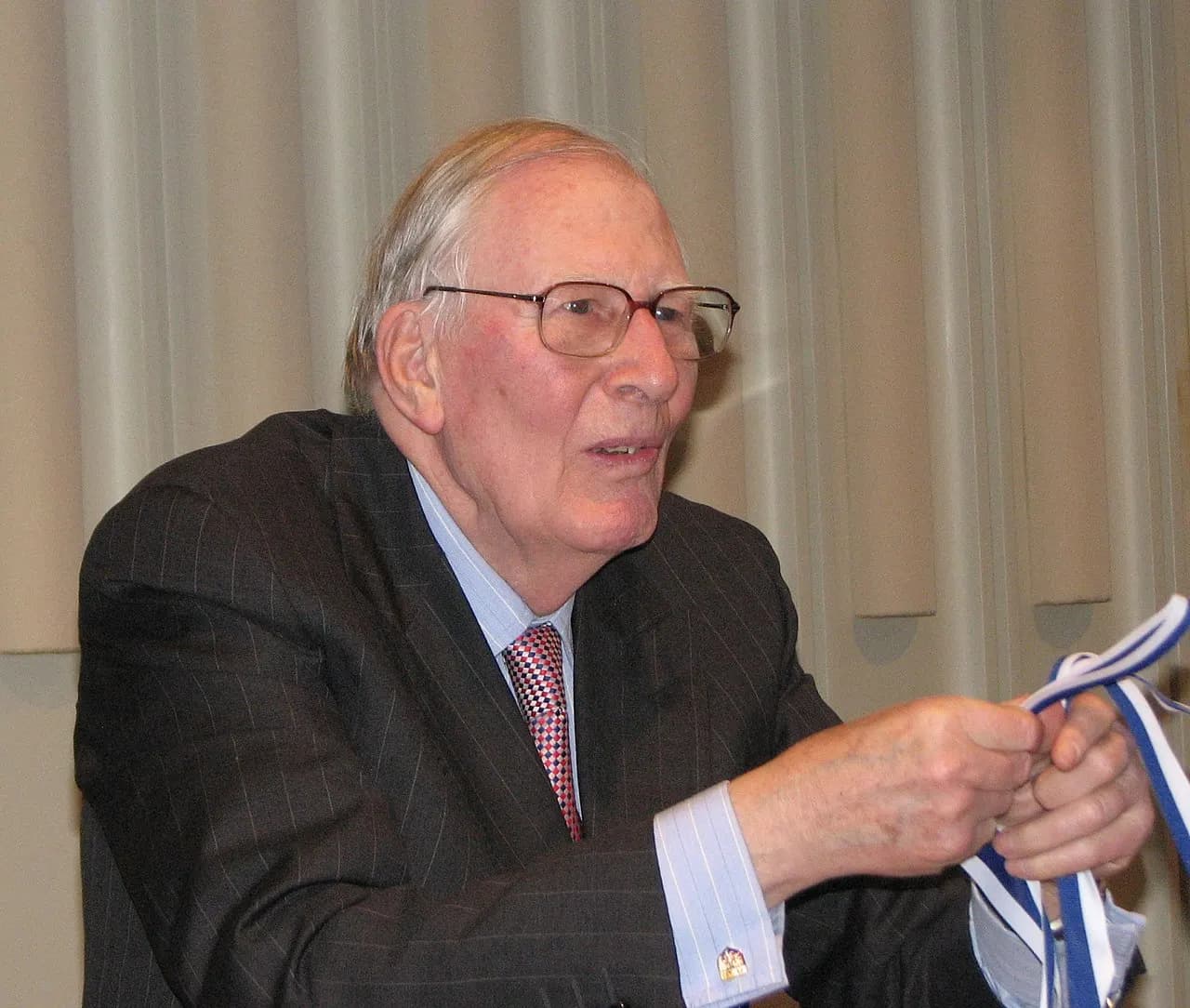 Roger Bannister
Athlete and neurologist, first man to run a mile in under four minutes
Graduate · 1946–1952
Reviews
No reviews yet. Visited, applied, or studied here? Be the first.