
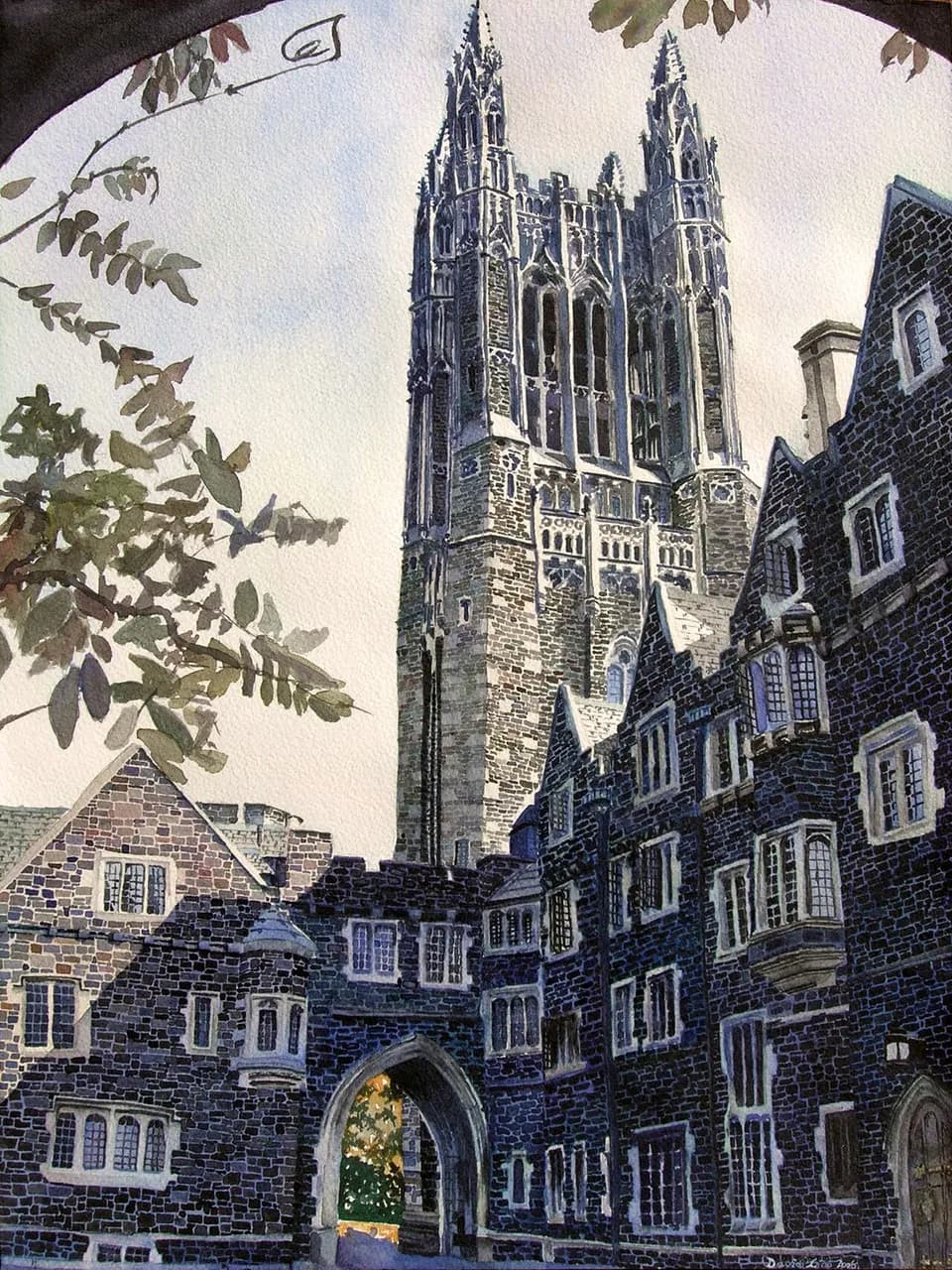
Photo: Magneticcarpet · CC BY-SA 3.0
United States · Princeton, New Jersey
Princeton University
Physics, mathematics and public affairs on the most undergraduate-focused Ivy campus
- QS World Ranking 2026
- #25
- Founded
- 1746
- Students
- 9,100
- Bachelor's degree
- 4 years
- Acceptance rate
- 4.4%
- Typical IB offer
- 42–45 (no formal minimum)
- Language of instruction
- English
Worth knowing
For four months in 1783 Princeton's Nassau Hall was effectively the capital of the United States: the Continental Congress sat there, and it was in Nassau Hall that news of the peace treaty ending the Revolutionary War arrived. A century and a half later Albert Einstein spent his last 22 years in the town, walking from his house on Mercer Street to the Institute for Advanced Study beside the campus.
How hard is it to get in, and why
Princeton admitted 1,868 of 42,303 applicants for the Class of 2029 (4.4%) and, like its peers, withheld Class of 2030 figures. The review is holistic: transcript, Princeton-specific essays, a graded school paper in English or history, two teacher references and an optional alumni conversation. Princeton is test-optional for one more cycle (entry in autumn 2027) but will require the SAT or ACT from the following year — and its own data showed that submitters did better academically, so a strong score still helps. With only about 1,300 first-year places, every seat is contested by applicants with near-perfect records.
What it costs
Tuition
$68k per year
2026–27 tuition of $68,140 plus a $314 fee; the same for everyone, with grant-only aid and no loans in any package since 2001.
Living costs
$26k–33k per year
Full financial aid for international students who need it
Scholarships and financial aid
Princeton is need-blind for all applicants, including internationals, and since 2001 has met full need with grants alone — no loans in any package. From 2025–26 most families with incomes up to $150,000 pay nothing at all and most up to $250,000 pay no tuition; around two-thirds of undergraduates receive aid, and the same formula applies to international families. Princeton offers no merit or athletic scholarships.
How to apply
Apply through the Common App, the Coalition Application or QuestBridge: Single-Choice Early Action by 1 November (decision mid-December; no other early applications to private universities) or Regular Decision by 1 January (decision late March). Alongside the essays you submit a graded written paper from an English, history or social-studies class, complete with the teacher's mark and comments — a Princeton peculiarity. Testing is optional for entry in 2027 and required (SAT or ACT) from the 2027–28 cycle. Alumni interviews are optional and offered where volunteers are available.
Official websiteWhat makes it special
- Every senior writes a thesis — a year of independent research with a faculty adviser — which is why Princeton graduates are unusually well prepared for PhDs and research careers.
- Princeton has no medical, law or business school: the endowment and faculty attention go disproportionately to its 5,800 undergraduates, with a student-to-faculty ratio of 5:1.
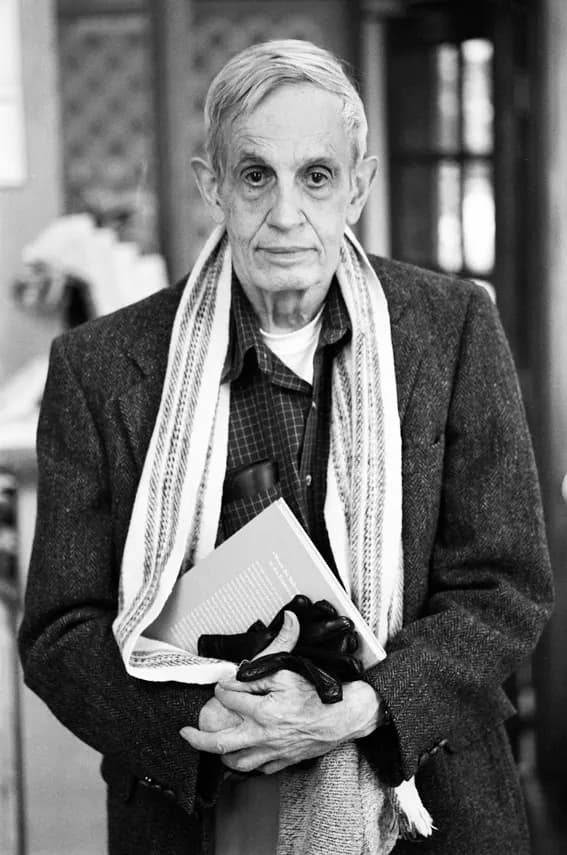
- The physics and maths departments are legendary — Feynman, Nash and Wiles all studied or taught here — and the Princeton Plasma Physics Laboratory is a national centre for fusion research.
- Collegiate Gothic quadrangles, Firestone Library and seven residential colleges; upper-years traditionally join one of the eating clubs on Prospect Avenue, a Princeton institution since 1879.
- The town of Princeton is a quiet college town roughly an hour by train from both New York and Philadelphia; at Reunions each spring thousands of alumni parade through campus in orange and black.
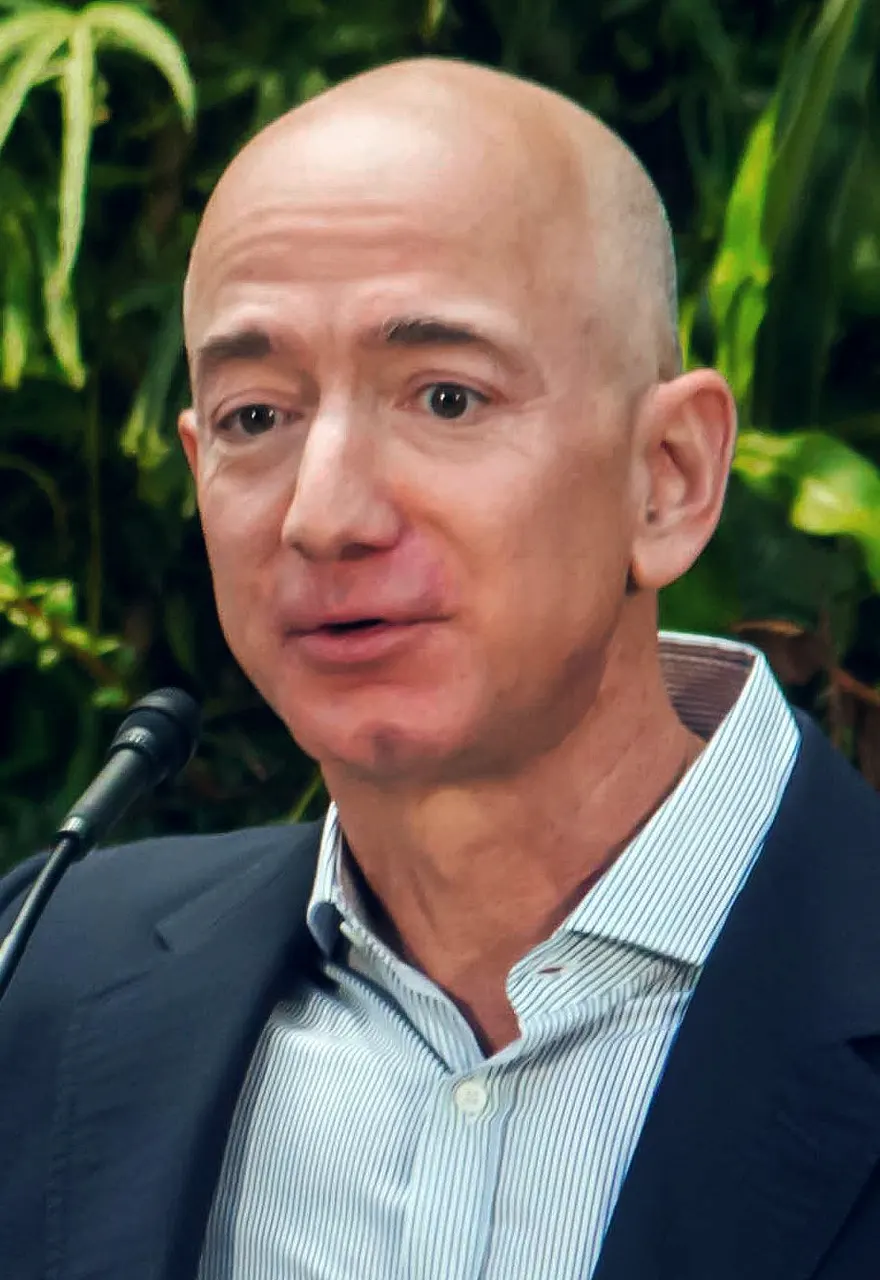
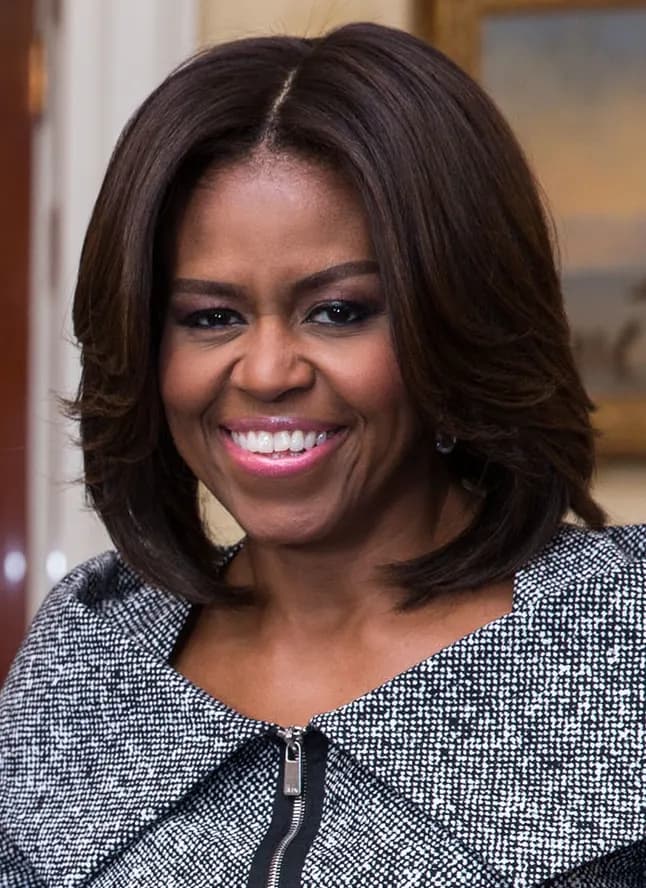
- The School of Public and International Affairs is a pipeline into government and diplomacy; alumni include two US presidents, Supreme Court justices, Jeff Bezos and Michelle Obama.
About studying in United States
Four-year degrees and holistic admissions: universities read essays, recommendations and a record of what you have built or led, not only grades. Applications go through the Common App by early November (early rounds) or early January; most top universities have brought back SAT or ACT scores. Sticker prices are the highest in the world, but Harvard, MIT, Yale, Princeton and a few others admit international students without looking at family income and then cover the full demonstrated need.
Teaching staff
Who runs the university, who teaches, and how lessons actually work.
- Student–faculty ratio
- 5:1
- Faculty members
- ~1 000
- Undergraduates writing a senior thesis
- 100%
Princeton has about 1,000 faculty members for roughly 5,600 undergraduates and 3,200 graduate students, a ratio close to five students per member of teaching staff. The university has no medical, law or business school, so almost all of its attention falls on undergraduates and doctoral students. Beneath the president sit the School of Engineering and Applied Science, the School of Public and International Affairs, the School of Architecture and the Faculty of Arts and Sciences, each with a dean, and the university is also the academic partner of the Institute for Advanced Study next door, though the two are separate institutions.
The defining feature is the precept — a seminar of five to twelve students attached to nearly every lecture course, introduced by Woodrow Wilson in 1905 and often led by the professor rather than a graduate student. Every undergraduate in every department must write a senior thesis, an independent research project of forty to a hundred pages that occupies most of the final year and is bound and shelved in the library; juniors write one or two shorter independent papers as preparation. Grading is done on a defined departmental scale, and undergraduates may take courses pass/D/fail outside their requirements.
Princeton's traditions are built around that thesis and around its residential colleges. The moment of handing it in on Thesis Deadline Day is celebrated across campus, and the Firestone Library holds bound copies going back generations — including, famously, those of two future US presidents. The precept system gave the university a reputation for arguing in small rooms, and the eating clubs on Prospect Avenue, which most upperclassmen join, remain a social institution unique to Princeton.
Teachers worth knowing
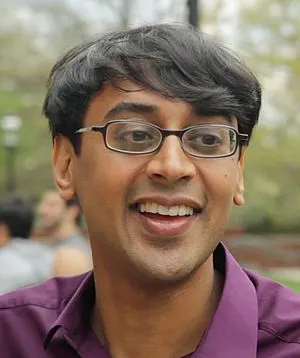 2003–now
Manjul Bhargava
Brandon Fradd, Class of 1983, Professor of Mathematics
- Teaches
- Number theory · Geometry of numbers
- Experience
- Full professor at Princeton since 2003, at the age of twenty-eight; Fields Medal in 2014.
- J2005–now
Jennifer Rexford
Provost; Gordon Y. S. Wu Professor in Engineering and Professor of Computer Science
- Teaches
- Computer networks · Network routing and measurement
- Experience
- At Princeton since 2005; chaired the computer science department and has been provost since 2023.
- E2012–now
Eve Ostriker
Lyman Spitzer, Jr., Professor of Theoretical Astrophysics
- Teaches
- Star formation · Interstellar medium and galaxy evolution
- Experience
- At Princeton since 2012; previously on the faculty of the University of Maryland.
The campus in photographs
Photographs come from Wikimedia Commons under free licences; the author and licence are shown on each image.
People who studied or taught here
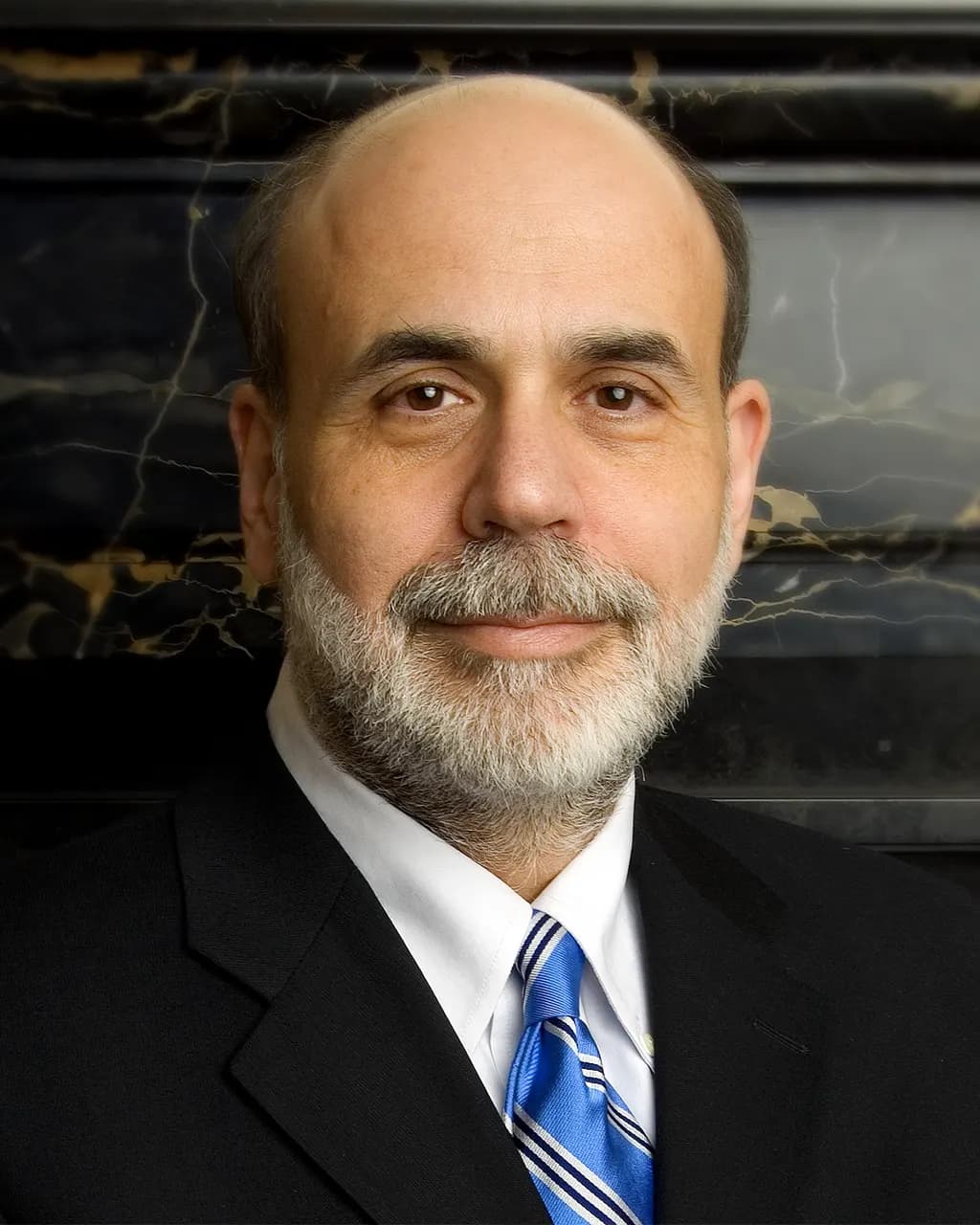 Ben Bernanke
Chair of the US Federal Reserve 2006–14, Nobel Prize in Economics 2022
Professor · 1985–2002
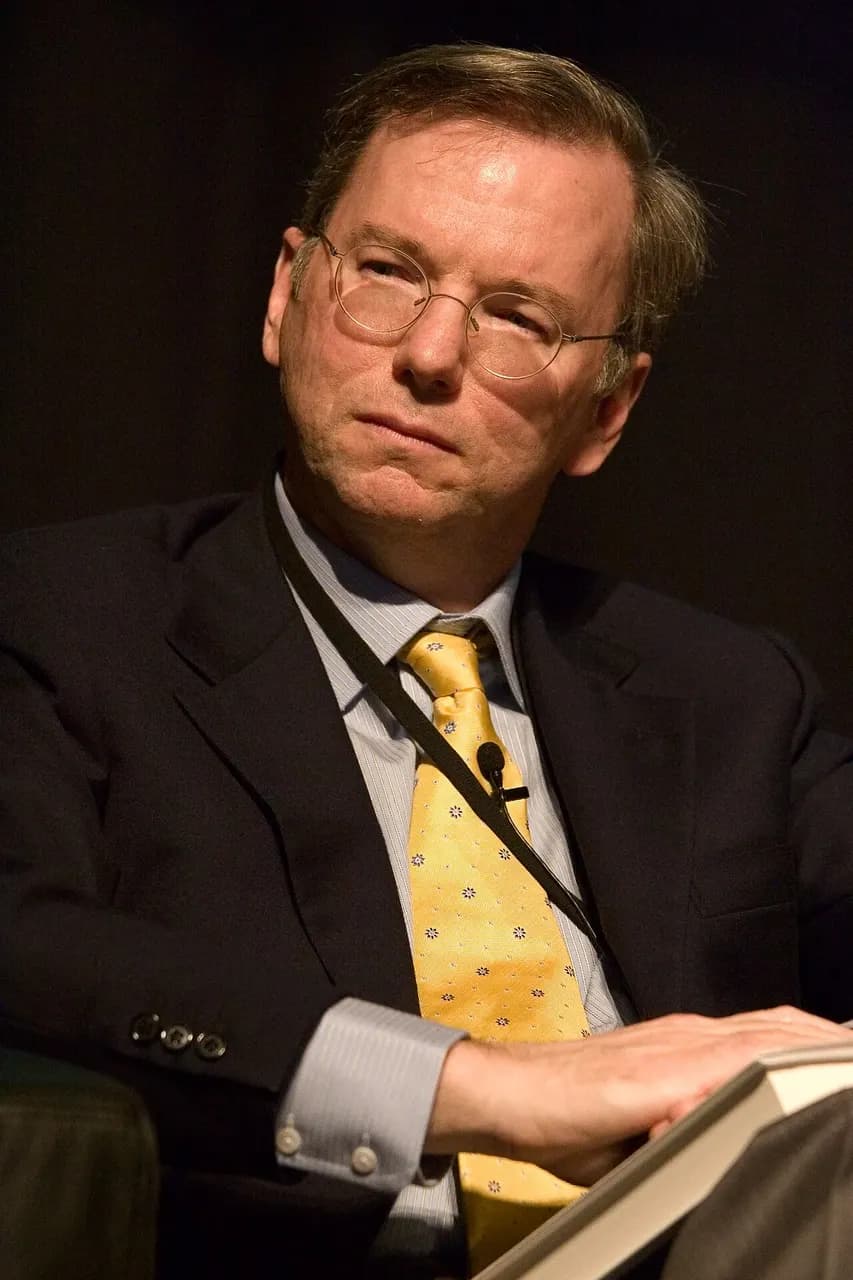
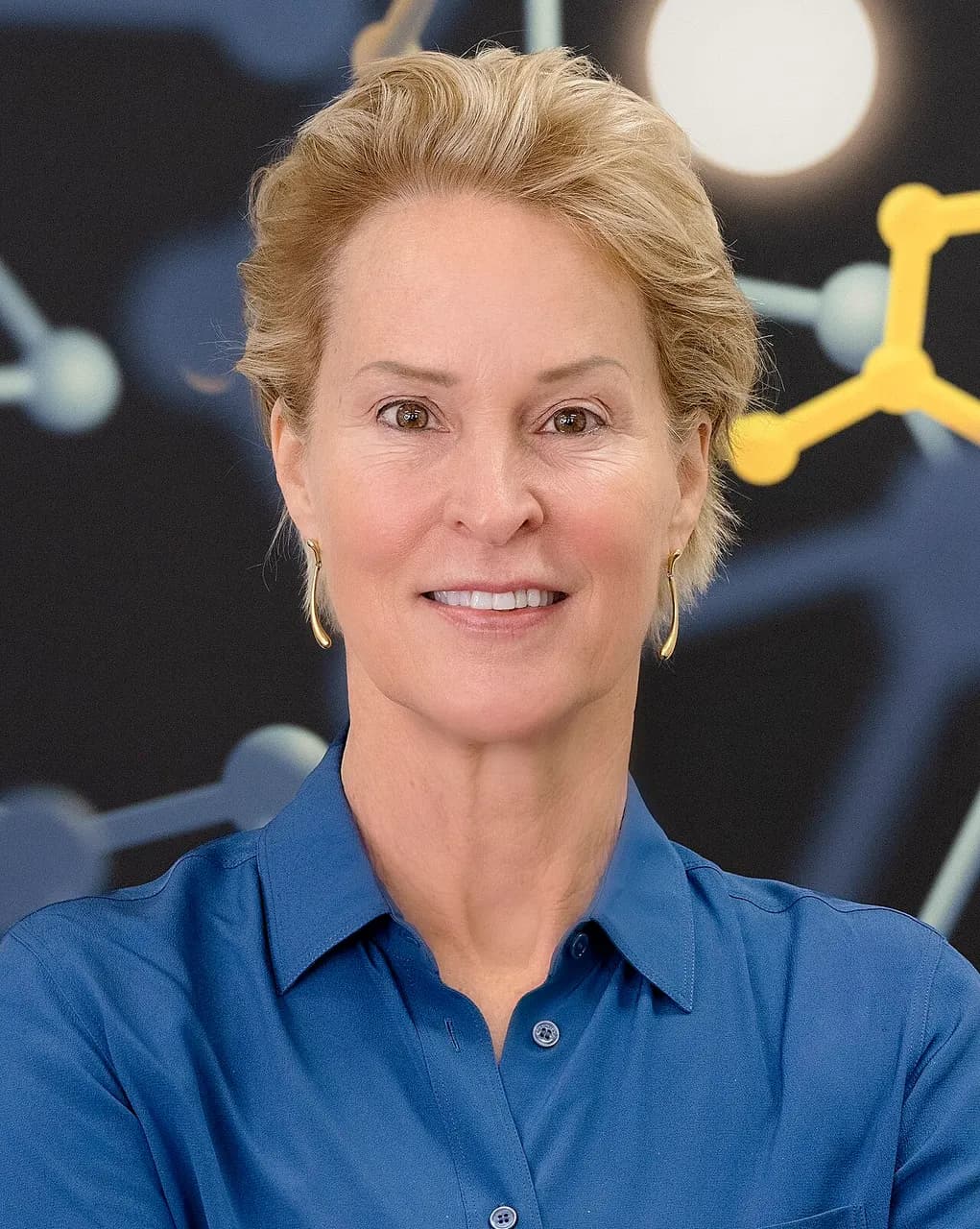 Frances Arnold
Chemical engineer, Nobel Prize in Chemistry 2018 for the directed evolution of enzymes
Graduate · 1975–1979
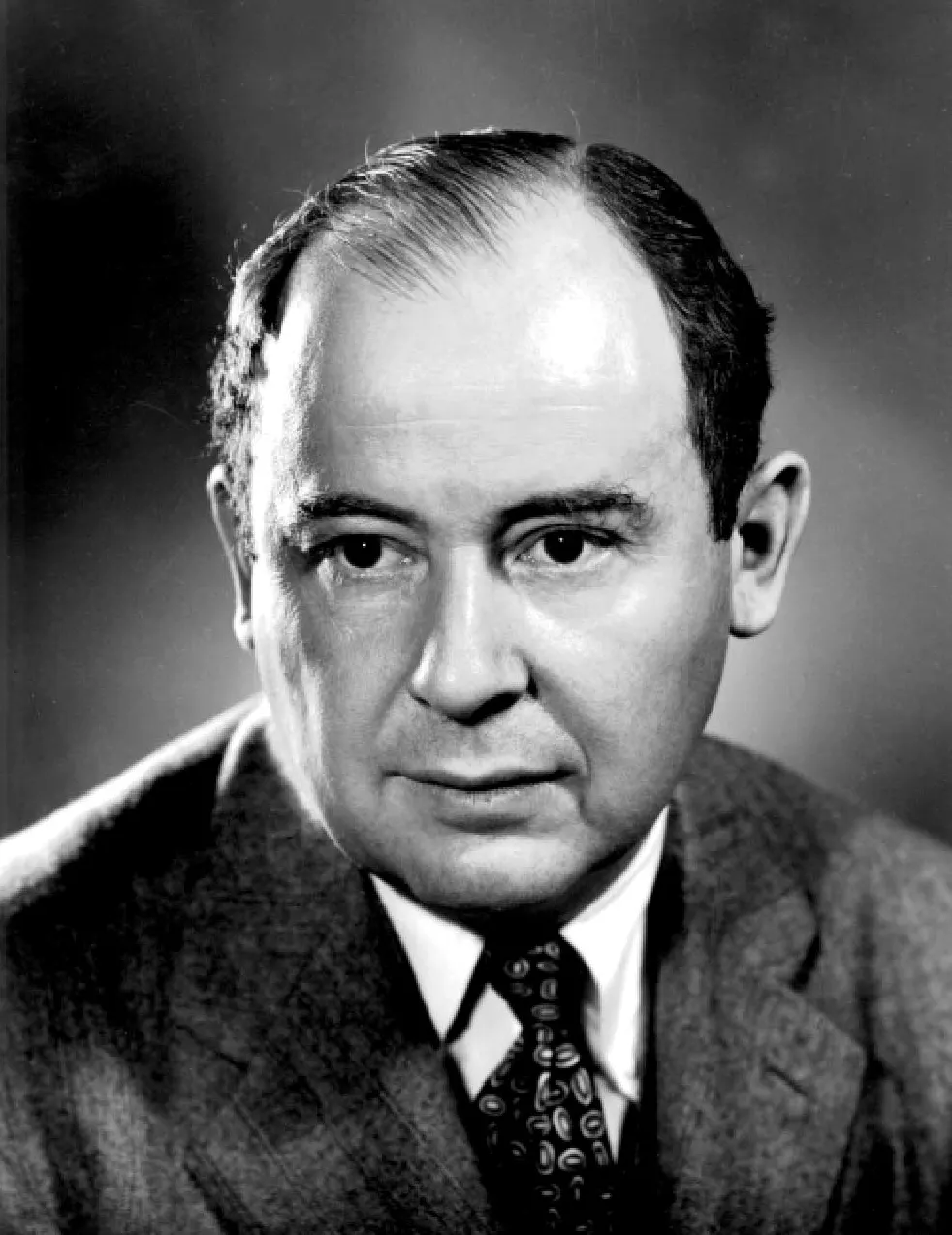 John von Neumann
Mathematician, architect of the modern computer and game theory
Professor · 1930–1957
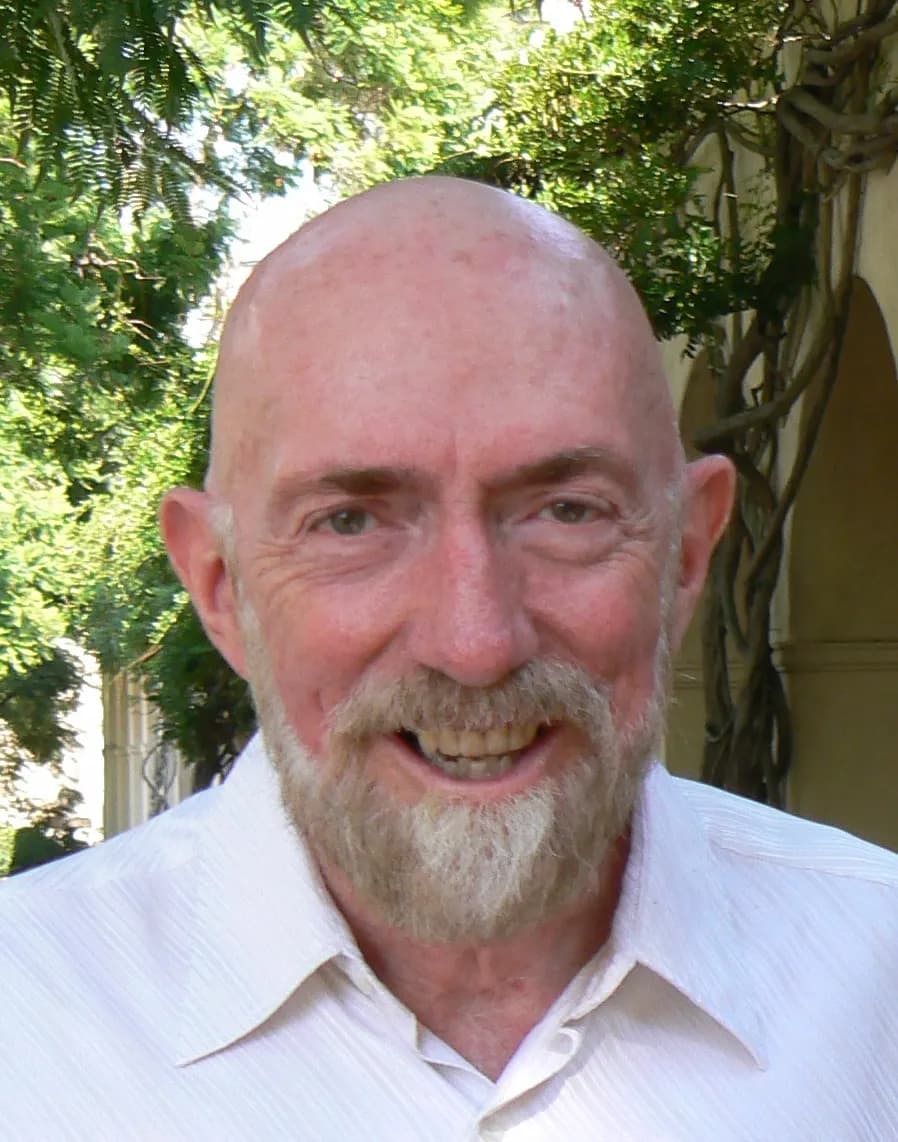 Kip Thorne
Theoretical physicist, Nobel Prize in Physics 2017 for detecting gravitational waves
Doctorate · 1962–1965
Reviews
No reviews yet. Visited, applied, or studied here? Be the first.