
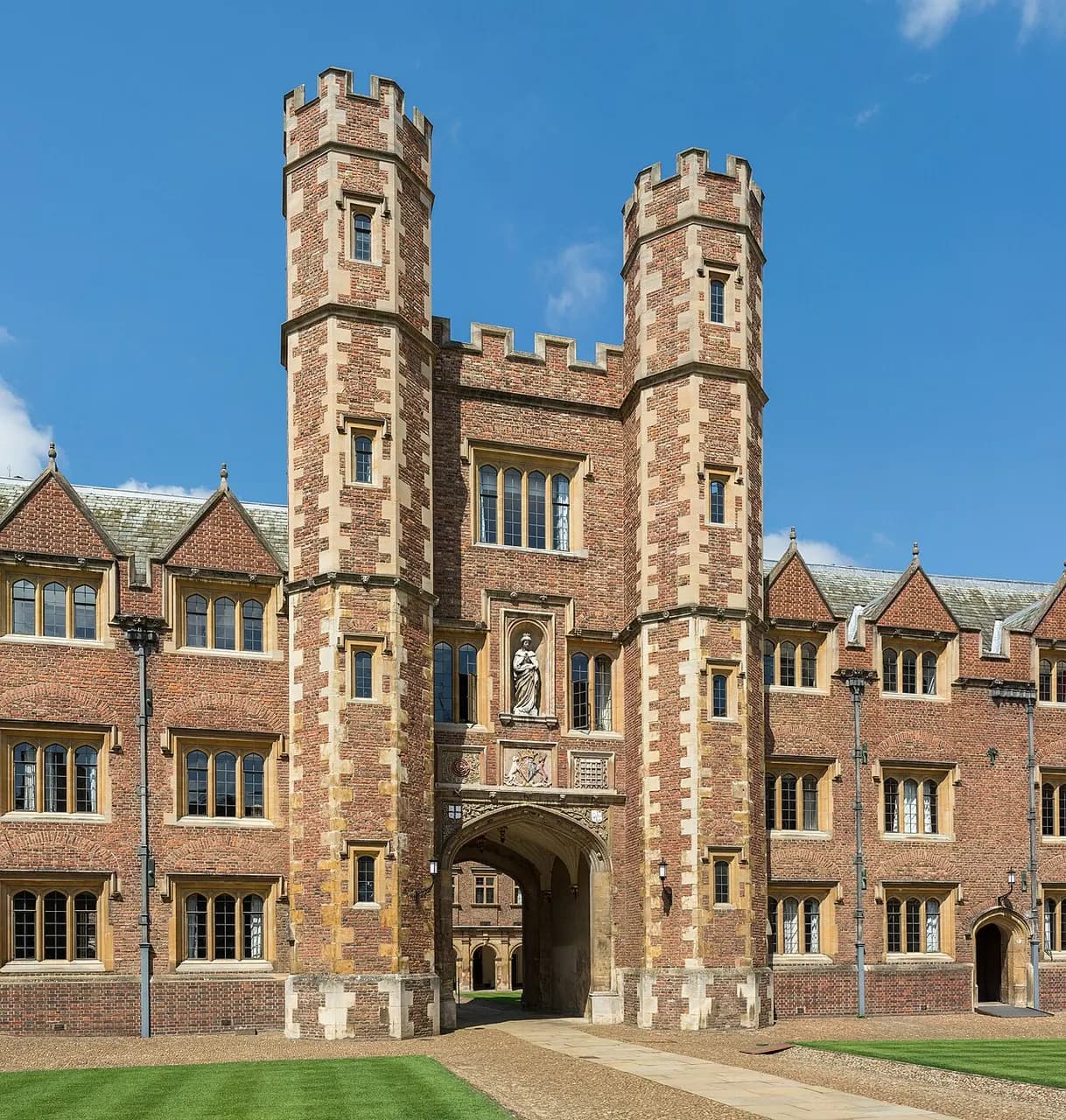
Photo: Diliff · CC BY-SA 3.0
United Kingdom · Cambridge, England
University of Cambridge
Newton, Darwin, Turing and the structure of DNA, all from one small town on the Cam
- QS World Ranking 2026
- #6
- Founded
- 1209
- Students
- 25,000
- Bachelor's degree
- 3 years
- Acceptance rate
- About 17% of applicants receive an offer; under 10% in medicine and computer science
- Typical IB offer
- 40–42 points with 7/7/6 at Higher Level
- Language of instruction
- English
Worth knowing
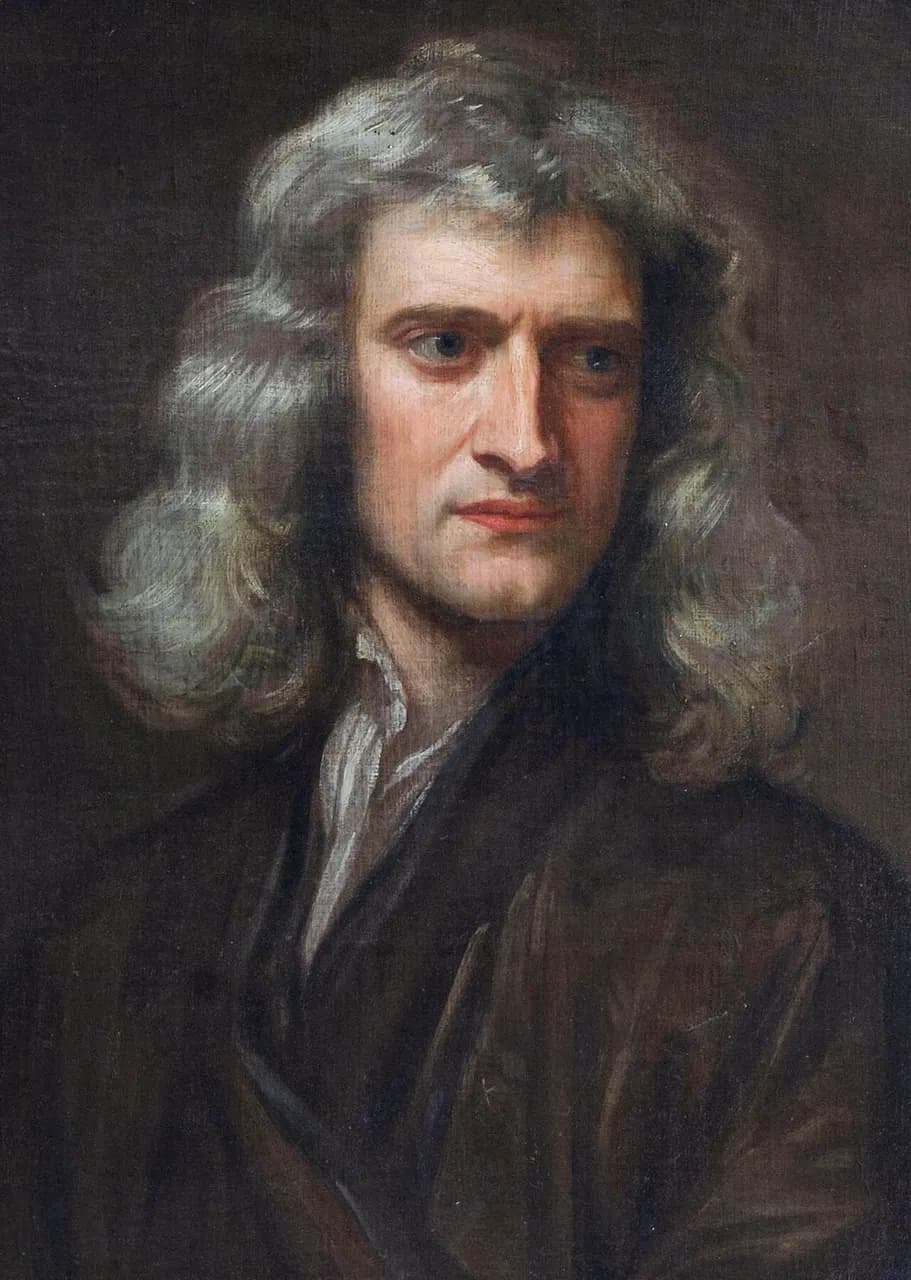
Outside Trinity College grows an apple tree grafted from the one at Newton's family home, the tree of the falling apple. And on 28 February 1953 Francis Crick walked into the Eagle pub on Bene't Street and announced that he and James Watson had found the secret of life; they had worked out the double helix of DNA that morning.
How hard is it to get in, and why
Like Oxford, Cambridge admits to a single subject through a single college, so you are judged against the strongest applicants for that course in the world. Most subjects add a written assessment, and interviews in December are supervision-style problem sessions where you work through questions at the board. Mathematics offers usually carry a STEP condition, a separate examination in June that sinks candidates who already hold an offer. The 15 October deadline and the one-of-Oxbridge rule apply here too.
What it costs
Tuition
$41k–84k per year
International tuition for 2026 entry ranges from about £27,000 for arts and humanities to £71,000 for the clinical years of medicine, plus a college fee of roughly £11,000–13,000 a year. Converted here at about 1.27 dollars to the pound.
Living costs
$16k–22k per year
Scholarships and financial aid
The flagship is the Cambridge Trust, which funds a limited number of international undergraduates; awards are competitive and rarely cover everything. College bursaries exist but are small, and there is no need-blind admission for international applicants. Budget for the full cost and treat any award as a bonus.
How to apply
Apply through UCAS by 15 October, plus a separate My Cambridge Application form with additional questions. Most courses require an admissions assessment in October, such as the ESAT for sciences and engineering or the TMUA for economics and computer science. Around three quarters of applicants are interviewed in December, typically twice, in a technical problem-solving format. Mathematics offers almost always include STEP grades taken the following June.
Official websiteWhat makes it special
- Thirty-one colleges around courts and lawns, most of them on the river, with punting as the local means of showing off.
- Supervisions replace the Oxford tutorial: weekly hours with one to three students and a specialist, on top of lectures and lab work.
- The Cavendish Laboratory discovered the electron, the neutron and the structure of DNA; the university counts over 120 Nobel laureates.
- The Mathematical Tripos is the oldest and hardest undergraduate maths course in Britain, and its Part III is a graduate qualification in its own right.
- Many science courses are broad in the first year: Natural Sciences students take three subjects before specialising, which suits people who are not yet sure.
About studying in United Kingdom
Three-year degrees in England (four in Scotland), and you apply for one subject rather than for a university in general. UCAS allows five choices, only one of which can be Oxford or Cambridge, with a 15 October deadline for those two and for medicine. Oxbridge adds admissions tests and interviews; IB offers at the top range from 38 to 42. International fees run from about £25,000 to £45,000 a year, need-based aid is scarce, and graduates can stay on to work for a limited period under the Graduate visa.
Teaching staff
Who runs the university, who teaches, and how lessons actually work.
- Student–staff ratio
- 11:1
- Colleges
- 31
- Nobel laureates affiliated
- 120+
Cambridge has around 6,500 academic and research staff and roughly eleven students per member of academic staff. More than 120 Nobel laureates have been affiliated with the university — the highest count of any institution — and the Cavendish Laboratory alone accounts for about thirty of them. Professor Deborah Prentice, the 347th Vice-Chancellor and the first American to hold the office, presides over six academic Schools, each with its own council: Arts and Humanities, Humanities and Social Sciences, Biological Sciences, Clinical Medicine, Physical Sciences, and Technology. Beneath them sit the faculties and departments, and alongside them thirty-one colleges, which admit the undergraduates, house them, and arrange their teaching.
The supervision is the college side of that bargain. Once or twice a week a student meets a supervisor — often a research fellow or a professor — alone or in a pair, having handed in an essay or a problem sheet a day or two earlier, and the hour is spent taking the work apart. Departments provide the lectures, practicals and laboratory classes; colleges provide the supervisions and the Director of Studies who arranges them. Assessment concentrates in the Tripos examinations at the end of each year, and students are free to change direction between parts of a Tripos in a way that few other systems permit.
The Mathematical Tripos is the oldest and most famous of them. From 1748 until 1909 it ranked every candidate in public order of merit, and the top student of the year, the Senior Wrangler, was a national celebrity; the practice ended because the competition had grown ruinous. Part III of the Tripos is now a one-year master's course that draws mathematicians from around the world. The Natural Sciences Tripos keeps first-year students studying three experimental sciences plus mathematics before they specialise, which is why Cambridge physicists often started out doing chemistry and geology as well.
Teachers worth knowing
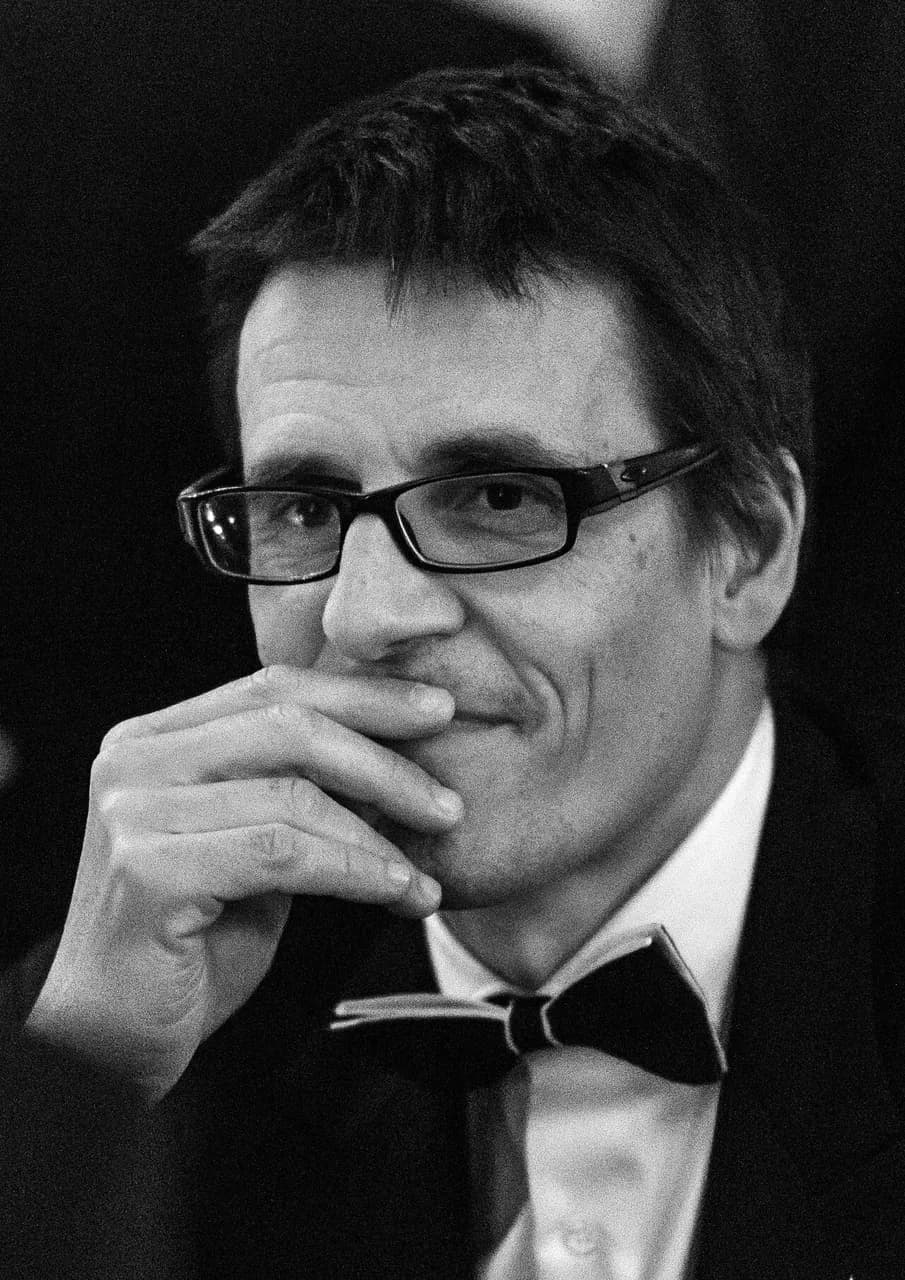 2013–now
Didier Queloz
Jacksonian Professor of Natural Philosophy, Cavendish Laboratory
- Teaches
- Exoplanets and their atmospheres · Origins of life in the universe
- Experience
- At Cambridge since 2013; Nobel Prize in Physics 2019 for the first discovery of a planet orbiting a Sun-like star.
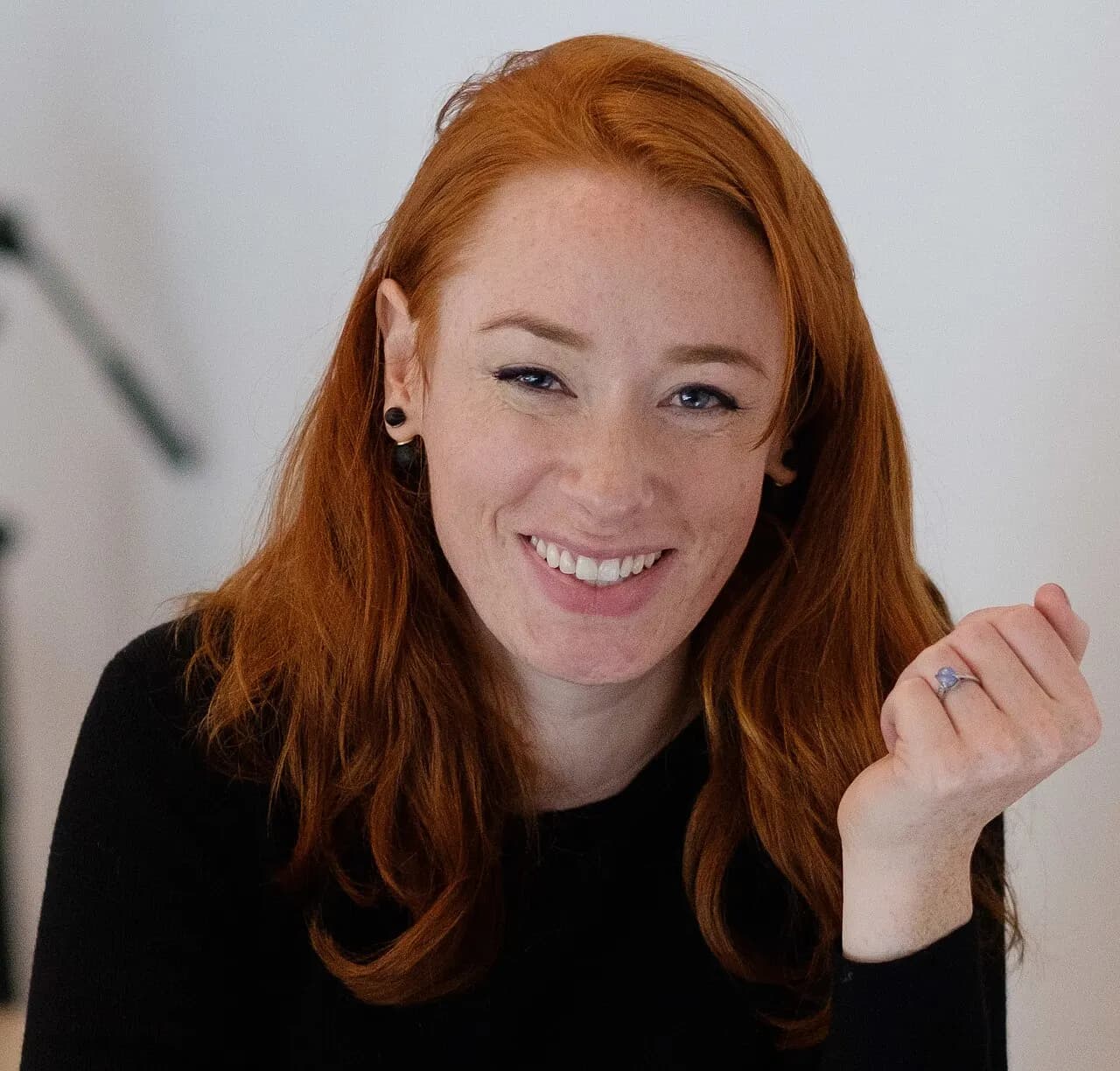 2025–now
Hannah Fry
Professor of the Public Understanding of Mathematics
- Teaches
- Mathematics of human behaviour · Data, algorithms and society
- Experience
- Cambridge's first Professor of the Public Understanding of Mathematics since January 2025; previously Professor of the Mathematics of Cities at UCL.
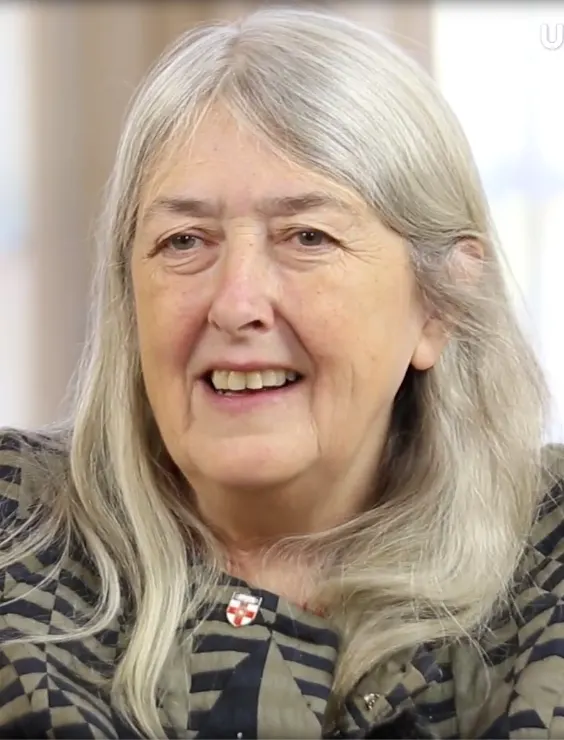 1984–2022
Mary Beard
Professor of Classics (Emerita), Faculty of Classics
- Teaches
- Roman history · Ancient art and architecture
- Experience
- Taught at Cambridge from 1984 to 2022, holding the Chair of Classics from 2004; Fellow of Newnham College.
The campus in photographs
Photographs come from Wikimedia Commons under free licences; the author and licence are shown on each image.
People who studied or taught here
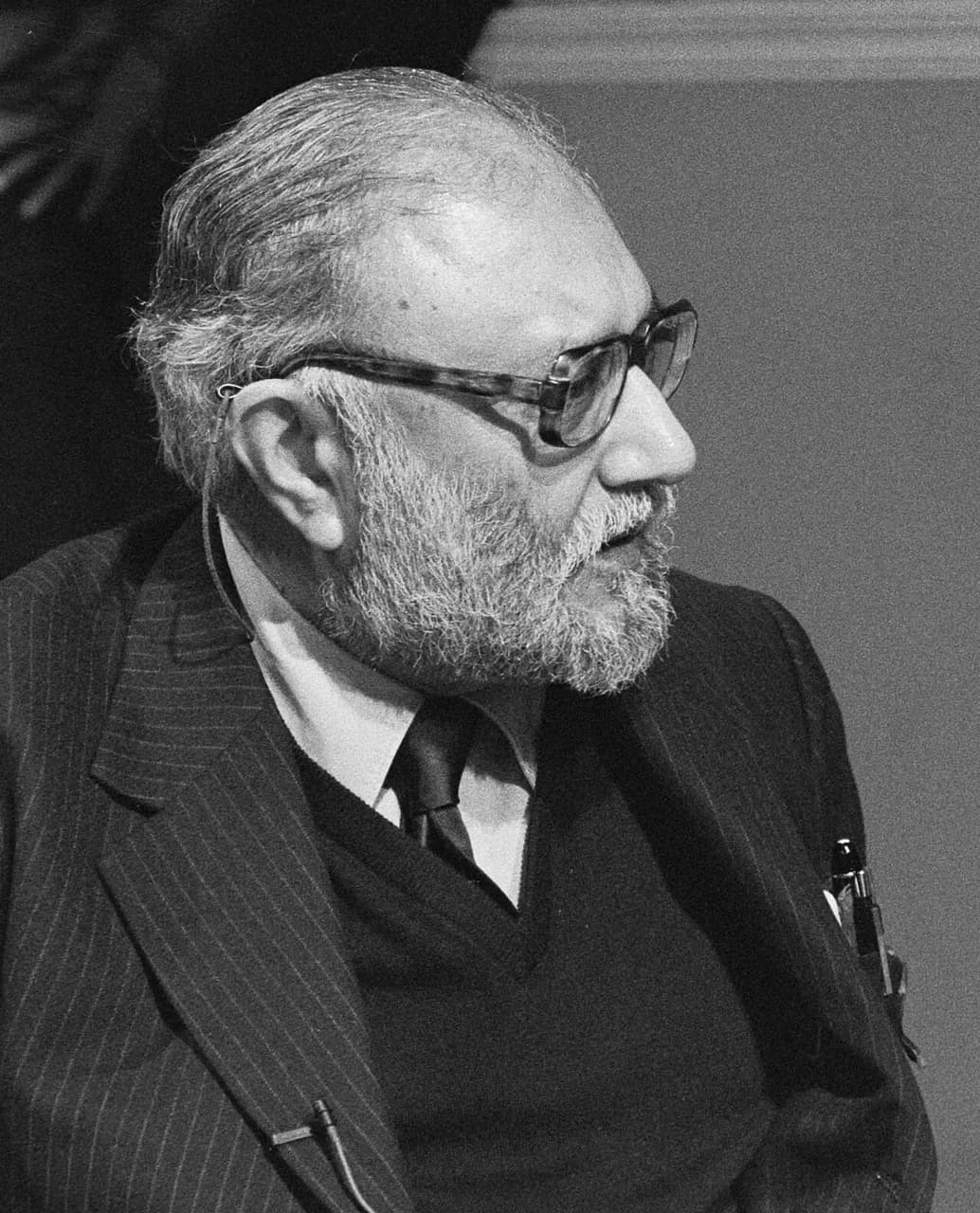
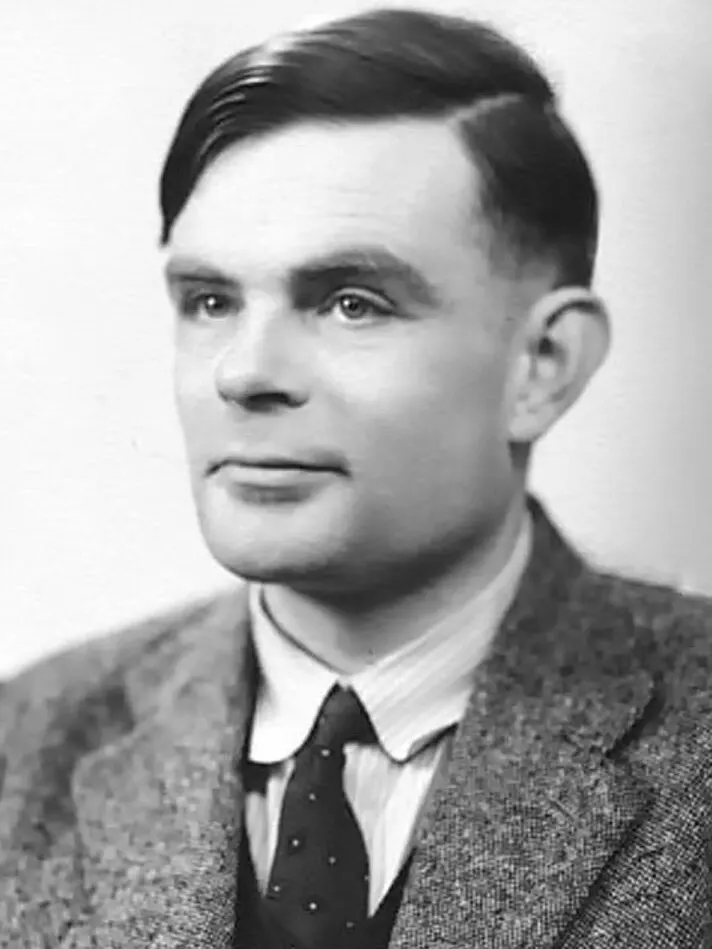
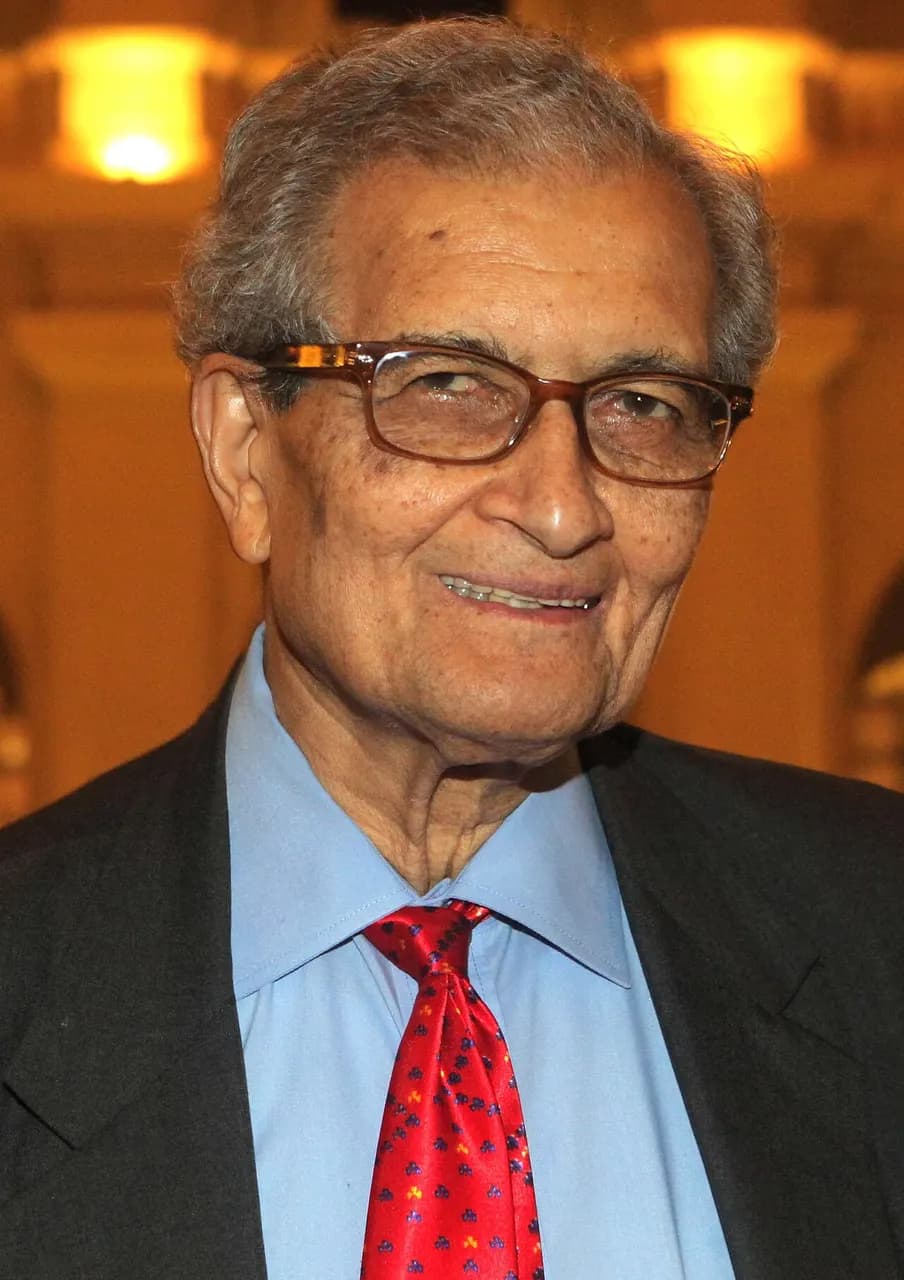
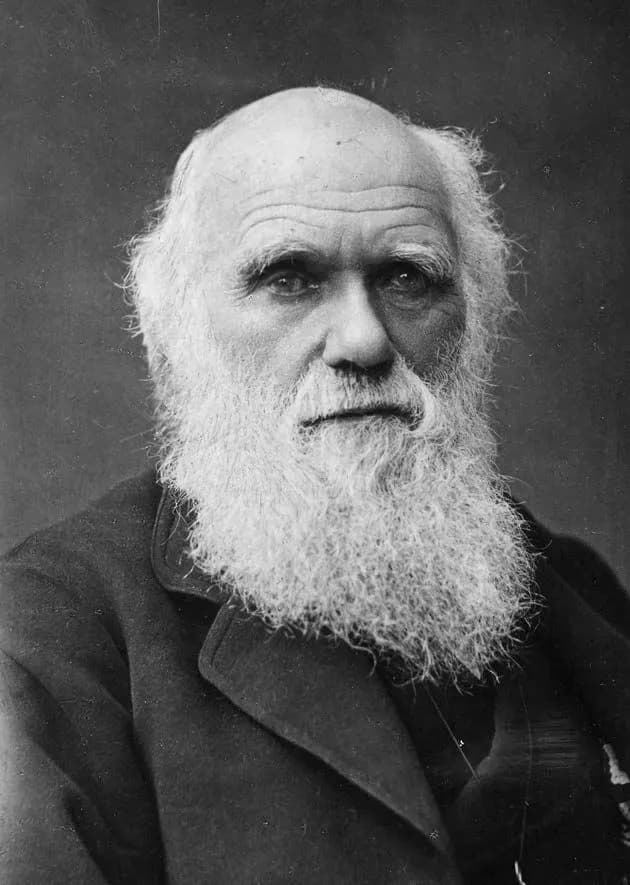
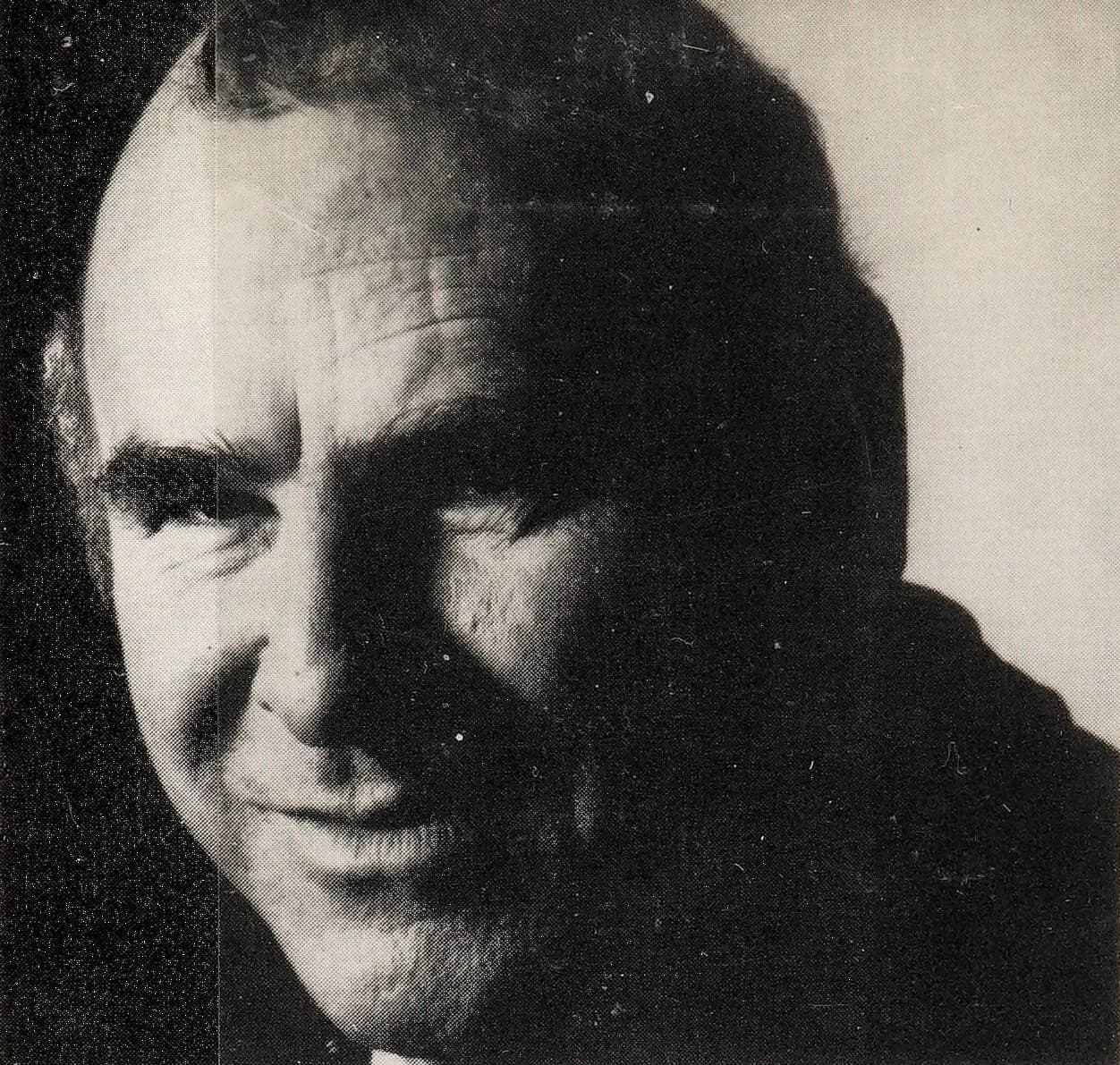
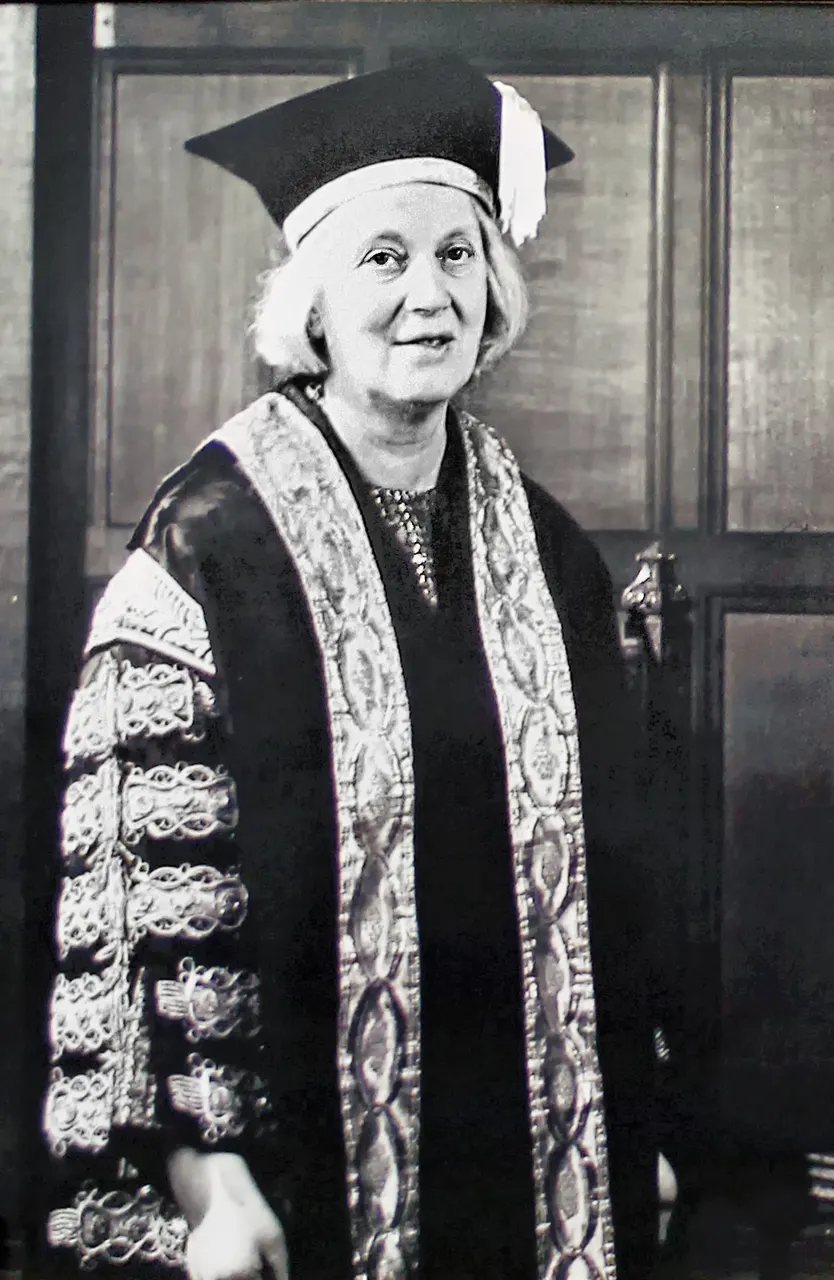 Dorothy Hodgkin
Chemist, Nobel Prize in Chemistry 1964 for determining the structures of biochemical substances
Doctorate · 1932–1937
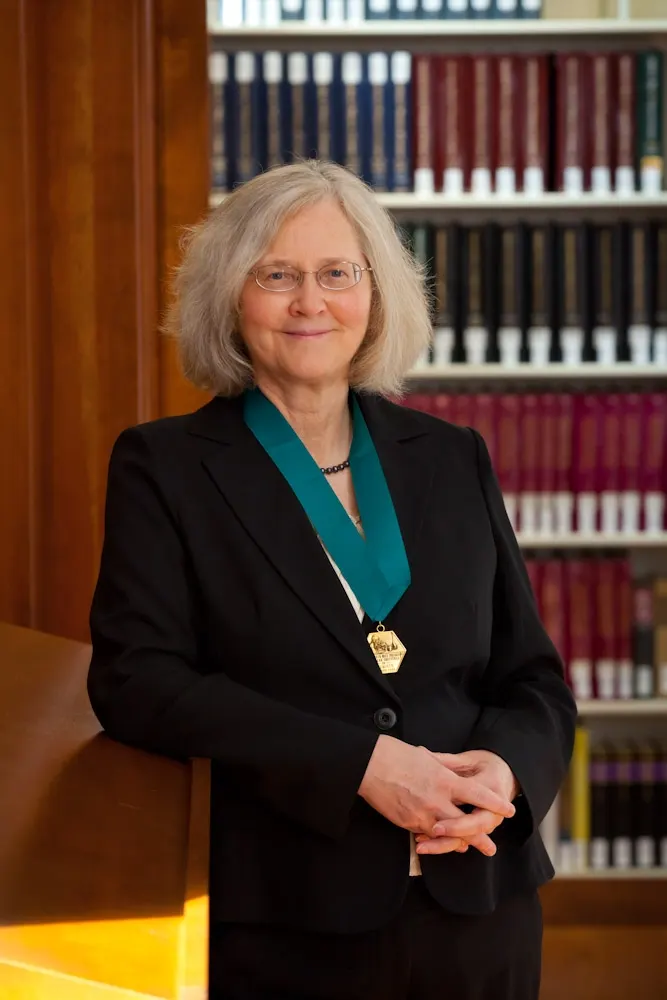 Elizabeth Blackburn
Molecular biologist, Nobel Prize in Medicine 2009 for telomeres
Doctorate · 1972–1975
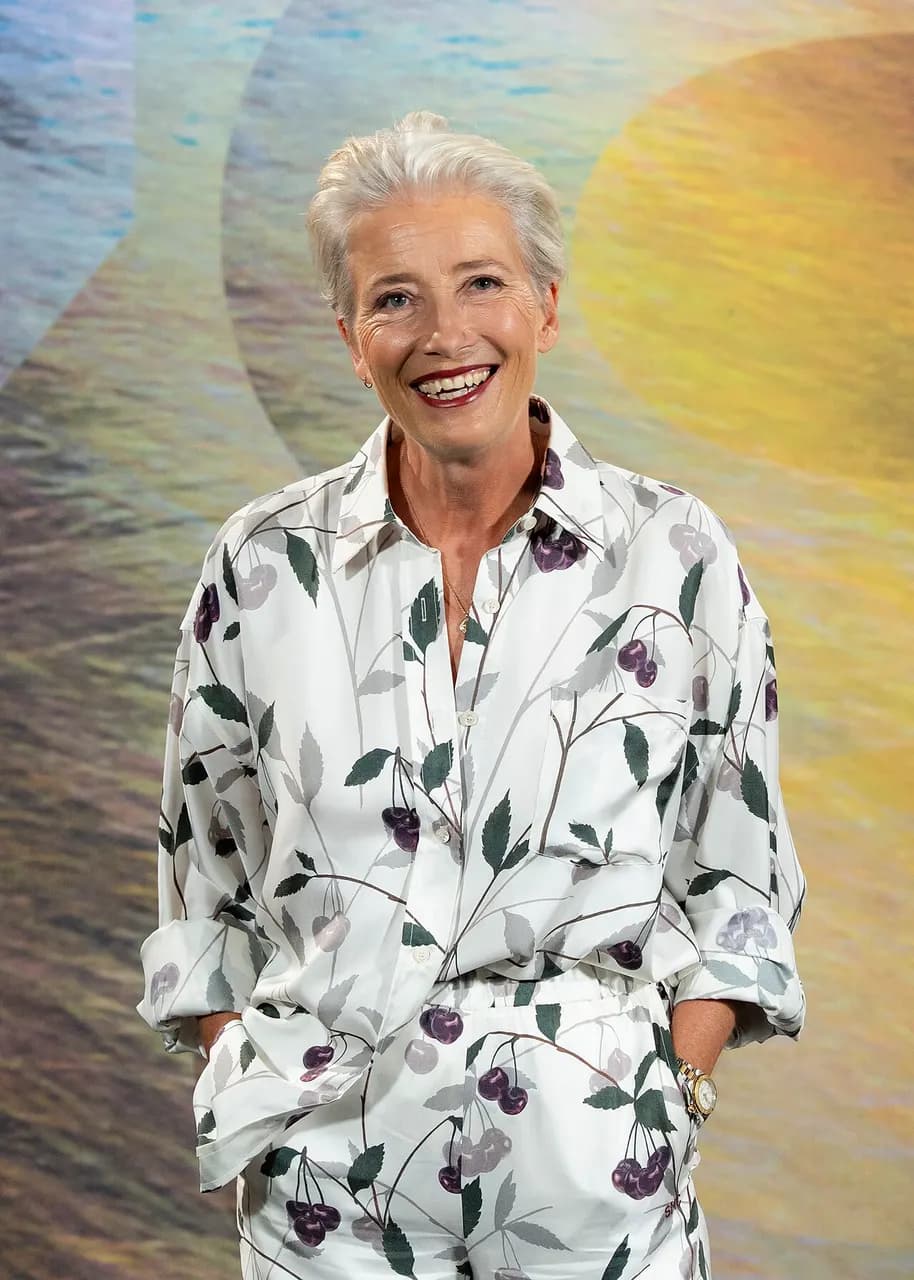
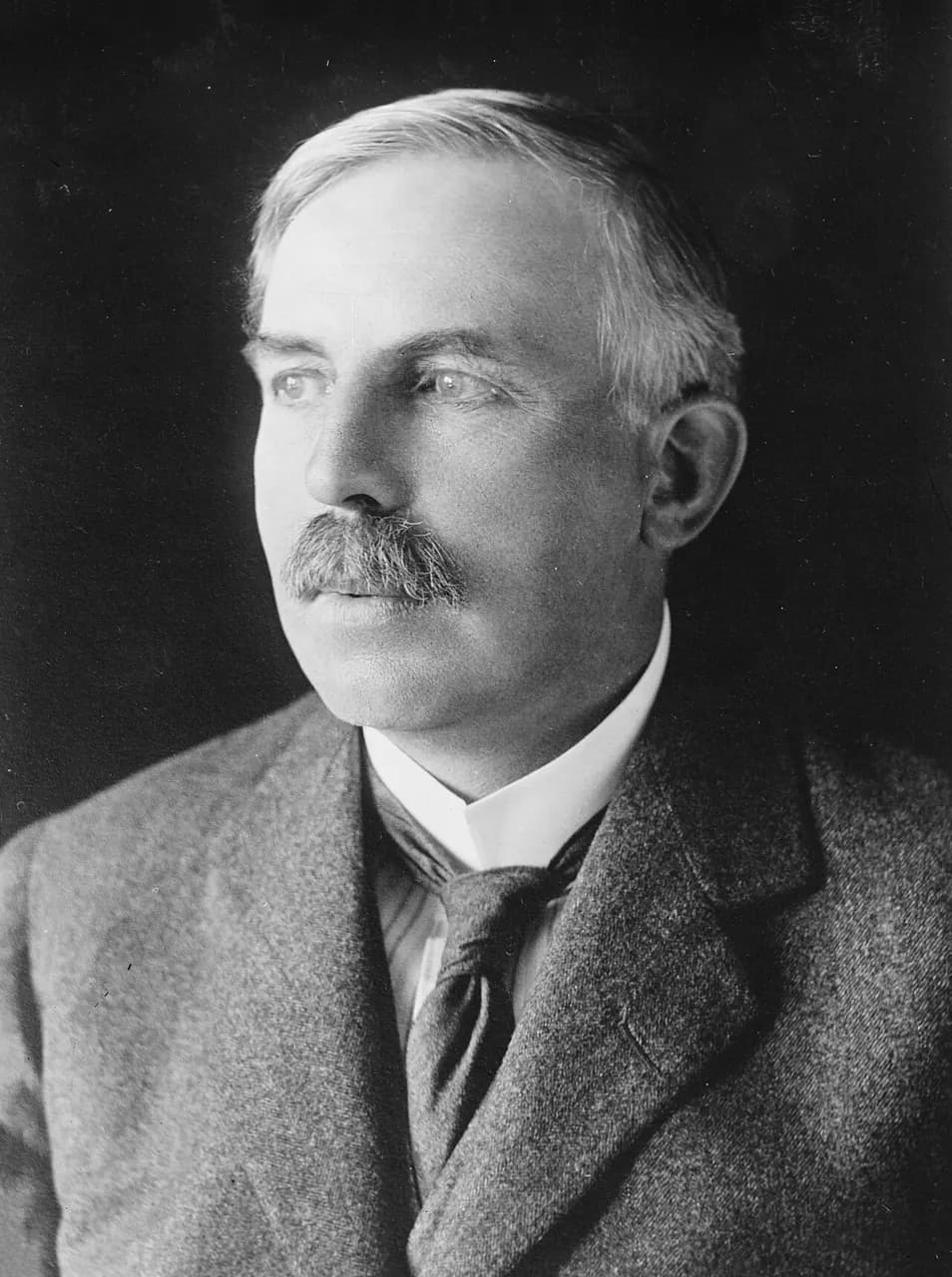 Ernest Rutherford
Physicist, Nobel Prize in Chemistry 1908, father of nuclear physics
Professor · 1895–1898
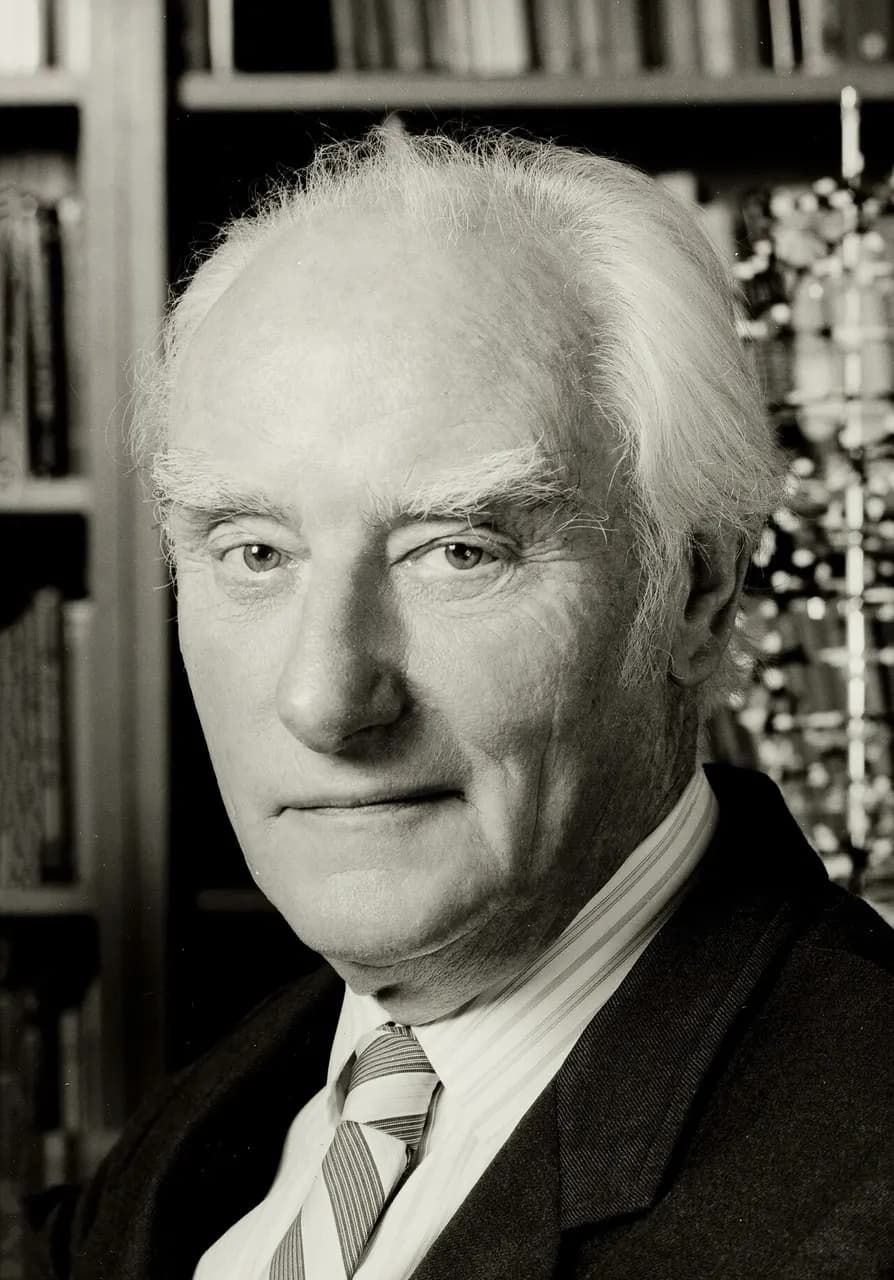 Francis Crick
Molecular biologist, Nobel Prize in Medicine 1962 for the structure of DNA
Doctorate · 1949–1954
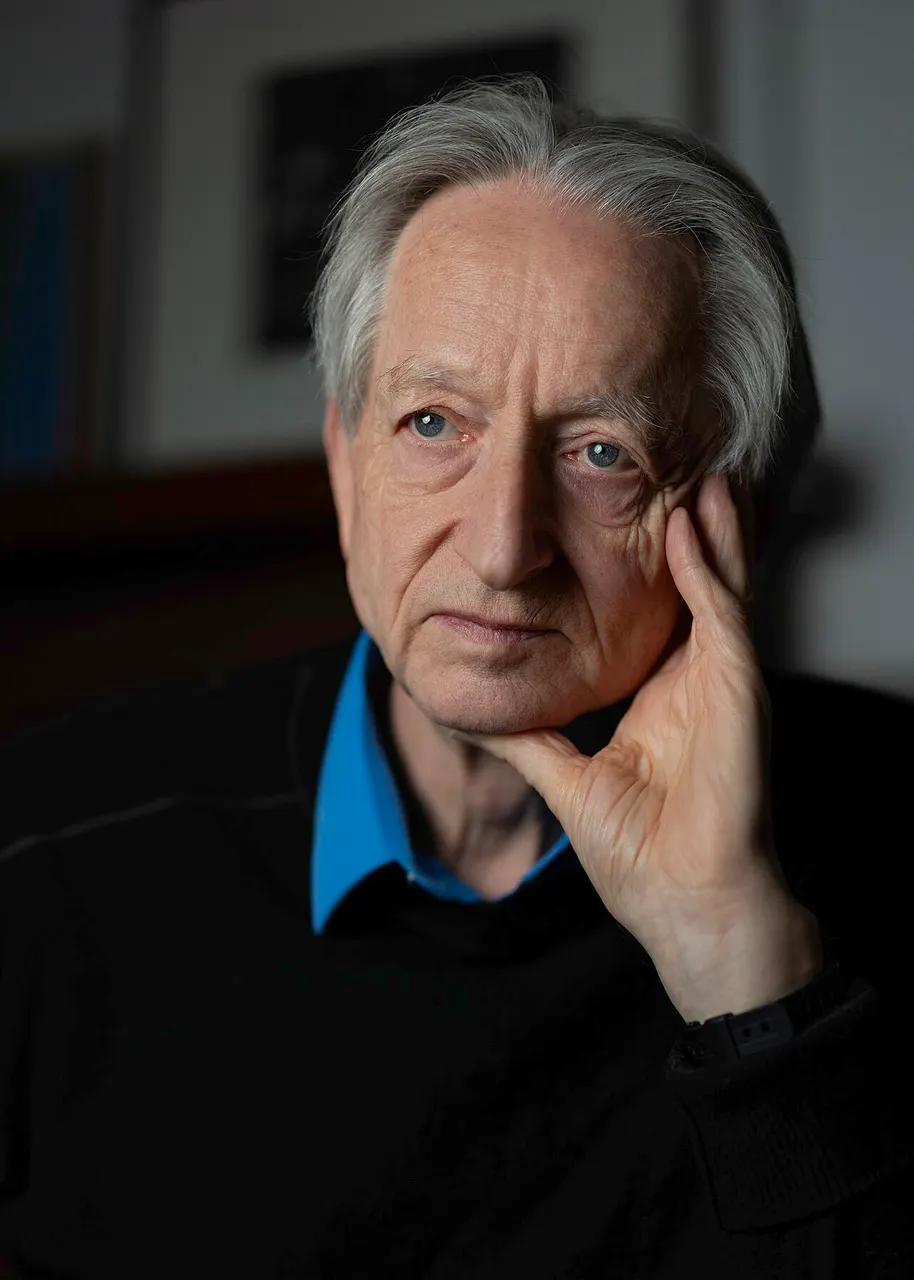 Geoffrey Hinton
Computer scientist, Turing Award 2018 and Nobel Prize in Physics 2024
Graduate · 1967–1970
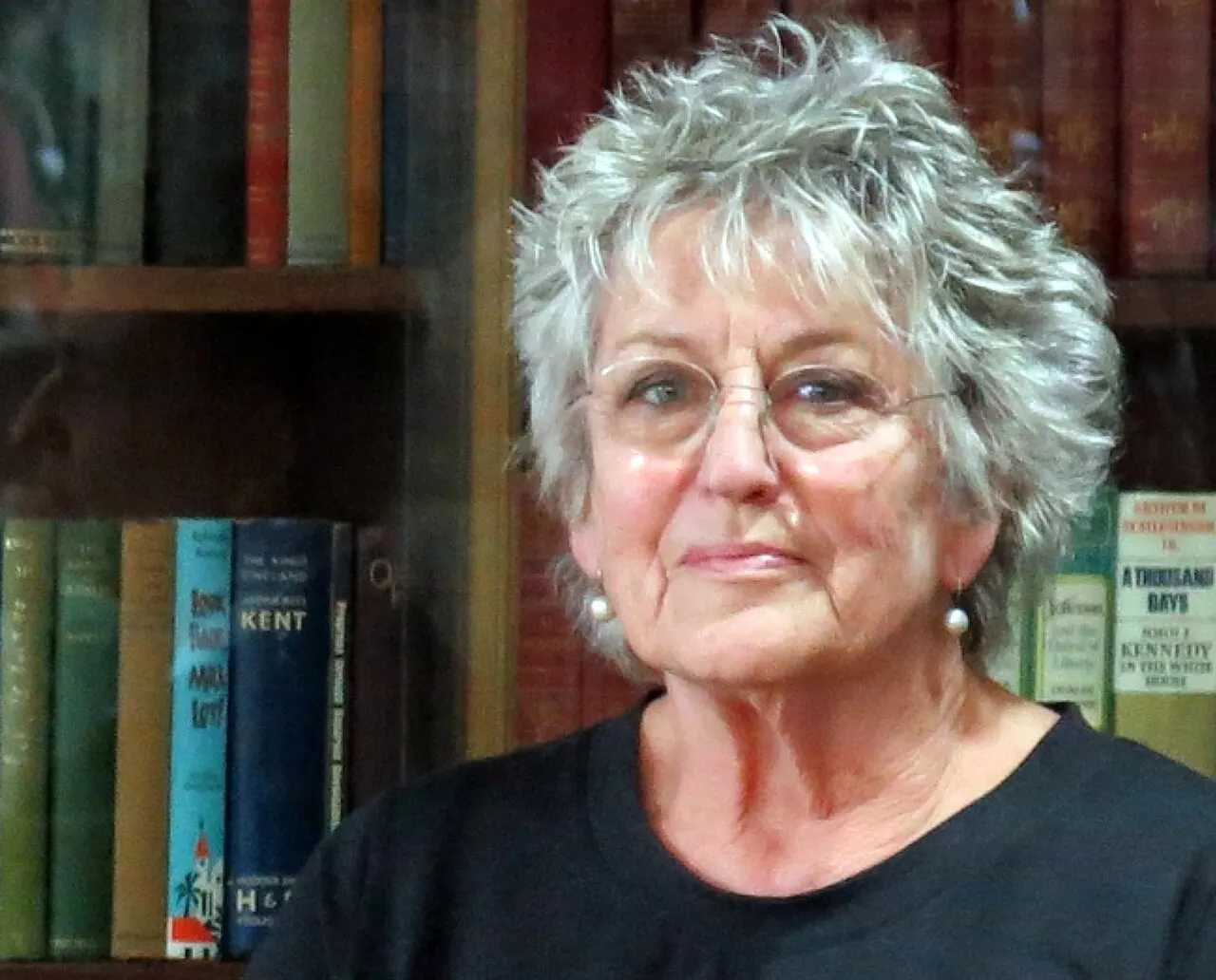
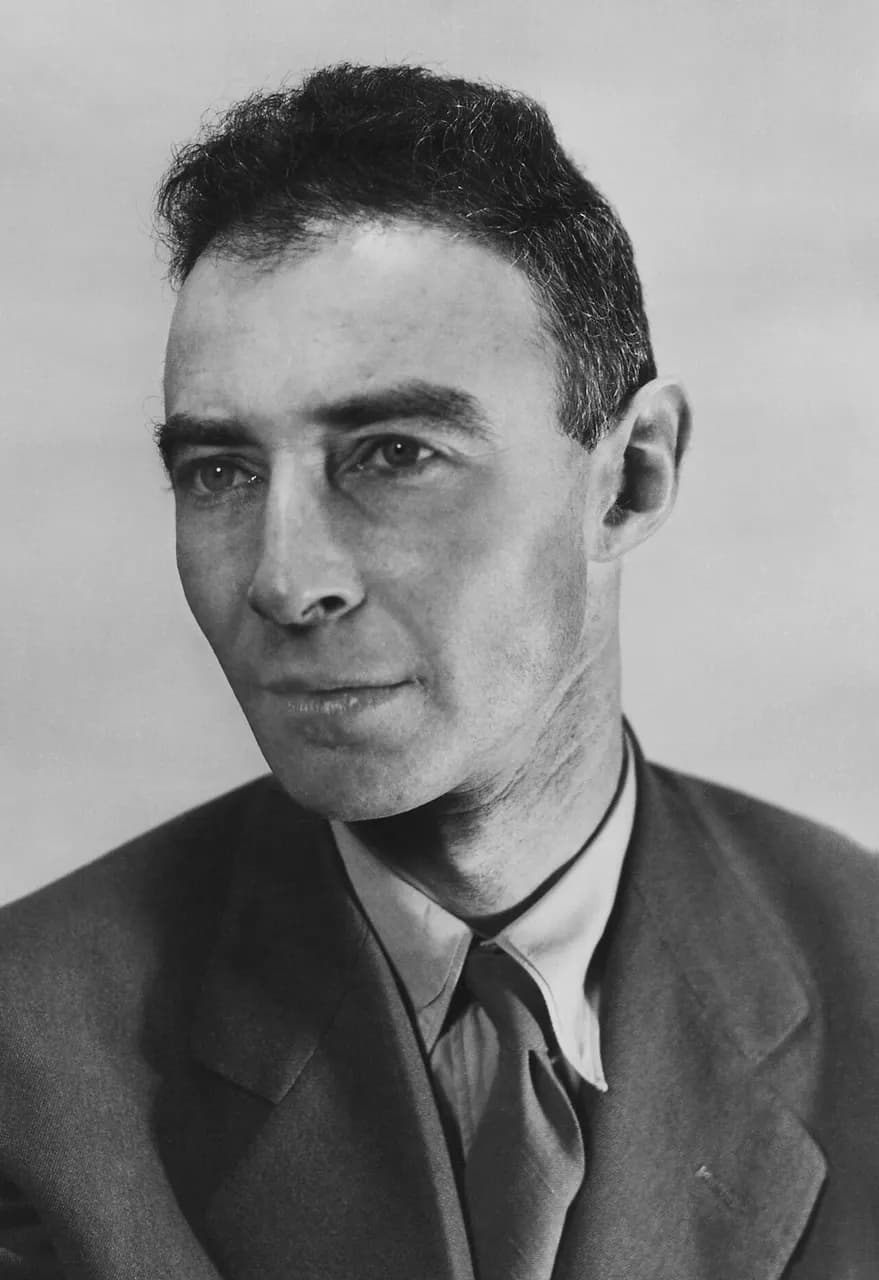 J. Robert Oppenheimer
Physicist, director of the Manhattan Project's Los Alamos Laboratory
Left without a degree · 1925–1926
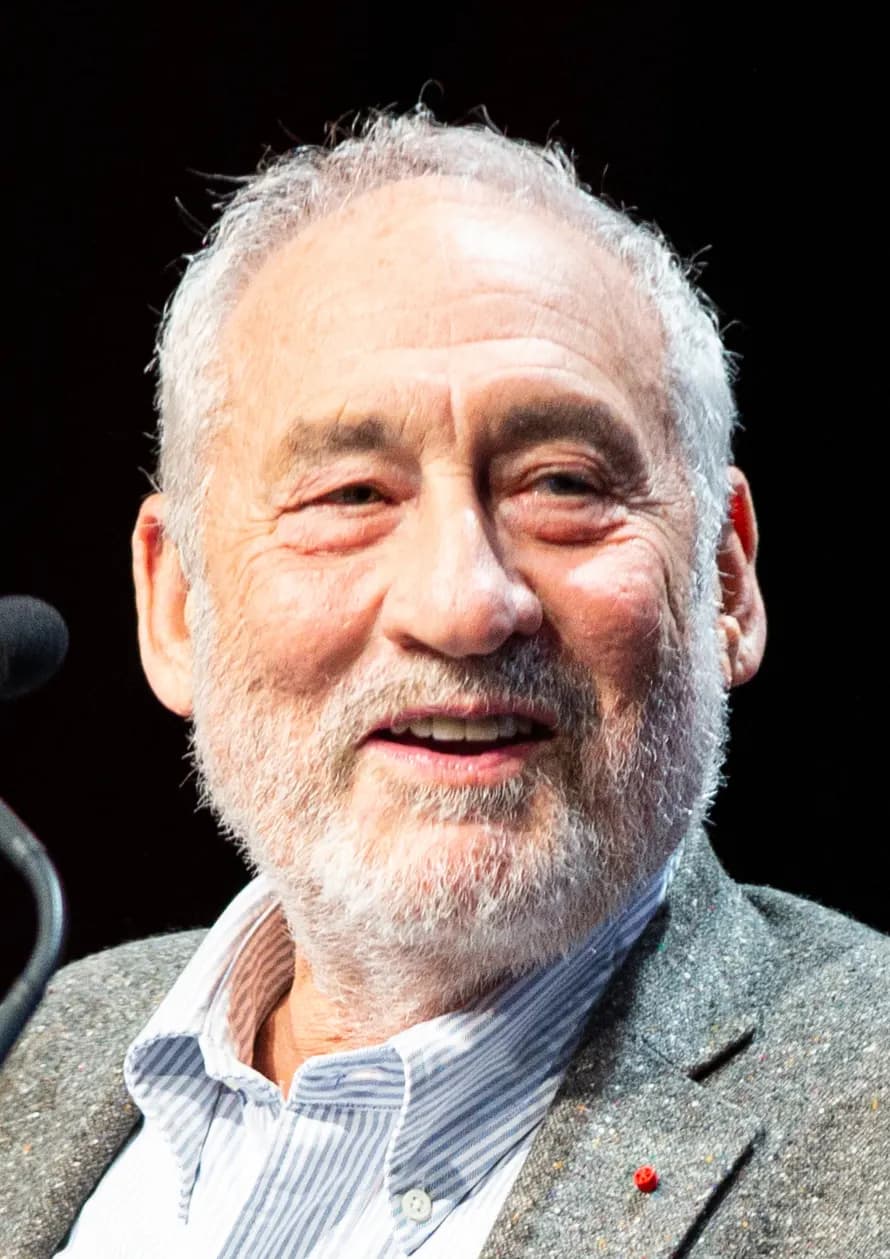 Joseph Stiglitz
Economist, Nobel Prize in Economics 2001 for work on asymmetric information
Research · 1965–1966
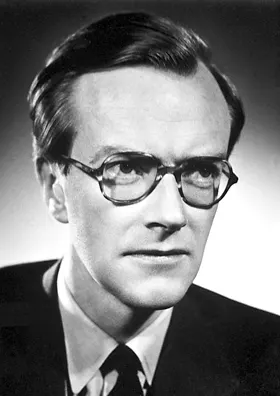 Maurice Wilkins
Biophysicist, Nobel Prize in Medicine 1962 for the structure of DNA
Graduate · 1935–1938
Reviews
No reviews yet. Visited, applied, or studied here? Be the first.